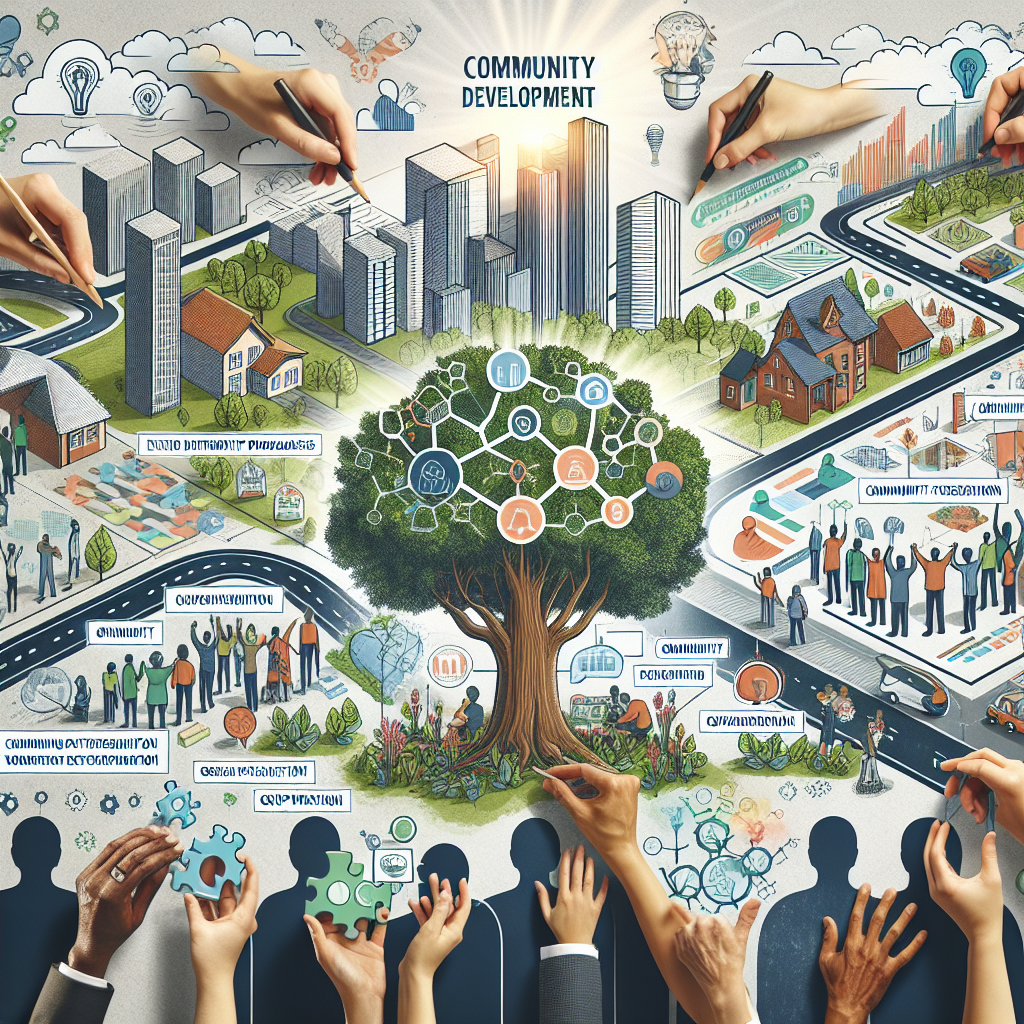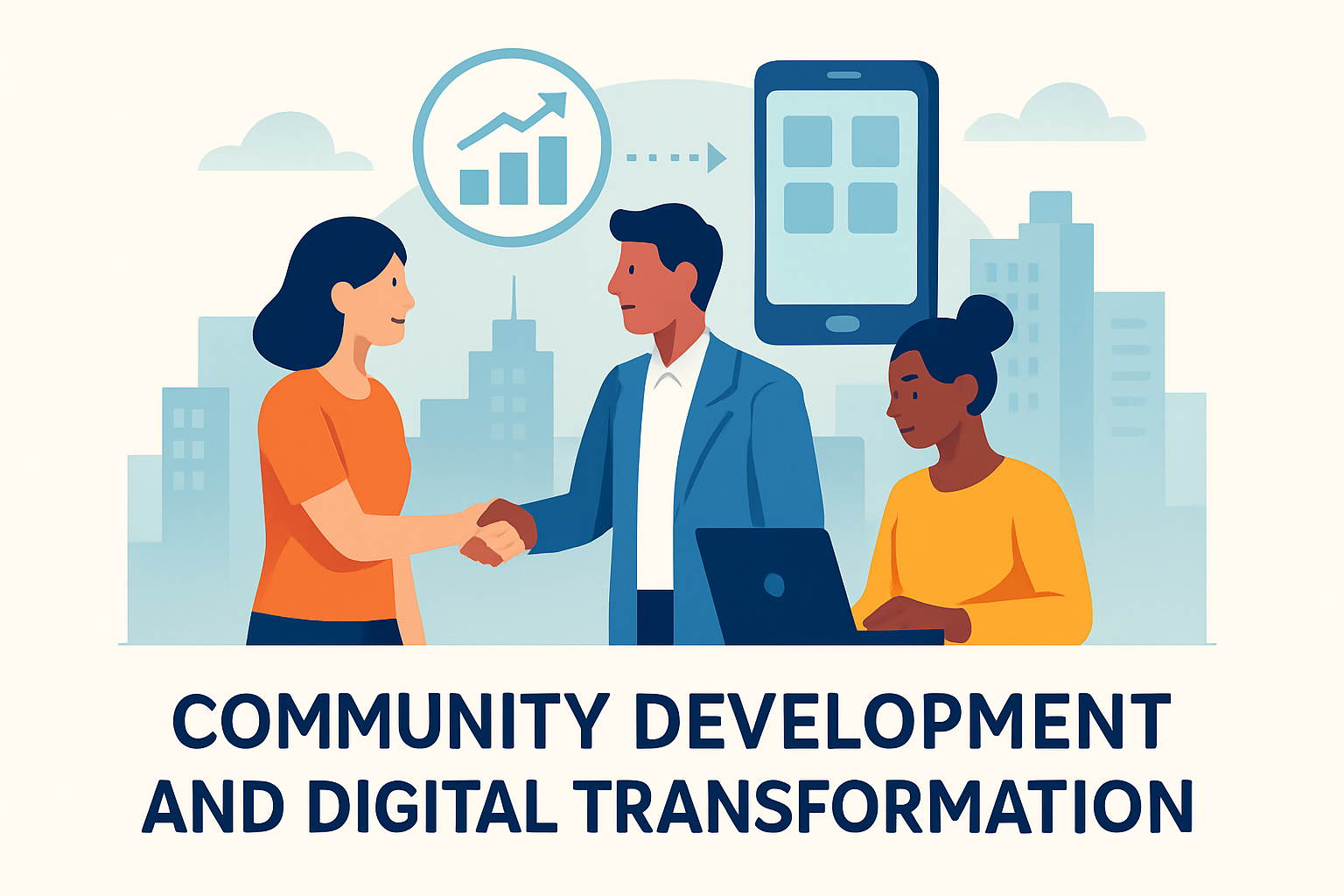
Community development is a multifaceted discipline aimed at enhancing the wellbeing and quality of life for individuals within a community. It involves empowering individuals, fostering economic growth, improving infrastructure, and promoting social inclusion. Digital transformation, on the other hand, refers to the integration of digital technology into various aspects of daily life and business, fundamentally changing how organizations operate and deliver value to citizens. These two concepts, community development and digital transformation, are interlinked and can significantly influence each other. As technology rapidly evolves, communities must adapt to leverage the benefits, ensuring that no one is left behind. Understanding this synergy is crucial because it empowers communities to harness technology to foster economic growth, enhance communication, increase access to services, and improve overall quality of life.
The Importance of Digital Transformation in Community Development
Digital transformation is pivotal in modern community development efforts for several reasons. Firstly, digital technologies can bridge geographical gaps, enabling connectivity and communication even in remote areas. This is particularly crucial in community development, where equitable access to services and information is often a challenge. For instance, the implementation of broadband internet in rural communities can dramatically change the landscape by providing access to education, health care, and employment opportunities previously unavailable.
A practical example is the introduction of online education platforms in rural areas. These platforms provide learning opportunities for students who otherwise have limited access to educational resources. Through digital transformation, students can access quality education from the comfort of their homes, reducing the urban-rural education disparity.
Economic Opportunities through Digital Innovation
Digital transformation opens new avenues for economic development within communities. By leveraging technology, small businesses can expand their reach beyond local confines, tapping into global markets. E-commerce platforms have revolutionized the way businesses interact with customers, allowing even the smallest businesses to compete globally. For community development, this means an influx of new job opportunities and potential for entrepreneurship.
Take, for example, the rise of digital marketplaces. These platforms provide a space where local artisans can showcase and sell their products to a global audience. By facilitating this kind of interaction, communities can boost their local economy, increase income levels, and support sustainable economic growth.
- Expansion of small businesses through e-commerce.
- Global customer reach for local markets.
- Sustainable economic development through technological integration.
Smart Cities: The Future of Urban Development
As urban areas face unprecedented growth, the concept of smart cities has emerged as a solution to manage resources efficiently and improve urban living conditions. A smart city utilizes digital technology to enhance performance and quality of urban services, reduce costs, and engage more effectively with its citizens. The transformation into a smart city involves integrating information and communication technology (ICT), the Internet of Things (IoT), and big data to optimize city functions and drive economic growth.
Singapore serves as a prime example of a smart city where citizens experience seamless connectivity and services. Initiatives include smart transportation systems, real-time traffic management, and digital public services designed to improve overall efficiency and quality of life. By adopting similar strategies, communities can anticipate and respond to challenges more effectively, thereby improving urban planning and development outcomes.
Enhancing Social Inclusion through Technology
One of the most compelling aspects of digital transformation in community development is the potential for enhanced social inclusion. Digital tools can promote participation and equity by providing a platform for marginalized voices. Social media, online forums, and other digital platforms enable diverse groups to share their experiences and perspectives, contributing to more inclusive decision-making processes within communities.
An illustrative real-world example comes from various online citizen engagement platforms that allow community members to voice their concerns and contribute ideas to local governmental planning processes. These efforts ensure that all community members, regardless of their socioeconomic status, can participate in shaping their environment and future.
Moreover, accessible digital technologies can also support individuals with disabilities, providing them with tools and resources to participate fully in community life. In this way, digital transformation can be a powerful equalizer in community development efforts.
Challenges in Digital Transformation for Communities
Despite the myriad benefits that digital transformation brings to community development, several challenges must be addressed. One significant challenge is the digital divide, which refers to the gap between those who have access to digital technologies and those who do not. This divide is often linked to socioeconomic factors, geographic location, and education disparities.
Another challenge is ensuring data privacy and security. As communities increasingly rely on digital platforms, protecting citizens’ personal information becomes paramount. Comprehensive data protection laws and cybersecurity measures must be enforced to build trust and ensure safety.
Cybersecurity is an increasingly important aspect of urban planning, and communities must be vigilant in protecting data while fostering an environment of innovation and growth. Furthermore, issues related to infrastructure, like unstable internet connectivity in rural areas, also need to be addressed to maximize the benefits of digital transformation effectively.
| Challenge | Details |
|---|---|
| Digital Divide | Access disparities due to socioeconomic and geographical factors. |
| Data Privacy | Need for robust data protection laws and measures. |
| Infrastructure Issues | Challenges related to internet connectivity in remote areas. |
| Cybersecurity Threats | Importance of protecting digital platforms from potential breaches. |
Community Empowerment through Digital Skills Development
To successfully implement digital transformation in community development, equipping community members with the necessary digital skills is critical. Digital literacy programs can empower individuals, enabling them to utilize technology effectively to improve their personal and professional lives. These programs can include coding boot camps, digital marketing workshops, and introductory courses on data analysis.
A good example is the various public and private organizations that offer free or subsidized digital skills workshops. For instance, libraries and community centers often provide sessions on basic computer skills, providing community members with the skills they need to thrive in an increasingly digital world.
This empowerment through skill development not only aids in personal growth but also strengthens the community as a whole by building a workforce capable of innovating and adapting to new technologies.
Leveraging Digital Transformation for Environmentally Sustainable Practices
In the face of growing environmental concerns, digital transformation offers valuable tools for communities striving towards sustainable development. By integrating smart technologies and data analytics, communities can optimize resource usage and promote green practices.
For example, smart energy grids and IoT-enabled sensors can monitor and manage energy consumption more efficiently, minimizing waste and reducing costs. Additionally, real-time data analysis can aid in monitoring environmental parameters, enabling communities to respond proactively to ecological challenges.
Smart waste management systems and water conservation technologies are other areas where digital transformation can substantially impact sustainable community development. By adopting these digital interventions, communities can contribute significantly to a more sustainable and environmentally responsible future.
Conclusion: A Call to Action
In conclusion, the interplay between community development and digital transformation holds immense potential for creating more efficient, inclusive, and sustainable communities. Digital transformation enables new economic opportunities, fosters social inclusion, and supports sustainable practices while presenting challenges that must be thoughtfully addressed. By investing in digital infrastructure, ensuring equitable access, and enhancing digital literacy, communities can not only keep pace with technological advancements but also thrive in a rapidly changing world.
The key takeaway for community leaders, planners, and stakeholders is to embrace technology as a crucial tool in development efforts. It is a call to assess where digital transformation can enhance existing community initiatives and lay the groundwork for future successes. As a next step, communities are encouraged to engage in conversations with technological experts, local government, and residents to develop comprehensive digital strategies tailored to their unique needs and goals.
For those eager to take action, consider starting with small steps like organizing digital literacy workshops, advocating for expanded broadband access, or initiating discussions on smart city projects. In this way, communities can ensure they are not just witness to transformation but active participants in shaping their digital future.
By doing so, community members can lay the foundation for a more connected, empowered, and sustainable future, demonstrating the true power of digital transformation in community development. Engage with the resources available, unify efforts with neighboring regions, and take advantage of the opportunities that technology presents for meaningful and lasting community improvements.
Ultimately, with thoughtful implementation and community engagement, digital transformation can catalyze significant advancements in community development, paving the way for a prosperous and inclusive future for all.
“`htmlFrequently Asked Questions
1. What is community development and how does it relate to digital transformation?
Community development is an all-encompassing discipline that focuses on improving the overall wellbeing, economic status, and quality of life within a community. It can range from empowering individuals, enhancing community infrastructure, supporting local businesses, advocating for educational opportunities, to promoting social inclusion and resilience. Community development strives to create environments where all members can thrive socially, economically, and environmentally.
Digital transformation, meanwhile, refers to the integration of digital technology into every aspect of society and business. This transformation has a profound impact on how communities develop. With digital transformation, traditional community development methods evolve, allowing communities to harness technology for empowerment and growth. By utilizing digital tools, communities can improve access to information, optimize resource allocation, enhance communication and engagement, and eliminate barriers to social participation. Together, these concepts create a powerful synergy that propels communities into the modern age while simultaneously ensuring they are inclusive, resilient, and sustainable.
2. How does digital transformation empower individuals within a community?
Digital transformation can empower community members by dramatically enhancing access to information, tools, and opportunities that were previously inaccessible. One major way this empowerment occurs is through the democratization of information. With widespread internet access, individuals can gain knowledge and skills through online courses, webinars, and digital workshops, potentially leading to better job opportunities and higher incomes.
Moreover, digital technologies facilitate new forms of communication and social interaction. Social media platforms and online forums allow individuals to connect, share ideas, and mobilize around community issues, leading to more active civic participation. Individuals can engage in dialogues with policymakers or express their concerns directly, thereby having a more substantial impact on decision-making processes within their communities.
Additionally, digital financial services and platforms provide new avenues for local entrepreneurs and small businesses to access funding, manage finances, and reach wider markets beyond their localities. This financial inclusion can lead to economic independence and prosperity across the community. Empowerment through digital transformation is not just limited to adults; it extends to young people who gain digital literacy skills, preparing them for the workforce of the future.
3. What role does digital transformation play in improving community infrastructure?
Digital transformation plays a critical role in modernizing community infrastructure by introducing smart technologies that optimize the operation and maintenance of physical assets and services. Smart infrastructure utilizes IoT (Internet of Things) devices, sensors, and data -driven insights to improve the efficiency, safety, and sustainability of essential services such as transportation, energy, water, and waste management.
For instance, smart traffic systems can reduce congestion and enhance road safety by monitoring real-time traffic patterns and adjusting signals accordingly. In the area of energy, digital technologies help manage renewable energy sources, balance demand and supply, and reduce energy consumption through smart grids and meters. Water systems benefit from leak detection technologies, ensuring the efficient use and conservation of this vital resource.
Furthermore, digital infrastructure such as cloud computing, high-speed internet, and cybersecurity systems ensure that community data is handled securely and efficiently, allowing local governments and service providers to make informed decisions, predict infrastructure needs, and rapidly respond to emergencies or outages. These enhancements in infrastructure ultimately improve the quality of life, increase economic growth, and promote environmental sustainability within the community.
4. In what ways does digital transformation promote social inclusion within a community?
Digital transformation breaks down barriers to social inclusion by ensuring that everyone in a community, regardless of background or circumstance, has access to the resources necessary to participate fully in society. By bridging the digital divide, communities can work towards ensuring all individuals have equal access to technology and connectivity, which is fundamental for education, employment, and social engagement.
Online platforms facilitate access to critical services, such as telehealth, where individuals can receive medical consultations from remote locations, reducing geographical and transportation barriers, particularly for those in rural or underserved areas. Social welfare services, governmental processes, and educational opportunities are increasingly delivered online, allowing individuals who face physical, financial, or social obstacles to engage with the systems upon which they rely.
Additionally, digital transformation encourages inclusive engagement through customizable and accessible platforms, where people with disabilities can participate without hindrance. Social inclusion is further supported by creating virtual spaces for minority voices to be heard, fostering understanding, collaboration, and support across different demographic groups within the community.
5. What challenges do communities face when undergoing digital transformation and how can these be addressed?
While digital transformation holds immense potential for community development, there are numerous challenges to navigate. One primary hurdle is ensuring equitable access to digital technology and infrastructure. Communities must strive to close the digital divide by investing in high-speed internet access in underserved regions and providing affordable devices and digital literacy training for all members.
Moreover, there are concerns of data privacy and cybersecurity. As communities rely more on digital platforms and data-driven decision-making, safeguarding personal and community data from breaches and misuse becomes vital. This requires implementing robust cybersecurity measures and educating the public about data protection practices.
Another challenge lies in potential job displacement caused by automation and digitalization of various job sectors. To mitigate this risk, community development initiatives must focus on reskilling and upskilling the workforce, ensuring individuals are equipped to adapt to the changing job landscape and capitalize on new opportunities.
Finally, bridging cultural and educational gaps can be daunting. For a digital transformation to be successful, stakeholder engagement and collaborative partnerships with local organizations, government entities, educational institutions, and businesses are crucial. By fostering a culture of digital innovation and ensuring inclusivity and accessibility, communities can effectively harness the benefits of digital transformation while mitigating its challenges.
“`