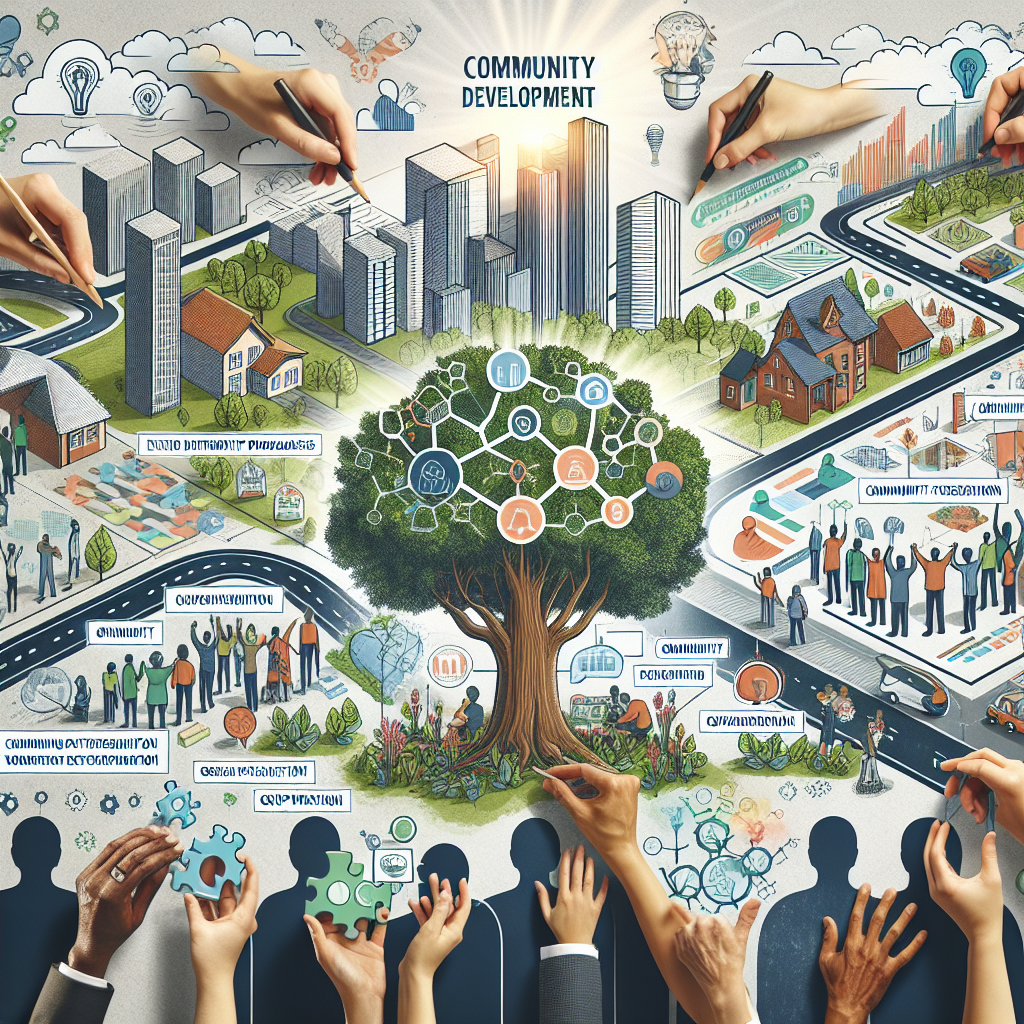
Community development is an integral aspect of urban planning and housing initiatives, focusing on improving the quality of life in neighborhoods and communities. It encompasses various activities and programs aimed at creating sustainable, inclusive, and economically vibrant areas. These can include housing developments, infrastructure improvements, public amenities, and social services that collectively aim to transform the environment and offer residents greater opportunities.
Understanding the impact of community development on property values requires a comprehensive exploration of how these initiatives influence the real estate market. For homeowners, investors, and policymakers, comprehending these dynamics is critical for making informed decisions. Community development can potentially uplift entire neighborhoods by increasing demand for properties, fostering stable growth, and generating new economic activities. This article delves into how structured community development projects can significantly affect property values and create a ripple effect beneficial to the broader community.
Economic Development and Property Values
Economic development is one of the most influential factors affecting property values. When a community invests in development projects that boost the local economy, such as business hubs, retail spaces, and job creation programs, it often leads to increased demand for housing. A thriving economy tends to attract more residents who are looking for both employment opportunities and living options, resulting in upward pressure on property values.
For instance, the redevelopment of the Hudson Yards area in New York City illustrates this concept vividly. This ambitious project, which involved transforming a once-underutilized part of Manhattan into a bustling commercial and residential district, has significantly boosted property values. The influx of businesses and retail establishments attracted professionals and corporations alike, contributing to increased demand for nearby properties.
As the economy of a community improves, residents’ disposable incomes generally rise, leading to higher consumer spending and potentially increasing the attractiveness of the area as a residential option. This cycle of economic vitality and development fosters a healthier real estate market.
Infrastructure Improvements and Accessibility
Infrastructure improvements play a critical role in shaping property values. Enhancements in transportation networks, roads, public transit systems, and other essential services bolster a community’s connectivity and accessibility, directly impacting real estate prices. Properties in well-connected areas usually command higher prices because of the convenience they offer residents.
The extension of the 2nd Avenue subway line in New York City is an example of how infrastructure developments can affect property markets. Extending the subway to previously underserved neighborhoods provided a tangible benefit for residents by improving travel times and accessibility. Consequently, property values in these areas saw a notable increase due to enhanced desirability among commuters seeking easy access to other parts of the city.
When significant infrastructure projects are completed, the perceived and actual connectivity of an area improves, often leading to increased demand from both potential homeowners and businesses looking for prime locations with excellent accessibility.
Revitalization of Public Spaces and Community Amenities
Public spaces and amenities are critical components of successful community development programs. Beautifully designed parks, recreational areas, cultural centers, and community facilities can make a neighborhood more attractive, improving the quality of life for current residents and making the area more appealing to potential buyers.
A prime example is the transformation of Millenium Park in Chicago. What was once an underutilized industrial area was converted into a world-class public park. This development not only became a cultural and social hub for the city but also significantly boosted surrounding property values. The park’s success has been attributed to its aesthetic appeal, public events, and the real sense of community it fosters, making nearby areas more desirable.
Integrating attractive amenities into the fabric of a community serves not just current residents but also positions the area as an attractive option for buyers, thus boosting property demand and values.
Social Services and Community Cohesion
Community development also encompasses social services aimed at bringing about cohesion among residents. Programs focused on education, healthcare, security, and community engagement often lead to a more stable and appealing living environment. Improved social services can drastically transform the perception of a neighborhood, hence impacting property values.
Take, for example, the Harlem Children’s Zone initiative in New York City. This comprehensive program aims to improve educational outcomes and social services within the Harlem community. Over the years, the initiative has enhanced educational performance and community well-being, thereby making Harlem more attractive to families and professionals seeking a supportive environment, which in turn has gradually increased property values.
When successful, such initiatives not only enhance the quality of life but also reduce crime rates, increase educational and employment opportunities, and eventually make the area a more attractive and stable community for both current and future residents.
The Influence of Environmental Sustainability
With growing awareness of environmental challenges, sustainable community development projects have gained momentum. Eco-friendly buildings, energy-efficient homes, green spaces, and public transport contribute to a community’s environmental footprint while appealing to a broad spectrum of potential buyers interested in a sustainable lifestyle.
The rise of eco-friendly districts such as Vauban in Freiburg, Germany, underscores this trend. By integrating green building standards and promoting car-free living, the area not only attracts those prioritizing sustainability but also commands higher property values due to its forward-thinking approach. People often are willing to pay more for properties in sustainable communities because they believe these areas offer better long-term quality of life and cost savings through energy efficiency.
Table illustrating Impact of Sustainability on Property Values:
| Sector | Impact on Values | Example Factor |
|---|---|---|
| Residential | +10% | Energy-efficient homes |
| Commercial | +15% | Eco-friendly buildings |
| Recreational | +8% | Green spaces |
The deeper emphasis on creating greener, more sustainable communities is therefore not just an environmental imperative, but also a factor in determining property market trends.
Community Participation and Local Culture
A thriving community involves its residents in the decision-making process, recognizing that local culture and identity significantly impact a neighborhood’s appeal. When individuals feel they have a stake in their surroundings, they are more likely to invest time and resources in improving their homes and, by extension, the neighborhood.
The revitalization of the Marigny neighborhood in New Orleans exemplifies the positive effects of strong community participation. By fostering a culture-centered environment that values local arts, music, and cuisine, residents have successfully attracted visitors and prospective buyers keen on an authentic cultural experience in a vibrant community. This dynamic has not only preserved the neighborhood’s unique charm but has also bolstered property values.
Local involvement and appreciation of cultural identity help forge a strong, interconnected community, thereby increasing the area’s desirability and, ultimately, property values.
Conclusion: Leveraging Community Development for Property Value Growth
Comprehending the profound influence community development has on property values encourages stakeholders—ranging from homeowners and investors to policymakers—to integrate comprehensive urban planning strategies into their decision-making. A robust commitment to economic development, infrastructure improvements, public amenities, effective social services, environmental sustainability, and community participation can collectively uplift neighborhoods and drive property values upward.
The important lesson here is that community development is not just about erecting new structures but about nurturing environments and creating opportunities for residents that make communities more vibrant, inviting, and economically robust. Staying actively involved with community initiatives and decisions can enhance not only property values but also overall quality of life for all residents.
For those interested in contributing to or benefiting from community development projects, it is prudent to engage with local urban planning boards, support sustainable initiatives, and foster community activities. Engaging with these processes is pivotal in ensuring neighborhoods remain dynamic, inviting, and economically prosperous.
In summary, by understanding, participating in, and supporting community development efforts, stakeholders can play an active role in shaping the future of their communities while also benefiting from the enhanced property valuations these efforts can bring.
Frequently Asked Questions
1. How does community development impact property values in a neighborhood?
Community development can have a significant effect on property values within a neighborhood. When a community undergoes development, it typically involves a range of initiatives like upgrading infrastructure, improving public amenities, enhancing transportation access, and building or renovating housing. These changes can increase the desirability of a neighborhood, attracting more residents and potential buyers. As demand for properties rises, so too do property values. Improvements in community safety, better schools, and the availability of local social services also contribute to making an area more appealing, thus boosting the market value of homes. Moreover, a strong sense of community and increased investment can instill confidence in both current and prospective residents, further fostering an environment where property values appreciate.
2. Can community development negatively affect property values?
While community development is generally aimed at enhancing neighborhoods and benefiting residents, there are scenarios where it might inadvertently affect property values negatively. This could happen if development projects are poorly planned or executed, leading to overdevelopment or congestion that decreases the desirability of an area. Additionally, rapid development can sometimes lead to gentrification, where rising property values and living costs displace longtime residents who can no longer afford to live in their own neighborhoods. This social upheaval can create instability, potentially leading to fluctuating or even declining property values, especially if the community’s social fabric is weakened. Hence, sustainable and inclusive community development is crucial to ensuring that any increase in property values is beneficial to all residents.
3. What role do public amenities play in impacting property values through community development?
Public amenities are a key component of community development that significantly influences property values. Assets such as parks, libraries, community centers, and recreational facilities provide opportunities for socialization, play, and relaxation, and are viewed as valuable by potential property buyers. These amenities can enhance the quality of life for residents, making neighborhoods more attractive places to live. For instance, having easy access to well-maintained green spaces or a state-of-the-art community sports complex can raise the attractiveness of properties nearby, driving up demand and, consequently, property values. Moreover, amenities that cater to diverse groups, including children, seniors, and various cultural communities, create inclusivity, drawing a broader range of buyers and investors interested in relocating to or investing in the area.
4. Is there a correlation between improved infrastructure and property values in community development initiatives?
Absolutely, there is a strong correlation between infrastructure improvements and property values as part of community development efforts. Infrastructure upgrades, such as improved roads, better public transportation options, and updated utility services (like water, waste management, and electricity), dramatically affect how an area is valued. Enhanced infrastructure reduces travel times and increases convenience, directly affecting residents’ quality of life and the perceived value of living in that neighborhood. Property buyers are often willing to pay a premium for homes in areas that offer efficient transportation networks and modern, reliable utilities, reflecting positively on property values. Additionally, these infrastructure improvements can spark further private investments or business developments within a community, further catalyzing economic growth and property value appreciation.
5. How do social services and community programs contribute to changing property values?
Social services and community programs are integral aspects of community development that can influence property values. This includes services such as health care centers, educational programs, recreational activities, and support networks for various demographic groups, such as seniors or at-risk youth. When these services are readily accessible and well-established, they enhance the quality of life within a neighborhood. They help in creating a supportive and resilient community, which can attract new residents and encourage longer-term settlement. For families, proximity to good schools or daycare programs is a significant draw, often translating to higher demand for housing in those areas. As more people are drawn to the benefits of these services, the increased demand naturally leads to rising property values. Furthermore, community programs that promote engagement and local advocacy strengthen community ties, contributing to a more stable and valuable neighborhood overall.