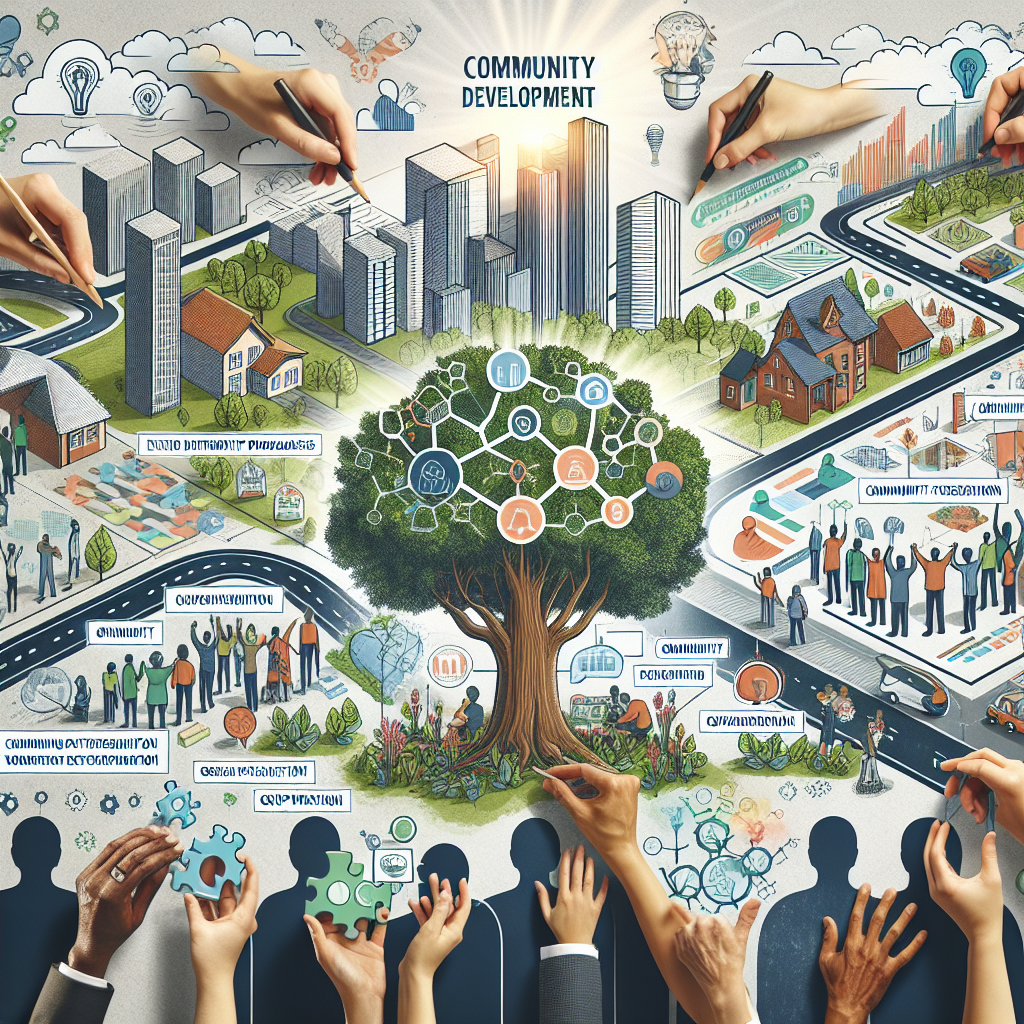
Introduction to Community Development and Public Health
Community development and public health initiatives are interconnected efforts aimed at improving the quality of life in communities. Community development is a process where community members come together to take collective action and generate solutions to common problems. It often involves strengthening community norms and values, enhancing the quality of local services, and creating economic opportunities. On the other hand, public health focuses on preventing disease, prolonging life, and promoting health through organized efforts and informed choices of society.
These initiatives matter because they play a crucial role in improving the well-being of individuals and communities. When effectively implemented, they can lead to healthier environments, reduced health disparities, and empowered communities that actively participate in creating sustainable living conditions. In a world grappling with unequal resource distribution and health inequities, community development and public health initiatives offer a pathway to transformative, long-term change.
Community Development: Building Better Environments
Community development focuses on creating environments that support healthy living. This can include upgrading infrastructure, creating spaces for social interaction, and increasing access to resources. For example, the creation of community gardens in urban areas is a powerful initiative in community development. These gardens provide fresh produce for families with limited access to fruits and vegetables, promote environmental education, and foster community bonds.
In Detroit, Michigan, urban farming has transformed vacant lots into productive gardens, offering fresh vegetables to communities in need. This initiative not only addresses food insecurity but also revitalizes neighborhoods, creating safe and appealing environments.
Public Health Initiatives: Disease Prevention and Health Promotion
Public health initiatives are central to preventing disease and promoting healthy living. They often involve campaigns on vaccination, anti-smoking, nutrition, and fitness. For example, the “Let’s Move!” campaign launched by former First Lady Michelle Obama was aimed at reducing childhood obesity. The campaign encouraged physical activity, better food choices, and healthier school meals.
This nation-wide initiative significantly raised awareness about childhood obesity and has led to improvements in school meal programs, increased opportunities for physical activities, and greater parental engagement in fostering healthy habits at home.
Collaboration Between Community Development and Public Health
Effective community development and public health initiatives require collaboration between community organizations, government agencies, and health care providers. By working together, these entities can leverage resources and expertise to address community needs holistically.
An example of this collaborative effort is the “Blue Zones Project” in several cities across the United States. This initiative combines the efforts of public health officials and community developers to transform communities into healthier and more livable spaces by introducing policies and programs that improve the overall quality of life.
Empowering Communities Through Education and Resources
Education and resources are vital for empowering communities and enabling them to take charge of their own development and health. Public workshops, educational campaigns, and support services can equip community members with the knowledge and skills needed to promote sustainable health and development.
In many communities, health education programs that raise awareness about chronic disease prevention strategies, such as managing diabetes and hypertension, lead to healthier lifestyles. For instance, initiatives like the “Healthy Harlem” project provide residents with the tools and resources needed to lead healthier lives, reducing health disparities in underserved populations.
| Component | Examples | Benefits |
|---|---|---|
| Community Development | Urban Gardens, Community Centers | Revitalizes Neighborhoods, Promotes Cohesion |
| Public Health | Vaccination Campaigns, Nutrition Programs | Prevents Disease, Promotes Healthy Habits |
| Collaborative Initiatives | Blue Zones Project, Healthy Harlem | Holistic Solutions, Sustainable Impact |
Challenges in Community Development and Public Health
Despite the potential benefits, initiating and sustaining community development and public health initiatives can be challenging. Common obstacles include insufficient funding, lack of political will, and resistance to change from community members. Navigating these challenges requires strategic planning, inclusive engagement, and sustained commitment from stakeholders.
For instance, in many rural areas, accessing health services is complicated by geographical barriers and limited infrastructure. To address this, mobile health clinics and telemedicine initiatives have brought medical services directly to these populations, overcoming logistical obstacles and improving health outcomes.
The Role of Technology and Innovation
Technology and innovation play a vital role in enhancing the effectiveness of community development and public health initiatives. Digital platforms and mobile applications have made it easier to disseminate information, conduct health campaigns, and facilitate communication among community members and health officials.
For instance, mobile apps that track physical activity and recommend healthy recipes have been part of recent efforts to combat lifestyle-related diseases. These tools empower individuals to take control of their health, and collectively, can drive community-wide improvements.
Conclusion: The Future Path of Community and Public Health Initiatives
The interconnectedness of community development and public health initiatives underscores the importance of collaborative and comprehensive approaches to society’s complex challenges. As communities continue to evolve and face new health and social issues, the adaptability, innovation, and commitment of these initiatives will be paramount in creating a future where health equity is the norm.
The key takeaways from community development and public health initiatives are the importance of collaboration, the role of education and resources in empowering communities, and the potential of innovative solutions such as technology in advancing these efforts.
For those interested in making a difference, get involved with local community programs, support public health campaigns, and advocate for changes in policies that address the systemic issues contributing to health disparities.
Contribute to a healthier, more equitable world by becoming informed, getting involved, and advocating for sustainable changes in your community. The journey towards improved well-being and inclusive development starts with each individual taking collective action for positive change.
Frequently Asked Questions
1. What is the connection between community development and public health initiatives?
Community development and public health initiatives go hand in hand because both aim to improve the well-being and quality of life of individuals within a community. Community development involves a grassroots approach, engaging local members to identify common issues and collaborate on solutions that directly improve their living standards. By fostering this participatory environment, communities can address social determinants of health such as housing quality, education, and economic stability, which are crucial for public health improvement.
On the public health side, the focus is on preventing disease, prolonging life, and promoting health through community-based efforts. These initiatives often include health education, vaccination drives, and accessibility to healthcare services. When community development successfully addresses the needs of its members, it automatically creates a setting where public health initiatives can thrive. For instance, improved infrastructure or educational opportunities can lead to better health outcomes by reducing environmental hazards or increasing health literacy. By developing synergies between these fields, communities create a stable environment where holistic well-being can flourish.
2. How does community development address local problems effectively?
Community development is highly effective in addressing local problems because it is rooted in the active participation of community members who live and experience those issues daily. By empowering individuals to have a voice in the decision-making process, communities ensure that the solutions they implement are tailored specifically to their needs and priorities. This bottom-up approach emphasizes local knowledge and resources, ensuring that interventions are relevant and sustainable over the long term.
Moreover, community development encourages collaboration between diverse groups, such as local government, non-profits, and businesses, fostering partnerships that can pool resources and expertise to tackle complex challenges. By building relationships and trust within the community, these initiatives are more likely to succeed and endure. Community-driven projects also create opportunities for skill development, as individuals gain experience in problem-solving, project management, and leadership, further enhancing the community’s ability to address future issues independently.
3. What role does economic opportunity play in both community development and public health?
Economic opportunity is a cornerstone of both community development and public health because it directly impacts an individual’s ability to live a healthy and fulfilling life. When communities focus on creating economic opportunities, they stimulate job creation, increase household incomes, and reduce poverty levels, which can lead to improved health outcomes. Stable employment enables families to afford better housing, nutritious food, healthcare services, and education, all of which contribute to overall well-being.
In community development, fostering economic opportunities can also stimulate local business growth, enhance infrastructure, and encourage investment in the community. These dynamics create a more vibrant and resilient local economy that supports public health goals by reducing stress and uncertainty caused by unemployment and financial instability. Public health initiatives can complement economic development by ensuring that the workforce remains healthy and productive, further advancing economic prosperity. Together, these efforts create a supportive environment where communities can thrive both economically and health-wise.
4. How can enhancing the quality of local services impact public health?
Enhancing the quality of local services is crucial for public health because these services provide the foundation upon which community health is built. High-quality healthcare facilities, educational institutions, and social services are essential for offering individuals the resources and support they need to maintain physical and mental health. For instance, well-equipped hospitals and clinics can provide timely medical care and preventive services, reducing the incidence of illness and disease.
Quality education services, on the other hand, improve health literacy, enabling individuals to make informed decisions about their health and access the services they need. Similarly, social services can offer support for vulnerable populations, such as elderly individuals, low-income families, and those with disabilities, ensuring they receive adequate care and opportunities to improve their living situations. When communities invest in improving the quality of these services, they create an environment that supports healthy lifestyles, reduces health disparities, and increases the overall resilience of their members against public health challenges.
5. What strategies can be employed to strengthen community norms and values through these initiatives?
Strengthening community norms and values through development and public health initiatives involves a multi-faceted approach focused on fostering a sense of belonging, shared responsibility, and collective identity. One effective strategy is to engage community members in dialogue and decision-making processes, ensuring that their voices and cultural practices are respected and integrated into initiatives. By involving diverse groups, communities can cultivate an inclusive atmosphere where different perspectives are valued, and shared goals are prioritized.
Education and awareness campaigns are another vital strategy, as they can highlight the importance of community norms and values in promoting well-being and cohesion. These campaigns can address topics like health equity, social justice, and mutual respect, fostering a culture of care and responsibility. Celebrating community traditions and achievements through events and storytelling can further reinforce positive values and increase pride among residents.
Lastly, partnerships with local organizations, faith groups, and cultural associations can strengthen networks within the community, providing support systems that reinforce shared norms and values. By leveraging these relationships, communities can build resilience and work together towards common goals, ensuring that development and public health efforts align with the community’s identity and aspirations.