Urban migration is a phenomenon that is reshaping cities and societies around the globe. As more people move from rural areas or smaller towns to urban centers, cities face the challenge of integrating these newcomers effectively. This process, known as urban migration, involves a complex blend of economic, social, and cultural changes that both the migrants and the host cities must navigate. Key terms in this discourse include “urbanization,” which denotes the shift of populations into urban areas, and “integrative policies,” which refer to strategies designed to facilitate the acculturation and socioeconomic engagement of new urban residents.
The significance of urban migration cannot be overstated, as it directly impacts economic growth, cultural diversity, housing, and urban planning. Rapid urbanization can lead to various problems such as overcrowding and infrastructure strain, but if managed well, it can also drive economic innovation and cultural diversity. Understanding the dynamics of urban migration is crucial not only because it affects global demographics but also because properly integrating migrants can lead to more resilient and vibrant urban spaces. Consequently, effective urban migration strategies benefit everyone, from policymakers to residents, by fostering communities that thrive both economically and socially.
Economic Integration: Employment and Opportunities
One of the foremost challenges and opportunities in urban migration is economic integration. Newly arrived residents often seek employment opportunities, and cities can benefit from their diverse skill sets. Yet, the mismatch between available jobs and migrants’ skills can lead to unemployment or underemployment, posing a significant hurdle in their integration journey. To address this, cities have begun implementing targeted job-training programs and partnerships with local industries.
For example, Toronto has initiated programs that connect skilled migrants with local businesses in need of their expertise. These programs include language classes and skills workshops tailored to industry needs, bridging the gap between migrant capabilities and market demands. Such initiatives not only help migrants find suitable employment but also contribute to the local economy by filling gaps in the labor market.
Social Integration: Building Community Connections
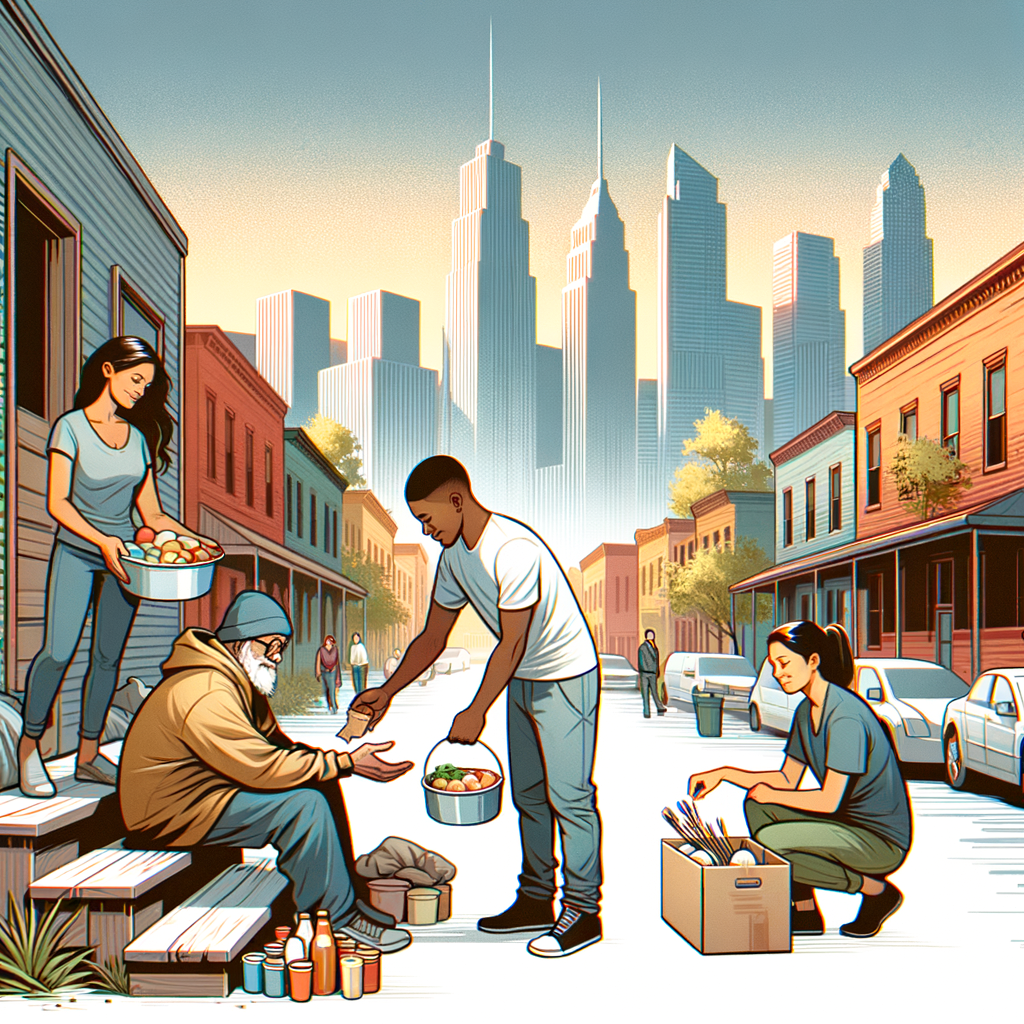
Social integration is another critical component of urban migration. New residents must adjust to urban life and build connections within their new communities. Cities are rising to this challenge by creating public spaces and organizing community events that facilitate social interaction between new and long-standing residents.
A notable example is the “Welcome Neighbor” initiative in Berlin, where local communities host meet-and-greet events for newcomers. These events create an inclusive atmosphere that helps to break down barriers and foster a sense of belonging among new urban dwellers. Through shared activities, such as community gardening or local fairs, migrants can connect with others, learn about cultural norms, and become active participants in their communities.
Cultural Integration: Preserving Identity While Embracing Diversity
Cultural integration involves balancing the preservation of migrants’ cultural identities with the embrace of the cultural diversity they bring to urban areas. Effective cultural integration enhances mutual respect and understanding, leading to enriched communities that celebrate diversity rather than divide over differences.
In Melbourne, cultural integration policies have been implemented through multicultural festivals and educational programs. Events like the Melbourne Multicultural Festival showcase the diverse cultural landscape, allowing migrants to share their traditions while learning about others. Schools in the area have also introduced multicultural curricula to educate the younger generation about different cultures, fostering an inclusive environment from an early age.
Housing: Addressing Accommodation Needs
Housing is a fundamental aspect of integrating new residents into urban areas. Cities face challenges in providing adequate housing that accommodates growing populations without exacerbating existing issues like overcrowding and high living costs.
One innovative solution is being practiced in Amsterdam, where the city has invested in developing affordable housing specifically for migrants. This includes modular and flexible housing units that can be quickly constructed, accommodating immediate needs without permanent land development. The use of eco-friendly materials and smart designs makes these units sustainable and adaptable, addressing housing shortages effectively.
Urban Infrastructure: Alleviating Strain and Promoting Development
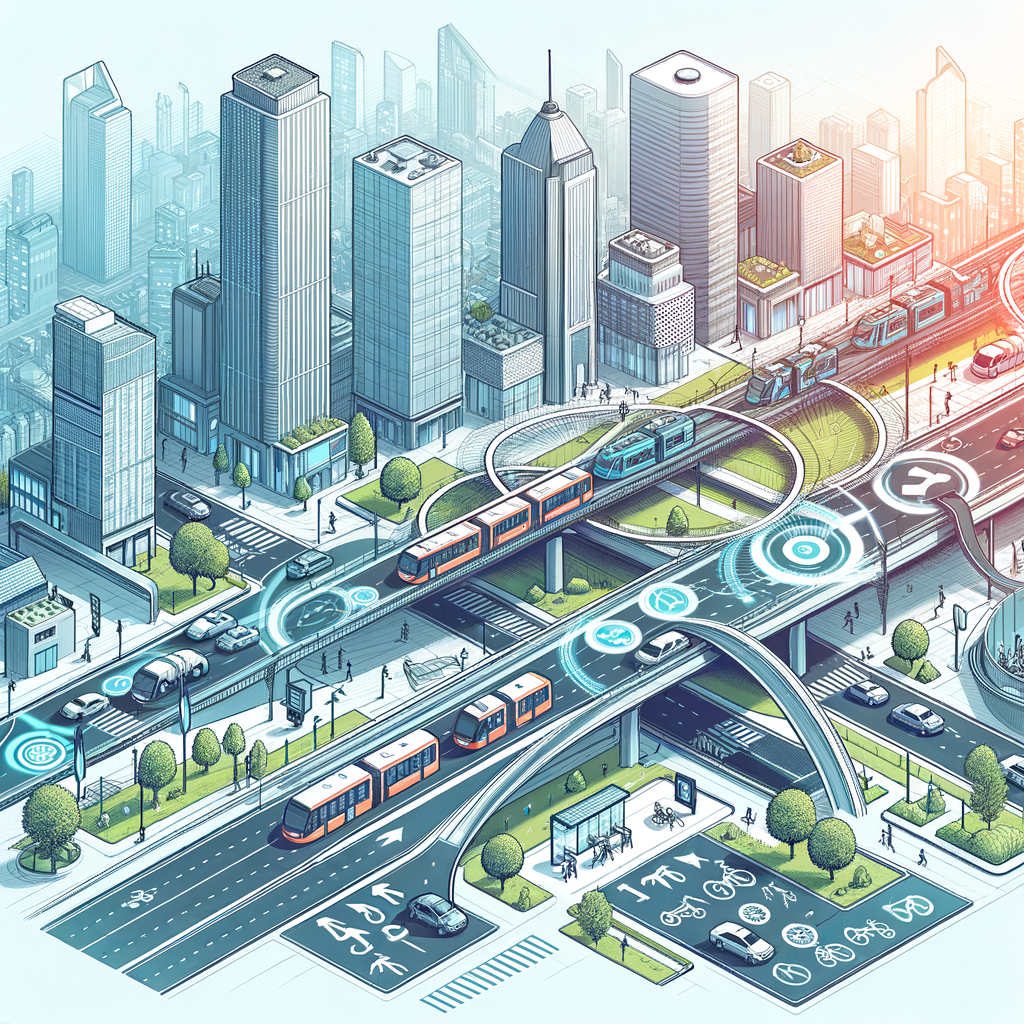
The influx of new residents places added demands on urban infrastructure, such as public transportation, healthcare, and education facilities. Effective planning and investment in infrastructure are imperative for cities to manage these pressures sustainably.
Singapore, for example, has adopted a forward-thinking approach by investing heavily in public transportation improvements and expanding healthcare facilities. Their comprehensive urban planning strategies include predictive modeling to anticipate infrastructural needs based on migration patterns. This proactive approach ensures that infrastructure develops in tandem with population growth, mitigating potential impacts on service quality and accessibility.
| Category | Challenge | Example Solution |
|---|---|---|
| Employment | Skill mismatch | Job training programs |
| Social Connections | Community isolation | Community events |
| Cultural Diversity | Cultural divides | Multicultural events |
| Housing | Shortages | Affordable housing projects |
| Infrastructure | Overcrowding | Infrastructure investment |
Educational Integration: Learning and Growth Opportunities
Education plays a pivotal role in integrating new residents, particularly children and young adults. Educational policies and programs that accommodate linguistic and cultural differences support both academic success and social inclusion.
In Vancouver, schools have embraced bilingual education programs, providing language support to non-native students. These programs not only help students grasp curricula more effectively but also encourage cross-cultural interactions among students. By integrating cultural education into the curriculum, schools foster an environment of mutual respect and learning that benefits both migrant students and local students alike.
Government Policies: Framework for Effective Integration
Government policies are crucial for guiding and implementing effective urban migration strategies. These policies can vary widely but often include regulations, incentives, and programs aimed at facilitating integration at multiple levels.
Sweden’s immigration policies are often cited as exemplary, emphasizing long-term integration with initiatives like free language courses and fast-tracked employment schemes. These government-led efforts provide structure and resources that support migrants as they transition into urban life, ultimately fostering a more cohesive society.
Health and Welfare: Ensuring Wellbeing
Ensuring access to health and welfare services for new residents is an essential part of successful urban migration integration. Migrants often face barriers to healthcare due to language, cultural differences, or legal obstacles.
In New York City, initiatives have been launched to provide accessible healthcare services for migrants, regardless of their immigration status. The “Bronx Community Health Network” offers tailored healthcare services and outreach programs that help migrants navigate the complex healthcare system. By addressing health disparities, these efforts contribute to the overall wellbeing of new residents.
Summary and Conclusion
Urban migration is a multi-faceted phenomenon that presents both challenges and opportunities for global cities. As we’ve explored, key aspects of successful integration include economic participation, social and cultural engagement, housing solutions, educational support, infrastructure development, supportive government policies, and equitable access to health services. Each component plays a crucial role in creating urban environments where new residents can thrive and contribute positively to the community.
By investing in integrative strategies and fostering inclusive environments, cities can harness the potential of urban migration to drive economic and cultural growth. Residents, policymakers, and community leaders must collaborate to ensure that newcomers are welcomed, supported, and valued as integral members of the urban tapestry. The journey of urban migration, when handled thoughtfully, can lead to vibrant, diverse cities that are equipped to meet the challenges of the future.
To move forward, cities and individuals alike can take proactive steps such as participating in local community events, supporting integrative policies, and advocating for inclusive practices. These actions, however small, contribute to the larger goal of building resilient urban communities where everyone has the opportunity to succeed and belong.
Frequently Asked Questions
1. What is urban migration and why is it happening?
Urban migration refers to the movement of people from rural areas or small towns into cities and urban centers. This phenomenon is driven by various factors, including the pursuit of better job opportunities, educational prospects, healthcare services, and overall enhanced quality of life. As economies grow and develop, cities become hubs of economic activity, drawing in individuals seeking to improve their living standards. Technological advancements in transport and communication have made it easier for people to migrate, while the allure of what cities can offer compared to rural areas continues to fuel this trend. Additionally, cities often promise more diverse cultural and social experiences, which attract individuals looking to broaden their horizons.
2. What challenges do cities face when integrating new residents?
Cities face multiple challenges when integrating new residents, often straining existing infrastructure and resources. Housing is one of the most pressing issues, as rapid population growth can lead to shortages, driving up prices and sometimes resulting in the development of informal settlements. Public services, such as transportation, schools, and healthcare, may become overloaded, affecting the quality of life for both newcomers and long-standing residents. Moreover, the integration process often requires reconciling different cultural backgrounds, which can pose social cohesion challenges. Local governments must also navigate complex policy landscapes to create inclusive environments that allow newcomers to thrive while maintaining the community’s identity. This often involves fostering dialogue between diverse groups and adjusting urban planning approaches to accommodate growth sustainably.
3. How does urban migration impact the economy of a city?
Urban migration can significantly impact a city’s economy in several ways. On the positive side, new residents contribute to economic growth by increasing the labor pool and consumer base. As workforce diversity expands, it can spur innovation and increase productivity. Migrants bring different skills and perspectives, which can enhance an area’s cultural richness and economic dynamism. Furthermore, growing urban populations often attract businesses and industries looking to capitalize on larger markets. However, these benefits can only be realized if cities effectively manage the influx. Otherwise, the rapid population increase may outpace the capacity to provide jobs, leading to underemployment or unemployment. Additionally, if infrastructure development lags, congestion and pollution can erode living standards and economic attractiveness. Successful integration requires strategic urban planning and robust public policies to align economic gains with sustainable growth.
4. What strategies can cities implement to better integrate new residents?
Cities can employ various strategies to integrate new residents effectively. One key approach is expanding affordable housing options to accommodate the influx without exacerbating housing crises. Investing in public transportation and infrastructure is crucial to ensure new residents can access jobs and services efficiently and sustainably. Policymakers should also focus on inclusive urban planning that considers the needs of diverse populations. Offering language and cultural integration programs can help newcomers adapt to their new environment, fostering social cohesion. Additionally, cities should encourage community-building initiatives that unite long-term residents and new migrants, creating shared spaces that nurture understanding and cooperation. Engaging in dialogue with migrant communities can guide policy and ensure that programs address their specific challenges. Ultimately, embracing diversity and encouraging participation in local governance helps build resilient, thriving urban ecosystems.
5. How can urban areas maintain cultural identity amid rapid migration?
Maintaining cultural identity in urban areas amid rapid migration involves a delicate balance of preserving heritage while embracing the changes newcomers bring. Cities can protect their cultural identity by preserving historical landmarks, supporting local arts and traditions, and celebrating the distinct character that defines them. Encouraging multicultural events and programs can enrich the cultural fabric, allowing traditional and new cultures to share space meaningfully. Urban planners should include the preservation of cultural landscapes in development plans, ensuring that growth does not erase history. Communities must engage in continuous dialogue to understand the values and traditions newcomers bring, integrating them into the local tapestry thoughtfully. By fostering an inclusive environment where diverse cultural expressions are respected and valued, cities can maintain and evolve their unique identities into something richer and more dynamic.