In today’s rapidly urbanizing world, cities face a multitude of challenges that impact the quality of life of its inhabitants. From congestion and pollution to housing shortages and inefficient public services, urban areas are under constant pressure to address these issues effectively. This is where innovation steps in. Innovation, in this context, refers to the introduction of new ideas, methods, or products that can improve city living conditions and infrastructure. It is a crucial tool in the development of smart cities—a concept wherein technology and sustainable practices are employed to enhance urban living. Understanding the role of innovation in solving urban challenges is vital for policymakers, urban planners, and citizens alike, as it determines the future trajectory of urban environments and their sustainability.
Addressing urban challenges through innovation matters significantly because it not only improves the immediate living conditions of billions of people but also sets a precedent for future urban development. With an estimated 70% of the world’s population expected to live in urban areas by 2050, the need for innovative solutions to urban problems has never been more urgent. These innovations can take various forms, from technological advancements that increase the efficiency of urban systems to groundbreaking new policies that address socio-economic issues. Ultimately, the adoption and implementation of innovative solutions hold the key to creating resilient, sustainable, and livable urban spaces.
Innovative Transport Solutions
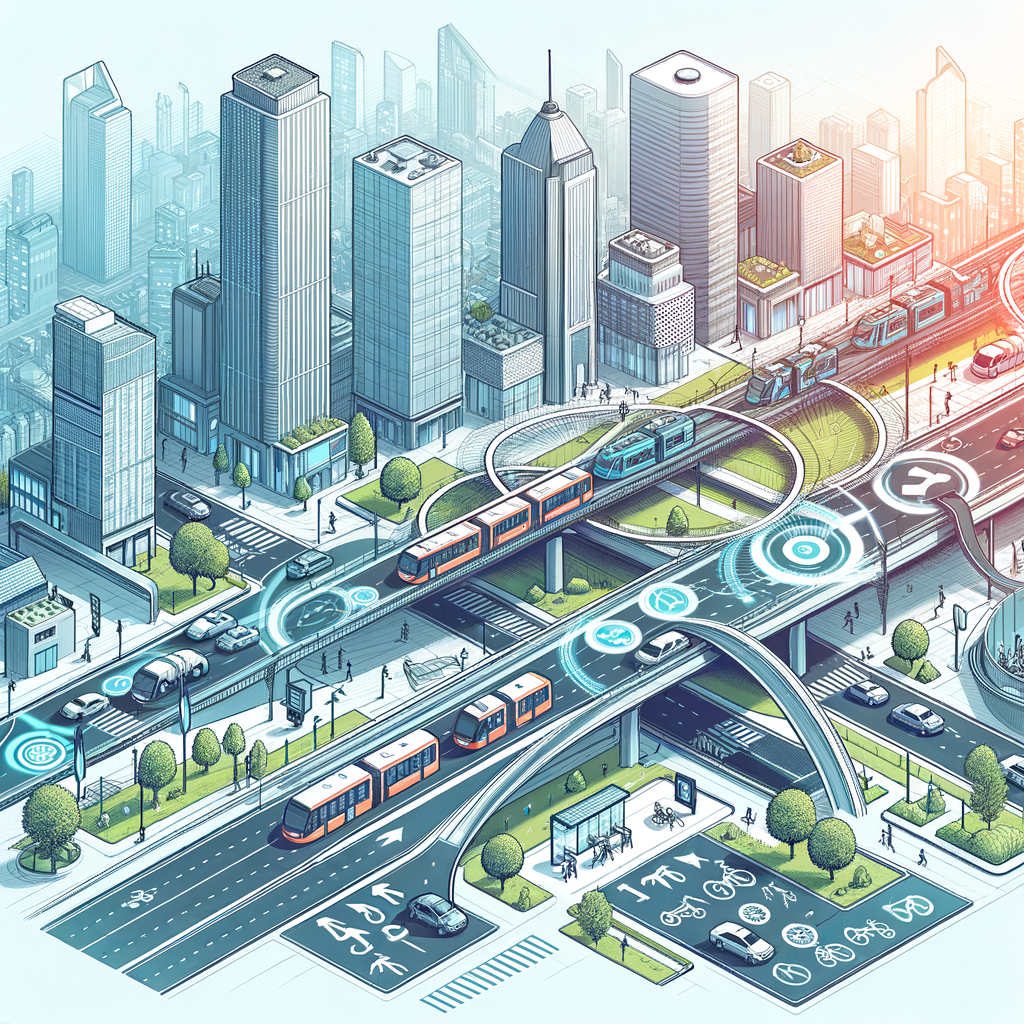
One of the most pressing issues in urban centers is traffic congestion. As the number of vehicles on roads increases, so do the levels of congestion and pollution. Innovative transport solutions are a fundamental aspect of addressing this challenge. Cities like Amsterdam and Copenhagen have long been heralded as innovators in promoting alternative modes of transport, such as cycling. By investing in extensive bike lane networks and bike-sharing programs, these cities have managed to reduce reliance on cars, lower emissions, and promote healthier lifestyles.
Moreover, smart traffic management systems have been implemented in cities like Singapore. Combining real-time traffic monitoring with AI-driven analytics, these systems can manage traffic flow more efficiently. This has resulted in reduced commute times and enhanced road safety. By adopting similar technologies, cities worldwide can mitigate congestion, improve air quality, and create more pedestrian-friendly environments.
Affordable Housing and Urban Density
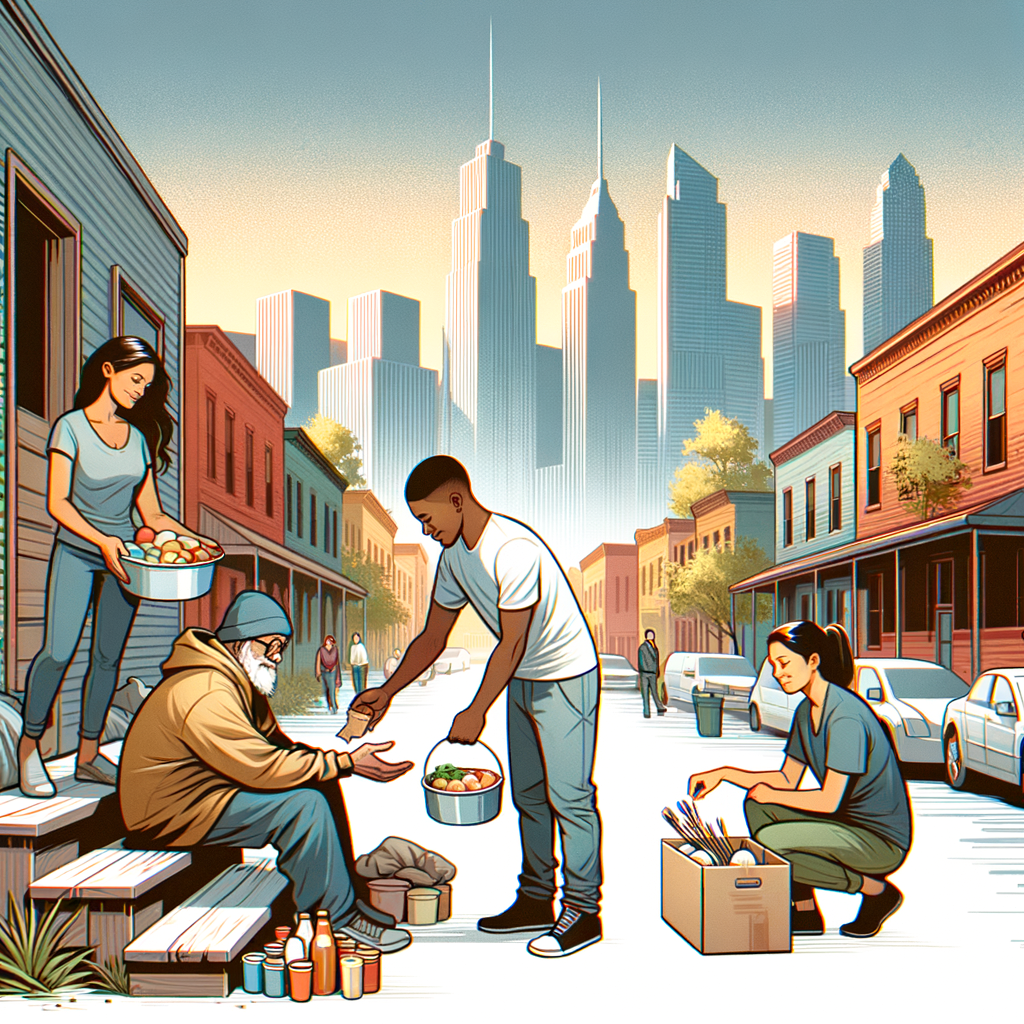
Another critical urban challenge is providing affordable housing in densely populated cities. As urban populations grow, the demand for housing often outpaces supply, leading to increased costs and, in some cases, homelessness. One innovative approach to address this challenge is modular housing. Modular housing involves the construction of prefabricated residential units that are then assembled on-site. This method is faster, more cost-effective, and can be designed to be eco-friendly.
For instance, cities like Vienna have adopted innovative housing cooperatives that combine public and private investments to develop mixed-income housing projects. These cooperatives provide affordable living spaces and are designed with communal spaces to foster community cohesion, representing an efficient use of urban space while ensuring that projects remain sustainable and inclusive.
Smart Waste Management
Urban areas generate massive amounts of waste daily, and efficient waste management is critical to maintaining clean and healthy environments. Innovative technologies have revolutionized waste management by enabling smarter collection and processing systems. One such example is the use of IoT sensors in smart trash bins, implemented in cities like Seoul. These sensors monitor waste levels and optimize waste collection routes, reducing unnecessary trips, conserving energy, and lowering operational costs.
- Implementation of IoT sensors in trash bins
- Optimization of waste collection routes
- Reduction in energy consumption and costs
- Pioneered in cities such as Seoul
Additionally, waste-to-energy systems are being deployed to convert refuse into energy. For instance, Sweden has become famous for its waste-to-energy programs, which have helped reduce landfill waste to almost zero. By adopting these innovative technologies, cities can manage waste more efficiently, contribute to sustainability goals, and even transform waste into a resource.
Enhancing Public Health Through Technology
Urban living can often lead to adverse health impacts due to pollution, overcrowding, and limited access to healthcare services. Innovative solutions play a crucial role in enhancing public health within urban areas. Telemedicine, which became more prevalent during the COVID-19 pandemic, allows citizens to access healthcare services remotely. This technology reduces the strain on physical healthcare facilities and provides equitable health services to residents, especially those in underserved communities.
Another innovation is the creation of urban green spaces that promote mental well-being and physical health. Cities like Singapore have integrated green rooftops and vertical gardens, which not only beautify urban landscapes but also help lower temperatures, improve air quality, and encourage outdoor activities. By focusing on such multidisciplinary solutions and leveraging technology, urban centers can improve public health outcomes and create healthier living environments.
Urban Resilience and Disaster Management
As climate change continues to pose significant threats to urban environments, cities must become more resilient to natural disasters and extreme weather events. Innovations in disaster management and urban resilience are pivotal in mitigating these threats. One important approach is the development of resilient infrastructure, such as elevated buildings and flood barriers in flood-prone areas.
Furthermore, the use of GIS mapping and data analytics enables cities to plan more effectively for disaster scenarios by identifying vulnerable areas and optimizing resource allocation during emergencies. For example, New York City has developed comprehensive flood maps and resilient infrastructure plans after the devastating effects of Hurricane Sandy. By promoting innovative resilience strategies, cities can protect their inhabitants and critical infrastructure from the impacts of climate change.
Promoting Social Equity Through Technology
Urban challenges are not only physical but also social, with issues such as inequality and access to resources often exacerbated in cities. Innovative technologies can provide solutions that promote social equity. Access to high-speed internet and digital services is becoming increasingly important in bridging the digital divide. Municipal Wi-Fi initiatives in cities like New York provide free internet access to residents, enabling them to participate in the digital economy and access essential services.
Additionally, innovative public engagement platforms amplify local voices and encourage inclusive urban planning. For instance, Barcelona’s Decidim.org platform allows citizens to actively participate in local government decisions, ensuring that a diverse range of voices contributes to the urban development process. This democratization of urban planning empowers communities and ensures that development is equitable and representative.
Summation and Call-to-Action
Innovation stands as a cornerstone in confronting and overcoming the multifaceted challenges faced by urban centers globally. As we have explored, innovative solutions in transportation, housing, waste management, health, resilience, and social equity can considerably enhance the quality of life in urban environments. These advancements not only address immediate issues but also set the stage for future sustainable urban growth. The key takeaway for urban stakeholders—whether they be planners, policymakers, or residents—is the importance of embracing and implementing such innovations to create cities that are not only smarter but also more inclusive and adaptable to future needs.
Given the increasing urban population and mounting pressures on city resources, it is crucial for urban leaders to actively encourage innovative thinking and solutions. This involves investing in research, fostering public-private partnerships, and prioritizing innovations that address both the systemic and surface-level issues facing urban areas. As citizens, active participation in urban discourse and support for innovative initiatives can drive this progress further. Now is the time to champion and integrate innovation into the very fabric of urban planning and development, paving the way toward cities that are equipped to handle tomorrow’s challenges with efficiency and grace. Let us engage, innovate, and evolve for a sustainable urban future.
Frequently Asked Questions
1. What are some examples of innovation helping to solve congestion and pollution in urban areas?
Innovation in urban areas, especially with respect to congestion and pollution, has taken many exciting forms. One excellent example is the introduction of smart traffic management systems. These systems use real-time data from sensors and cameras to monitor traffic flow and reduce congestion by adjusting traffic signals accordingly. By optimizing traffic light timings, they can significantly cut down waiting times at intersections, which not only alleviates congestion but also reduces fuel consumption and emissions, thus addressing pollution.
Another notable innovation is the adoption of electric and autonomous vehicles. Electric vehicles reduce reliance on fossil fuels, thereby decreasing air pollution. Autonomous vehicles promise to optimize routes and improve traffic flow, reducing the likelihood of congested roadways. Urban areas are also exploring car-sharing platforms and incentivizing the use of bicycles and public transportation to further cut down on the number of vehicles on the road, thus improving urban mobility in sustainable ways.
2. How can innovation contribute to solving housing shortages in cities?
Addressing housing shortages through innovation involves embracing new construction methods and materials. Prefabricated housing is an innovative solution that allows for faster and more affordable home construction. With construction done off-site, these homes can be quickly assembled on-site, cutting building times significantly which helps meet the housing demand efficiently.
Moreover, urban planners and architects are looking at innovative design techniques, such as micro-apartments and modular housing solutions, to make the best use of limited urban spaces. These designs maximize functionality while minimizing space usage. In addition, smart homes equipped with Internet of Things (IoT) devices help in energy conservation and ensure houses are eco-friendlier, addressing both space and environmental concerns in urban housing.
3. Which innovative methods are being used to improve public services in urban areas?
Public services in urban areas are being transformed through digital platforms and e-government services. By digitizing administrative processes such as licensing, taxation, and public records, governments can streamline operations and enhance accessibility for citizens. This reduces time spent in traditional bureaucratic processes and makes public services more efficient.
Smart city initiatives also play a significant role by equipping cities with intelligent sensors and data analytics. This technology enables city officials to monitor water and energy usage in real-time, optimize waste collection routes, and respond promptly to emergencies. Furthermore, mobile apps and online dashboards provide citizens with real-time information on public transport schedules, civic issues, and government services, promoting engagement and transparency.
4. How have innovations in urban areas impacted the quality of life for residents?
Innovations in urban areas have greatly enhanced the quality of life by improving accessibility, environment, and overall living conditions. Improved transportation systems, through innovations like metro expansions, efficient bus rapid transit (BRT) systems, and pedestrian-friendly initiatives, make commuting less stressful and more predictable, saving residents time and improving mobility.
Environmental sensors to monitor air quality and noise levels help cities take preemptive measures against pollution, significantly contributing to healthier living environments. Moreover, the integration of green spaces and vertical gardens within city landscapes has not only beautified urban areas but also contributed to mental and physical well-being by providing residents with accessible nature retreats within urban settings.
Furthermore, the utilization of smart technology in homes and public spaces has enhanced safety and convenience for urban dwellers, fostering communities that are not only functional but also supportive and engaging.
5. How are innovative technologies being funded and supported in urban areas?
The funding and support for innovative technologies in urban areas come from a variety of sources. Governments often allocate budgets and establish special grants to encourage research and development of smart city technologies. These initiatives are sometimes part of larger national strategies to promote sustainability and innovation across sectors.
Public-private partnerships play a critical role as well, with tech companies collaborating with municipalities to develop and implement new technologies. Such partnerships offer a unique advantage as they combine public sector goals with private sector expertise and efficiency.
Moreover, international organizations and non-governmental organizations (NGOs) often provide financial resources and expertise to foster innovation in developing urban regions. This support helps cities pursue pilot projects and scalable solutions that can later be rolled out more widely. Crowdfunding and social impact investment are also emerging as valuable alternative funding mechanisms that harness the support of communities and individuals passionate about urban development and innovation.