Managing urban growth while ensuring sustainable development is a critical challenge in the modern era. As global populations increase, cities are expanding at unprecedented rates. This urban expansion brings with it a range of issues that need to be addressed to create livable, equitable, and environmentally friendly spaces. Sustainable urban development seeks to balance the growth dynamics of cities with the need to preserve environmental integrity, social equity, and economic viability. Urban planners, policymakers, and community stakeholders are tasked with developing strategies that foster sustainable growth, ensuring cities can support growing populations without depleting resources or degrading natural systems.
The principles of sustainable development are integral to contemporary urban planning. These principles emphasize long-term strategies that meet the needs of the present without compromising the ability of future generations to meet their own needs. This includes reducing carbon footprints, promoting green infrastructure, and ensuring social inclusivity. Urban growth management extends beyond managing physical expansions and includes governing transportation systems, housing, economic activities, and social services.
Sustainable urban development involves creating efficient land use patterns, cultivating sustainable public transport systems, implementing green building practices, and engaging communities in the development process. It promotes resilience against climate change and seeks to reduce urban sprawl. As cities grow, they must seek innovative solutions to integrate sustainability into their growth strategies. By understanding and implementing effective sustainable development practices, urban areas can mitigate adverse environmental impacts, promote efficient land utilization, and enhance quality of life for all residents.
Navigating the complexities of urban growth requires a multidimensional approach. As such, this article explores a variety of sustainable development practices applied in different urban contexts. By examining strategies that have been effective around the world, we can glean insights that are applicable in diverse urban settings.
Sustainable Urban Planning
Sustainable urban planning forms the bedrock of managing urban growth effectively. At the core of sustainable planning is the integration of land use and transportation planning, both of which are pivotal in controlling urban sprawl and improving accessibility. Land use planning involves making decisions about the allocation of land to various uses, balancing between residential, recreational, commercial, and industrial purposes. By creating a mix of uses, cities can reduce the need for long commutes, thus lowering greenhouse gas emissions and energy consumption.
Planners utilize various tools and policies, such as zoning regulations, to guide urban development and control the density and nature of future growth. Mixed-use zoning is one approach that promotes diversity of uses in proximity, allowing neighborhoods to thrive by having amenities and residences close together. This not only reduces the dependency on vehicles but also enhances community interaction and social cohesion.
Public Transportation and Mobility Solutions
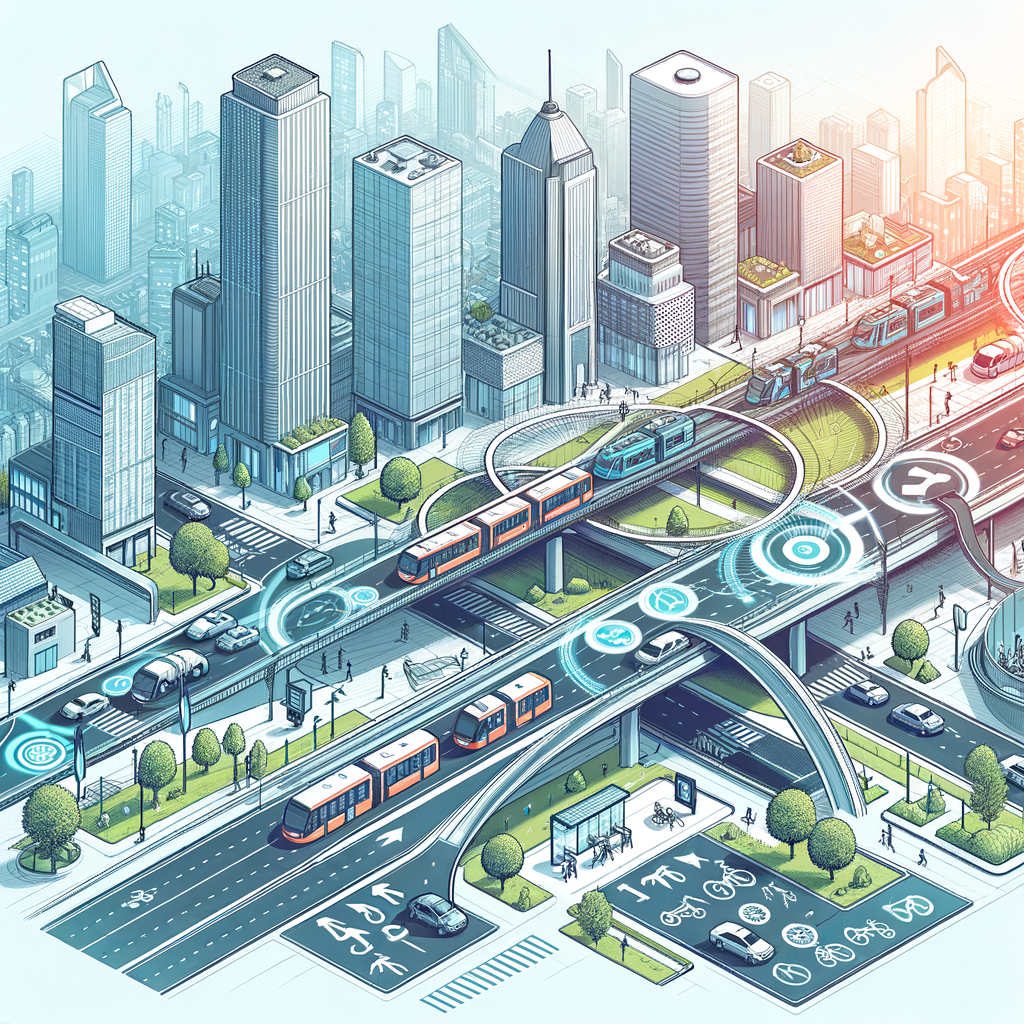
Efficient public transportation is a cornerstone of sustainable urban growth. By providing reliable, accessible, and affordable mobility options, cities can reduce traffic congestion and minimize environmental pollution. Implementing effective public transit systems that include buses, trains, and trams is crucial for promoting sustainable urban development.
Investment in public transportation infrastructure is necessary to ensure broad coverage and connectivity across metropolitan areas, facilitating ease of movement for residents and reducing automobile dependency. Cities worldwide are increasingly exploring innovative transit solutions, such as bus rapid transit systems and integrated transit networks that combine different modes of transport to offer comprehensive service to urban dwellers.
Cycling and pedestrianization are also key components of sustainable mobility. Cities are building and upgrading cycling infrastructure, creating bike-sharing schemes, and pedestrianizing central streets to improve walkability and encourage alternative modes of transport. Such initiatives not only aid in traffic decongestion but also promote healthier lifestyles and communities.
Green Infrastructure and Nature-Based Solutions
Green infrastructure and nature-based solutions offer a sustainable approach to managing urban growth while addressing environmental challenges. Green infrastructure refers to the interconnected network of natural and semi-natural areas designed to deliver a wide range of ecosystem services. This can include green roofs, urban forests, parks, and wetlands.
Implementing green infrastructure minimizes the adverse effects of urban heat islands, manages stormwater effectively, and increases urban biodiversity. Parks and green spaces are essential for improving urban air quality and providing residents with recreational spaces that promote physical and mental well-being. Nature-based solutions like rain gardens and permeable pavements reduce flood risks while replenishing groundwater.
Urban planning that incorporates green spaces and incorporates nature in the urban environment can create more resilient cities. By preserving natural habitats and integrating them within urban fabric, cities enhance their climate resilience, reduce pollution, and ensure a high quality of life for their inhabitants.
Energy Efficiency and Sustainable Building Practices
Promoting energy efficiency and adopting sustainable building practices are vital for achieving sustainable urban growth. Green building standards and certifications, such as Leadership in Energy and Environmental Design (LEED), encourage the construction and renovation of buildings using environmentally friendly materials and sustainable technologies.
Energy-efficient buildings reduce energy consumption through improved insulation, energy-efficient appliances, and the integration of renewable energy sources. Reducing energy use not only lowers greenhouse gas emissions but also results in cost savings for occupants and contributes to overall sustainability efforts.
Urban developers are adopting smart building technologies and materials that improve energy efficiency and reduce the carbon footprint. This includes the implementation of solar panels, rainwater harvesting systems, and passive design techniques that leverage natural lighting and ventilation. Cities are also incentivizing retrofits of older buildings to improve their energy performance, thus enhancing the overall sustainability of the urban environment.
Community Participation and Social Inclusivity
Community participation is a critical element in implementing sustainable urban growth practices. Engaging residents in the planning process fosters buy-in and ensures development aligns with local needs and aspirations. Urban planners and policymakers are increasingly recognizing the importance of participatory governance mechanisms to involve community stakeholders in decision-making.
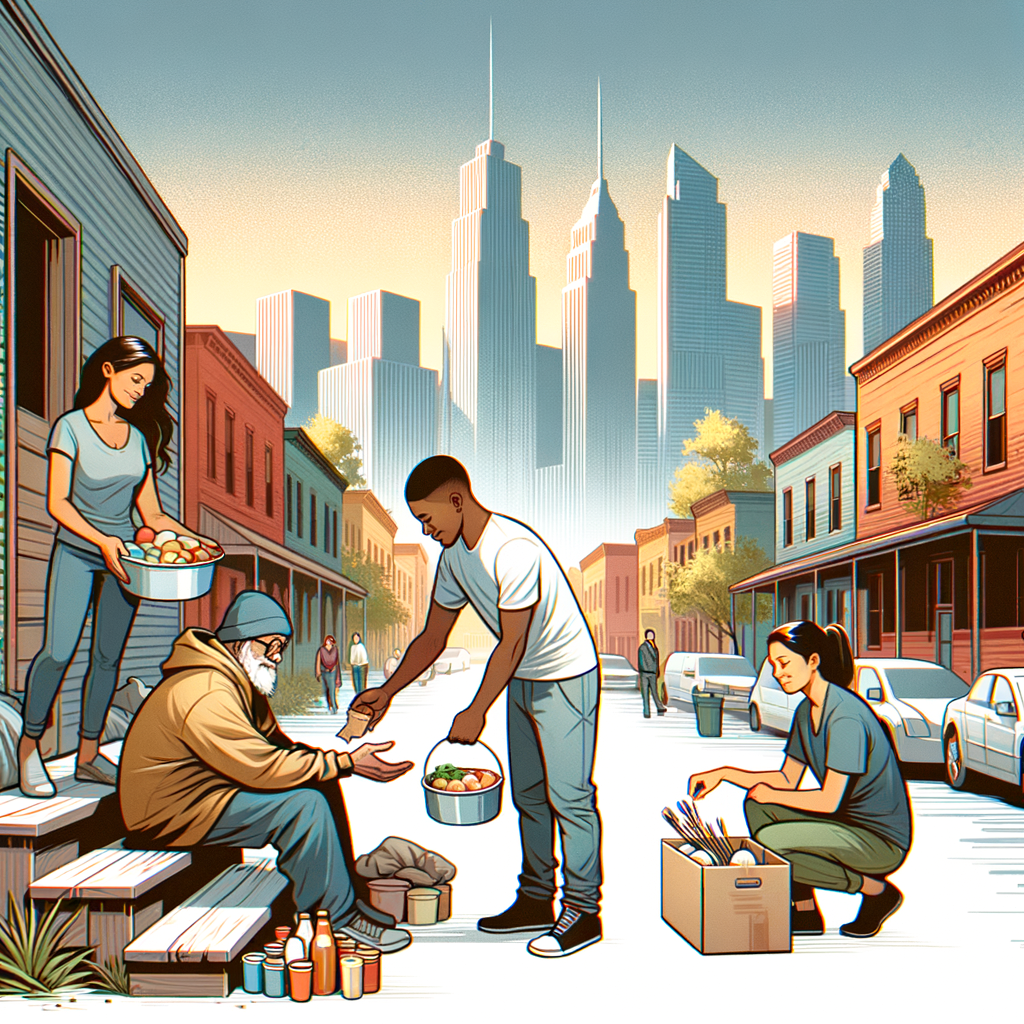
Social inclusivity in urban development ensures marginalized and vulnerable groups are not left behind in the growth process. Cities are adopting inclusive policies that prioritize affordable housing, equitable access to resources, and the provision of social amenities. This involves participatory schemes that allow community members to actively engage in shaping policies and initiatives that directly impact their lives, thereby creating inclusive and resilient urban spaces.
Participatory planning processes encourage transparency and accountability, ensuring that development decisions address diverse voices and concerns. By fostering social cohesion and equity, cities can create vibrant communities that support the well-being of all their inhabitants.
Technological Innovations and Smart City Solutions
Technological innovations are key drivers of sustainable urban growth. Emerging technologies such as the Internet of Things (IoT), artificial intelligence, and data analytics offer opportunities to optimize urban systems and enhance sustainability. Smart city solutions can enhance the operation of transportation networks, improve energy efficiency, and facilitate waste management.
Smart city initiatives deploy sensors and data platforms to monitor urban environments, providing real-time data to city officials for decision-making. These technologies enable cities to optimize energy use, reduce emissions, and enhance public service delivery. For instance, smart grids help balance energy consumption, while intelligent traffic management systems reduce congestion and improve air quality.
As cities embrace technology, they are developing smart infrastructure that supports sustainable growth. By integrating smart solutions into urban planning, cities can become more resilient, adaptive, and efficient, ultimately enhancing the urban quality of life and driving sustainability.
Conclusion
In conclusion, managing urban growth through sustainable development practices is essential for fostering resilient, livable, and vibrant cities. With urban populations increasing, cities must adopt comprehensive strategies that address environmental, social, and economic challenges. By implementing sustainable urban planning, promoting efficient transportation, utilizing green infrastructure, embracing energy efficiency, and engaging communities, cities can guide their growth while preserving resources and enhancing the quality of urban life.
As cities adapt to the global challenges of climate change and resource scarcity, sustainable development becomes not just a goal but an imperative. Policymakers, planners, and community leaders must work collaboratively to ensure that urban growth aligns with sustainable principles, creating environments that are inclusive, equitable, and sustainable. The deployment of green technologies and smart city solutions will continue to play a crucial role in this transformation.
Ultimately, sustainable urban growth relies on a deep commitment to balancing the needs of people, the planet, and prosperity. As we look to the future, cities that embrace sustainable development practices will be best positioned to thrive in an increasingly urbanized world, setting examples for others to follow. With strategic planning and community-focused policies, sustainable urban growth can become a reality, providing benefits for current and future generations.
Frequently Asked Questions
1. What is sustainable urban development and why is it important?
Sustainable urban development is a holistic approach to city building and management that seeks to meet the needs of the present without compromising the ability of future generations to meet their own needs. It is vitally important because as cities grow rapidly, they face a myriad of challenges such as increased pollution, resource depletion, social inequality, and environmental degradation. By focusing on sustainability, cities can enhance the quality of life for all residents, ensure resource efficiency, and maintain ecological balance. Sustainable practices help create resilient communities that can adapt to changing conditions and continue to thrive economically, socially, and environmentally. This is essential in our increasingly urbanized world.
2. What are some common strategies used in managing urban growth sustainably?
There are several strategies commonly employed to manage urban growth sustainably. One effective strategy is the implementation of smart growth principles, which emphasize mixed land uses, compact building designs, and diverse, walkable neighborhoods. Urban planners also often utilize green infrastructure, like parks and green roofs, which help manage stormwater, reduce urban heat, and improve air quality. Additionally, advancing public transportation networks and encouraging active transportation such as biking and walking reduce reliance on automobiles and decrease carbon emissions. Zoning regulations and urban boundary policies are implemented to control urban sprawl while preserving natural landscapes and agricultural lands. Moreover, adopting technology and innovation, such as smart city solutions, can optimize resource use and improve quality of life.
3. How does urban growth impact social equity and how can sustainable development help?
Urban growth can impact social equity in several ways. Rapid expansion without proper planning often leads to increased social disparities, where marginalized groups might find themselves excluded from basic services, faced with inadequate housing, or lacking access to quality education and healthcare. Sustainable development addresses these issues by striving for inclusive growth that benefits all city residents. It emphasizes affordable housing projects, creating employment opportunities in development zones, and ensures that urban planning processes involve public participation. By integrating social policies that promote equity and fairness, sustainable urban development helps create inclusive societies where everyone has the opportunity to thrive. Additionally, community-based planning and decision-making processes can empower residents, giving them a voice in shaping the development of their neighborhoods.
4. What role does technology play in supporting sustainable urban growth?
Technology plays a crucial role in supporting sustainable urban growth by providing innovative solutions to many urban challenges. Smart city technologies, for instance, use data analytics to optimize energy use, improve traffic flow, enhance waste management, and ensure efficient water distribution. IoT (Internet of Things) devices, such as sensors, are used to monitor environmental conditions, reducing the carbon footprint and improving air quality. Moreover, digital platforms facilitate better communication and engagement with residents, helping city officials to make informed decisions based on real-time feedback and data. Renewable energy technologies like solar and wind power contribute to the development of low-carbon cities. Furthermore, technology in urban mobility, such as electric public transport and shared mobility services, reduces the need for personal vehicles and helps in cutting down emissions.
5. What are some examples of cities successfully managing urban growth sustainably?
Several cities around the world have successfully managed urban growth sustainably and serve as exemplary models. For instance, Copenhagen in Denmark is world-renowned for its commitment to becoming carbon neutral by 2025. The city has invested heavily in renewable energy, pedestrian and cycling infrastructure, and urban green spaces. Similarly, Singapore has implemented a comprehensive urban planning strategy that includes managing waste efficiently, extensive public transport networks, and water sustainability efforts, such as rainwater harvesting systems. Vancouver in Canada has an ambitious Greenest City Action Plan, focusing on reducing greenhouse gas emissions, promoting community gardens, and preserving its natural beauty. Curitiba in Brazil is often cited for its innovative public transportation system and urban planning initiatives that focus on affordability and accessibility for all its citizens. These cities demonstrate that with the right policies and community involvement, managing urban growth sustainably is achievable and beneficial.