Urban sprawl, a term referring to the uncontrolled expansion of urban areas, has emerged as a pressing concern for city planners, environmentalists, and communities worldwide. This sprawling growth pattern is characterized by low-density residential development, increased reliance on vehicles, and the encroachment of urban structures into rural and natural areas. The consequences are manifold: environmental degradation, loss of wildlife habitats, increased air pollution, and a decline in the quality of life for urban dwellers. As cities continue to grow, and the demand for housing and infrastructure escalates, the need for effective strategies to contain urban sprawl becomes increasingly urgent. In this article, we delve into the underlying causes of urban sprawl, its detrimental impacts, and a range of strategic measures that can be employed to manage and contain this phenomenon. By adopting a combination of policy frameworks, community engagement, and sustainable urban planning practices, it is possible to minimize the adverse effects of urban sprawl while accommodating the inevitable growth of urban populations.
The Causes of Urban Sprawl
Urban sprawl is primarily driven by a combination of economic, demographic, and cultural factors. One significant cause is the increasing demand for housing, often spurred by population growth and migration patterns that favor urban areas. As cities attempt to accommodate burgeoning populations, they are pushed to extend their boundaries into neighboring rural areas. Additionally, the lack of affordable housing in city centers forces many individuals and families to seek residences in suburban locales.
The widespread availability and use of automobiles further exacerbate urban sprawl, as they enable individuals to live farther away from their workplaces and urban amenities. As a result, the necessity for public transportation diminishes, encouraging low-density development further from city centers. Economic incentives such as tax policies and land-use regulations often encourage the conversion of agricultural and undeveloped land into commercial and residential projects.
Cultural preferences also play a role, with many people seeking the perceived benefits of suburban living, such as larger homes, more space, and a connection with nature. These preferences, combined with policies that favor outward expansion, propel urban sprawl despite its negative consequences.
Impacts of Urban Sprawl
The consequences of urban sprawl manifest in multiple realms, from environmental to social and economic spheres. Environmentally, sprawling cities encroach on green spaces, wildlife habitats, and farmlands. The loss of these areas not only diminishes biodiversity but also contributes to issues such as soil erosion, disrupted water cycles, and increased greenhouse gas emissions. Additionally, the reliance on cars leads to more emissions, contributing to air and noise pollution.
Socially, the fragmented nature of urban sprawl often results in a lack of community cohesion and engagement. The dispersed nature of suburban living can lead to isolation, as people depend heavily on vehicles for communication and socialization, reducing face-to-face interactions. Moreover, this pattern of growth places stress on infrastructure and public services, causing inefficiencies and increasing costs, as cities must stretch their resources to cover widely spread populations.
Economically, urban sprawl can lead to increased public expenses due to the need for extended infrastructure such as roads, utilities, and emergency services. Furthermore, it can cause inefficiencies in transportation networks, with individuals spending more time commuting, leading to reduced productivity. The decentralization of commerce and business hubs challenges city economies, as revenue and foot traffic become diluted.
Strategies for Containment
Addressing urban sprawl requires a multifaceted approach, encompassing innovative policies, community involvement, and a shift towards sustainable urban planning. One effective strategy is the implementation of urban growth boundaries (UGBs), which confine urban development within designated areas. By containing expansion, UGBs encourage higher-density development within city limits, maximizing the use of existing infrastructure, and preserving outlying rural and natural areas.
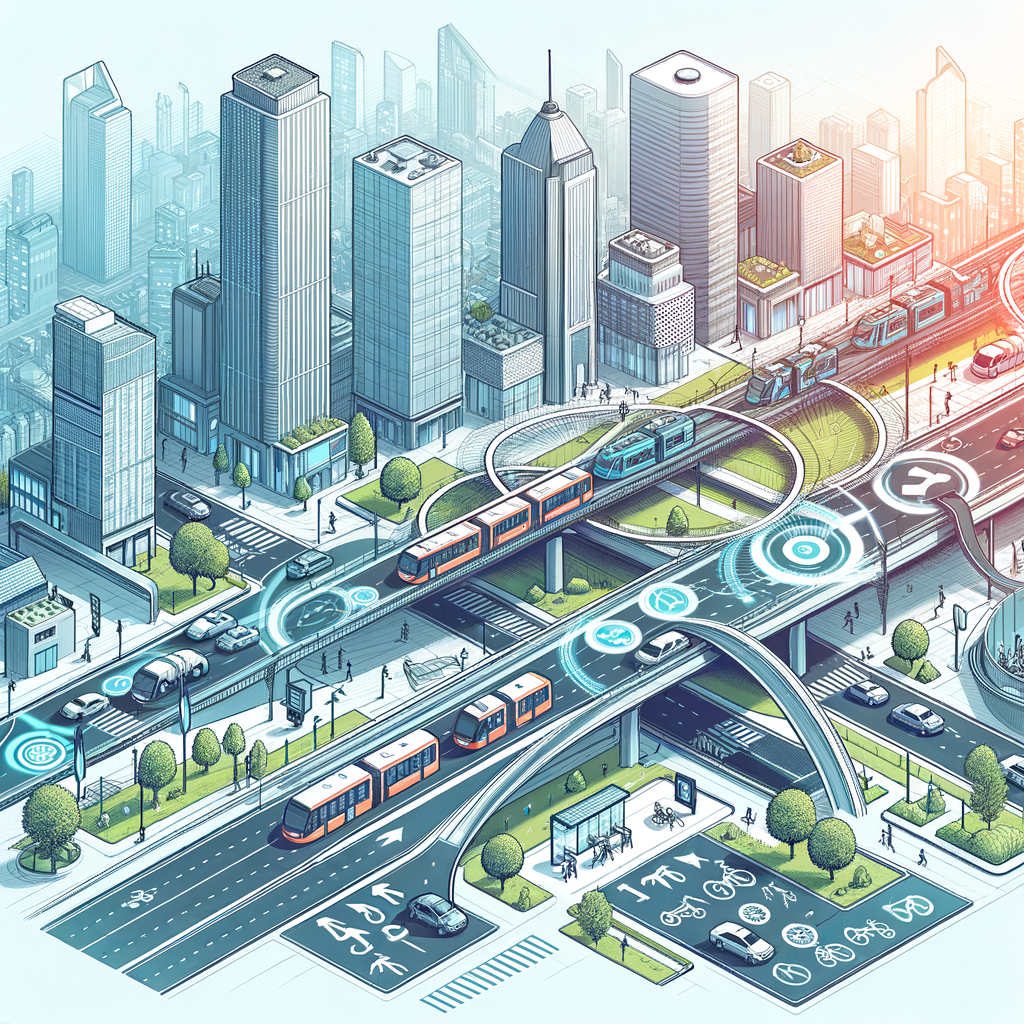
Transit-oriented development (TOD) promotes higher-density residential and commercial spaces near public transportation hubs. By ensuring that transportation options are accessible, TOD effectively reduces the reliance on private vehicles, limiting the spatial spread of cities. Investing in comprehensive public transit networks not only curbs sprawl but also enhances the quality of urban life, offering efficient and affordable alternatives to driving.
Policy reforms that incentivize infill development and the repurposing of underutilized urban areas can mitigate sprawl. By prioritizing the redevelopment of vacant or underused land within city limits, municipalities can curb their geographic expansion while reviving urban centers. Mixed-use zoning, which allows residential, commercial, and recreational spaces to coexist, fosters vibrant, walkable communities that enhance social interactions and reduce travel needs.
Public education and community engagement are crucial components of successful strategies. Educating citizens about the impacts of sprawl and involving them in planning processes can lead to more sustainable practices being adopted at the grassroots level. Encouraging community-driven initiatives creates a sense of ownership and responsibility among residents, helping to implement and maintain anti-sprawl measures.
Moreover, environmental policies that prioritize the preservation of green spaces and the protection of wildlife habitats can significantly contribute to sprawl containment. Creating buffer zones and ensuring that urban development integrates sustainable practices preserves biodiversity and maintains ecological balance.
Conclusion
Urban sprawl presents a significant challenge for modern urban development, demanding innovative and practical solutions to ensure sustainable growth and the preservation of natural environments. By understanding its underlying causes and impacts, policymakers, urban planners, and communities can collaborate to implement effective containment strategies. Urban growth boundaries, transit-oriented development, policy reforms promoting infill, community education, and environmental preservation are essential components in addressing this complex issue. As cities around the globe continue to evolve, integrating these strategies will not only curb urban sprawl but also enhance the quality of urban life, fostering balanced, resilient environments for generations to come.
Incorporating a comprehensive, multi-layered approach to managing urban sprawl highlights the necessity of proactive planning and community cooperation, ensuring that urban expansion is conducted in a manner that is both sustainable and beneficial to all. With determined efforts, it is possible to create urban landscapes that are environmentally sustainable, economically robust, and socially cohesive, setting a progressive stage for the future of urban living and development.
Frequently Asked Questions
What is urban sprawl and why is it a concern?
Urban sprawl is the uncontrolled and unplanned expansion of urban areas into rural and natural spaces, characterized by low-density residential development and increased reliance on vehicles for transportation. It is a significant concern because it can lead to numerous environmental, social, and economic issues. These include the degradation of ecosystems and loss of wildlife habitats as cities encroach upon natural areas. Moreover, urban sprawl contributes to air and noise pollution due to higher vehicle emissions and increases in traffic congestion. It also often leads to a decline in the quality of life for both urban and rural populations, as green spaces become scarce, and daily commutes become longer. The inefficient use of land seen with sprawl often results in higher infrastructure and service costs, like roads, sewage, and utilities, putting financial strains on local governments. All these factors combined make urban sprawl a multifaceted problem that needs addressing to ensure sustainable urban growth.
How can urban sprawl affect local wildlife and natural ecosystems?
The impact of urban sprawl on local wildlife and natural ecosystems can be quite severe. As cities expand, natural habitats are often fragmented or completely destroyed, leading to a loss of biodiversity. Species that depend on specific environments may face extinction if those areas are overtaken by development. Furthermore, the fragmentation of habitats can block wildlife corridors, making it more difficult for animals to find food, mates, or new territory. This can lead to a reduction in genetic diversity and weakened resilience against diseases and environmental changes. Additionally, sprawl increases the chances of human-wildlife conflicts, as animals may intrude into newly developed urban spaces in search of food and shelter, leading to potential harm to both wildlife and humans. The introduction of non-native plant species with landscaping in suburban areas can also alter local ecosystems, sometimes outcompeting native flora and negatively impacting the insects and animals that depend on them.
Why does urban sprawl lead to increased air pollution?
Urban sprawl often results in increased air pollution primarily due to greater reliance on vehicles. In sprawling urban developments, homes are spread out, and essential services like schools, workspaces, and shopping centers are often located far from residential areas. This necessitates the use of personal vehicles for almost every trip, significantly increasing the number of vehicles on the road. The heightened vehicle mileage results in greater emissions of pollutants such as carbon monoxide, nitrogen oxides, and particulate matter, contributing heavily to air pollution. Moreover, the additional roads and infrastructure required to support sprawling communities often lead to deforestation, reducing the capacity of the environment to absorb carbon emissions. Instead of compact, walkable urban centers where public transportation is a viable option, individuals in sprawling suburbs tend to drive longer distances, amplifying the polluting effects in and around urban areas.
What are some strategies to effectively contain urban sprawl?
To effectively contain urban sprawl, a multifaceted approach that includes policy, planning, and community involvement is essential. One key strategy is the implementation of smart growth policies which focus on creating compact, transit-oriented, walkable, and bike-friendly urban spaces. By promoting higher-density housing and mixed-use development, cities can maximize the efficiency of land use and reduce reliance on cars. Greenbelt policies, which restrict urban development in designated areas around a city, can help preserve natural spaces and prevent encroachment onto rural land. Involving community members in the planning process ensures that developments meet resident needs while promoting sustainability. Investment in reliable and efficient public transportation systems can make inner-city living more attractive, reducing the demand for suburban expansion. Finally, offering incentives for the reuse and redevelopment of existing urban land can encourage infilling and repurposing underutilized areas within city boundaries, curbing the spread of development beyond existing urban limits.
How can communities participate in addressing urban sprawl?
Communities play a pivotal role in addressing urban sprawl through active participation in local planning initiatives and advocacy. Residents can stay informed about local developments and attend city council meetings or public forums where urban planning issues are discussed. By expressing concerns and preferences directly to decision-makers, community members can influence the direction of urban growth in their areas. Participation in local zoning discussions allows residents to advocate for higher-density, mixed-use developments that support community values and reduce sprawl. Forming or joining local advocacy groups focused on sustainable development practices can amplify voices and bring more attention to the consequences of unchecked sprawl. Additionally, communities can support and promote the use of and investment in public transportation alternatives, making it a viable choice over personal vehicle use. By fostering a culture of sustainability and encouraging collective action, communities can help guide developments towards more sustainable practices, ensuring the preservation of both quality of life and the environment.