Urban centers around the globe are grappling with the persistent challenge of traffic congestion, a problem that not only causes frustration for commuters but also has significant economic, environmental, and social impacts. As our cities continue to grow, the demand for innovative mobility solutions has never been more urgent. In this exploration, we will delve into the multifaceted issue of traffic congestion and investigate cutting-edge urban mobility solutions designed to address these challenges. From intelligent transportation systems and sustainable public transit to the rise of micro-mobility and urban planning strategies, we will examine how cities can adopt innovative approaches to enhance traffic flow, reduce emissions, and improve the overall quality of life for urban dwellers. Join us as we uncover strategies and technologies that promise to transform the way we navigate our cities and rethink urban transport for a sustainable future.
Intelligent Transportation Systems
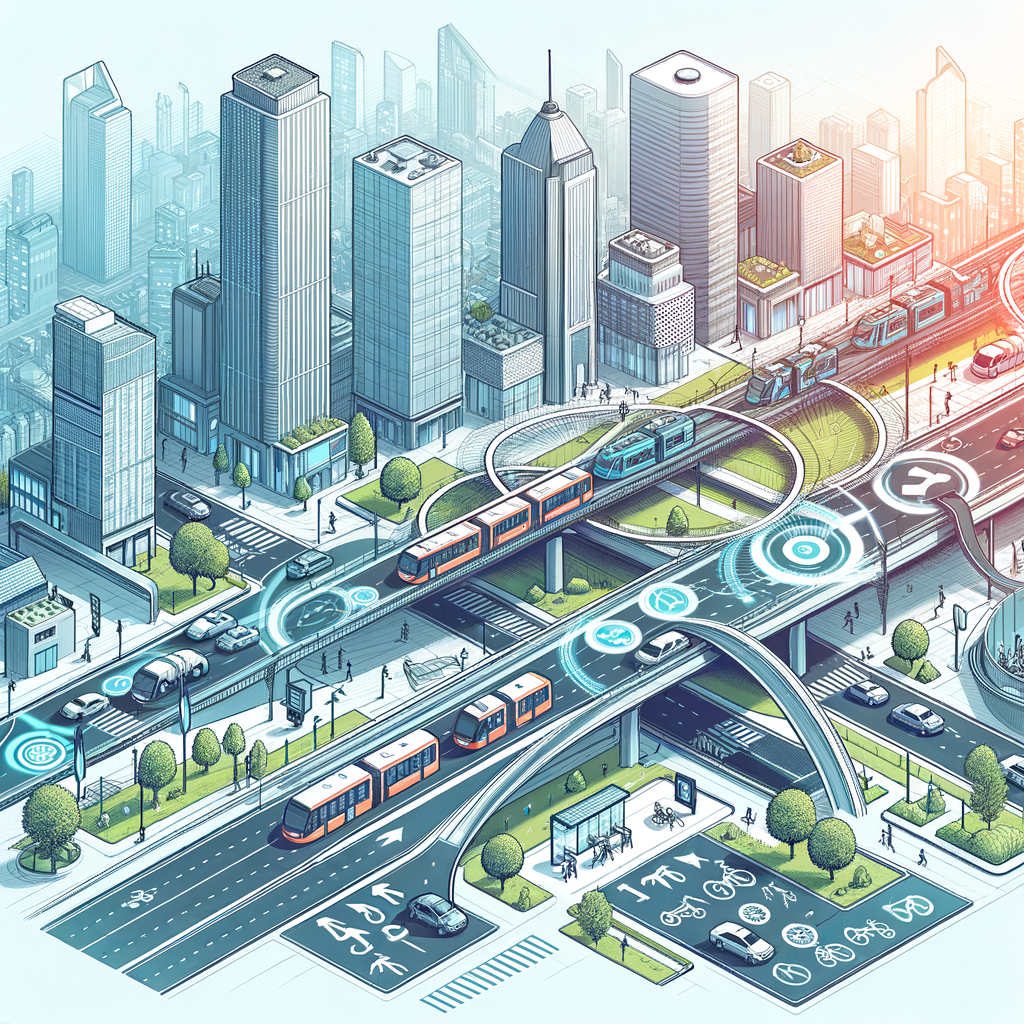
Intelligent Transportation Systems (ITS) are revolutionizing how cities manage traffic flow. These systems encompass a broad range of tools that use real-time data, advanced technologies, and communication systems to enhance traffic efficiency. Through the integration of sensors, cameras, and connected networks, ITS facilitate improved traffic management and provide instantaneous information to both operators and drivers. The key elements of ITS include adaptive traffic signal control, real-time traffic monitoring, and integrated information systems. These innovations ensure that traffic lights adapt to current traffic conditions, mitigating congestion in high-density areas and allowing for smoother commutes.
Furthermore, ITS can play a crucial role in incident management. By detecting accidents or road blockages promptly, authorities can dispatch emergency services and inform drivers through dynamic message signs or smartphone applications to minimize delays. Increasingly, ITS are integrating capabilities for vehicle-to-everything (V2X) communication, allowing for a more connected network of vehicles. This connectivity not only provides information on traffic conditions but also helps in optimizing routes and enhancing road safety.
Sustainable Public Transit
Sustainable public transit systems offer an effective solution for reducing urban congestion. Investments in eco-friendly transit options, such as electric buses and trams, help lower emissions and decrease dependency on fossil fuels. Additionally, expanding the reach of public transit networks ensures higher accessibility, encouraging a shift from private vehicle use to public transportation. High-frequency services, alongside reliable schedules, make public transit more appealing to urban residents, minimizing wait times and improving passenger experience.
The development of bus rapid transit (BRT) systems has proven successful in several cities in managing congestion. BRT systems function with dedicated lanes, enabling buses to bypass traffic snarls and provide a faster transit alternative. Another innovative concept is the transit-oriented development (TOD), promoting high-density living around transit stations. This model encourages public transit use by placing essential services and amenities within walking distance of stations, effectively reducing the overall traffic demand.
Micro-Mobility Solutions
Micro-mobility solutions, such as bicycles, electric scooters, and e-bikes, have become popular alternatives to traditional car commutes. These options represent a shift towards low-impact, flexible transport modes that cater to short-distance travel needs within urban environments. Micro-mobility offers numerous advantages, including minimal carbon footprint, cost-effectiveness, and the ability to navigate areas inaccessible to larger vehicles.
Cities are adopting strategies to accommodate micro-mobility, including establishing dedicated lanes and ensuring adequate parking or charging infrastructure. Many urban centers are also implementing shared-mobility programs, providing residents with easy access to bikes and scooters through mobile applications. This user-friendly approach not only expands transport options but also alleviates pressure on traditional public transit systems.
Urban Planning and Smart Growth
Strategic urban planning plays a crucial role in alleviating traffic congestion and promoting sustainable transport. By rethinking urban design and development, cities can manage population growth and reduce the necessity for long commutes. Smart growth initiatives focus on creating walkable communities that integrate residential, commercial, and recreational spaces. Encouraging mixed-use developments within urban centers reduces the dependency on personal vehicles, as residents have access to essential services within a short distance.
Another effective planning strategy is the implementation of congestion pricing. This approach incentivizes changes in travel behavior by charging fees for driving in high-traffic areas during peak hours. Congestion pricing not only dissuades unnecessary car use but also generates funds that can be reinvested into public transportation improvements, further enhancing urban mobility.
Conclusion
Traffic congestion remains a significant urban challenge, yet the solutions outlined here offer promising avenues to address these issues innovatively and sustainably. Intelligent transportation systems, sustainable public transit, micro-mobility solutions, and strategic urban planning all contribute to creating more efficient and livable cities. As urban centers embrace these technologies and approaches, there is great potential to transform how we navigate our environments, improving traffic management, reducing emissions, and enhancing the overall quality of urban life.
Forward-thinking cities are moving towards a future where transportation is not only functional but also serves to enrich urban living. By embracing innovative mobility solutions, cities can ensure that they remain viable and vibrant spaces that fulfill the needs of their residents while maintaining environmental and social sustainability. As we move forward, continued investment in these areas, coupled with collaborative governance, will be crucial in overcoming traffic congestion and building the smart cities of the future.
Frequently Asked Questions
1. What are the main causes of traffic congestion in urban areas, and how does it affect the city?
Traffic congestion in urban areas is primarily caused by an overabundance of vehicles on roads that were not designed to accommodate such high volumes. Other factors include inefficient public transportation systems, poor traffic management, accidents, street parking issues, and construction activities. Congestion affects cities economically by increasing fuel consumption, leading to higher transportation costs, and wasting time that could be utilised productively. Environmentally, it contributes to increased vehicle emissions, deteriorating air quality, and noise pollution. Socially, it elevates stress levels for commuters and can affect the overall quality of life by consuming time that could be spent with family or on leisure activities.
2. How can public transportation innovations help reduce traffic congestion?
Innovations in public transportation play a pivotal role in alleviating traffic congestion. By improving the efficiency, accessibility, and reliability of public transit systems, cities can encourage more people to opt for buses, trams, subways, and trains rather than personal vehicles. Innovations such as dedicated bus lanes, real-time transit tracking apps, and integrated ticketing systems make public transport more attractive and user-friendly. Additionally, the adoption of electric buses and trains reduces emissions, contributing to a healthier urban environment. Implementing ‘Park and Ride’ schemes can further facilitate the use of public transit by allowing commuters to park their vehicles on the outskirts of a city and use public transport to reach their destinations.
3. What role do smart traffic management systems play in reducing congestion?
Smart traffic management systems utilize technologies like artificial intelligence, data analytics, and IoT (Internet of Things) to optimize the flow of traffic in real-time. These systems can adjust traffic light timings based on current traffic conditions, guide drivers through dynamic digital signage, and provide up-to-date traffic information through apps and social media. Furthermore, smart systems can integrate with autonomous vehicles and contribute data to a city’s central system to ensure smooth transit and identify congestion trends. By anticipating and mitigating bottlenecks before they become issues, smart traffic systems are essential in creating efficient and responsive urban mobility networks.
4. How are bicycle and pedestrian-friendly urban infrastructure impacting traffic congestion?
Building bicycle lanes and pedestrian paths creates opportunities for people to leave their cars at home and choose healthier and more sustainable modes of transport. More cities are investing in networks of safe and connected cycling paths, pedestrian zones, and amenities like bike-sharing programs that encourage non-motorized transportation. Not only do these measures help reduce the volume of vehicles on the road, but they also promote healthier lifestyles and reduce the city’s carbon footprint. By prioritizing people over cars in certain areas, cities can create vibrant urban environments that make cycling and walking viable and appealing alternatives to vehicle use, thus significantly mitigating congestion.
5. Can carpooling and ridesharing apps truly make a difference in traffic congestion?
Carpooling and ridesharing apps have shown considerable potential in reducing traffic congestion by maximizing the capacity usage of each vehicle trip, thus decreasing the number of cars on the road. Platforms like Uber and Lyft encourage shared rides, especially during peak hours, leading to fewer single-occupancy vehicles. Carpooling initiatives like those offered within corporate campuses or community groups enable flexible, cost-effective commuting alternatives. These shared mobility solutions not only lessen road congestion but also reduce emissions and provide economical benefits to participants. As ridesharing technology evolves, the integration of AI for efficient route matching and scheduling will enhance their effectiveness in alleviating traffic volumes, particularly in urban centers where space and road real estate are at a premium.