Urban noise pollution is an ever-growing concern in today’s bustling cities. As urban areas continue to expand rapidly, the incessant cacophony of traffic, construction, and industrial activities becomes increasingly omnipresent, affecting both the environment and the well-being of city dwellers. Noise pollution in urban settings is more than just an inconvenience; it poses significant health risks, including increased stress, sleep disorders, cardiovascular issues, and even cognitive impairment. Given these severe implications, it is crucial to develop effective strategies for managing and mitigating this form of pollution to create more livable urban environments.
Cities worldwide are grappling with the repercussions of excessive noise, and while the challenges are formidable, they are not insurmountable. Understanding the nature of urban noise pollution and devising comprehensive solutions is essential for improving quality of life in metropolitan areas. This article will delve into the causes of urban noise pollution, the effects on human health and the environment, and explore various strategies for its mitigation and management. By examining these facets, city planners, policymakers, and residents can collectively work towards quieter, healthier cities.
Attacking this issue requires a multifaceted approach that incorporates scientific research, technological innovations, and community involvement. Urban noise pollution is not merely a technical challenge but also a social one, necessitating collaboration between various stakeholders. Hence, it is vital to adopt a holistic approach that encompasses regulation, planning, design, and education. In doing so, we can cultivate urban spaces that prioritize peace and tranquility amid urban life’s inevitable hustle and bustle.
Understanding Urban Noise Pollution
Urban noise pollution arises from an array of sources, both natural and man-made. Common contributors include vehicular traffic, industrial machinery, construction activities, public transportation systems, and recreational activities. Each source contributes uniquely to the overall noise landscape of a city, sometimes at alarming decibel levels.
Traffic noise is by far one of the largest contributors to urban noise pollution. Cities with high vehicle density and poorly planned road infrastructures experience significant noise levels, predominantly from engines, exhaust systems, and tire friction with the road surface. Public transport systems, including buses, trains, and subways, add another layer of noise that permeates urban soundscapes.
Construction activity, essential for urban development, often subjects residents to persistent loud noise over extended periods. The sounds generated by heavy machinery such as jackhammers, bulldozers, and cranes can cause significant disturbances, impacting both day and night. Industrial operations, though typically located away from residential areas, can still contribute to noise levels that affect nearby communities.
Naturally occurring urban noises, such as wind, rain, and animal sounds, also play a role, but their impact is minimal compared to human-made noise. Nevertheless, they can compound other noise sources, intensifying the overall auditory experience.
Understanding these sources is key to devising effective mitigation strategies. By identifying primary contributors, cities can implement targeted interventions to reduce their impact and improve urban living conditions.
Effects of Urban Noise Pollution
The consequences of urban noise pollution extend far beyond mere annoyance. Prolonged exposure to excessive noise can lead to numerous health problems, including hearing loss, hypertension, sleep disturbances, and increased stress levels. The World Health Organization has recognized noise pollution as a public health threat, underscoring its potential to diminish quality of life and well-being.
Hearing loss, though commonly associated with occupational hazards, can occur among urban residents constantly exposed to elevated noise levels. Persistent exposure to sounds above 85 decibels can cause permanent damage to auditory mechanisms, necessitating preventative measures to protect against such outcomes.
Cardiovascular health is also at risk due to noise pollution. Research indicates that chronic noise exposure correlates with higher blood pressure and increased incidence of heart attacks and strokes. Stress hormones triggered by loud environments contribute to these conditions, highlighting the need for quieter urban spaces.
Mental health suffers as well. Noise pollution can lead to heightened stress levels, irritability, and anxiety. It can also impair cognitive functions, affecting concentration and productivity. Moreover, chronic noise exposure can disrupt sleep patterns, leading to sleep deprivation-related health issues such as fatigue and weakened immune response.
The environmental impact of urban noise pollution should not be overlooked either. Wildlife adaptation and survival can be adversely affected, with noise interfering with communication, mating rituals, and predator-prey dynamics. These disruptions can cascade through ecosystems, demonstrating the far-reaching effects of noise pollution beyond human health concerns.
Strategies for Noise Mitigation and Management
To combat urban noise pollution effectively, a multifaceted approach is necessary. This involves a combination of regulatory measures, technological advancements, urban planning, and community engagement. Through comprehensive efforts, cities can reduce noise pollution and enhance their residents’ quality of life.
Regulatory Measures
Government regulations form the backbone of noise pollution management. Implementing strict noise control laws and setting permissible noise level standards are essential. These regulations can be tailored to different zones within a city, accounting for residential, commercial, and industrial areas’ unique needs. Enforcing these laws through regular monitoring and penalties for non-compliance can act as a powerful deterrent against excessive noise production.
Technological Innovations
Technology plays a pivotal role in noise reduction efforts. Innovations such as quieter road surfaces, noise-cancelling materials, and low-noise machinery are effective means of reducing source-based noise emissions. Electric vehicles, with their quieter engines, can help lower traffic noise significantly. Additionally, real-time noise monitoring systems can help authorities detect and address noise pollution hotspots promptly.
Urban Planning and Design
Sound urban planning and design principles can mitigate noise pollution by incorporating noise-reducing infrastructure such as green belts, noise barriers, and strategic development of open spaces. Planting trees and creating green spaces can absorb and deflect noise while providing aesthetic and ecological benefits. Well-designed buildings with noise-insulating materials can also curtail indoor noise levels.
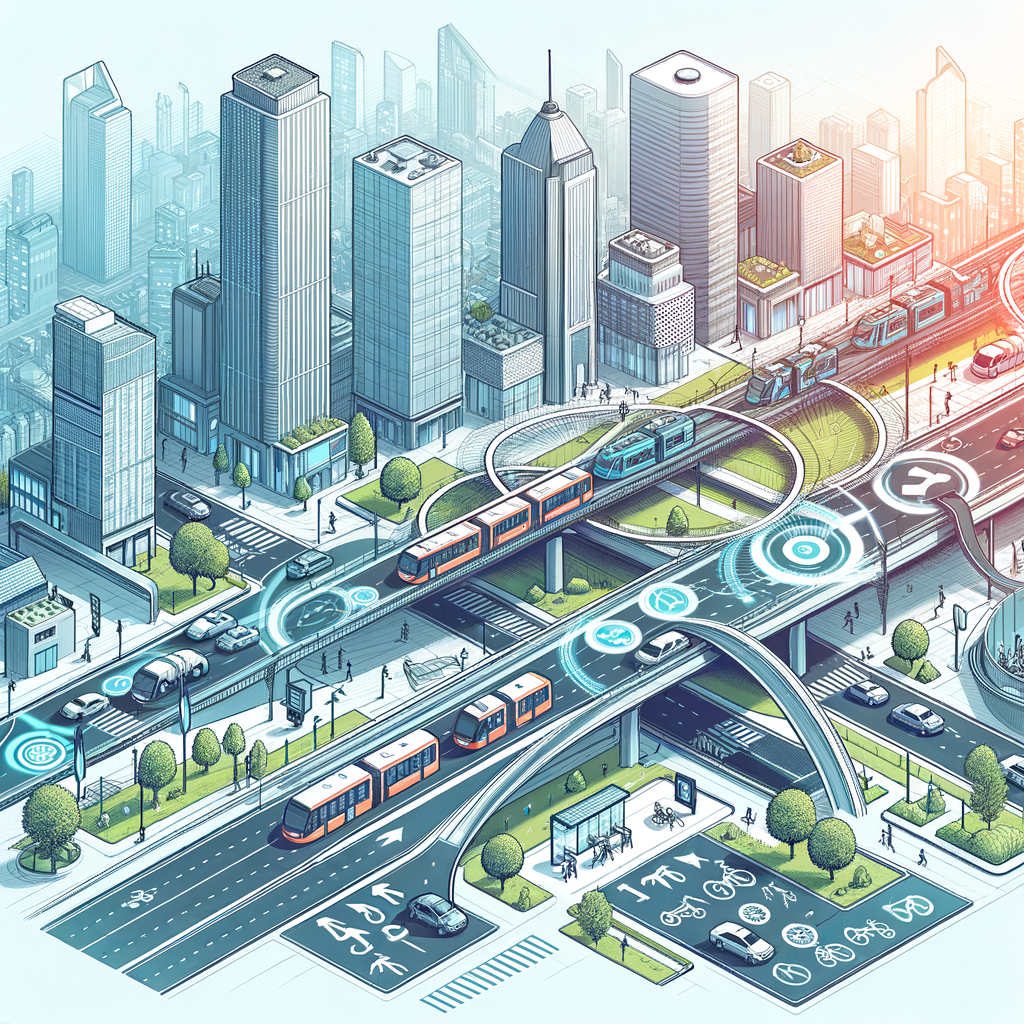
Designing quieter public transportation options, such as electric buses and trams, can significantly diminish noise pollution. Furthermore, creating car-free zones in dense urban areas can reduce vehicular noise, creating serene environments for residents and visitors alike.
Community Engagement
Community involvement is crucial in the fight against noise pollution. Public awareness campaigns can educate residents on noise pollution’s effects and how they can contribute to quieter urban spaces. Programs encouraging behavioral changes, such as reducing horn usage and the volume of personal audio equipment, can collectively lead to significant noise reductions.
Community members can also participate in noise monitoring and reporting, allowing authorities to identify and address issues proactively. Resident feedback and participation in local policymaking can foster a sense of ownership and responsibility towards reducing urban noise pollution.
Conclusion
Addressing urban noise pollution is a multifaceted challenge that requires ongoing commitment and cooperation among city planners, policymakers, and residents. A comprehensive understanding of urban noise sources and their impacts lays the foundation for effective management and mitigation strategies. By implementing a combination of regulatory measures, technological advancements, sound urban design, and community involvement, cities can make significant strides in reducing noise pollution.
While the task may seem daunting, the potential benefits of reducing urban noise pollution are profound. Improved public health, enhanced environmental quality, and increased urban livability are achievable outcomes that can transform cities into more harmonious living spaces. By prioritizing noise pollution as a critical issue and dedicating resources to its reduction, urban areas can enhance the quality of life for their residents, ensuring that the cacophony of city life does not overshadow the well-being of its inhabitants.
Ultimately, a coordinated, concerted effort to manage and mitigate urban noise pollution can lead to a healthier, more sustainable future for cities worldwide. By recognizing the urgency of this issue and taking decisive action, we can create urban spaces that harmonize human activity with the tranquility of a quieter, more peaceful environment.
Frequently Asked Questions
1. What causes urban noise pollution and why is it a problem?
Urban noise pollution is primarily caused by various human activities that are inevitable in city life. Think about the honking of traffic during rush hours, the constant humming of construction machinery working tirelessly to build new skyscrapers, and even the bustling racket from local nightlife. These noises may seem like just a part of urban charm, but they can be problematic. It’s not just about the annoyance of dealing with irritating sounds day in and day out; it’s about the health implications for the millions living amid these urban symphonies. Prolonged exposure to excessive noise can ramp up stress levels, disrupt our natural sleep patterns, spark cardiovascular concerns like high blood pressure, and even hinder our cognitive functions. In simpler terms, our body and mind aren’t designed to handle this level of noise constantly.
2. What are some effective measures to mitigate urban noise pollution?
Mitigating urban noise pollution calls for a blend of smart urban planning, public policy, and individual action. Cities can implement ‘no horn’ zones, enforce stricter noise regulations for commercial zones, and promote use of sound barriers along noisy highways. Investing in green spaces not only provides a peaceful retreat but also serves as a buffer by absorbing noise. Public transport improvements can help reduce vehicular traffic noise. On a personal level, residents can use soundproofing materials in their homes or even use white noise machines or apps to combat auditory disturbances. It’s a collaborative endeavor – from governments and city planners to each city dweller’s conscious choices.
3. How do urban planners design cities to reduce noise pollution?
City planners have an array of strategies at their disposal to tackle noise pollution during the urban planning phase. One popular approach is zoning, which ensures that residential areas are kept separate from industrial ones to reduce noise spillages. Planners also design road networks, strategically placing highways away from noise-sensitive areas like schools or hospitals. The clever use of materials in construction that acts as sound barriers, such as double-glazed windows or specific types of building facades, helps immensely. Planners often advocate for the incorporation of urban buffers such as trees or even small green parks that work like sponge walls absorbing sound and providing serene spaces amidst the city’s chaos. Moreover, smart city initiatives might include technology-based solutions like traffic noise monitoring systems that alert authorities to peaks in noise levels and help manage them in real-time.
4. Can technology play a role in managing urban noise pollution?
Absolutely, technology is an ally in the fight against urban noise pollution. Smart City technology, for instance, can incorporate sensors that monitor noise levels across various parts of the city in real-time. These sensors not only help in identifying noise hotspots but also enable authorities to act swiftly, enforcing noise regulations more efficiently. Noise-cancelling technology, much like what you’d find in premium headphones, can also be applied on a larger scale in urban settings to counteract unwanted noise. Smartphone apps that provide real-time noise data can empower citizens, encouraging them to avoid particularly noisy areas or even report noise violations to the proper authorities. Furthermore, technological advancements can provide quieter construction equipment and vehicles that reduce noise at the source. In combining tech solutions with infrastructure development, cities can be better equipped to manage noise pollution adequately.
5. What role can citizens play in reducing noise pollution in urban areas?
Citizens play a crucial role in mitigating urban noise pollution, and it’s all about awareness and action. By being mindful of our daily activities, such as opting for a quiet commute, or reducing unnecessary horn usage, we contribute to lowering the overall noise levels. Community involvement is pivotal too – participating in local noise awareness campaigns or supporting local policies aimed at reducing noise pollution can have a significant impact. On a smaller scale, individuals can take steps in their own homes, like installing soundproof windows or using thick rugs or curtains to help dampen outside noise. Furthermore, simple actions like lowering the volume when listening to music or choosing quieter household appliances also contribute to keeping noise pollution in check. Remember, reducing urban noise is a community effort, one where every individual plays an important part in maintaining a tranquil living environment.