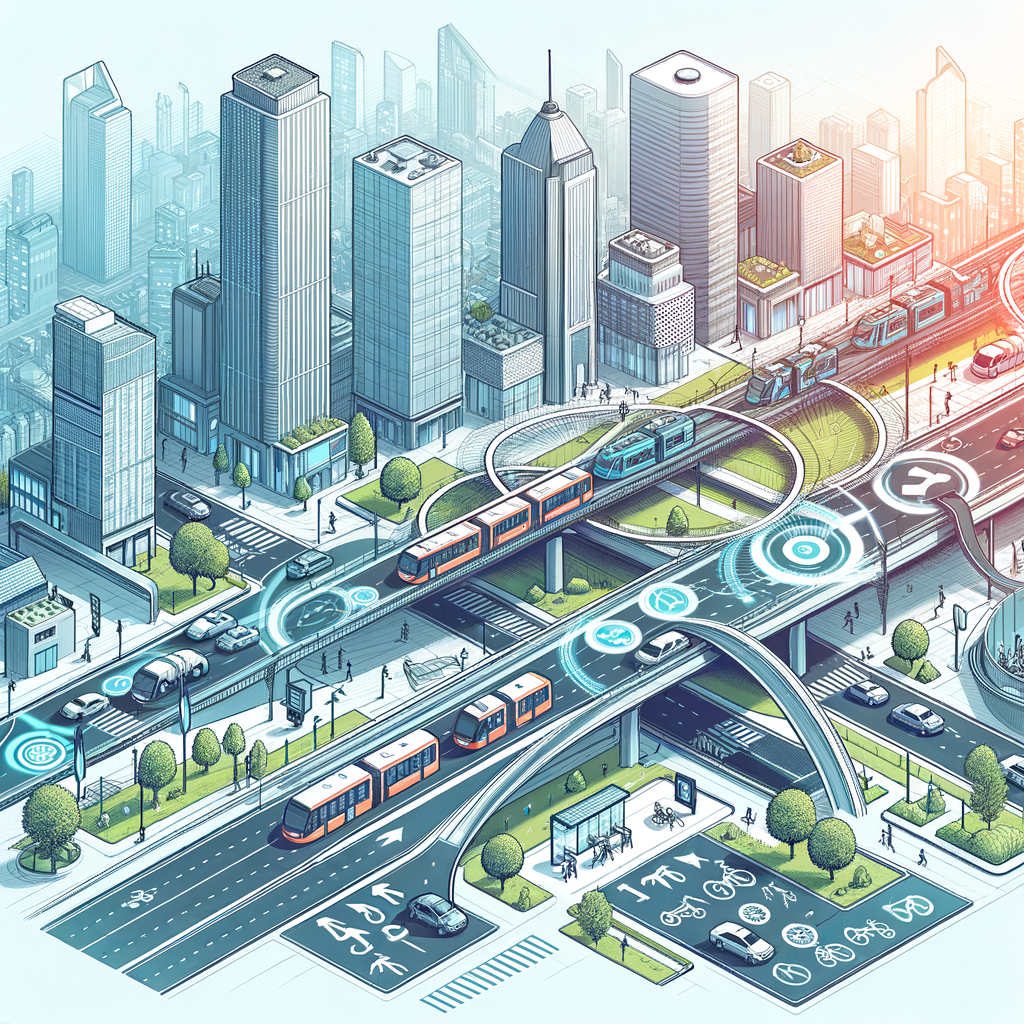
In recent years, public transportation has emerged as a critical component of urban planning, offering sustainable solutions to mobility challenges faced by growing cities worldwide. Urban centers are grappling with problems such as traffic congestion, pollution, and limited space, which directly impact the quality of life for millions. Innovations in public transportation are now paramount to addressing these concerns and ensuring efficient, environmentally friendly, and cost-effective transit systems. Solutions like electric buses, autonomous vehicles, and smart ticketing systems are not only transforming how we move but also how cities are designed and function. Understanding these developments is crucial for policymakers, urban planners, and commuters who wish to embrace a future of smarter mobility.
Electric Buses: Reducing Emissions and Noise Pollution
The electrification of buses represents a major leap forward for public transportation. Electric buses offer a cleaner, quieter ride compared to their diesel counterparts, significantly reducing emissions and noise pollution in urban environments. Cities like Shenzhen, China, have capitalized on this technology, fully electrifying their public bus fleet, which numbers over 16,000 vehicles. This shift has led to a reduction in air pollutants and greenhouse gas emissions, setting a benchmark for other cities to follow.
These electric buses are equipped with rechargeable batteries, allowing them to travel extended distances on a single charge. With advancements in battery technology, the range and efficiency of these buses are continually improving. Not only do they contribute positively to the environment, but they also lead to cost savings in the long term due to lower fuel and maintenance costs. For commuters, the quieter engines equate to a more pleasant traveling experience, reducing noise pollution in urban areas—a win-win for cities and their residents.
Autonomous Vehicles: The Future of Urban Mobility
Autonomous vehicles (AVs) are at the forefront of innovative public transportation solutions. By leveraging technologies such as machine learning, sensors, and GPS tracking, AVs navigate urban environments with minimal human intervention, promising to revolutionize how we view transit. One striking example is Waymo, the autonomous vehicle subsidiary of Alphabet Inc., which has deployed self-driving taxis in parts of Phoenix, Arizona. These vehicles operate without human drivers and have accumulated millions of miles in real-world testing, demonstrating their potential effectiveness and safety in urban settings.
Implementing AVs in public transport reduces the risk of human error, potentially lowering accident rates. Additionally, they can operate around the clock, improving service availability and frequency without human resource limitations. For urban centers, AVs offer the potential to reduce traffic congestion as they can be programmed to optimize route efficiency and adhere to traffic rules meticulously. This aspect of autonomy holds the promise of a future with fewer traffic jams and seamless transit experiences for commuters.
Smart Ticketing Systems: Convenience at Your Fingertips
Smart ticketing systems are redefining how commuters interact with public transportation. By replacing traditional paper tickets with digital solutions, these systems offer convenience, speed, and enhanced tracking abilities. London’s Oyster card serves as a prime example; it allows passengers to tap in and out seamlessly across the city’s extensive transport network, including buses, trains, and the underground.
Such systems not only simplify travel for users but also provide transport authorities with rich data insights into travel patterns, aiding in better planning and resource allocation. Smart ticketing can also support integrated fare structures, promoting the use of public transport by offering more affordable and straightforward payment solutions. Furthermore, these systems enhance accessibility, breaking down barriers for tourists and residents who might otherwise find the complexity of various ticketing systems a deterrent from using public transit.
Real-Time Data and Predictive Analytics: Enhancing Service Efficiency
The integration of real-time data and predictive analytics is pivotal in enhancing public transport efficiency. By employing data-driven approaches, transport authorities can monitor vehicle locations, predict arrival times, and manage fleet operations more effectively. The Metropolitan Transportation Authority (MTA) in New York City employs these technologies to provide live updates and more accurate service scheduling.
Real-time data feeds into apps and systems that keep commuters informed, reducing uncertainty and improving the overall experience. Predictive analytics, on the other hand, allows for potential service disruptions to be identified and mitigated ahead of time, ensuring a more reliable service. The accumulation and analysis of commuter data can also guide strategic decisions, like optimizing routes or targeting areas in need of expanded services. Together, these innovations ensure that public transportation remains responsive to the dynamic demands of urban populations.
Multimodal Transportation Systems: Integrating Modes for Seamless Travel
Multimodal transportation systems combine various transport modes—such as bicycles, buses, trains, and ride-sharing services—into a cohesive, interoperable system that enables seamless travel for users. An outstanding example of this integration can be found in Copenhagen, a city renowned for its efficient multimodal transport network that heavily incorporates bicycles. Bike-sharing programs connect easily to public transport hubs, encouraging walking or cycling for the first or last mile of a journey.
This approach enhances flexibility for commuters, encouraging the use of greener travel options while addressing the convenience factor that often deters people from using public transit. Multimodal systems are instrumental in reducing the dependency on personal vehicles, lowering traffic congestion, and preserving urban space for public use. By consolidating multiple transport options, cities can offer an adaptable, scalable solution to their mobility challenges.
Conclusion: Embracing a Future of Smarter Urban Mobility
The future of urban public transportation lies in embracing these innovations that prioritize efficiency, sustainability, and user convenience. These advancements are set to redefine urban mobility, providing solutions to pressing urban challenges of congestion, pollution, and resource constraints. From electric buses that promise a cleaner commute to autonomous vehicles reshaping right-of-way concepts, to smart systems offering effortless transit experiences, the benefits are substantial.
Transport authorities, policymakers, and urban planners must work collaboratively to implement these innovations, ensuring that infrastructure, regulations, and public policy support the transition to advanced public transport systems. By doing so, cities can foster environments that promote economic growth, improve quality of life, and safeguard ecosystems. As we progress, the time to act is now—let’s innovate our way to a brighter, more sustainable urban future.
Frequently Asked Questions
1. What are some of the current public transportation innovations being implemented in urban centers?
Urban centers around the globe are seeing a wealth of innovations in public transportation, all aimed at creating a smoother, more efficient, and environmentally friendly commuter experience. One major innovation is the development of electric and hybrid buses, which help to significantly reduce emissions and reliance on fossil fuels. Cities like Oslo and London have been pioneers in deploying these eco-friendly buses across their networks.
Additionally, the implementation of smart technologies, such as AI traffic management systems and real-time tracking apps, play a crucial role in improving the efficiency of public transport. Such technologies allow for dynamic scheduling, adapting routes based on current traffic conditions, and providing passengers with up-to-the-minute information on arrival times and delays.
Moreover, many urban centers are investing in advanced rail systems, like the high-capacity driverless metros in cities such as Singapore and Dubai. These systems not only increase capacity, allowing more people to travel comfortably during peak hours, but also offer increased reliability and safety due to reduced human error.
Finally, micro-mobility solutions, like e-scooters and bike-sharing programs, have gained traction in many cities as a feasible solution for short trips and the “last mile” connectivity issue, bridging the gap between public transport hubs and final destinations.
2. How does public transportation innovation contribute to sustainability?
Sustainability is at the heart of many public transportation innovations, addressing both environmental and socio-economic dimensions. By reducing reliance on private vehicles, public transport innovations lower traffic congestion, leading to decreased emissions and cleaner urban air. The integration of electric and hybrid vehicles in public transport fleets plays a significant role in combating climate change by minimizing carbon footprints.
Beyond environmental benefits, public transportation innovations support social sustainability by providing equitable access to mobility services for all residents, regardless of income level. This is particularly transformative in underserved communities, where investments in public transit can facilitate access to job opportunities, education, and services.
Furthermore, sustainable transportation initiatives often promote economic resilience in urban centers by stimulating local economies. Infrastructure projects create jobs, and improved transit networks can encourage businesses to invest in previously inaccessible areas. Thus, public transportation innovations contribute to the overall vitality and sustainability of urban centers.
3. What role do autonomous vehicles play in future public transportation systems?
Autonomous vehicles (AVs) are set to revolutionize public transportation by offering unprecedented levels of efficiency and safety. In urban centers, AVs are being piloted for use in various capacities, such as shared shuttles, ride-hailing services, and even full-sized buses. One of the key advantages of autonomous public transport is its potential to operate continuously with minimal human intervention, optimizing routes in real-time based on demand and traffic conditions.
The adoption of AVs can also significantly reduce operational costs for transit authorities, as the need for drivers is minimized. This could lead to expanded services, extended operational hours, and even reduced fares, making public transportation more accessible to a broader audience.
Safety is another major benefit, as autonomous systems are designed to greatly reduce human error, which is a leading cause of accidents. As such, AVs could enhance passenger safety and confidence in public transportation systems.
However, there are still significant challenges to be addressed, such as public acceptance, regulatory frameworks, and the development of reliable AV technologies. As these hurdles are overcome, AVs will play an increasingly integral role in shaping the future of urban mobility, eventually becoming a cornerstone of modern public transportation networks.
4. How are urban centers integrating technology into public transportation to enhance user experience?
Integrating technology into public transportation is a game-changer for enhancing user experience. Urban centers are harnessing a variety of digital tools to create a more seamless and enjoyable journey for commuters. Real-time data analytics is at the forefront, allowing passengers to see live updates on train and bus arrivals, plan their routes effectively, and avoid delays all through their smartphones.
Contactless payment systems are another widespread innovation, enabling passengers to pay for their trips simply by tapping a card or their phone. This not only speeds up the boarding process but also enhances convenience by eliminating the need for cash or paper tickets. Cities like Hong Kong and New York have successfully implemented these systems within their extensive public transit networks.
Moreover, some urban centers are venturing into personalized transit options where AI algorithms predict passengers’ commuting habits and offer tailored suggestions for routes or transport modes that could save time. Additionally, with the rise of on-demand transit options—including app-based ridesharing and e-scooter services—technology is making public transit more flexible, aligning more closely with individual lifestyles.
Ultimately, the integration of technology within public transportation systems is about leveraging data and connectivity to create a smarter, more user-friendly, and adaptable transit environment for all urban dwellers.
5. What are the challenges faced by urban centers in implementing public transportation innovations?
Despite the numerous benefits of public transportation innovations, urban centers face several challenges in their implementation. One of the primary challenges is the significant investment required to upgrade existing infrastructure or build new systems from scratch. High upfront costs can be a major hurdle, particularly for cities with budget constraints or competing infrastructure needs.
Moreover, integrating new technologies often requires changes in policy and regulatory frameworks, which can be time-consuming and politically sensitive. Coordinating between various stakeholders—government bodies, transit authorities, private companies, and the public—can also be complex and present its own set of hurdles.
Another challenge lies in public adaptation and acceptance. Implementing changes in transportation systems can be met with resistance, especially if users feel inconvenienced during transition phases or remain unconvinced of the new systems’ benefits over traditional modes.
There are also technical challenges involved in deploying cutting-edge technologies, such as ensuring reliable performance, data security, and privacy, especially in the case of autonomous and smart systems.
Despite these obstacles, many urban centers are making strides towards overcoming these challenges by adopting incremental approaches, fostering partnerships with tech firms, engaging communities early in the planning process, and actively seeking alternative funding sources. As cities continue to grow, overcoming these challenges is essential to building resilient, modern public transportation systems.