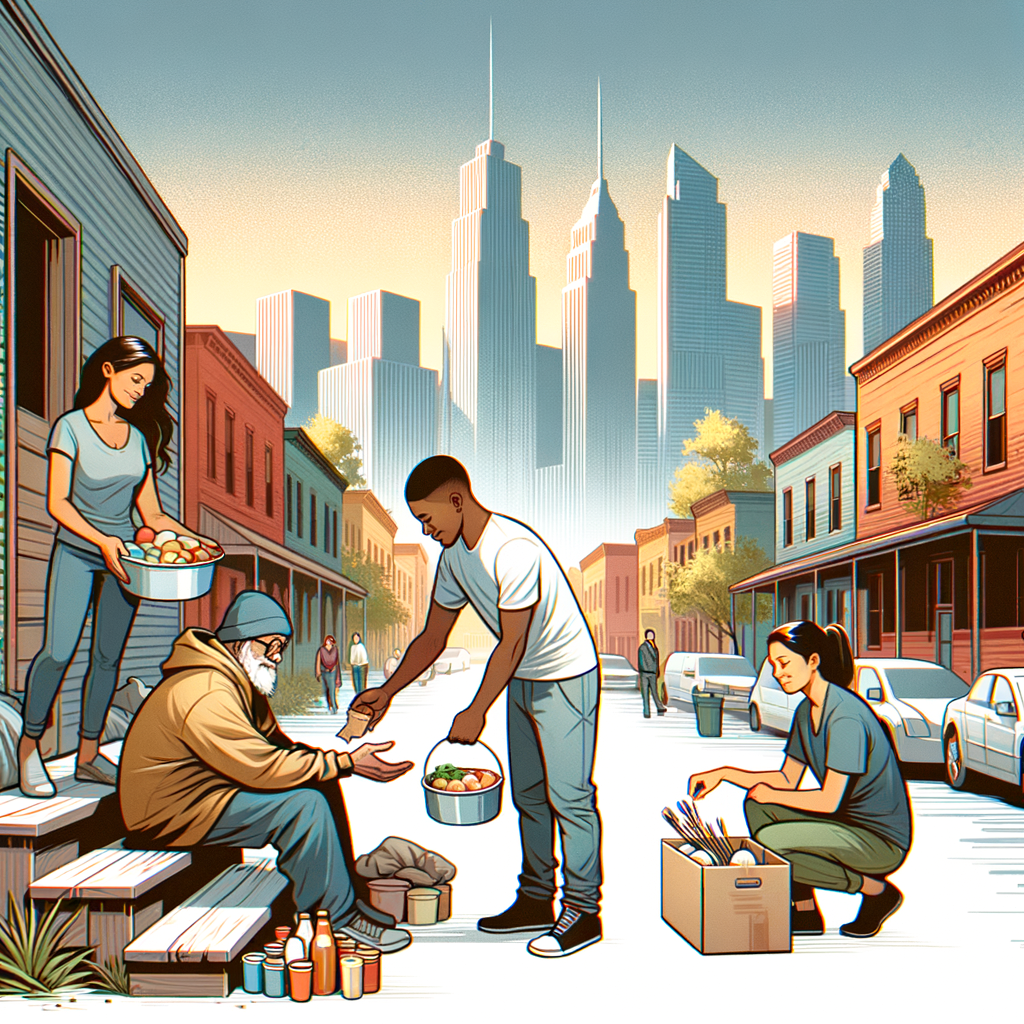
As the global urban population continues to grow, cities are facing unprecedented challenges in managing the vast amounts of waste generated daily. Urban waste management is a critical issue, as it impacts public health, environmental sustainability, and city aesthetics. Traditional waste management methods, such as landfilling and incineration, are increasingly proving to be environmentally harmful and economically unsustainable. This is where the concept of the circular economy comes into play—a system aimed at eliminating waste and the continual use of resources through innovative recycling, reuse, and regeneration strategies.
The circular economy stands in stark contrast to today’s predominantly linear economic model, which follows a ‘take, make, dispose’ trajectory. In a circular economy, resource cycles are looped back into themselves, maintaining the value of products, materials, and resources for as long as possible. By minimizing waste and encouraging the continual use of resources, the circular economy offers an efficient way to manage urban waste sustainably. Addressing urban waste through circular economy approaches is crucial not only for reducing the environmental footprint of cities but also for driving economic growth, creating jobs, and improving the quality of urban life.
Key Circular Economy Strategies in Urban Waste Management
Reduce, Reuse, and Recycle: The Triple R Framework
A core principle of the circular economy is the ‘Reduce, Reuse, Recycle’ framework, often referred to as the Triple R approach. This framework presents a straightforward yet powerful strategy for waste management. The first step, reduction, involves minimizing waste at the source. This could mean designing products to require fewer raw materials or by encouraging consumers to make mindful choices about their consumption.
A practical example of reduction is when cities introduce tighter regulations on packaging or promote the adoption of bulk purchasing policies. Reuse, the second R, focuses on extending the life cycle of products by reusing them for the same or new purposes. Initiatives like community swap events or online platforms for donating or selling second-hand goods embody this principle.
The final R, recycling, involves transforming waste materials into new products. Cities that have instituted comprehensive recycling programs, such as San Francisco’s ambitious zero waste initiative, where more than 80% of the city’s waste is diverted from landfills, showcase the effectiveness of this strategy. Recycling not only reduces the need for extracting and processing new raw materials but also significantly cuts down on greenhouse gas emissions.
From Waste to Resource: Industrial Symbiosis
Industrial symbiosis is another powerful concept within the circular economy. It involves the collaboration between different industries to use waste from one as a resource for another. This model encourages industries to work together to achieve mutual benefits, including cost savings, reduced waste, and decreased environmental impact.
One notable example is the Kalundborg Symbiosis Project in Denmark. This project is a pioneering case of industrial symbiosis where several industries, including a power station, oil refinery, and a pharmaceutical manufacturer, share resources and energy. The byproducts of one company serve as the raw materials for another, creating a network of resource loops that enhance overall resource efficiency and sustainability. Such projects demonstrate the potential of industrial symbiosis to drastically reduce urban waste by reallocating it as a valuable input in industrial processes.
Urban Composting: Turning Organic Waste into Fertile Soil
Organics, including food and garden waste, often comprise a significant portion of urban waste streams. Composting is a transformative circular economy strategy, converting organic waste into nutrient-rich compost that can enrich soil and support urban agriculture. Cities around the globe are adopting large-scale urban composting programs to capitalize on this potential.
A leading example of successful urban composting is found in Toronto, Canada. The city has implemented a Green Bin program, which collects organic waste from residents for composting. The produced compost is then used to feed parks, gardens, and agricultural lands, enhancing soil health while reducing reliance on chemical fertilizers.
Furthermore, urban composting can play a role in mitigating climate change through the capture and storage of carbon while providing a sustainable approach to managing organic waste. By encouraging households and communities to participate in composting, cities not only reduce the volume of waste sent to landfills but also promote ecological balance.
- Reduction of chemical fertilizer use
- Improvement of soil structure and fertility
- Decrease in landfill waste
E-Waste Management: Recycling Electronics for a Greener Urban Future
Electronic waste, or e-waste, poses a growing challenge in urban waste management due to the rapid advancement and consumption of technology. This category of waste includes discarded electronic devices like smartphones, computers, and televisions, which contain valuable metals and hazardous substances.
Adopting circular economy strategies for e-waste involves creating efficient recycling systems to recover precious metals and safely dispose of toxic materials. An excellent case study is the city of Tokyo, Japan, which implemented an e-waste recycling initiative as part of its preparations for the 2020 Olympic Games. The program collected thousands of discarded electronic gadgets to produce medals for the games, exemplifying how urban waste can be recycled into valuable resources and inspire public participation in sustainability efforts.
Integrating circular economy practices into e-waste management not only helps diminish the ecological footprint of technology but also spawns economic opportunities through the recovery and resale of valuable materials.
Implementing Circular Models in Construction Waste Management
Construction and demolition (C&D) waste is a significant concern for urban waste management, accounting for a large portion of total urban waste streams. The circular economy approach in this sector focuses on deconstructing rather than demolishing buildings to maximize the reuse of materials like concrete, wood, and metal.
Take the example of Amsterdam, where circular construction practices are becoming the norm. The city emphasizes the design of buildings using materials that are easy to disassemble and reuse. Real estate projects in Amsterdam feature modular designs, allowing materials to be reclaimed efficiently at the end of their life cycles.
By prioritizing deconstruction and reuse, cities can dramatically reduce the extraction of new materials, lessen environmental degradation, and stimulate economic growth through the creation of a secondary materials market.
| Building Material | Example of Reuse | Environmental Impact |
|---|---|---|
| Concrete | Used in roadbeds | Reduces landfill usage |
| Wood | Reclaimed for new structures | Prevents deforestation |
| Metal | Recycled into new steel products | Lowers energy consumption |
Harnessing Innovation: Technology-Driven Waste Solutions
Smart technologies and innovative platforms are transforming the landscape of urban waste management under the circular economy framework. Technologies like the Internet of Things (IoT), machine learning, and blockchain are enabling cities to optimize waste collection and recycling operations efficiently.
For instance, cities like Los Angeles are implementing smart bin systems that leverage IoT sensors to monitor waste levels in real-time. These systems can optimize waste collection routes, reducing fuel consumption and operational costs. Blockchain technology can further enhance transparency and traceability in the recycling chain, ensuring the integrity and quality of recyclables.
By integrating advanced technology into waste management systems, cities can improve operational efficiency, encourage circular economic activities, and contribute to sustainable urban development.
Conclusion
In the face of growing urban populations and the corresponding increase in waste generation, adopting circular economy approaches in urban waste management is not just beneficial—it is imperative. By prioritizing strategies such as the Triple R framework, industrial symbiosis, urban composting, e-waste recycling, construction material reuse, and smart technology implementations, cities can transition towards a more sustainable future.
The circular economy provides a framework that empowers cities to manage waste more efficiently, reduce their environmental impact, and stimulate economic growth. As city planners, policymakers, and communities actively embrace these models, the shift from a linear to a circular economy could redefine urban living, ultimately ensuring a healthier planet for future generations.
We encourage policymakers, business leaders, and individuals to take actionable steps toward implementing circular economic strategies in waste management. By doing so, we collectively contribute to a more sustainable, circular world. Let us embrace these transformative approaches for the well-being of our cities and the planet.
For readers eager to make a personal impact, consider implementing the Triple R approach in your daily life: reduce your consumption, repurpose what you can, and ensure that you recycle materials properly. Together, we can turn waste into a resource, affirming our commitment to sustainability.
Frequently Asked Questions
1. What is urban waste management and why is it important?
Urban waste management refers to the processes involved in collecting, treating, and disposing of the waste materials generated by urban populations. As cities grow and become more densely populated, the amount of waste they produce increases dramatically. Effective waste management systems are essential for several reasons. Firstly, they help maintain public health by reducing the risk of disease and contamination that improperly handled waste can cause. Secondly, these systems play a crucial role in environmental sustainability. Correctly managing waste mitigates adverse ecological impacts, such as soil, water, and air pollution. Lastly, well-run waste management improves the aesthetics of a city, making urban areas more pleasant places to live and work, which in turn can boost tourism and local economies. Unless cities address these issues efficiently, they risk creating hazardous living conditions and damaging the environment.
2. What is the circular economy, and how does it differ from traditional waste management approaches?
The circular economy is a system aimed at minimizing waste and making the most of resources. It contrasts sharply with traditional linear models, which follow a ‘take, make, dispose’ process. The circular economy involves rethinking how we design, use, and recycle materials, effectively ‘closing the loop’ in product lifecycles. Instead of products reaching the end of their life cycle only to be discarded, the materials they contain are recovered, regenerated, and reintroduced into production cycles. This approach reduces reliance on newly sourced raw materials and decreases the volume of waste generated. It’s an innovative method that not only lessens the environmental footprint but also can boost economic gains by stimulating innovation, creating jobs in recycling and remanufacturing, and cutting costs associated with waste disposal and raw material procurement.
3. What are some key components or strategies of implementing a circular economy in urban waste management?
Implementing a circular economy in urban waste management involves several crucial strategies. First, cities need to design for longevity and repairability. Products and infrastructure should be built to last longer and be easier to repair or upgrade. Secondly, urban areas should prioritize recycling and recovery by enhancing systems for collection and sorting of materials, allowing them to be repurposed or recycled into new products. Encouraging sharing economy models, such as rental or peer-to-peer services for goods, can also reduce overall consumption. Additionally, the industrial symbiosis approach can be implemented, where the waste of one company becomes the input for another, creating a network of resource exchange within a city. Public policies and incentives are also pivotal; these can include tax benefits for sustainable practices or stricter regulations on landfill usage. Public awareness campaigns are essential to ensure citizen participation in recycling and waste minimization efforts.
4. How does urban waste management using circular economy principles impact the environment?
Adopting circular economy principles in urban waste management has a significantly positive impact on the environment. It reduces the amount of waste destined for incineration or landfill, both of which are known contributors to air and soil pollution. By keeping resources in use for as long as possible, the need to extract and process raw materials—which involves energy-intensive and often polluting processes—is minimized. This reduction in the extraction of fresh resources also helps protect ecosystems from habitat destruction. Furthermore, the emphasis on recycling and using renewable materials reduces greenhouse gas emissions, a major driver of climate change. In sum, circular economy approaches make urban waste management more sustainable and align cities with global environmental goals, such as those outlined in the Paris Agreement and the United Nations’ Sustainable Development Goals.
5. What are some challenges cities face in transitioning to a circular economy for waste management?
While the transition to a circular economy offers multiple benefits, cities face several challenges in its implementation. One major hurdle is the existing infrastructure designed for a linear economy. Significant investment and planning are needed to update facilities and processes for resource recovery and recycling. Additionally, there can be a lack of knowledge and expertise among city planners and policymakers, which can slow down the adoption of innovative waste strategies. Economic factors also play a role, as prioritizing short-term economic returns can lead cities to continue relying on cheaper, traditional waste management methods like landfills. There’s also the challenge of engaging citizens and businesses in sustainable practices. Habits take time to change, and without widespread public support, initiatives may struggle to gain traction. Lastly, regulatory and political frameworks need to support circular models; this could mean redefining legal terms related to waste and resource management or ensuring new policies are in place to support closed-loop systems.