As urban areas around the globe continue to expand at an unprecedented rate, the pressure on urban infrastructure and services increases correspondingly. Urban policy innovations have become crucial to addressing the multifaceted challenges that these areas face. Terms like “urban policy” and “innovations” refer broadly to the strategic decisions and creative approaches used to manage the growth and development of cities. These policies encompass a wide range of issues, from sustainable development and smart infrastructure to equitable housing and public health. Understanding and implementing urban policy innovations matter because they directly affect the quality of life for city dwellers. They determine how well a city can respond to current demands while preparing for future challenges, making them a fundamental component of strategic urban planning.
The need for innovative policies arises from the reality that conventional approaches are often inadequate in dealing with today’s complex urban issues. Traditional methods provide temporary solutions but fail to address underlying problems or anticipate future needs. This article explores various real-world examples of urban policy innovations, highlighting how cities are equitably addressing pressing challenges with fresh approaches.
Sustainable Urban Mobility Solutions
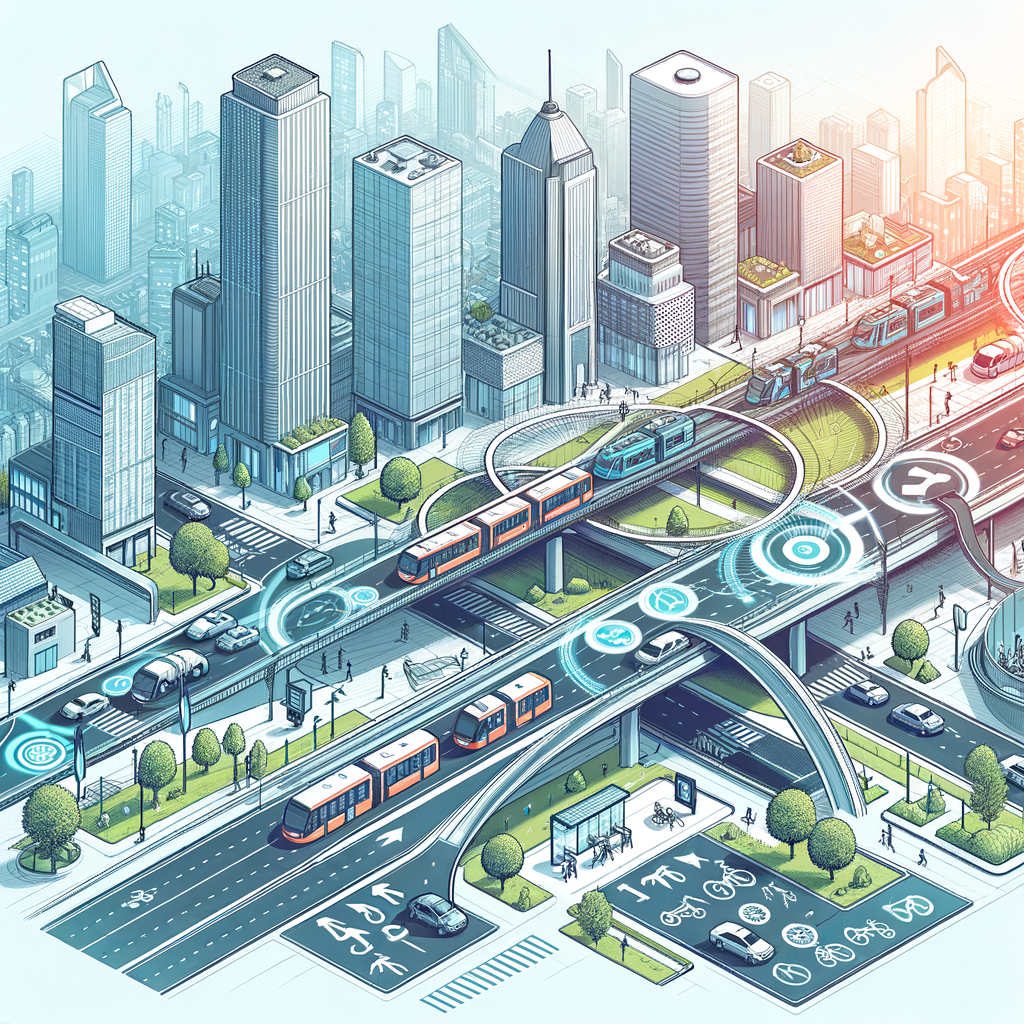
One of the primary challenges modern cities face is traffic congestion and its environmental impact. To tackle this, cities are implementing sustainable urban mobility solutions. A prime example is Copenhagen, Denmark, which has revolutionized its transportation infrastructure to become one of the world’s most bike-friendly cities. Through innovative policy measures, such as investing in extensive bike lanes and creating cyclist-friendly traffic regulation systems, Copenhagen successfully reduced car dependency and decreased greenhouse gas emissions.
By prioritizing cycling and public transportation, urban policy innovations in mobility not only enhance environmental sustainability but also improve public health and reduce traffic congestion. The Copenhagen model serves as an inspiration for cities globally wanting to implement similar strategies to foster cleaner and more efficient urban transport systems.
Smart City Technologies
Another significant area of urban policy innovation is the integration of smart technologies to improve city management and services. Cities like Barcelona, Spain, have been leaders in adopting smart city technologies. These advancements include using Internet of Things (IoT) devices, sensors, and data analytics to manage resources more efficiently and enhance public services.
Barcelona’s implementation of a smart waste management system is particularly noteworthy. Sensors are installed in waste containers to monitor waste levels and optimize collection routes, resulting in cost savings and reduced environmental footprint. By leveraging data-driven policy innovations, cities can improve efficiency, enhance environmental sustainability, and provide better services to residents.
Equitable Housing Policies
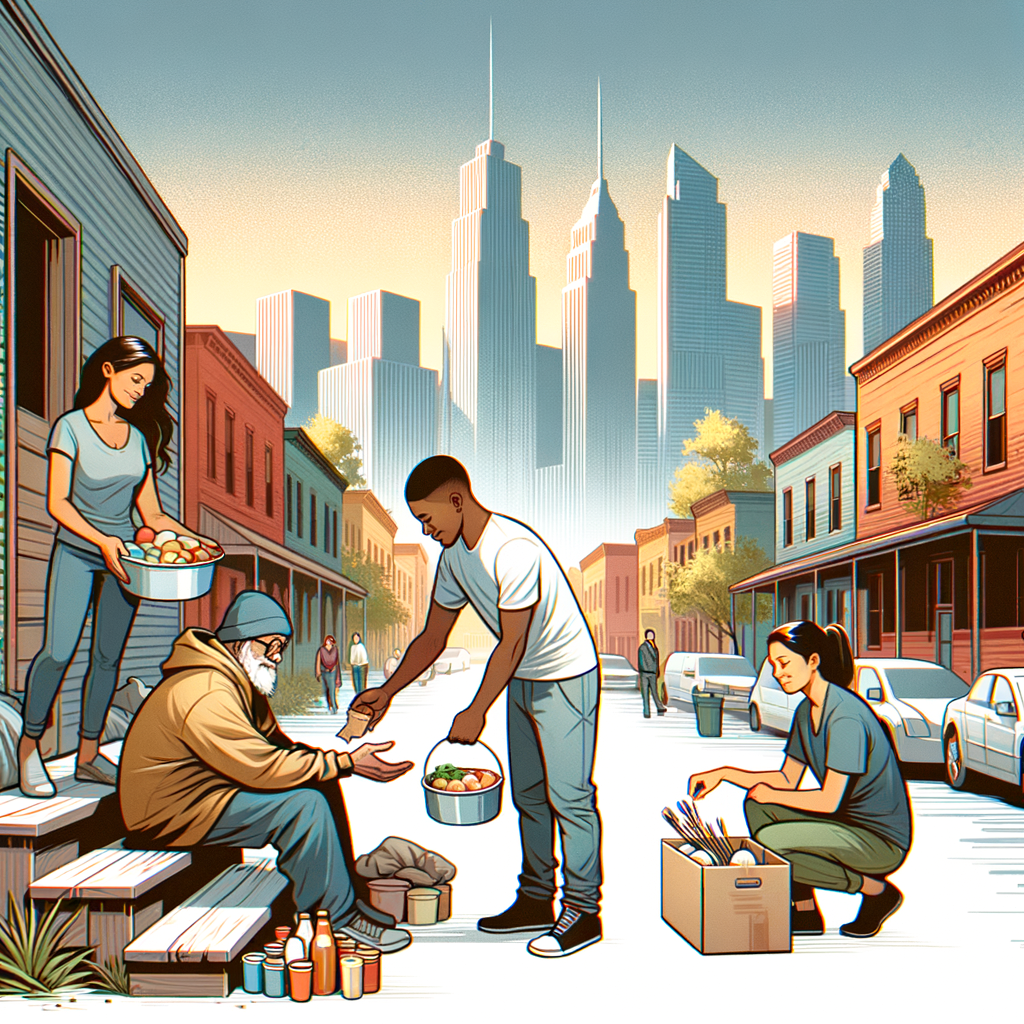
Addressing housing inequality remains a critical aspect of urban policy. With rapidly growing populations, cities face persistent housing shortages and increasing costs. Innovative housing policies are crucial for ensuring all citizens have access to affordable and adequate housing. Vienna, Austria, offers a notable example of success in this domain.
Vienna has invested in social housing programs that ensure a substantial portion of the city’s housing stock remains affordable. The city finances housing construction through a combination of public funding and partnerships with private developers, maintaining affordability without sacrificing quality. By implementing these innovative housing policies, Vienna has managed to sustain affordable living options despite growing urbanization pressures.
Resilient Urban Environments
Urban resilience pertains to a city’s ability to withstand and recover from various shocks and stresses, such as natural disasters, economic downturns, or pandemics. Tokyo, Japan, exemplifies resilience through its comprehensive disaster preparedness strategies. Tokyo’s urban policy innovations include state-of-the-art earthquake-resistant infrastructural designs and robust emergency response plans, enabling the city to minimize disruption during seismic events.
These initiatives highlight the importance of urban policies that integrate resilience into the fabric of city planning. By preparing for unforeseen challenges, cities can protect their inhabitants, sustain economic productivity, and ensure a swift recovery from adversity.
Public Health and Social Well-Being
Public health and social well-being are increasingly becoming focal points in urban policy. A city’s ability to provide adequate health services, promote well-being, and minimize health disparities is critical for ensuring a thriving population. Singapore’s urban policy innovations in public health services offer valuable lessons.
Singapore’s integration of technology with healthcare, through telemedicine and health tracking apps, has modernized public health services. These advancements improve health outcomes by increasing accessibility to healthcare professionals and allowing individuals to play an active role in managing their health. Such policies demonstrate the significant impact technological innovations can have on enhancing urban public health.
- Improved health outcomes
- Increased access to services
- Public engagement in health management
Lessons from Global Urban Policy Innovations
Understanding the context of urban policy innovations offers a comprehensive view of how cities can strategically navigate contemporary challenges. Through real-world examples, we learn that sustainable mobility, smart technologies, equitable housing, resilient environments, and public health improvements form the backbone of progressive urban policy approaches.
Implementing these policies requires coordination, collaboration, and adaptation to local conditions. As cities differ in demographics, infrastructure, and governance structures, policy innovations must be context-sensitive, flexible, and inclusive to be truly effective.
Conclusion: Moving Forward with Urban Policy Innovations
Urban policy innovations hold the promise of more sustainable, equitable, and resilient cities. By examining successful examples from around the world, policymakers and urban planners can derive valuable insights and strategies. Ultimately, urban policy innovations drive transformative changes that improve the quality of urban life, ensure environmental sustainability, and promote inclusive growth.
The necessity for innovative urban policy grows more significant as urbanization accelerates. By staying informed, advocating for progressive policies, and participating in local governance, residents can play an integral role in shaping the future of their cities. Take the initiative to support urban transformations that address modern challenges effectively; your city’s future depends on it.
Frequently Asked Questions
1. What are urban policy innovations, and why are they necessary in today’s cities?
Urban policy innovations refer to the strategic decisions, creative approaches, and practices that cities adopt to effectively manage and facilitate their growth and development. These innovations become increasingly necessary as urban areas around the globe expand at unprecedented rates, placing immense pressure on infrastructure and services. Innovative policies address a myriad of urban challenges, including sustainable development, housing shortages, climate resilience, transportation, and economic disparities.
In cities experiencing rapid changes in population size and demographics, the traditional methods of urban management often fall short. Innovations in urban policy allow cities to adapt quickly, making them resilient to modern challenges. By embracing new technologies, encouraging community engagement, and fostering sustainable practices, urban policy innovations ensure that cities not only meet current demands but also prepare for future growth. For instance, implementing smart technology in public transportation systems can significantly enhance efficiency while reducing the environmental impact. Therefore, urban policy innovations are indispensable for crafting more livable, equitable, and sustainable urban environments.
2. How do urban policy innovations improve the quality of life in cities?
Urban policy innovations can significantly enhance the quality of life for city residents by tackling some of the most pressing issues affecting urban areas. They are important tools for creating safer, healthier, and more inclusive communities. By addressing traffic congestion through innovations like integrated public transportation systems and smart city technologies, cities can reduce commute times and pollution levels, leading to a cleaner, more efficient urban environment.
Furthermore, urban policy innovations often focus on expanding affordable housing to combat housing shortages, ensuring that residents have access to safe and affordable living conditions. Public spaces and green areas are also a priority, as they not only improve the urban landscape but also contribute to mental and physical well-being. Additionally, policies that promote economic inclusivity can help lift people out of poverty and reduce income inequality, further enhancing the community’s overall quality of life.
In essence, urban policy innovations are geared toward creating sustainable urban systems that improve living standards for everyone, from access to clean water and air to better educational and healthcare facilities. As such, they are a critical component of modern urban planning, aiming to make cities more vibrant and liveable for all residents.
3. In what ways do urban policy innovations promote sustainability?
Urban policy innovations play a pivotal role in promoting sustainability by devising strategies that minimize environmental impact and utilize resources more efficiently. One key area where these policies manifest is in energy efficiency and renewable energy adoption. By promoting the integration of clean energy sources, such as solar or wind power, into city infrastructure, urban policies help reduce carbon footprints and contribute to global climate change mitigation efforts.
Another important aspect is the sustainable management of waste and resources. Innovative waste management policies encourage recycling and reuse, drastically reducing the volume of waste that ends up in landfills. Policies aimed at enhancing public transportation systems encourage residents to opt for eco-friendly and efficient travel options instead of relying on personal vehicles, thus decreasing greenhouse gas emissions.
Furthermore, urban policy innovations often lead to the development of green infrastructure, such as parks, rooftop gardens, and vertical forests, which help improve air quality, manage stormwater runoff, and combat the urban heat island effect. Through these and other initiatives, urban policy innovations create cities that are better equipped to support larger populations in an eco-friendly manner, thereby promoting long-term sustainability.
4. How do urban policy innovations tackle the problem of housing shortages in growing cities?
Urban policy innovations address the persistent issue of housing shortages by implementing a range of strategies designed to boost affordable housing supply and encourage diverse housing types. One effective approach is the use of zoning reforms to increase the density of residential areas, making it easier and less expensive to build multi-family dwellings in areas traditionally zoned for single-family homes.
Another innovative policy is the inclusionary zoning, which requires developers to include a percentage of affordable units in new housing projects. This ensures that new developments contribute to a more diverse housing supply, catering to various income levels without concentrating affordable housing in specific areas. Cities also incentivize the development of unused or underutilized land, converting brownfield sites and vacated buildings into residential spaces.
Furthermore, urban policy innovations often encourage partnerships between public and private sectors to finance and build housing projects effectively. By leveraging government funds and private investment, cities can create and maintain affordable housing solutions more sustainably. Through these methods, urban policy innovations strive to meet the increasing demand for housing while ensuring that a wide range of social and economic groups have access to safe and affordable homes.
5. How do urban policy innovations integrate technology to solve urban challenges?
Urban policy innovations increasingly leverage technology to address and resolve various challenges faced by growing cities. By incorporating cutting-edge technologies such as data analytics, Internet of Things (IoT), and artificial intelligence (AI), urban planners and policymakers are transforming how cities operate and serve their residents.
Smart city initiatives are the cornerstone of technological integration in urban policy. These initiatives involve deploying sensors and connected devices throughout the city to collect real-time data on traffic patterns, air quality, energy usage, and more. This data enables city managers to make informed decisions and implement solutions like traffic light optimization, which mitigates congestion and reduces emissions.
Moreover, technology fosters improved citizen engagement through e-governance platforms that allow residents to interact with local authorities, report issues, and participate in city planning processes. Additionally, technologies like AI and machine learning are being used to enhance predictive models for resource management, whether it be water conservation, energy consumption forecasting, or emergency response planning.
Ultimately, urban policy innovations harnessing technology result in smarter, more responsive cities that are better equipped to address the demands of 21st-century urban living, leading to more efficient, resilient, and sustainable urban environments for their inhabitants.