Urban community resilience refers to a community’s ability to withstand, adapt, and thrive amidst adversities, such as natural disasters, economic challenges, and social disruptions in densely populated areas. With urbanization on the rise globally, cities are becoming the focal points for economic activities and cultural exchanges. Consequently, they also face significant risks stemming from climate change, economic volatility, and social challenges. Building resilience in urban communities is not just an option—it’s a pressing necessity. This task requires a comprehensive approach involving stakeholders from public sectors, private enterprises, and residents to ensure the enduring wellbeing and functionality of urban areas. Without resilience-building strategies, urban centers are vulnerable to disruptions that can have cascading effects on national and even global scales.
Understanding the Concept of Urban Resilience
Urban resilience is a multifaceted concept that encompasses the sustaining capacity of systems, infrastructures, and communities within cities. It involves improving city structures and social networks to withstand shocks and stresses. The Rockefeller Foundation provides a practical example through its 100 Resilient Cities initiative, which aids cities worldwide in becoming more resilient to physical, social, and economic challenges. Through collaboration with city officials and local communities, the program formulates strategies tailored to each city’s unique vulnerabilities and assets.
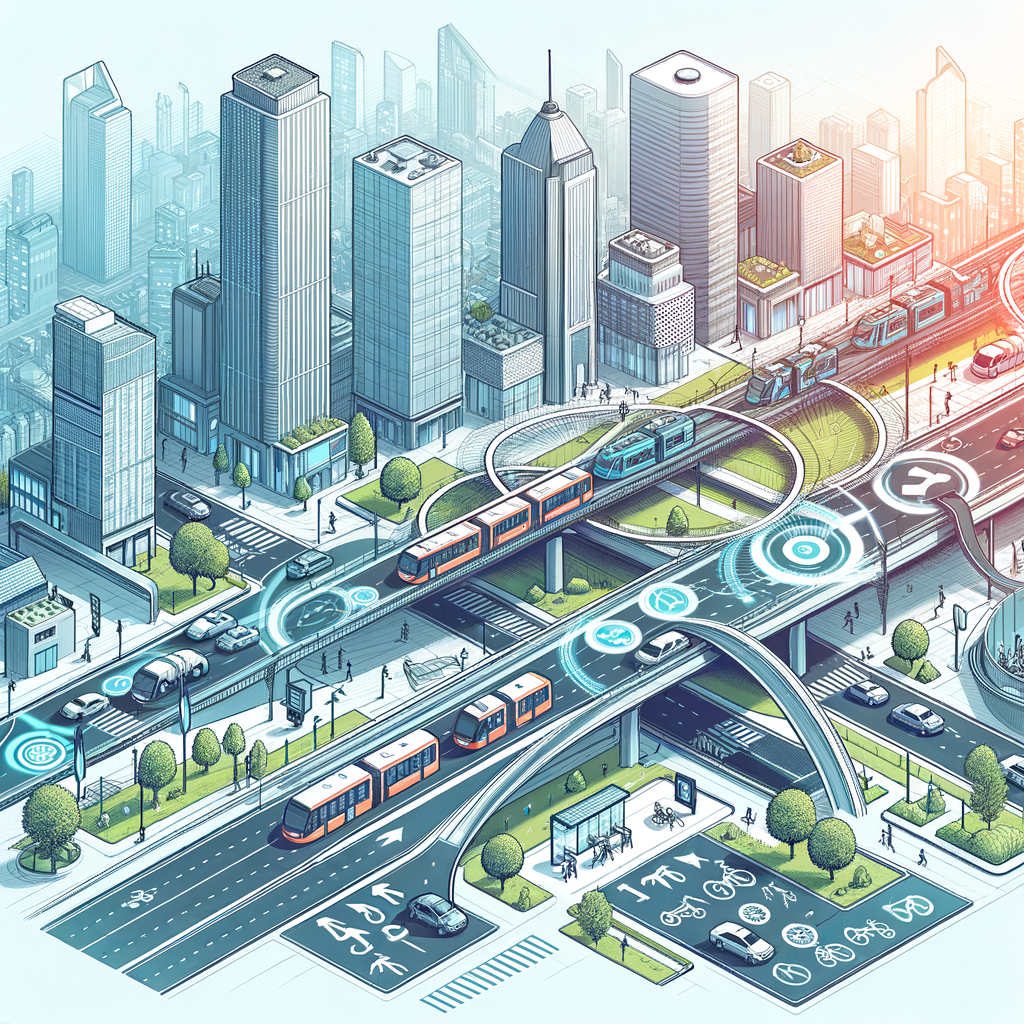
The idea is that by strengthening infrastructure, improving emergency response systems, and enhancing community networks, cities can better weather crises like hurricanes, floods, economic downturns, and social upheavals. This means focusing on adaptability and recovery while minimizing the adverse impacts of crises. It also includes investing in sustainable infrastructure like flood barriers, green spaces, and energy-efficient public transport to create more resilient urban environments.
Community Engagement and Empowerment
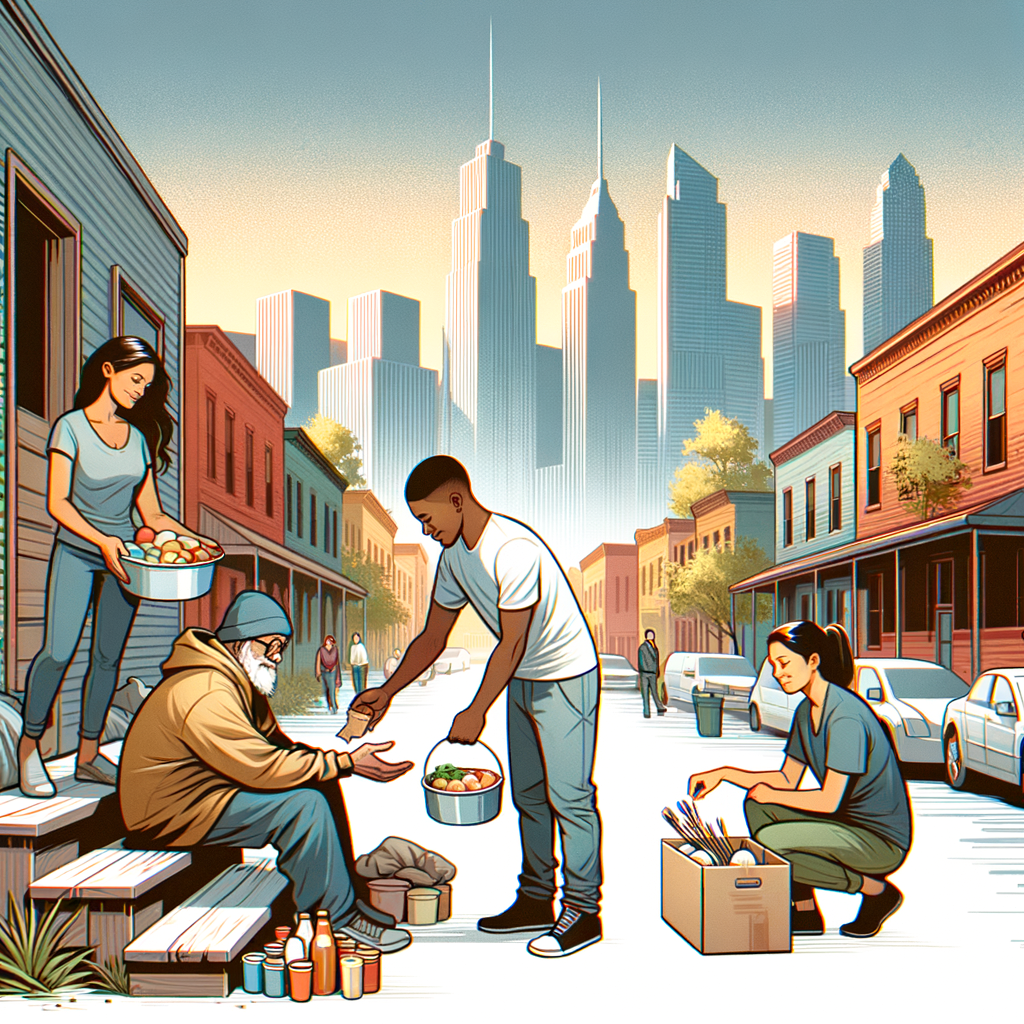
A pivotal component of building urban resilience is the active involvement of community members in resilience planning and implementation. The idea of local empowerment highlights both grassroots participation and leadership in creating effective resilience strategies. A fitting illustration is the city of Medellín, Colombia. Once notorious for crime and violence, Medellín has transformed into a progressive city through equally progressive urban policies emphasizing community engagement and development. Initiatives like participatory budgeting have allowed residents to have a direct say in how a portion of public funds are allocated, enhancing trust and collaboration between public authorities and citizens.
By leveraging the local knowledge and lived experiences of residents, policies and strategies become more adaptable and relevant to actual community needs. Additionally, fostering social cohesion and building networks of support among citizens can create a more united and prepared community, ready to act collaboratively in the face of challenges.
Innovative Technology and Data Management
Technology plays a vital role in enhancing urban resilience by providing tools for better planning, real-time monitoring, and responsive measures. With technological advancements, cities can effectively manage resources and mitigate risks associated with urban living. A notable example comes from Tokyo, Japan, which integrates advanced technology into its disaster response systems. Tokyo utilizes real-time data analytics and satellite technologies to forecast weather patterns, optimize traffic flow during evacuations, and manage emergency resources efficiently.
Using technologies such as Geographic Information Systems (GIS), Internet of Things (IoT) sensors, and data analytics, cities can gather and analyze vast amounts of data to inform their resilience strategies. Technologies enable not just advanced prediction and monitoring of potential crises but also an agile response that can save lives and minimize damage. Moreover, data transparency and sharing among governmental, private, and public entities ensure coordinated and effective responses during emergencies.
Economics of Resilience: Cost-Benefit Analysis
While developing resilience requires substantial investment, it has significant long-term economic benefits. Evaluating the economic impacts of resilience-building measures can help assure stakeholders of their value—both financially and socially. New York City illustrates how economic foresight is imperative in resilience planning. After the impact of Hurricane Sandy, the city implemented the OneNYC plan, aiming to make New York resilient against future climate threats. The city invested in coastal protections, improved infrastructure, and enhanced urban design, which have proven effective in mitigating risks from extreme weather events.
Through initiatives like these, cities undertake a cost-benefit analysis to illustrate that the initial cost of resilience measures can prevent expensive recovery and rebuilding costs after disasters. Furthermore, resilient systems attract businesses, promote sustainable growth, and improve quality of life, which can propel economic development, create jobs, and support a sustainable urban future.
| Resilience Factors | Benefits | Challenges |
|---|---|---|
| Infrastructure Improvements | Prevents damage, ensures continuity | High initial investment cost |
| Community Engagement | Builds trust, fosters collaboration | Time-consuming to organize |
| Technology Adoption | Enhances monitoring and response | Requires skilled personnel |
Policy Frameworks and Urban Governance
Urban resilience hinges on sound governance and robust policy frameworks that support comprehensive planning and strategic decision-making. City governments play a crucial role in orchestrating resilience measures, framing policies, and mobilizing resources. An example here is Amsterdam, Netherlands, known for its forward-thinking approach to urban resilience. By prioritizing sustainable city planning, Amsterdam employs integrated governance models that involve multiple sectors in resilience and sustainability planning.
Effective governance requires coordination among a spectrum of stakeholders, including city planners, civil society, businesses, and academia, to foster a holistic approach towards urban resilience. Policies must be inclusive, equitable, and address the needs of all citizens, particularly vulnerable communities disproportionally impacted by adversities. By establishing robust policy frameworks, urban centers position themselves better to combat challenges and harness opportunities, ensuring a sustainable and secure urban future.
Conclusion: Steps Forward for a Resilient Urban Future
Building urban community resilience is crucial for safeguarding cities against the myriad challenges they face. Throughout this discourse, we have examined several vital components integral to fostering resilience: understanding urban resilience, community engagement, leveraging technology, sound economics, and robust policy frameworks. The essence of community resilience lies in the collective contributions of individuals, organizations, and governance systems working in sync toward a common goal of durability and adaptability.
The benefits of urban resilience are profound, encompassing economic strength, public safety, social cohesion, and environmental stewardship. By embracing resilience as a guiding principle, urban communities set a precedent for innovation, collaboration, and a sustainable development paradigm. The next step rests with city stakeholders—governments, businesses, residents—to adopt and implement comprehensive resilience measures tailored to their unique environments. We must harness the collective knowledge and potential within our urban centers to craft resilient futures for the generations to come. It is a call to action for every urban pioneer to support and participate in building resilient communities that can thrive amid adversities.
Take the first step by joining local resilience-building initiatives, engaging in dialogues that promote sustainable policies, and advocating for the adoption of innovative technologies. Collaborative action today will pave the way for resilient cities tomorrow.
Frequently Asked Questions
1. What is urban community resilience and why is it important?
Urban community resilience is the capability of a community in a city to endure, adjust, and flourish in the face of various adverse conditions like natural calamities, financial instability, and societal disturbances. It’s crucial because as more people move to urban areas, cities become hotspots for economic and cultural developments but also bring with them increased risks. Urban areas often suffer more severe impacts from climate change, such as flooding and heatwaves, alongside economic fluctuations and social issues such as inequality and housing shortages. Building resilience helps communities not just survive these challenges but also emerge stronger, maintaining a sense of normalcy while enhancing the quality of life for its residents.
2. What are the main challenges faced in building urban community resilience?
One of the biggest challenges in building urban community resilience is the sheer scale and complexity of cities. Large populations mean diverse needs and priorities, which can sometimes conflict during planning and implementing resilience strategies. Infrastructure in many urban areas is outdated or inadequate, making it difficult to adapt to new stressors such as climate change impacts or emerging urban threats. Financial constraints are another obstacle, as governments may struggle to allocate the necessary funding for resilience-building projects. Social issues, like inequality and fragmented communities, also present challenges as they hinder cohesive community responses to adversity. Finally, there is often a lack of information and capacity to implement resilience initiatives effectively, making it hard for urban communities to plan for and respond to potential crises.
3. How does urbanization impact community resilience efforts?
Urbanization can both hinder and aid community resilience efforts. On one hand, the rapid increase in city populations can strain existing resources and infrastructure, leading to challenges such as overcrowding, pollution, and inadequate housing. This can make it tougher for communities to respond and adapt during emergencies. On the other hand, urbanization can lead to positive outcomes due to increased diversity, innovation, and economic opportunities. These factors can foster a more vibrant and dynamic community atmosphere, where people and organizations are more willing to collaborate and develop innovative solutions to resilience challenges. Ultimately, effective planning and management in urban environments are key to leveraging the full potential of urbanization for resilience-building.
4. What role do local governments play in building urban community resilience?
Local governments play a pivotal role in building urban community resilience. They are responsible for planning and implementing policies that mitigate risks and enhance cities’ abilities to cope with adversities. This includes investing in resilient infrastructure, such as stormwater management systems, public transportation, and sustainable energy resources, to protect urban areas from natural disasters and climate change impacts. Local governments also need to establish and enforce building codes and zoning laws that prioritize safety and sustainability. Additionally, they play a crucial role in fostering community engagement and connectivity by supporting initiatives that promote social cohesion and collaboration among residents, businesses, and organizations. Moreover, local governments often act as the link between national policies and community actions, ensuring that broader resilience strategies are adapted to the unique needs and contexts of urban communities.
5. How can individuals contribute to building urban community resilience?
Individuals can significantly contribute to building urban community resilience through various actions and behaviors. Being informed and proactive is essential; stay updated on local resilience strategies and emergency plans, and participate in community discussions and workshops focused on resilience. On a personal level, implementing energy-efficient practices, conserving water, and reducing waste can help lessen one’s environmental footprint, easing the burden on urban resources and infrastructure. Building strong, supportive networks among neighbors not only fosters social cohesion but also ensures a collective response in times of crisis. Volunteering with local organizations focused on immediate and long-term resilience projects can amplify community efforts. Lastly, advocating for policies and leaders that prioritize resilient urban planning ensures that individual voices are part of larger collective actions toward a more resilient urban future.