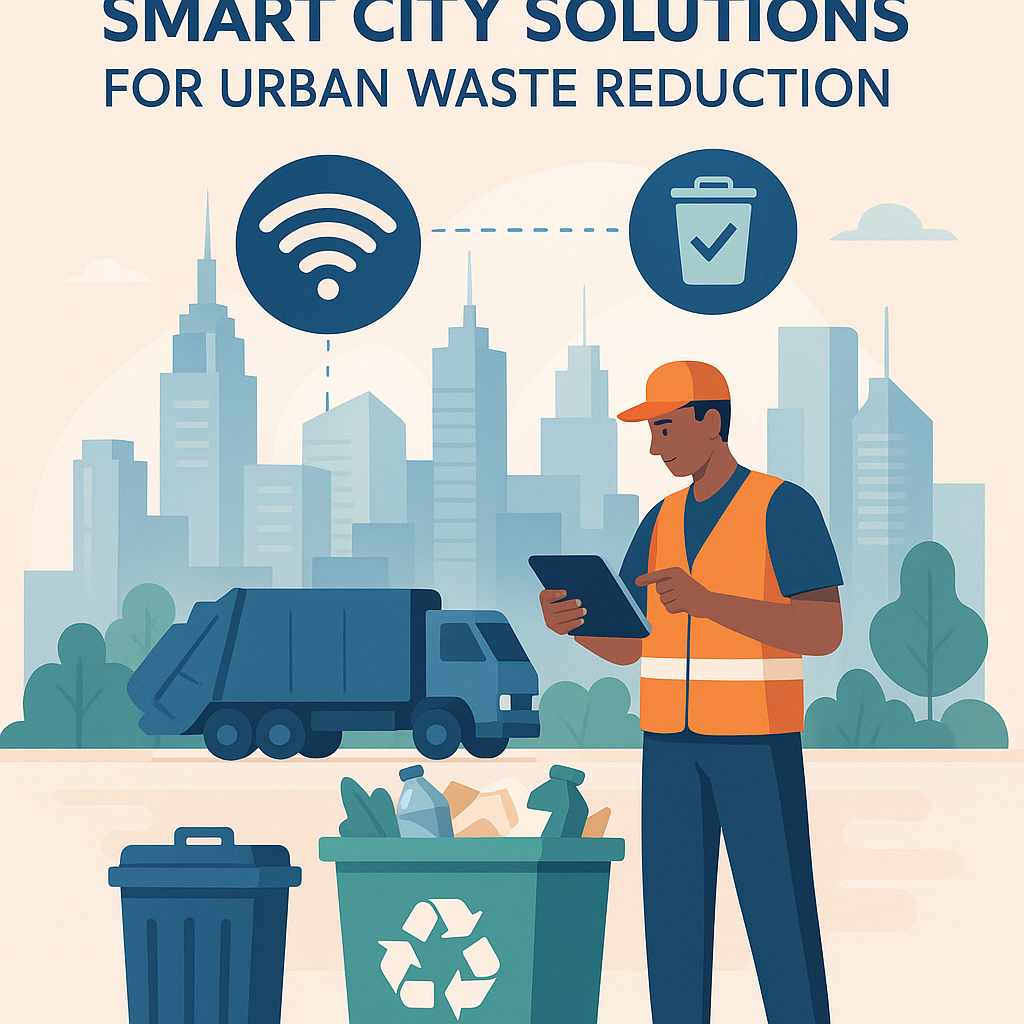
In recent years, the concept of smart cities has gained significant traction, with urban centers worldwide striving to integrate technology and sustainable practices into their infrastructure. A critical area where smart solutions can have a profound impact is waste reduction. Urban waste reduction matters for several reasons: it is crucial for environmental sustainability, reduces operational costs, and improves the quality of life for city residents. Cities generate substantial amounts of waste daily, and traditional methods of waste management often struggle to keep up. By implementing smart city solutions, urban areas can efficiently manage waste, minimize their carbon footprint, and set examples for others.
Internet of Things (IoT) for Waste Management
The integration of IoT technologies into waste management systems forms the backbone of smart waste management solutions. IoT involves connecting everyday objects to the internet, allowing them to send and receive data. When applied to urban waste management, IoT can transform waste collection processes, making them more efficient.
Consider the example of smart bins equipped with sensors that detect the level of waste inside them. These sensors can alert waste collection teams when the bins are full, or conversely, they can signal when bins are nearly empty. This data-driven approach ensures that waste collection occurs only when necessary, reducing fuel consumption and minimizing the manpower needed. Seoul, South Korea, has effectively implemented smart bins throughout the city, resulting in significant operational efficiencies and reduced waste overflow.
Moreover, IoT technologies can also be employed to track the types of waste materials collected, providing valuable insights into consumption patterns. This data can be leveraged to design better recycling and waste reduction programs tailored to specific neighborhoods or demographics.
Data Analytics for Optimal Resource Allocation
Data analytics adds another layer of efficiency to urban waste management. By analyzing data collected from various sources like IoT devices, waste management authorities can identify trends and forecast future needs. For instance, data analytics can reveal peak times for waste generation in different areas, allowing for more strategic allocation of resources.
- Predictive Analytics: Forecast future waste generation and assign resources accordingly.
- Behavioral Insights: Identify waste generation patterns tied to specific events or seasons.
- Real-time Adjustments: Make real-time adjustments to waste management routes based on data insights.
For example, New York City utilizes data analytics extensively within its sanitation department. By studying historical data, the city can optimize collection routes and schedules, significantly reducing the time and resources required to manage waste. This results in cost savings and a better environmental footprint.
Smart Recycling Programs
Smart recycling programs are paramount in reducing waste in urban areas. These programs leverage technology to improve the efficiency and effectiveness of recycling efforts. Smart recycling often incorporates AI-driven applications that help distinguish between recyclable and non-recyclable materials.
Imagine an automated recycling sorting facility that uses artificial intelligence to identify and segregate different types of waste. This level of automation increases the purity and quality of recyclables, which enhances their marketability and reduces contamination rates. Amsterdam’s innovative “WasteLab” project serves as an exemplary case where AI technologies facilitate the recycling of complex waste items, leading to higher efficiency and reduced human error.
Furthermore, smart recycling programs also encourage public participation by employing mobile apps that offer rewards for recycling efforts. It creates a community-driven approach to waste reduction, as citizens are incentivized to sort and recycle properly.
Transportation Innovations: Electric and Autonomous Waste Collection
The push toward sustainable waste management has led to innovations in waste collection transportation. Traditional diesel-powered garbage trucks significantly contribute to urban pollution. To address this, cities are transitioning to electric and even autonomous waste collection vehicles.
Electric waste collection vehicles drastically cut down on emissions, promoting cleaner air in cities. For example, Barcelona has piloted electric waste trucks in its public service fleet, managing to cut emissions while also reducing noise pollution.
Autonomous vehicles add to these benefits by reducing operational costs and increasing efficiency. They can run optimized routes and operate during off-peak hours, reducing traffic congestion. Although still in experimental stages, cities like San Francisco are testing autonomous waste vehicles, working towards a future where human intervention is minimal, thereby maximizing efficiency.
Community Engagement Through Technology
Another critical component of smart city waste management is engaging the community through technology. Cutting-edge platforms can educate and involve citizens in reducing waste sustainably. Mobile applications can provide real-time information about recycling programs, waste collections, and even environmental impact analytics.
Copenhagen is a great example of a city using technology to engage its residents. The “City Trash” app not only maps the nearest recycling stations but also tracks individual contributions to recycling efforts, enabling citizens to see their personal impact on the environment.
This participatory approach can profoundly augment city efforts to reduce waste by instilling personal responsibility and providing tangible rewards or feedback.
Collaboration and Smart Policy Design
Implementing smart waste management solutions requires collaborative efforts between governments, private entities, and the public. Creating policies that support technology adoption and investment in infrastructure is crucial for sustainable urban waste reduction.
| Stakeholder | Role |
|---|---|
| Government | Legislation and Funding |
| Private Sector | Innovation and Infrastructure |
| Public | Participation and Compliance |
Smart policies can incentivize businesses to adopt waste-reducing technologies and systems by offering tax breaks or subsidies. In Singapore, policy-driven collaboration among technology firms, government agencies, and researchers has fueled the city-state’s smart waste management solutions, serving as an excellent model for policies that align technology with sustainable urban planning.
Conclusion
Smart city solutions for urban waste reduction are not just commendable—it is imperative for the sustainable growth of urban centers globally. With cities becoming increasingly populous, efficient waste management technologies offer a way to ensure cleaner, more livable urban spaces. From IoT technologies and data analytics to smart recycling, electric vehicles, and active community engagement, each plays a pivotal role in this transformation.
The path towards efficient waste management, however, requires collective action. Policymakers, businesses, and everyday citizens need to participate actively, harnessing available technologies to effect real change. Cities adopting such forward-thinking measures will lead not only in technological innovation but also as exemplars of sustainability, setting the bar for others. As cities continue to evolve, embracing smart solutions for waste management will become an essential part of building resilient, sustainable urban environments.
A city aiming for smart waste management should take the necessary steps today: investing in technology, engaging communities, collaborating across sectors, and designing robust policies. Every action counts towards creating a smarter, cleaner, and more sustainable urban future.
Frequently Asked Questions
1. What are Smart City Solutions for Waste Reduction?
Smart city solutions for waste reduction incorporate advanced technologies and innovative practices to manage and minimize waste effectively in urban areas. These solutions can include sensor-based waste bins that alert when they’re full, automated waste collection systems, and AI-powered analytics for waste management. By integrating such technologies, cities can enhance efficiency in waste collection, improve recycling rates, and reduce the carbon footprint associated with waste management operations. These solutions aim not only to manage waste efficiently but also to promote a more sustainable and clean environment which ultimately improves the overall quality of life for city dwellers.
2. How do Smart Bins Work in Reducing Urban Waste?
Smart bins use a variety of technologies such as sensors, IoT (Internet of Things), and communication networks to manage and reduce urban waste more effectively. These bins are equipped with sensors that monitor the fill level of the bin. When they reach a certain capacity, they send alerts to waste management teams. This ensures that bins are emptied only when necessary, reducing unnecessary trips by waste collection vehicles and thus cutting down on emissions and fuel consumption. Additionally, some smart bins can compact waste, increasing the bin’s capacity and further reducing the frequency of collections. By optimizing these processes, smart bins play a crucial role in a city’s waste reduction strategy.
3. What Role Does Technology Play in Enhancing Recycling Efforts in Cities?
Technology plays a pivotal role in enhancing recycling efforts within cities by providing tools and systems that streamline and promote recycling processes. Some examples include the deployment of AI and machine learning algorithms to sort recyclables effectively in waste processing facilities, ensuring more accurate separation of materials. Moreover, mobile apps and online platforms can educate residents on what can and cannot be recycled, which helps reduce contamination in recycling streams. Furthermore, technology facilitates better tracking and analysis of recycling data, enabling cities to optimize their recycling programs by identifying trends and areas for improvement. Through technological enhancements, cities can significantly boost their recycling rates and overall efficiency in waste management.
4. Can Data Analytics Improve Waste Management in Urban Areas?
Absolutely, data analytics is a game-changer for waste management in urban areas. By collecting and analyzing vast amounts of data from various sources like smart bins, collection trucks, and recycling facilities, cities can gain critical insights into waste generation patterns and behaviors. This real-time data allows for predictive analytics, where waste management systems can anticipate demand and adjust operations accordingly. Cities can optimize routes for waste collection vehicles, reducing fuel consumption and emissions. Additionally, data analytics can help identify areas with higher waste generation, enabling targeted education campaigns to promote waste reduction and recycling. This informed decision-making process leads to more efficient and sustainable waste management practices, drastically reducing the overall waste footprint of a city.
5. What are the Benefits of Implementing Smart Waste Management Solutions in Urban Areas?
Implementing smart waste management solutions in urban areas offers a multitude of benefits, addressing a wide range of challenges faced by cities today. First and foremost, it leads to a significant reduction in the environmental impact of waste management by curbing emissions from collection vehicles through optimized routing and reducing landfill overflow through enhanced recycling efforts. Economically, smart solutions can reduce operational costs for cities by increasing efficiency in waste collection and processing. Additionally, these solutions enhance public health and quality of life by maintaining cleaner streets and reducing waste overflow issues. Beyond these immediate benefits, smart waste management promotes a culture of sustainability within the city, encouraging residents and businesses alike to adopt more eco-friendly practices which foster a more habitable urban environment for current and future generations.