In recent years, the significance of mental health has gained widespread recognition as an integral component of overall well-being. Mental health encompasses emotional, psychological, and social well-being, influencing how individuals think, feel, and behave on a day-to-day basis. It plays a crucial role in determining how people handle stress, relate to others, and make choices throughout their lives. The urban environment—characterized by dense populations, fast-paced lifestyles, and ever-present stressors—presents unique challenges to mental health. Consequently, improving mental health services in urban areas is essential, not only to support individuals in need but also to promote healthier communities.
The need for enhanced mental health services in urban areas is underscored by the fact that they are often home to diverse populations with varied socio-economic backgrounds, differing levels of access to resources, and distinct cultural perspectives. This diversity further complicates the provision of effective mental health care. Moreover, urban environments can exacerbate feelings of isolation, anxiety, and depression due to factors such as overcrowding, noise pollution, and limited green spaces. In addressing the mental health needs of urban populations, it becomes imperative to explore solutions that are both accessible and culturally sensitive, catering to the unique demands of city living. As we delve into various strategies and examples of successful implementations, the overarching goal remains: to create urban areas where robust mental health services empower individuals and communities to thrive.
Integrating Technology into Mental Health Services
The integration of technology into mental health services has emerged as a powerful tool to bridge the gap between demand and availability. With the proliferation of digital platforms, mental health resources have become more accessible to a wider audience. An exemplary model of this is the use of teletherapy, where individuals can receive therapeutic services through video calls, telephone, or text messaging. Teletherapy has revolutionized the way mental health services are delivered, providing convenience and reducing the stigma associated with seeking help.
A real-world example can be seen in New York City, where various online platforms offer cognitive-behavioral therapy and counseling services to city dwellers. These platforms have proven particularly beneficial for those who may struggle to access in-person services due to busy schedules or mobility issues. By offering a flexible and confidential option, technology enhances the reach and efficacy of mental health services.
Beyond teletherapy, mental health apps have become an essential part of self-care routines for many urban residents. These apps provide users with tools to manage stress, track mood changes, and engage in mindfulness practices. Furthermore, data collected through these apps can offer valuable insights for mental health professionals to tailor treatment plans effectively.
Community-Based Support Networks
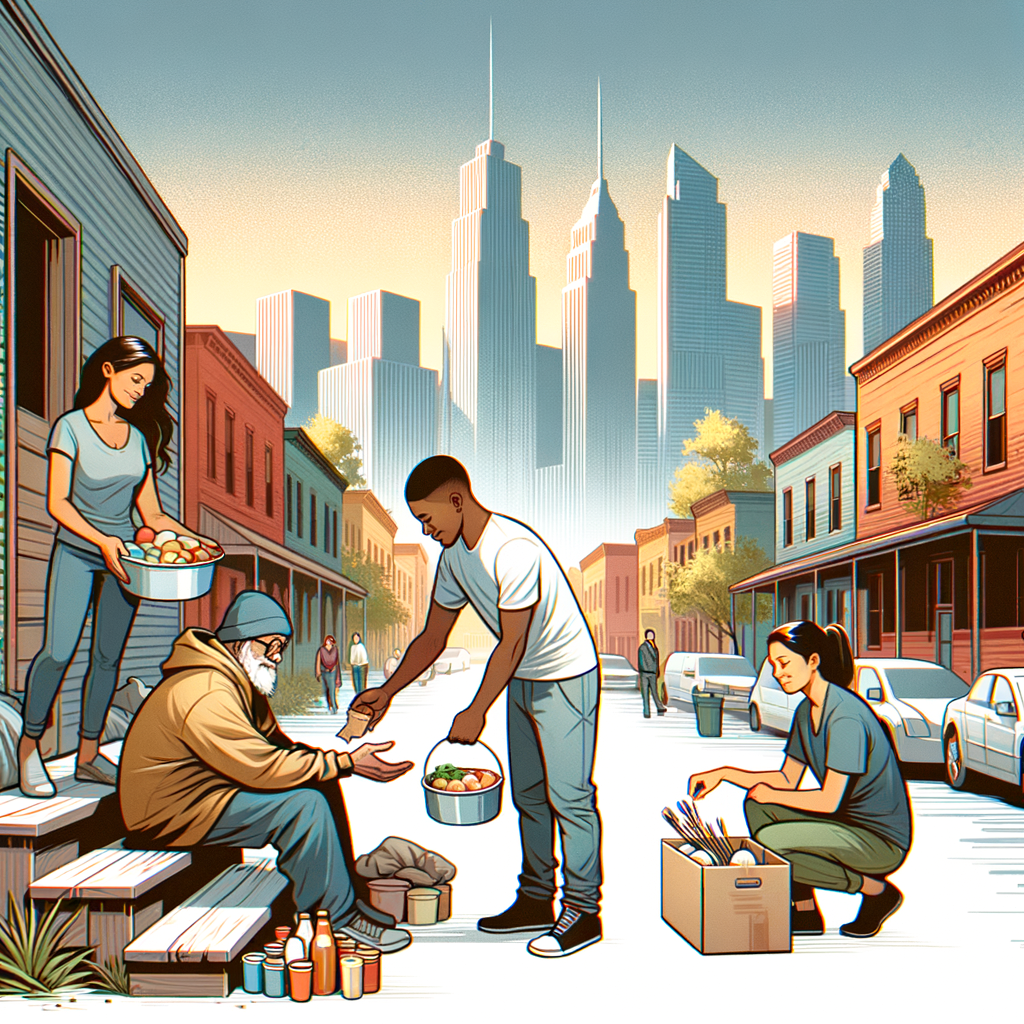
Community-based support networks play a pivotal role in improving mental health services in urban areas. These networks foster a sense of belonging and connection, which are crucial components of mental well-being. Support groups, peer counseling, and community events provide platforms for individuals to share experiences, seek guidance, and offer support to one another, thus reducing feelings of isolation.
The success of community-based approaches is aptly demonstrated in the urban landscape of Los Angeles. Organizations such as NAMI (National Alliance on Mental Illness) have established peer-led support groups that cater to diverse communities. These groups offer safe spaces for individuals to discuss their challenges and find comfort in shared experiences. Such initiatives not only empower individuals but also strengthen the overall resilience of urban communities.
Furthermore, community centers often collaborate with local healthcare providers to offer mental health screenings and educational workshops. By fostering partnerships between healthcare systems and community organizations, mental health services can be tailored to meet the specific needs and cultural nuances of urban populations, thereby ensuring greater accessibility and acceptance.
Expanding Access to Mental Health Professionals
The availability of qualified mental health professionals is a cornerstone of effective mental health services. However, urban areas often face shortages of these professionals, creating a significant barrier to accessing care. To address this issue, initiatives have been implemented to attract and retain mental health professionals in urban settings.
An illustrative effort can be observed in Chicago, where programs have been established to provide tuition reimbursement and loan forgiveness to mental health professionals who commit to working in underserved urban areas. These incentives not only help alleviate financial burdens but also encourage professionals to serve where they are needed most.
Additionally, collaborations between universities and urban mental health clinics have facilitated the training of new therapists and psychologists. By creating pipelines for emerging professionals to gain experience in urban settings, these collaborations ensure the continuous presence of a qualified workforce. Furthermore, diversifying the pool of mental health professionals to include various cultural and linguistic backgrounds enhances the cultural competence of services offered to diverse urban populations.
| Urban Area | Initiative | Impact |
|---|---|---|
| New York City | Teletherapy Platforms | Increased access and convenience |
| Los Angeles | Peer Support Groups | Reduced isolation and stigma |
| Chicago | Loan Forgiveness Programs | Retention of mental health professionals |
Culturally Sensitive Mental Health Services
The delivery of culturally sensitive mental health services is essential in urban areas characterized by diverse populations. Culturally sensitive services acknowledge and respect the cultural, social, and linguistic differences of individuals, ensuring that care is both effective and equitable.
In places like Toronto, Canada, mental health services have made significant strides in integrating cultural competence into their frameworks. Initiatives such as the Regent Park Community Health Centre have developed programs that incorporate cultural practices and languages into therapy sessions, allowing individuals from immigrant communities to engage with mental health services comfortably.
Cultural competence is achieved by training mental health professionals to understand and appreciate different cultural perspectives and by providing language translation services when needed. This tailored approach helps break down barriers that might prevent individuals from seeking help and ensures that mental health care is personalized and respectful of cultural identities.
Utilizing Green Spaces for Mental Health
Urban areas, often dominated by concrete structures and bustling streets, typically lack sufficient green spaces. However, access to nature is vital for mental health, providing a tranquil escape from the stressors of urban life. Research consistently demonstrates the positive effects of green spaces on mental well-being, including reduced anxiety, improved mood, and enhanced cognitive functioning.
An inspiring initiative is the city of Melbourne’s Urban Forest Strategy, which aims to increase the city’s green canopy to 40% by 2040. The strategy focuses on planting more trees, creating pocket parks, and enhancing existing green spaces. These efforts are designed to improve air quality and provide residents with opportunities to access nature within the urban landscape.
By prioritizing the integration of green spaces in urban planning, cities can offer their residents numerous benefits, including opportunities for leisure and recreation, which are essential for a balanced and healthy lifestyle.
Summarizing Key Takeaways and Future Directions
Improving mental health services in urban areas is a multifaceted endeavor that requires a comprehensive approach encompassing technological integration, community-based support, professional access, cultural sensitivity, and the inclusion of green spaces. The examples from New York City, Los Angeles, Chicago, Toronto, and Melbourne serve to illustrate the diverse and innovative strategies that cities worldwide are employing to enhance mental health services.
These efforts highlight the importance of adopting flexible and culturally aware approaches, as well as the need to harness technology and natural environments to improve well-being. The ultimate benefit of these initiatives is the creation of urban communities where individuals feel empowered, supported, and connected, helping them to lead fulfilling and productive lives.
As the conversation around mental health continues to evolve, individuals and policymakers alike are encouraged to advocate for inclusive and effective mental health services in their communities. By committing to continuous improvement and collaboration, we can move towards a future where mental health is prioritized, and all urban residents have the opportunity to thrive.
Engage with your local community initiatives, support mental health policies, and take personal steps to ensure mental well-being. Together, we can cultivate urban environments where mental health services are accessible, equitable, and effective.
Frequently Asked Questions
1. Why is improving mental health services in urban areas so important?
Improving mental health services in urban areas is critical due to several factors unique to these environments. Urban areas are typically characterized by higher density populations, faster-paced lifestyles, and a myriad of stressors related to living conditions, work pressures, and social dynamics. These factors can exacerbate mental health challenges, making it imperative to provide robust and accessible mental health services. By enhancing these services, we can support the emotional, psychological, and social well-being of individuals, which is foundational for healthy, resilient communities. Effective mental health services can help reduce the prevalence of mental health disorders, improve quality of life, and foster environments where people can thrive both personally and professionally.
2. What are the main challenges to accessing mental health services in urban areas?
There are several challenges to accessing mental health services in urban areas. One significant issue is the high demand-to-supply ratio; with more people in a smaller area, services can become overburdened, leading to longer wait times and insufficient care options. Additionally, socio-economic factors often come into play, as individuals in urban environments may face financial barriers, lack of insurance coverage, or limited resources for mental health care. Stigmatization of mental health issues can also deter individuals from seeking help. Geographic barriers, while less of an issue in urban areas compared to rural ones, can still matter if services are centralized in inaccessible locations, especially for those with mobility challenges or limited transportation options. Addressing these challenges requires intentional planning and investment to ensure equitable access to care for all urban residents.
3. How can urban areas enhance their mental health services to better support their residents?
Urban areas can enhance their mental health services by implementing several strategic measures. First, increasing funding and resources to expand existing mental health infrastructures is crucial. This includes hiring more health care professionals, expanding facilities, and integrating mental health services into primary care settings to improve accessibility. Establishing community-based mental health centers can also provide localized support tailored to the specific needs of diverse urban populations. Furthermore, leveraging technology, such as telemedicine, can bridge gaps for individuals unable to visit in-person services. Public awareness campaigns aimed at de-stigmatizing mental health and educating residents about available resources are also essential. Finally, collaboration between government bodies, non-profit organizations, and private sectors can lead to more comprehensive and effective mental health solutions.
4. What role does technology play in improving mental health services in urban areas?
Technology plays a transformative role in improving mental health services in urban areas. Telehealth and teletherapy platforms have become particularly crucial in extending the reach of mental health services, allowing individuals to access care remotely from the comfort of their homes. This is especially beneficial in overcoming geographical and transportation barriers. Moreover, mental health apps and online resources offer tools for self-monitoring and self-care, providing users with immediate coping strategies and mental health tracking. Digital platforms can also help facilitate support groups, providing community and shared experiences through virtual means. However, it’s essential to ensure these technologies are accessible to all, including those who may face technological literacy or access challenges. With thoughtful implementation, technology can significantly enhance mental health services, making them more efficient, diverse, and adaptable to the needs of urban populations.
5. What role do community-based programs play in supporting mental health in urban areas?
Community-based programs are fundamental in supporting mental health in urban areas due to their ability to provide localized, culturally sensitive care tailored to the specific needs of the community. These programs are often more accessible and relatable to those in need, as they can leverage local knowledge and community trust to effectively address and remove barriers to mental health care. They offer varying services such as counseling, workshops, peer support groups, and stress management seminars. Community programs also play an educational role, raising awareness and reducing stigma around mental health issues. By fostering strong community networks, these programs create supportive environments where individuals feel safe to seek help. Additionally, involving community members in program development ensures that services are continuously adapting to meet evolving needs, ultimately leading to more resilient communities that can effectively respond to mental health challenges.