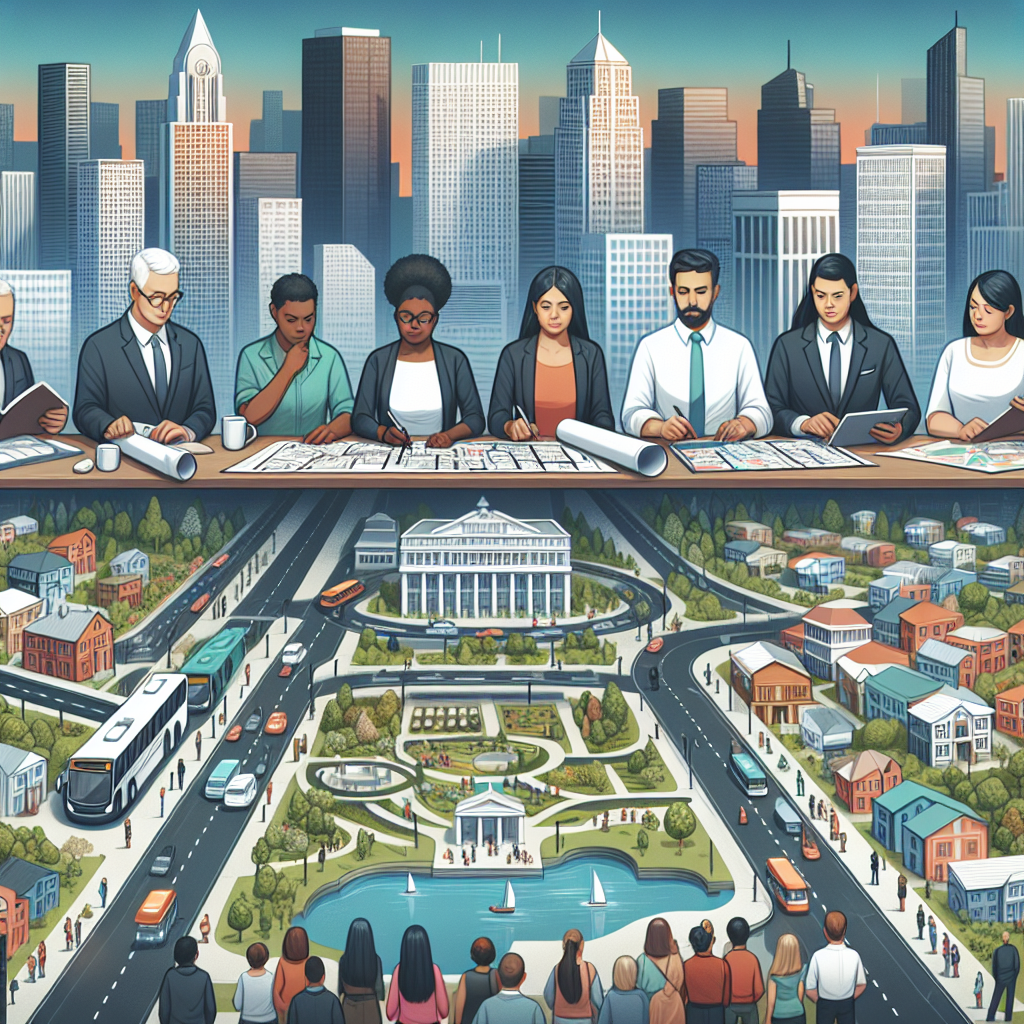
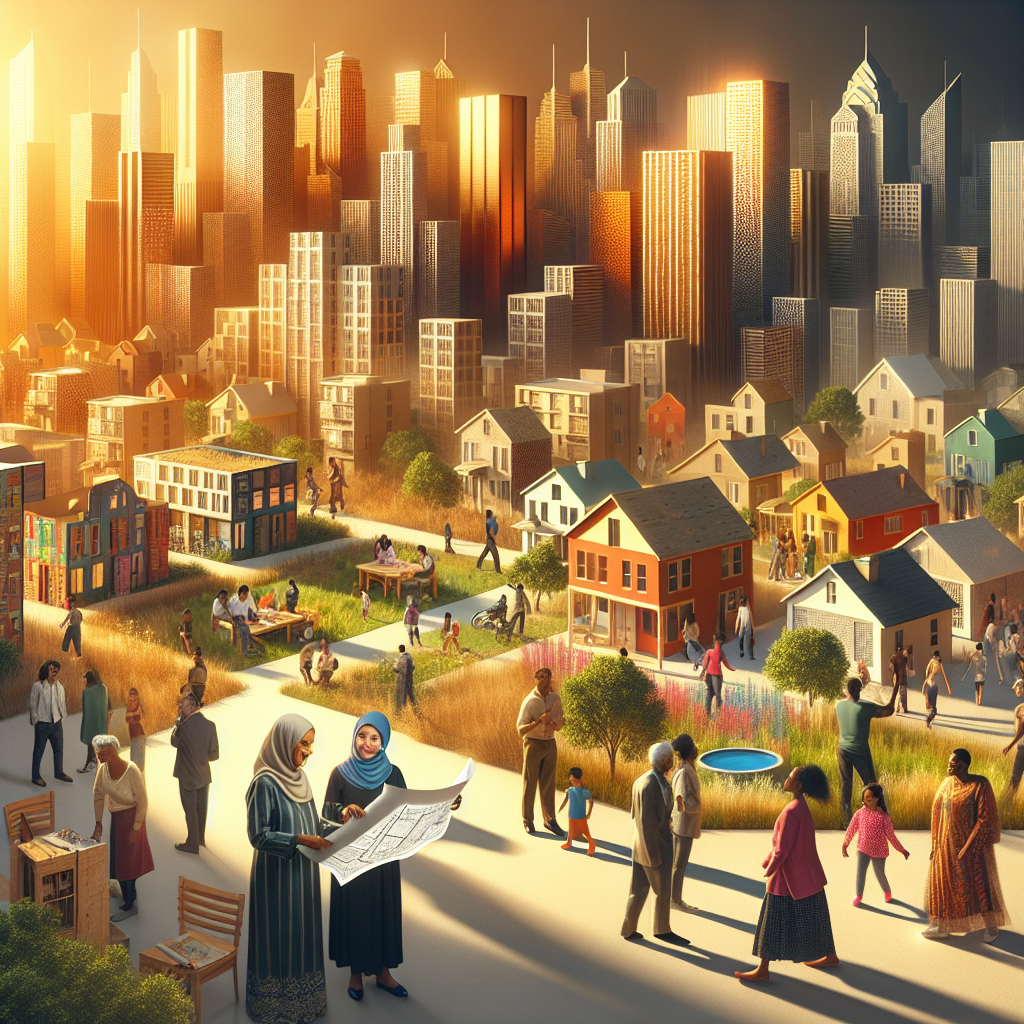
Inclusive urban design is a transformative approach to the construction and configuration of urban spaces. It attempts to cater to the needs of every individual, regardless of physical ability, age, gender, or socioeconomic status. Underpinning this philosophy is the notion that cities should be accessible and welcoming environments for all people. In an era characterized by unprecedented levels of urbanization, the importance of inclusive urban design has never been more pronounced. By ensuring that infrastructure is universally accessible, cities not only promote social equity but also stimulate economic growth. When urban spaces are inclusively designed, they become vibrant assemblies of social activity, fostering community engagement and a sense of belonging for everyone. Investing in inclusivity today is essential for building resilient cities of the future.
The Principles of Inclusive Urban Design
Inclusive urban design is founded upon several key principles, which serve as guidelines for planners and designers in their efforts to create egalitarian spaces. These principles ensure that urban environments cater to a broad range of needs, ultimately enhancing the quality of life for all urban dwellers.
One foundational principle is universal access. This concept demands that public spaces be designed to accommodate all individuals, including those with disabilities. For instance, a city park that incorporates wide, gently sloping pathways and ramps instead of stairs demonstrates this commitment to universal access. Another principle is the integration of diverse social and cultural interactions. By creating spaces that encourage interaction among different demographic groups, urban design can help reduce social isolation. For example, community gardens situated within multigenerational neighborhoods can bring together people of varying ages and cultures.
To ensure inclusivity, designers must also prioritize adaptability and flexibility. Cities are dynamic entities, and urban spaces should reflect this by being capable of evolving to meet changing needs. A prime example is the adaptive reuse of old industrial buildings into mixed-use spaces, like the transformation of former factories into artist studios, co-working spaces, and community centers.
- Universal Access: Wide, sloping pathways and ramps
- Social & Cultural Integration: Community gardens in neighborhoods
- Adaptability: Conversion of old factories into mixed-use spaces
Case Study: Barcelona’s Superblocks
Barcelona’s Superblocks initiative is a noteworthy example of inclusive urban design in action. The city has reimagined its grid by creating “superblocks,” groups of nine city blocks where car traffic is restricted and pedestrian and cyclist access is prioritized. Within these superblocks, streets have been redesigned to accommodate a spectrum of activities and transit modes.
The results have been transformative. Streets once dominated by vehicles are now vibrant, living spaces filled with children playing, adults exercising, and seniors socializing. Small businesses have flourished as the area’s accessibility has improved, and air quality has noticeably increased. Barcelona’s initiative embodies the inclusive design principle of prioritizing pedestrian access and community engagement.
The Role of Technology in Inclusive Urban Design
In the digital age, technology has emerged as a powerful tool for advancing inclusive urban design. Smart technologies enable the optimization of urban environments to better serve the needs of diverse populations.
Technological advancements, such as mobile navigation applications and IoT-enabled infrastructure, assist in making cities more navigable and user-friendly. Applications providing real-time updates on public transport systems can alleviate the stress and uncertainty faced by the elderly and disabled. In addition, digital kiosks offering information in multiple languages can enhance understanding and access for international residents and visitors, exemplifying inclusivity in technology.
Ziekerplein Square: An Example of Integrative Design
Ziekerplein Square in Nijmegen, Netherlands, serves as a testament to integrative urban design. This public square was redesigned with a strong emphasis on inclusivity and sustainability. Its conceptualization and execution involved active collaboration with a diverse range of community members to ensure the final design reflected collective needs and preferences.
The square features green spaces, multifunctional areas equipped for public events, and wide walkways that cater to all age groups and mobility needs. Importantly, the design incorporates sustainable features such as rain gardens, which manage stormwater effectively, contributing to an environmentally sustainable urban environment.
Benefits of Inclusive Urban Design
The potential benefits of inclusive urban design are comprehensive and manifold. Economically, well-designed public spaces can increase local business activities and attract tourism. Socially, they act as catalysts for community interaction, helping to bridge social gaps and cultivate a sense of belonging.
Environmental benefits should not be overlooked. By encouraging pedestrian movement over vehicular use, inclusive urban design contributes to reduced carbon emissions, improved air quality, and the promotion of healthier lifestyles. Furthermore, accommodating sustainable technologies and practices within urban design promotes resilience against environmental challenges, such as climate change.
| Benefits | Examples |
|---|---|
| Economic | Increased business activity, tourism attraction |
| Social | Community interaction, social engagement |
| Environmental | Reduced emissions, healthier lifestyles |
Overcoming Challenges in Inclusive Urban Design
Despite its numerous benefits, inclusive urban design presents a variety of challenges that require careful navigation. One significant hurdle lies in the allocation of resources. Inclusive projects often demand substantial investment, and budget limitations can inhibit their realization. Strategic planning and cross-sector collaboration are crucial to overcoming these financial obstacles.
Resistance to change is another potential barrier. Communities can sometimes hesitate to embrace new urban designs, particularly when they disrupt the status quo. Comprehensive communication and stakeholder engagement help to foster community buy-in, as does the demonstration of design benefits through smaller pilot projects before scaling efforts.
The Future of Urban Design: Making Cities Truly Inclusive
The future of urban design hinges on the continued commitment to inclusion, equity, and accessibility. To build cities that genuinely accommodate everyone, it is critical to include diverse voices in the planning process and embrace technology-driven solutions. Innovations, such as augmented reality city guides for the visually impaired, or urban sensing technologies that monitor and improve air quality, hold enormous potential to advance inclusivity in urban design.
As urban planners and policymakers gain a deeper understanding of inclusive principles, the opportunity arises to create cities that exemplify social harmony and environmental sustainability. Encouragingly, international collaborations and knowledge-sharing platforms provide valuable insights and strategies to guide these efforts globally.
Conclusion: Embracing a Customized and Engaged Approach
To summarize, inclusive urban design involves orchestrating urban layouts that cater inclusively to the multitude of city dwellers, promoting accessibility, equity, and environmental responsibility. Key principles like universal access, adaptability, and integration are fundamental to ensuring the inclusive nature of urban spaces. Exemplary initiatives such as Barcelona’s Superblocks and Nijmegen’s Ziekerplein Square illustrate the power of inclusive cities.
By driving economic growth, fostering social engagement, and facilitating environmental sustainability, inclusive urban design offers tangible benefits to communities. The path forward involves innovative use of technology and strategic stakeholder engagement. For policymakers and urban designers, the call to action is clear: advocate for and implement urban planning decisions that consider the needs of the diverse populations they serve.
Communities and individuals alike must also participate in shaping their environments, collaborating on the creation and maintenance of spaces that reflect inclusive principles. By embracing inclusivity in urban design today, we commit to shaping cities that will thrive sustainably and equitably for all.
Frequently Asked Questions
1. What is inclusive urban design and why is it important?
Inclusive urban design is an approach to developing urban spaces that considers the diverse needs of individuals, ensuring accessibility and comfort for everyone. It transcends traditional design by integrating the requirements of people with different physical abilities, ages, genders, and socioeconomic backgrounds. The significance of this design philosophy lies in its capability to transform cities into welcoming environments that foster equality and social integration. In context, the rapid urbanization that we witness today underscores the necessity for such inclusive strategies. As more people migrate into cities, the demand for spaces that can accommodate diverse needs grows. This approach not only creates functional spaces but also cultivates a supportive community ethos by promoting accessibility, safety, and belonging. By designing with People in mind, cities are better positioned to be sustainable and thrive as inclusive societies.
2. How does inclusive urban design address the needs of people with disabilities?
Inclusive urban design, at its core, places significant emphasis on accessibility for individuals with disabilities, ensuring they can navigate urban spaces with ease and independence. This involves implementing features such as smooth, wide pavements for wheelchair users, tactile paving for people with visual impairments, and audible signals at traffic crossings. It also includes creating more seating areas with armrests, and designing public transport systems with lower entry points and designated spaces for wheelchairs and service animals. Beyond physical accessibility, inclusive urban design advocates for multisensory environments—spaces where lighting, sounds, and textures are used to guide and reassure users. By addressing these diverse needs, urban planners and designers not only aid those with disabilities but also enhance usability for everyone, including families with strollers or elderly individuals with limited mobility. Ultimately, this ensures that the urban landscape is as inclusive as possible, contributing to a society where every individual can enjoy a dignified and independent life.
3. What are examples of inclusive urban design practices for older adults?
For older adults, inclusive urban design seeks to create environments that are both safe and conducive to active aging, recognizing that older individuals may face specific mobility and sensory challenges. Examples include pedestrian pathways with even surfaces, more frequent rest areas with comfortable seating, and enhanced lighting to improve visibility during evening hours. In addition, incorporating clearer signage with larger text and contrast aids those with diminishing eyesight. Age-friendly public transport options, such as low-floor buses and metro services with minimal gaps, facilitate ease of use. Furthermore, the placement of amenities and services close to residential areas ensures that older adults have convenient access to healthcare, shopping, and social opportunities without needing long commutes. These thoughtful design choices not only empower older adults to maintain their independence but also strengthen the social fabric, enabling multigenerational interactions within urban settings.
4. How can inclusive urban design contribute to gender equity in city spaces?
Inclusive urban design is a powerful tool in promoting gender equity by addressing the unique needs and concerns of different genders within urban settings. Thoughtful consideration in the layout and construction of urban spaces can enhance safety and accessibility for women, enabling them to fully participate in public life. For instance, designing well-lit streets and public transport stations improve safety perceptions and reduce the risk of harassment. The availability of facilities such as baby changing areas in both men’s and women’s restrooms fosters shared parenting responsibilities, challenging traditional gender norms. Public spaces that incorporate recreational areas mindful of women’s sports and social activities promote equal opportunities for leisure and exercise. All of these elements are crucial for creating an urban environment where gender does not determine the level of access or engagement within city spaces. Consequently, by employing inclusive urban design, cities can become platforms of equality, offering fair and equal opportunities for all genders.
5. What role do socioeconomic factors play in inclusive urban design?
Socioeconomic factors are integral to the concept of inclusive urban design, recognizing that financial constraints can limit or broaden individuals’ access to urban amenities and services. To mitigate these disparities, inclusive design incorporates affordable housing options, ensuring that low-income individuals and families are not relegated to marginalized areas lacking essential services. Public transportation systems are enhanced and made more affordable, thus granting reliable mobility for individuals without private vehicles. Access to parks, recreation centers, and public spaces is democratized, with free or low-cost entry ensuring that financial status does not limit engagement. Supporting infrastructure like free public Wi-Fi and community centers provide educational and employment opportunities to disadvantaged groups, thus combating the digital divide and promoting social mobility. By integrating these considerations, inclusive urban design transforms cities into equitable environments where everyone, regardless of their economic background, can thrive and contribute positively to the community. Ultimately, the inclusion of socioeconomic dimensions in urban planning ensures a holistic approach to building cities that serve the diverse tapestry of their inhabitants.