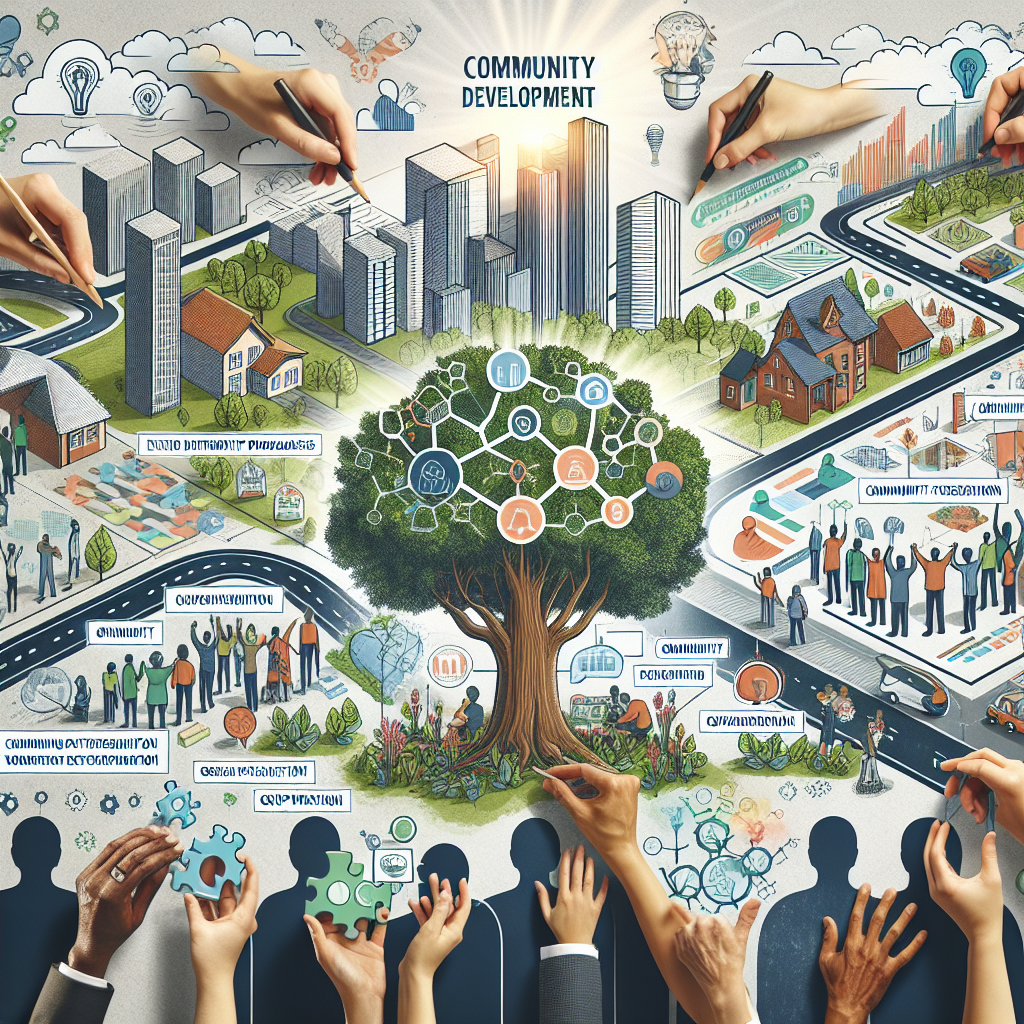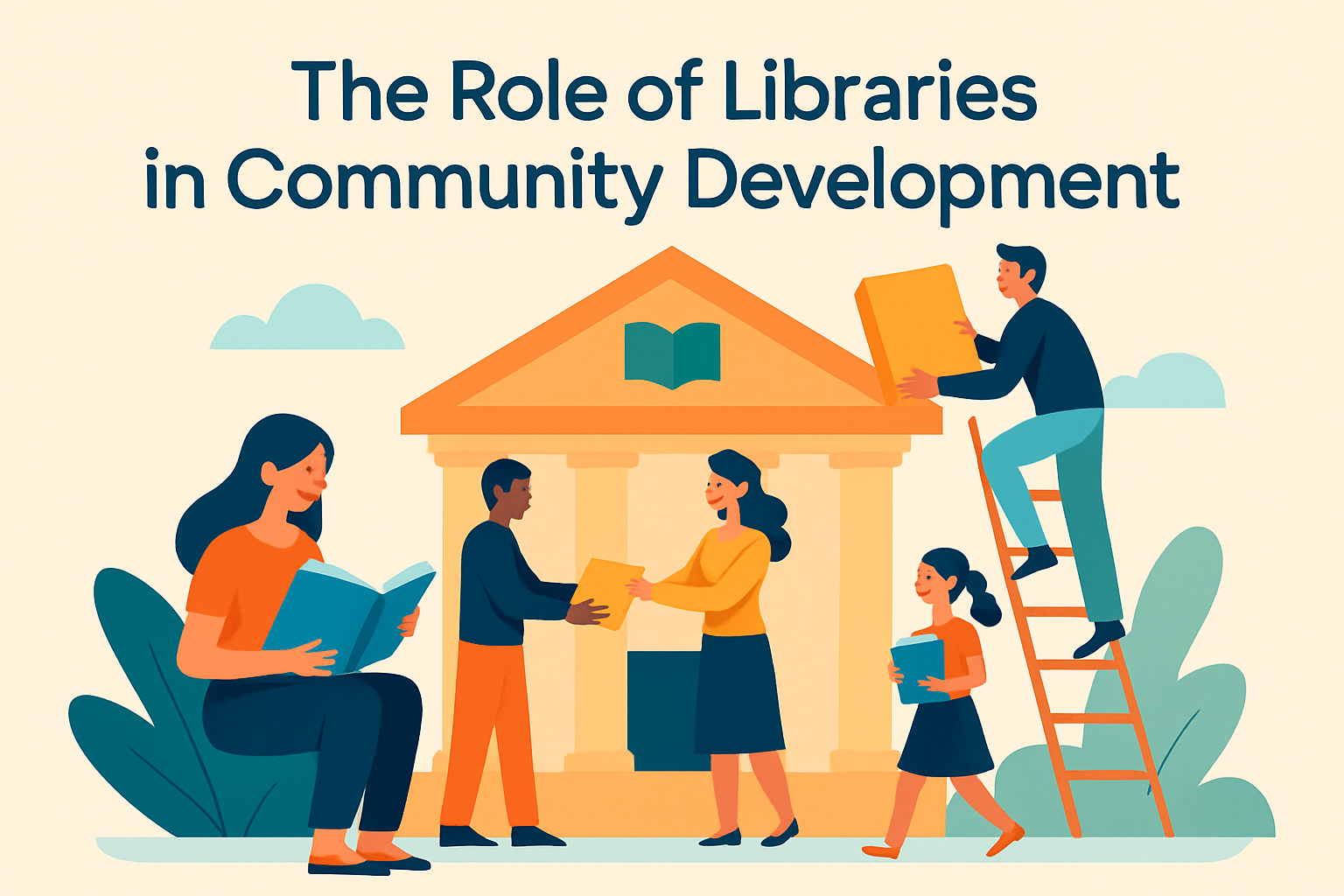
In an era defined by rapid technological advancement and global connectivity, the role of libraries in community development remains as vital as ever. Libraries are not merely repositories of books; they are dynamic centers for education, recreation, and empowerment. Libraries play a crucial role in fostering community engagement, supporting economic development, facilitating lifelong learning, and promoting equal access to information. The significance of libraries extends far beyond the collection of books—they serve as pillars of community growth and development. As public funding and resource allocation become increasingly prioritized, it’s essential to understand the multifaceted roles libraries play in community development, thus justifying their continued support and evolution.
Libraries as Centers for Lifelong Learning
Libraries have transitioned from being mere book depositories to becoming vibrant centers for lifelong learning. They offer various programs and resources catering to learners of all ages—be it toddlers attending storytime sessions or adults enrolling in workshops for skill development. For instance, the New York Public Library offers free coding classes and access to LinkedIn Learning courses for skill enhancement. By acting as accessible avenues for education and skill development, libraries contribute significantly to individual growth and, consequently, community development.
These lifelong learning opportunities are not limited to formal education. Libraries provide resources and spaces for hobbies, creative workshops, and learning circles, fostering a culture of continuous personal and professional growth. They encourage community members to explore new interests and refine existing skills, supporting an ecosystem that values knowledge and competence.
Economic Empowerment through Libraries
Libraries serve as critical enablers of economic development within the community. With access to free internet, workshops on resume writing, job search assistance, and even one-on-one mentoring sessions, libraries play a pivotal role in reducing barriers to economic opportunities. The Seattle Public Library, for example, hosts monthly job fairs and resume clinics, offering community members a chance to network with employers and learn valuable skills for the job market.
These services are not only beneficial to job seekers but also to entrepreneurs and small business owners. Libraries offer access to business databases, market research materials, and startup workshops that can help local businesses thrive. By supporting entrepreneurship and economic empowerment, libraries contribute to a more vibrant, resilient local economy, ultimately enhancing community wellbeing and development.
Promoting Digital Inclusion and Literacy
The digital divide is a critical issue that libraries actively work to bridge. By providing free access to computers, the internet, and digital literacy workshops, libraries ensure that all community members, regardless of socioeconomic status, can participate in the digital world. This access is particularly vital in rural or underprivileged areas where technology might otherwise be out of reach.
Take the example of the San Antonio Public Library’s “Project Connect,” which offers mobile hotspot lending services, ensuring that community members can access the internet even outside library walls. Through initiatives like these, libraries support digital inclusion, ensuring everyone can engage with and benefit from technology in their personal and professional lives.
Libraries as Community Hubs
Beyond books and resources, libraries foster a sense of community and social interaction. They host events like cultural festivals, author visits, and community meetings, providing a neutral space for individuals to connect. For example, the Chicago Public Library hosts the “One Book, One Chicago” program, encouraging city-wide reading and discussions to foster community connectivity and shared learning.
Libraries also provide meeting spaces for clubs, nonprofits, and community organizations, acting as nerve centers for community interaction and collaboration. These activities not only enrich the community’s cultural fabric but also help in addressing social isolation, enhancing community bonds, and promoting a collaborative spirit essential for community development.
Facilitating Cultural Preservation and Diversity
Libraries play an instrumental role in preserving and celebrating cultural heritage and diversity. They collect, archive, and make accessible materials that reflect the cultural diversity of the communities they serve. Libraries like the Los Angeles Public Library host collections and exhibitions that highlight the history and contributions of diverse cultural groups within the city, promoting understanding and appreciation among community members.
By organizing cultural events, libraries encourage cross-cultural dialogue and learning, fostering an inclusive environment that celebrates diversity and supports community cohesion. This commitment to cultural preservation and education enhances the community’s shared identity and history, furthering its development.
- Free access to information and resources
- Support for job seekers and entrepreneurs
- Promotion of literacy and lifelong learning
- Cultural preservation and celebration of diversity
Supporting Health and Wellness Initiatives
In addition to educational and economic initiatives, libraries also contribute to community health and wellness. Library programs often include health fairs, mental health workshops, and access to healthcare resources. The Denver Public Library, for example, partners with local health providers to offer free health screenings and wellness programs.
These initiatives help raise awareness about health issues, promote healthy living, and provide access to critical health information and services. By supporting health and wellness, libraries contribute to the overall wellbeing of the community, making them invaluable allies in community health initiatives and development efforts.
Conclusion
In summary, libraries are indispensable assets in the drive for community development. By providing access to resources and educational opportunities, supporting economic empowerment, promoting digital literacy, and acting as community hubs, libraries play a multifaceted role in fostering community growth and resilience. Their contributions to cultural preservation, inclusion, and health and wellness further underscore their critical role in building vibrant, sustainable communities.
The impact of libraries is profound and far-reaching, benefiting individuals and the community as a whole. As community members, policymakers, and stakeholders, it is our collective responsibility to support and advocate for libraries, ensuring they continue to thrive and serve as catalysts for community development. Visit your local library today, engage in its programs, and support its evolution—take an active role in nurturing the development of your community through the outstanding resources and services that libraries offer.
Frequently Asked Questions
1. How do libraries contribute to community development?
Libraries play a crucial role in community development by serving as dynamic hubs for learning, culture, and social interaction. At their core, libraries are about much more than just lending books. They offer a wide array of programs and services that cater to people of all ages and backgrounds. For instance, libraries host educational workshops and seminars that can help community members acquire new skills, such as résumé writing, digital literacy, or language learning. They also provide spaces for community gatherings, discussions, and cultural events, fostering a sense of belonging and community spirit.
Moreover, libraries support economic development by offering resources such as job postings, industry reports, and access to computers and the internet for job searches and online applications. They enable lifelong learning by providing free access to a wealth of information in various formats – books, e-books, journals, and databases – which can help individuals stay informed and engaged with the world around them.
2. In what ways do libraries support equal access to information?
One of the fundamental missions of libraries is to ensure that everyone has equitable access to information. Libraries do this by providing a vast selection of resources that cover a wide range of topics and interests, available to anyone who walks through their doors, often without charge. This is particularly important in bridging the gap between those who have access to information technology and the internet, and those who do not.
Through public computers and free Wi-Fi, libraries offer internet access to people who might not have it at home, enabling them to search for jobs, research information, or simply explore the web. Additionally, libraries curate book collections and subscribe to databases that can support diverse languages and cultures, making it easier for non-native speakers and cultural minorities to find relevant and meaningful materials. This inclusivity and accessibility are essential in ensuring that all community members can participate fully in the economic, political, and social life of their community.
3. How do libraries foster lifelong learning?
Libraries are champions of lifelong learning, offering people of all ages opportunities to expand their knowledge and skills throughout their lives. They do this by providing access to an extensive range of educational resources, from traditional books to modern digital media, including audiobooks, e-books, and online courses. Many libraries partner with educational institutions, local experts, and community organizations to offer classes and workshops on topics such as financial literacy, technology, arts and crafts, health and wellness, and much more.
Furthermore, libraries support self-directed learning through their vast collections and the assistance of knowledgeable staff who can guide patrons in finding the information they need. They also create environments conducive to study and research, with quiet spaces, study rooms, and comfortable seating arrangements. Through these means, libraries enable individuals to pursue personal interests, professional development, and education, thus enriching their lives and contributing to the community’s overall well-being.
4. What is the economic impact of libraries on communities?
The economic impact of libraries on communities is significant in several ways. By providing free access to information and resources, libraries help individuals acquire skills and knowledge that can lead to employment opportunities and career advancement. In times of economic hardship, libraries are especially vital as they offer job search assistance, such as résumé writing workshops, career counseling sessions, job fairs, and access to job databases and listings.
Libraries also support local businesses and entrepreneurs by offering resources on business planning, market research, and industry trends. They may even host panels, networking events, and seminars where business owners and aspiring entrepreneurs can engage with local experts and fellow community members. Furthermore, libraries often partner with economic development organizations to support small business initiatives and incubate innovative ideas that stimulate local economies.
In addition to these direct contributions, libraries serve as community anchors, attracting people to downtown areas and commercial districts where library patrons may also frequent nearby shops, cafes, and restaurants, further bolstering the local economy.
5. How do libraries facilitate community engagement?
Libraries facilitate community engagement by serving as accessible and inclusive spaces where people can gather, learn, and collaborate. They offer programs and events designed to engage various segments of the community, from storytimes for children and families to book clubs and author talks for adults. These activities not only entertain but also provide opportunities for community members to connect with one another and build relationships.
Furthermore, libraries often host forums, panel discussions, and town hall meetings on pertinent community issues. By doing so, they create platforms for civic engagement and dialogue, empowering individuals to share their perspectives and participate in decision-making processes that impact their lives. Libraries may also collaborate with local organizations, schools, and government agencies to sponsor community projects, cultural celebrations, and exhibitions that reflect the community’s diverse heritage and interests.
In this way, libraries act as vital conduits for social capital and community cohesion, fostering networks and partnerships that enhance the overall social fabric and resilience of the communities they serve.