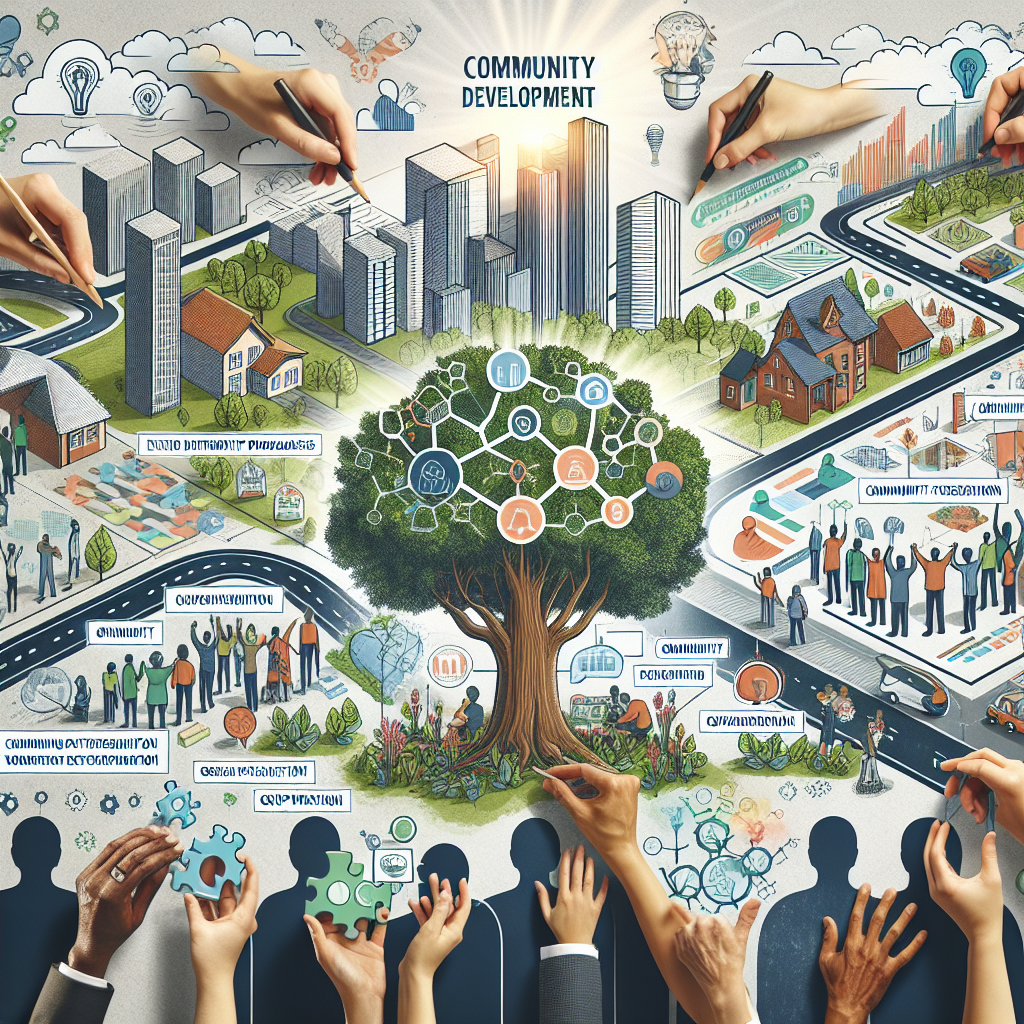
Community development and energy efficiency are two domains that often operate separately, but integrating them can lead to substantial benefits for society. Community development refers to the process of improving the well-being of individuals, families, and communities by enhancing their quality of life and access to resources. Meanwhile, energy efficiency focuses on reducing the amount of energy required to perform various tasks, ensuring that less energy is wasted, and more is used effectively. The integration of these two sectors is essential because it can lead to sustainable communities, lower energy costs, and environmental conservation. This article will explore how these programs work together to create sustainable, efficient, and viable communities.
The Importance of Community Development in Urban Planning
Community development plays a crucial role in urban planning. It involves creating infrastructure and facilities that meet the social, economic, and environmental needs of the community. An effective community development program must consider various elements such as housing, transportation, education, healthcare, and recreational activities.
For example, in Detroit, Michigan, community development initiatives have brought new life to the city’s neighborhoods. Through affordable housing projects, public parks, and community centers, Detroit has focused on revitalizing neglected areas, which has in turn attracted new residents and businesses. These projects align with urban planning by creating a more cohesive and livable environment.
Community development programs are instrumental in shaping how cities grow and function. By ensuring that community needs are met, cities can become more sustainable, resilient, and inclusive, which is a crucial step in fostering energy-efficient communities.
Understanding Energy Efficiency and Its Impact on Communities
Energy efficiency means using less energy to provide the same service. In the context of homes, it often means using appliances and construction materials that require less power. Energy efficiency is an essential component of sustainable community development because it reduces energy consumption, lowers bills, and minimizes environmental impact.
Take the example of the Minneapolis Sustainable Building Policy. It mandates that new and renovated buildings meet specific energy efficiency standards, utilizing materials that enhance insulation, temperature control, and lighting efficiency. As a result, homes in Minneapolis have seen significant reductions in energy consumption and carbon emissions.
Beyond individual savings, communities benefit as energy efficiency measures often lead to improved public health and reduced strain on local energy grids. By incorporating these strategies into community planning, cities can improve residents’ quality of life while being environmentally responsible.
Community Development and Energy Efficiency: A Symbiotic Relationship
The connection between community development and energy efficiency is reciprocal. When integrated, they create a cycle that supports sustainable growth and environmental stewardship. Community development provides the framework for applying energy efficiency technologies and practices, which in turn, enhance the developmental initiatives.
An interesting example is the Capital Region of Denmark, where community housing projects designed with energy efficiency in mind have led to significant improvements in local energy consumption patterns. These developments include solar panels, high-performance windows, and state-of-the-art heating systems, reducing the annual energy demand by over 25%.
Housing designs that incorporate energy-efficiency principles can significantly reduce urban environmental footprints. By providing communities with affordable, efficient homes, urban planners can help reduce dependence on non-renewable resources and promote long-term community growth.
Case Study: Boulder’s SmartRegs Program
Boulder, Colorado, offers a compelling case study of the successful integration of community development and energy efficiency. The city’s SmartRegs program requires rental properties to meet specific energy efficiency standards. This initiative benefits landlords and tenants alike by reducing energy costs and improving property appeal.
| Year | No. of Properties Inspected | % in Compliance |
|---|---|---|
| 2010 | 500 | 65% |
| 2015 | 1500 | 85% |
| 2020 | 3000 | 95% |
The program results speak for themselves: a marked increase in compliance over ten years and substantial energy savings. Boulder’s approach highlights the potential of energy efficiency standards to enhance the overall quality of rental housing stock while contributing to broader sustainability goals in community development.
The Role of Technology in Advancing Efficiency in Development
Technology revolutionizes energy efficiency and community development in urban areas. Innovations such as smart grids, energy-efficient appliances, and renewable energy sources like solar and wind power are pivotal in advancing these objectives.
Consider the City of San Francisco, which has integrated smart-grid technology to manage its urban energy distribution effectively. These grids collect and analyze data to optimize energy use, reduce waste, and lower costs. Residents experience fewer outages, reduced energy costs, and greater access to alternative energy sources.
Moreover, incorporating technological advances into urban planning and community development ensures continuous improvement in energy efficiency. Future technologies could provide even more efficient solutions, further decreasing energy consumption and enhancing community resilience.
Challenges and Solutions in Integrating Community Development and Energy Efficiency
Despite the clear benefits, integrating community development and energy efficiency faces several challenges, such as funding constraints, regulatory barriers, and lack of awareness among stakeholders. Addressing these challenges requires collaboration between government bodies, private developers, and the community.
A successful approach can be seen in the city of Amsterdam, which partnered with private investors to create adaptive housing projects that integrate energy efficiency solutions. By pooling resources and expertise, they have overcome funding obstacles and regulatory challenges, providing a replicable model for other communities.
Public education and stakeholder engagement are critical components in fostering successful programs. By raising awareness and providing resources, communities can be empowered to embrace energy-efficient development strategies actively.
Benefits to the Community
Overall, the combination of energy efficiency and community development leads to numerous benefits. It lowers operating costs for households and increases the overall property value through improved infrastructure and technology. Moreover, communities become more resilient, coping effectively with environmental challenges.
Installing energy-efficient lighting and insulation in public buildings, for example, can considerably reduce municipal energy costs and spending, which can then be redirected toward other community programs.
By emphasizing these integrated approaches, community leaders create safer, economically viable, and environmentally friendly communities. These sustainable environments help attract new residents and businesses, stimulating further growth and development.
Building Future-Ready Communities
Sustainable energy practices are integral components of future-ready communities. Cities like Stockholm, Sweden, have successfully implemented holistic approaches that include renewable energy sources, eco-friendly public transport, and green building standards integrated into community development projects.
Stockholm exemplifies how investing in energy efficiency technologies not only protects the environment but also ensures a high quality of life for present and future generations. Their sustainability initiatives attract tourists and business ventures, creating a dynamic and economically robust urban center.
By aligning building codes, infrastructure projects, and urban landscapes with energy efficiency goals, cities can become blueprints for sustainable urban living.
Conclusion
Community development and energy efficiency programs bring a myriad of benefits, including enhanced quality of life, economic savings, and environmental conservation. This relationship is vital as urban areas continue to grow and face new challenges. The integration of community development and energy efficiency fosters cohesive, sustainable, and environmentally responsible urban living.
To harness these benefits, community leaders, policymakers, and stakeholders must advocate for accessible, affordable solutions. Encouraging participation from all community members ensures that development projects address local needs and maximize benefits effectively. For individuals, involvement in local energy initiatives or community planning discussions can be a valuable first step to contribute meaningfully to these efforts.
Ultimately, the integration of community development and energy efficiency programs presents an opportunity to create future-ready, resilient communities that thrive socio-economically and environmentally. Taking action today will yield significant dividends for future generations. For those interested in these initiatives, participating in local workshops or contacting regional development bodies can be practical starting points to help drive change. By actively engaging in the advancement of sustainable practices, communities can pave the way for a brighter, greener tomorrow.
Frequently Asked Questions
1. What is community development in the context of energy efficiency programs?
Community development, in the context of energy efficiency programs, is an approach that aims to improve the overall well-being and quality of life in a community while simultaneously enhancing their energy efficiency. This dual focus involves implementing strategies that not only reduce energy consumption but also address community needs such as affordable housing, employment opportunities, and access to resources. By aligning energy-saving measures with community development goals, these programs create a more sustainable and economically vibrant community. For instance, retrofitting older buildings to make them more energy-efficient not only reduces the community’s carbon footprint but also lowers utility costs for residents, freeing up income for other essential needs.
2. How can integrating community development and energy efficiency programs benefit society?
Integrating community development with energy efficiency programs offers multiple benefits to society as a whole. First, it can lead to significant reductions in energy consumption and greenhouse gas emissions, contributing to environmental sustainability. By reducing energy consumption, communities can lower their overall utility costs, making housing more affordable and freeing up resources for other essential services. Moreover, combining these two areas can create job opportunities in sectors such as construction, renewable energy, and energy audits, which are crucial for local economic development. Additionally, energy-efficient communities tend to have healthier environments, as reducing energy demand often involves upgrading infrastructure, improving air quality, and fostering safe and healthy living spaces. This holistic approach promotes a stronger, more resilient community that is better equipped to face both current and future challenges.
3. What challenges come with integrating community development and energy efficiency programs?
Despite their many benefits, integrating community development and energy efficiency programs can present several challenges. One major issue is funding. Adequate financial resources are required to implement these programs effectively, and securing them can be difficult, especially in underserved communities. Coordination and collaboration among multiple stakeholders, including government entities, non-profit organizations, and private sector partners, are also crucial, yet may prove challenging due to differing priorities and perspectives. There is often a need for extensive data collection and analysis to identify the most effective strategies for a given community, requiring time and technical expertise. Additionally, communicating the importance of energy efficiency and its benefits to community members is vital, as attaining widespread community buy-in and participation can be challenging if residents do not understand how these initiatives directly benefit them.
4. What role do local governments play in community development and energy efficiency programs?
Local governments have a critical role in facilitating community development and energy efficiency programs. They can provide leadership, coordinate activities, and establish policies that encourage energy-saving behaviors. By setting regulatory frameworks and offering incentives, they can motivate businesses and residents to embrace energy-efficient practices. Local governments also have the authority to integrate energy efficiency standards into building codes and zoning regulations, ensuring new developments meet these criteria from inception. Furthermore, they can lead by example by implementing energy-saving measures in municipal buildings and facilities, demonstrating the benefits of efficiency improvements to the public. Additionally, local governments can facilitate access to funding through state and federal grants and encourage public-private partnerships to pool resources and expertise for greater impact.
5. What are some successful examples of community development and energy efficiency programs?
There are numerous examples of successful community development and energy efficiency programs around the world. One notable example is the EcoDistricts initiative, which employs a comprehensive neighborhood-focused approach to integrate sustainable practices across energy, transportation, and waste management, tailored to the unique needs of each community. Another successful program is the Green Communities Initiative in Maryland, which helps low-income families access energy-saving upgrades in their homes, resulting in cost savings and improved living conditions. Additionally, programs such as the Energy-Efficient Mortgages (EEMs) in the United States provide financial incentives to homebuyers who choose energy-efficient homes, encouraging new housing developments to adhere to higher green standards. These examples illustrate how a combination of innovative policy, strategic planning, and collaborative efforts can drive successful and impactful community and energy programs.