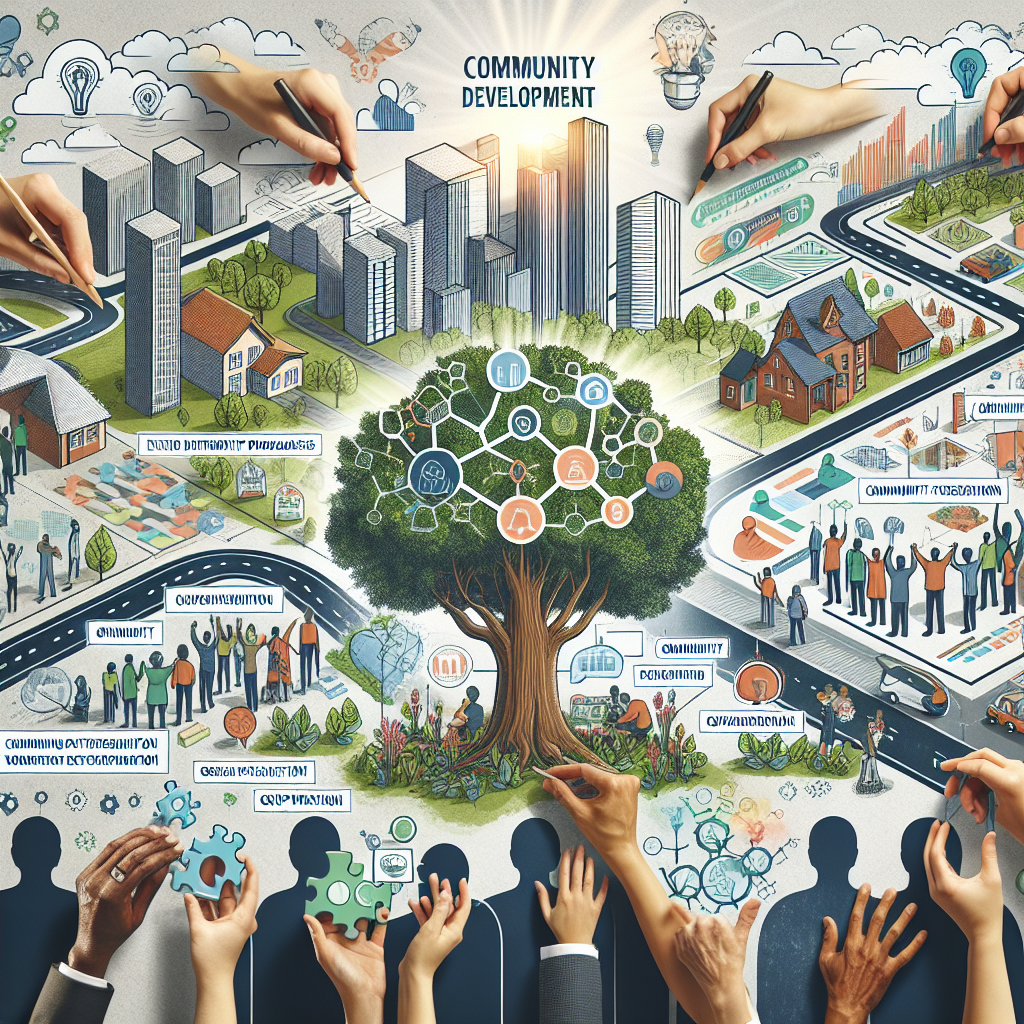
Introduction to Community Development and Environmental Justice
The connection between community development and environmental justice is a profound one, with significant implications for how communities evolve and thrive. Community development refers to a collective effort to improve the economic, social, and cultural aspects of a locality. It plays a crucial role in urban planning and housing policies, focusing on enhancing the living conditions of residents by addressing infrastructure needs, housing, employment opportunities, and social services. On the other hand, environmental justice is the equitable distribution of environmental benefits and burdens across all community members, irrespective of race, income, or other defining characteristics.
The intersection of these two fields is critical in ensuring that development initiatives do not inadvertently exacerbate existing inequalities. This is particularly important for communities historically marginalized or disproportionately affected by environmental degradation. By integrating environmental justice into community development strategies, planners and policymakers can ensure that growth and improvement do not come at the cost of the environment or the well-being of certain community segments. Understanding this interplay allows stakeholders to prioritize sustainable and equitable progress that benefits everyone.
Recognizing the importance of this relationship is crucial in today’s world, where climate change and urban expansion are often at odds. By focusing on sustainable community development that incorporates environmental justice principles, we aim to create cities and neighborhoods that are not only more livable but also more resilient to environmental challenges. This article seeks to explore the various ways these concepts interact, with a focus on real-world examples and practical implications for communities and planners alike.
Equitable Infrastructure Development
One of the fundamental aspects of community development is infrastructure. Roads, public transportation, water supply, and energy systems are the backbone of any community. However, not all infrastructure development is equitable. Historically, marginalized communities often received fewer investments in infrastructure, leading to a lack of access to essential services and contributing to environmental injustice.
An example of addressing this issue comes from Portland, Oregon, where the city prioritized equitable infrastructure improvements. By investing in public transit systems that connected poorer neighborhoods to city centers, Portland reduced the reliance on cars, decreasing air pollution and promoting cleaner air quality for all residents. This initiative reflects a commitment to inclusivity and sustainability, benefiting not just the environment but also the community by improving access to jobs and services.
Affordable, Sustainable Housing
Affordable housing is another crucial element of community development that directly impacts environmental justice. Building green, energy-efficient homes in underserved areas can lower utility costs for residents, reduce overall energy consumption, and decrease the environmental footprint of housing developments. Despite this potential, low-income and minority communities often lack access to such housing options, perpetuating cycles of poverty and environmental harm.
An inspiring case is the initiative by the Queensbridge Houses in New York City, one of the largest public housing development projects in the U.S. The project involved retrofitting buildings to improve energy efficiency, incorporating green roofing systems, and utilizing solar panels. This project not only improved the living conditions for residents but also set a standard for integrating sustainable practices in affordable housing.
Community-Led Environmental Initiatives
Community development is most impactful when those affected are actively involved in the decision-making process. This participatory approach ensures that development projects align with the needs and priorities of the community, fostering environmental justice by giving a voice to underrepresented groups.
In Richmond, California, the local government and community groups collaborated to convert an old industrial site into a public park, Richmond Greenway. This transformation not only provided much-needed green space but also addressed soil remediation and improved local air quality. By actively engaging residents in the planning process, Richmond created a project that not only enhanced the environment but also invigorated community pride and ownership.
Regenerative Urban Planning
Urban planning should aim not only to sustain but also to regenerate the environments it operates within. Regenerative development focuses on improving ecosystem health and community well-being simultaneously, creating a sustainable cycle of growth and rejuvenation. This forward-thinking approach can prevent unjust environmental outcomes and ensure long-term community resilience.
A pioneering example is the Hammarby Sjöstad in Stockholm, Sweden, where an entire district was designed to be an eco-friendly, self-sustaining community. Through integrated waste management systems, renewable energy usage, and innovative water treatment processes, Hammarby Sjöstad demonstrates how urban areas can be designed to actively improve their environment and offer a higher quality of life for residents.
Role of Policy in Supporting Environmental Justice
Policies play a critical role in ensuring that community development initiatives prioritize environmental justice. Regulatory frameworks can drive equitable funding distribution, protect vulnerable communities from harmful developments, and promote inclusive, sustainable growth.
The Environmental Justice Small Grants Program by the Environmental Protection Agency (EPA) in the United States exemplifies policy-driven support. This program funds community projects addressing local environmental and public health issues, empowering communities to develop solutions tailored to their unique circumstances. These efforts underscore the power of policy in bridging gaps and facilitating significant community improvements through carefully designed initiatives.
| Policy | Objective | Impact/Benefit |
|---|---|---|
| Green New Deal | Promote sustainable energy and infrastructure | Reduce carbon footprint, create jobs |
| Urban Redevelopment Act | Revitalize urban neighborhoods | Improve living conditions, increase economic opportunity |
| Environmental Justice Small Grants | Support community-driven environmental work | Enhance local environment, empower community action |
Challenges and Opportunities in Advancing Environmental Justice
While significant progress has been made in aligning community development with environmental justice, numerous challenges persist. These include funding limitations, resistance to regulatory changes, and varying levels of community engagement. However, these challenges present opportunities for innovation and improvement.
Engaging in public-private partnerships is one strategy to overcome financial constraints, creating projects that leverage the strengths of both sectors. Education and awareness campaigns can also increase community involvement, fostering a culture of stewardship and shared responsibility for environmental outcomes.
Opportunities further lie in technology’s role to advance environmental justice. Innovations in data collection and analysis allow for better understanding and monitoring of environmental conditions, informing smarter and more equitable decision-making processes. As technology continues to evolve, it holds tremendous potential to drive sustainable community development that prioritizes environmental justice.
Conclusion: Moving Forward with Purpose
As we have explored throughout this article, the intersection of community development and environmental justice is both necessary and beneficial for creating equitable, sustainable urban environments. By prioritizing initiatives that promote fair access to resources, sustainable infrastructure, and active community participation, we can construct vibrant communities that honor and preserve the environment for future generations.
For readers of HomeSight.org, a call to action involves advocating for and supporting policies and projects that align with these principles. Whether through participation in local planning meetings, engaging in community clean-up efforts, or supporting campaigns for sustainable development, every action contributes to a broader movement toward a just and healthy world.
Let this be not only an exploration of concepts but also an invitation for involvement and leadership in the pursuit of environmental justice within community development. By embracing these ideas, we not only enhance our immediate environments but also set a strong foundation for long-lasting, transformative change.
Frequently Asked Questions
What is the relationship between community development and environmental justice?
The relationship between community development and environmental justice is deeply intertwined. Community development aims at improving the living conditions and vibrancy of communities through better infrastructure, housing, and economic opportunities. It focuses on creating sustainable and inclusive environments for all residents. Environmental justice, on the other hand, centers on the fair treatment and meaningful involvement of all people regardless of race, color, national origin, or income with respect to the development, implementation, and enforcement of environmental laws, regulations, and policies. It underlines the importance of every individual’s right to a healthy environment. When community development is seen through an environmental justice lens, efforts are made to ensure that the benefits of development are equitably shared among all community members, and that marginalized or vulnerable groups are protected from disproportionate environmental harm such as pollution or restricted access to resources.
How does community development address environmental justice issues?
Community development addresses environmental justice issues by implementing projects and policies that consider the socio-economic and environmental needs of local populations. For instance, when planning new housing developments, community developers can ensure that these homes are built in non-hazardous areas and that they include sustainable features like energy-efficient systems and access to green spaces. Furthermore, community development initiatives can also support environmental justice by investing in public transportation to reduce air pollution and by promoting community engagement, ensuring that residents have a voice and can influence decisions affecting their environment. Through inclusive urban planning and targeted investments in areas traditionally burdened by environmental hazards, community development can reduce disparities and build healthier, more resilient communities.
What are some challenges faced in linking community development and environmental justice?
One major challenge in linking community development and environmental justice is addressing the historical and systemic inequities that have led to environmental disparities. Communities of color and low-income areas often suffer from past urban planning decisions that prioritized economic growth over environmental health, leading to pollution, poor sanitation, and limited green spaces. Overcoming these deeply embedded issues requires deliberate policy shifts and often faces resistance from entrenched interests. Additionally, balancing immediate community development needs such as housing and job creation with long-term environmental sustainability can be difficult, as there may be initial costs and complexities in adopting green technologies and practices. Funding constraints also pose a significant challenge, as justice-driven projects often require more resources and time to engage community members thoroughly and implement comprehensive solutions.
Can you provide examples of successful community development projects that have advanced environmental justice?
Yes, there are several examples of community development projects that have successfully advanced environmental justice. In Los Angeles, the South Los Angeles Wetlands Park is a prime example: it transformed a once-vacant industrial site into a thriving urban park that naturally filters stormwater, provides a habitat for local wildlife, and offers recreational spaces for the community. This project not only improved the local environment but also addressed the social and health needs of an area that had limited green space. In New York City, the Green City Force is an initiative that integrates sustainable urban agriculture with job training for young residents of public housing, promoting environmental stewardship and economic empowerment. These projects demonstrate that community development, when aligned with an environmental justice framework, can create environments where both people and nature thrive.
What role do community members play in ensuring that development practices are equitable and environmentally just?
Community members play a pivotal role in ensuring that development practices are equitable and environmentally just. Their participation is crucial for identifying the specific needs and challenges faced by their community. Residents bring unique insights and personal experiences to the table, which can help shape more effective and responsive development plans. Active engagement includes participating in public meetings, joining local planning committees, and collaborating with community organizations to advocate for policies that protect their interests. Moreover, community-led initiatives can also initiate projects that align strongly with local needs and values, thereby ensuring authenticity and sustainability. By staying informed, holding decision-makers accountable, and fostering strong community networks, residents can drive changes that uphold environmental justice principles and contribute to more equitable community development outcomes.