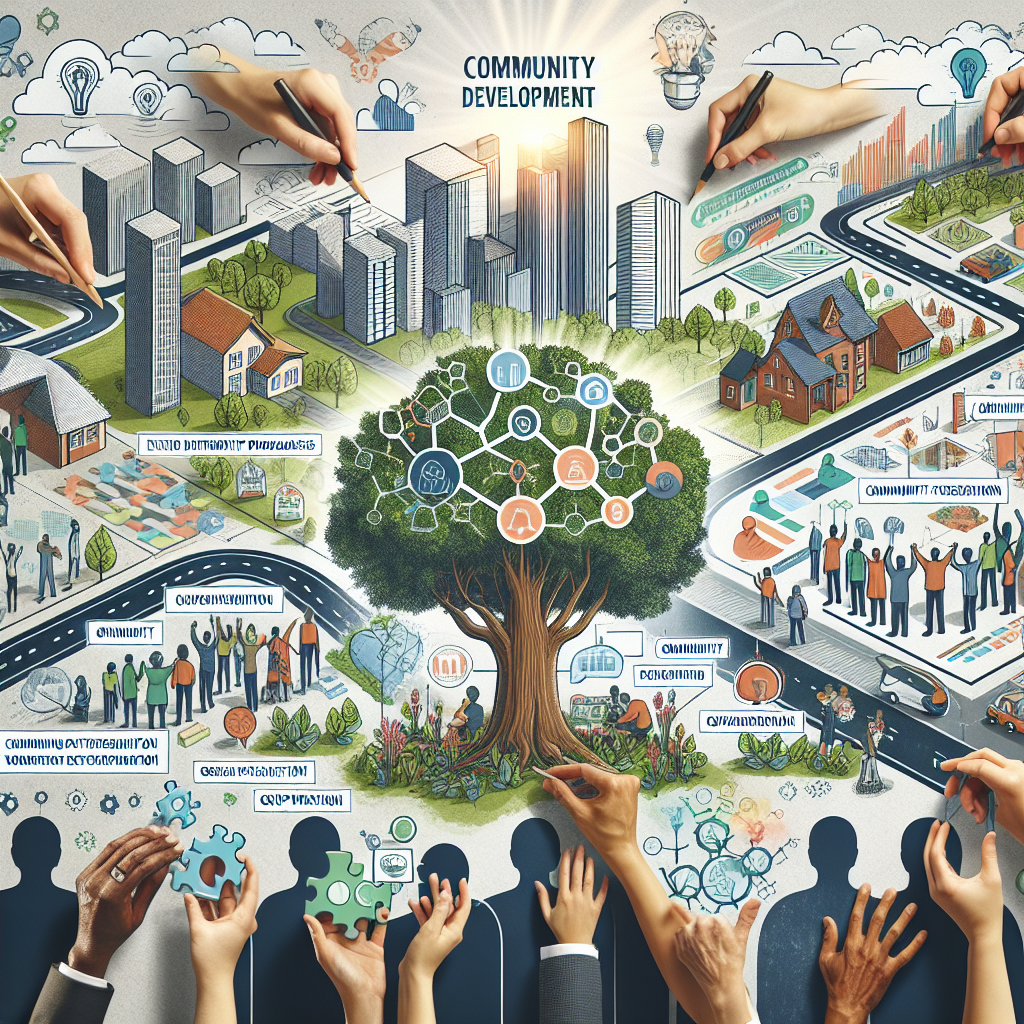
Sports programs have a pivotal role in fostering community development, which is the process of improving a community’s quality of life. For many individuals, sports represent an opportunity for physical activity, social interaction, and personal development. These programs can include organized games, training sessions, and events organized by local clubs or city councils. Each serves to bolster not just individual health but the community’s overall well-being and social cohesion. Understanding this, we can explore how sports initiatives contribute to creating vibrant, healthy, and cohesive communities.
Community development is a broad term encapsulating various aspects such as economic advancement, quality housing, education, and health improvements. While these objectives might seem distinct from sports, they are interconnected in more ways than one. Having accessible and well-structured sports programs can uplift a community by promoting physical health, nurturing social connections, and fostering leadership skills among participants. Furthermore, such programs can stimulate the local economy by creating jobs and supporting local businesses. This article delves into how sports programs serve as substantial pillars in community enhancement, highlighting their multi-faceted benefits and providing real-world examples.
Physical Health and Wellness
One of the most apparent impacts of sports programs is on the physical health and wellness of a community’s residents. Regular physical activity, which is an inherent part of sports, can greatly reduce the risk of chronic diseases such as obesity, diabetes, and cardiovascular disorders. Engaging in sports helps to improve stamina, strength, and overall fitness while also enhancing mental health by reducing stress, anxiety, and depression levels.
A notable example can be seen in the “Get Active” initiative in Minneapolis, where public parks provide free access to fitness equipment and weekly sports classes. This program has significantly improved the general health of the community, with participants reporting a marked increase in physical activity levels. The initiative exemplifies how sports programs can lead to healthier communities when integrated with accessible municipal resources.
Social Cohesion and Community Bonds
Sports programs also foster social cohesion and help build community bonds. By bringing people from different backgrounds together, these programs encourage interaction and mutual understanding. They promote teamwork, communication, and collaboration, essential qualities for a healthy community. Through shared goals and experiences, participants of sports programs can develop friendships and support networks, thereby strengthening community ties.
Consider the case of the Toronto “Unity through Sports” project, where sports are used as a medium to integrate immigrant populations with long-standing residents. The project has successfully reduced social isolation and has promoted cross-cultural understanding through shared sports experiences. This demonstrates the profound impact of sports on social cohesion, helping to weave the fabric of a stronger, more inclusive community.
Youth Engagement and Development
Sports programs offer invaluable benefits to the youth by providing them with structured activities that instill discipline and responsibility. By engaging youths in sports, communities can guide them toward positive behaviors and away from harmful influences. These programs often emphasize the development of skills such as leadership, perseverance, and self-confidence.
One example is Chicago’s “Youth Futures through Sports” program, which targets at-risk youth and provides mentorship and sports training. This program has reportedly lowered neighborhood crime rates and has improved school attendance among participants. By investing in youth through sports, communities set the groundwork for a generation of healthy and proactive individuals.
Economic Development and Job Creation
In addition to the direct health and social benefits, sports programs also contribute to economic development by creating jobs and supporting small businesses. Whether through the construction and maintenance of sports facilities or the need for coaches, referees, and event organizers, sports programs can be substantial economic drivers in a community.
The economic impact is evident in the Boston Marathon, which not only brings significant attention to the city but also boosts local businesses. Hotels, restaurants, and retailers all benefit from the influx of visitors during the event, showcasing the potential economic boost from community sports initiatives. By facilitating local economic growth, sports programs can contribute to broader community development efforts.
Infrastructure and Urban Planning
Sports programs necessitate well-planned infrastructure, which can enhance the urban environment. The development of sports facilities such as parks, gyms, and fields can rejuvenate underutilized spaces, create green areas, and improve a community’s aesthetic appeal. Thoughtful urban planning around sports can elevate a city’s functionality and visual impact.
| Infrastructure | Community Impact |
|---|---|
| Parks & Fields | Encourage outdoor activities and improve aesthetic appeal |
| Sports Centers | Provide multi-use spaces for community events and sports |
For example, the renovation of New York’s High Line into an elevated park integrated walking paths, art displays, and open spaces for sports and recreation. This project not only revitalized the area but also increased property values and boosted local tourism. It shows the transformative power of integrating sports into urban planning to enhance community life.
Conclusion: The Path Forward
In summation, sports programs are instrumental in community development, offering profound benefits ranging from improved physical health and social cohesion to youth development and economic enhancement. By incorporating these programs into community planning, we can create environments where individuals thrive, social bonds strengthen, and local economies grow. As we have explored through various examples, the benefits of sports programs extend far beyond the field and into the heart of community life.
Communities seeking to develop should prioritize sports programs as a centerpiece of their developmental strategies. By doing so, they not only promote a healthier and happier population but also foster a deeper sense of community and shared purpose. Therefore, whether you are a community planner, a local leader, or a resident, consider how sports programs can be used to transform your community for the better. Get involved, support local initiatives, and witness the transformation that sports can bring. Together, we can build stronger, more vibrant communities through the power of sports.
For more information and to get involved in local sports initiatives, visit HomeSIght.org to see how you can contribute to your community’s development.
Frequently Asked Questions
What is the role of sports programs in community development?
Sports programs play a significant role in community development by serving as a catalyst for social change and cohesion. These programs promote physical health by providing a platform for exercise, which can lead to improved health outcomes such as reduced obesity rates and lower instances of lifestyle-related diseases. Additionally, sports programs encourage social interaction, helping individuals build relationships and develop a sense of belonging and community spirit.
Beyond physical and social benefits, sports programs also contribute to personal development. They impart valuable life skills such as teamwork, leadership, discipline, and resilience. Skills learned through sports are transferable and can greatly benefit participants in various life aspects, including education and employment. Furthermore, sports provide opportunities for youth engagement, keeping them off the streets and reducing delinquent behavior through structured activities.
Community sports programs often include organized games, training sessions, and local events supported by clubs and councils. These events foster collaboration among community members, enhancing overall social cohesion. They also act as a source of entertainment and pride, uniting people from different backgrounds around a common interest and goal. Consequently, sports programs bolster not just individual health but the community’s overall well-being and cooperative spirit.
How do sports programs impact the economic development of a community?
Sports programs can significantly impact the economic development of a community by creating jobs and stimulating local economies. For instance, the organization of local sports events requires hiring staff for various roles, from coaches and trainers to event coordinators and volunteers. These positions provide employment opportunities and income, directly benefiting the local economy.
Moreover, sports programs attract tourists and participants from outside the community, increasing demand for local services such as hotels, restaurants, and retail outlets. This influx of visitors and their spending contributes to economic growth and creates a need for infrastructure improvements, such as better sports facilities and transportation options.
Sports programs can also foster community pride and enhance the area’s reputation, potentially attracting businesses and investors. This positive branding helps in positioning the community as a vibrant, active, and dynamic place to live, work, and visit, further driving economic prosperity. By investing in sports programs, communities can reap long-term economic benefits while simultaneously boosting their cultural and social fabric.
What are the social benefits of community sports programs?
Community sports programs offer numerous social benefits that extend beyond simply playing a game. They foster a sense of community and inclusion, bringing together people from diverse backgrounds who might not otherwise interact. By participating in sports, individuals can form new friendships and strengthen existing relationships, enhancing overall community cohesion.
Sports programs also serve as a level playing field where participants are judged based on their skills and contributions rather than their socioeconomic status, race, or gender. This inclusivity promotes understanding and tolerance, reducing social tensions and fostering a more harmonious community environment.
Additionally, these programs often actively engage and empower marginalized groups, including women, people with disabilities, and economically disadvantaged individuals, offering them opportunities for participation and leadership. By doing so, sports programs contribute to social equality and provide platforms for advocacy and positive change.
Furthermore, sports programs help instill values such as fair play, respect, and discipline, shaping individuals into responsible community members. They encourage volunteerism by involving parents, spectators, and local businesses, creating a robust support network for both the programs and the community.
How can community sports programs aid in the prevention of youth crime?
Community sports programs are pivotal in preventing youth crime by engaging young people in positive and structured activities. These programs provide a safe environment where youth can spend their free time constructively, reducing the likelihood of their involvement in criminal activities.
Sports programs offer mentorship opportunities, where experienced coaches and older players can positively influence young participants, guiding them away from potential negative influences. This mentorship helps instill crucial values such as responsibility, leadership, and respect for rules, all of which contribute to positive personal development and deter criminal behavior.
Moreover, sports programs can reduce feelings of isolation or neglect among youth by fostering a sense of belonging and self-esteem. When young people feel connected to their community and valued for their contributions, they are less likely to engage in activities that could harm themselves or others.
By offering avenues for developing talents and pursuing sports-related academics and careers, these programs also establish a trajectory for future success, diverting attention and energy towards aspirations rather than delinquency. In essence, sports programs are a proactive approach to addressing and preventing youth crime by promoting healthy lifestyles, positive social bonds, and personal growth.
What types of sports programs are most effective for community development?
The effectiveness of sports programs in community development often depends on the diversity and inclusivity of the activities offered. Programs that cover a wide range of sports cater to the varied interests and skill levels of community members, ensuring broad participation and engagement.
Organized team sports such as soccer, basketball, and volleyball are particularly effective due to their focus on teamwork and communication—skills that are crucial for building community ties and fostering social cohesion. These sports often have universal appeal and can bridge cultural and ethnic divides, uniting people around a common goal.
Individual sports such as running, swimming, and tennis can also be highly beneficial. These sports allow individuals to focus on personal growth and achievements, and they often require less infrastructure, making them more accessible. Activities such as yoga, aerobics, and martial arts can be particularly effective in areas with limited resources, as they require minimal equipment and space.
Adaptive sports programs designed for people with disabilities ensure inclusivity and equip participants with the confidence and skills needed for integration into society. Youth-focused initiatives, including clinics, camps, and after-school programs, actively engage young people, providing them with a structured environment for growth and learning.
Ultimately, successful sports programs are those that are well-managed, accessible, inclusive, and reflective of the community’s needs and interests. They create a sustainable impact by fostering health, unity, joy, and empowerment across the community, paving the way for its holistic development.