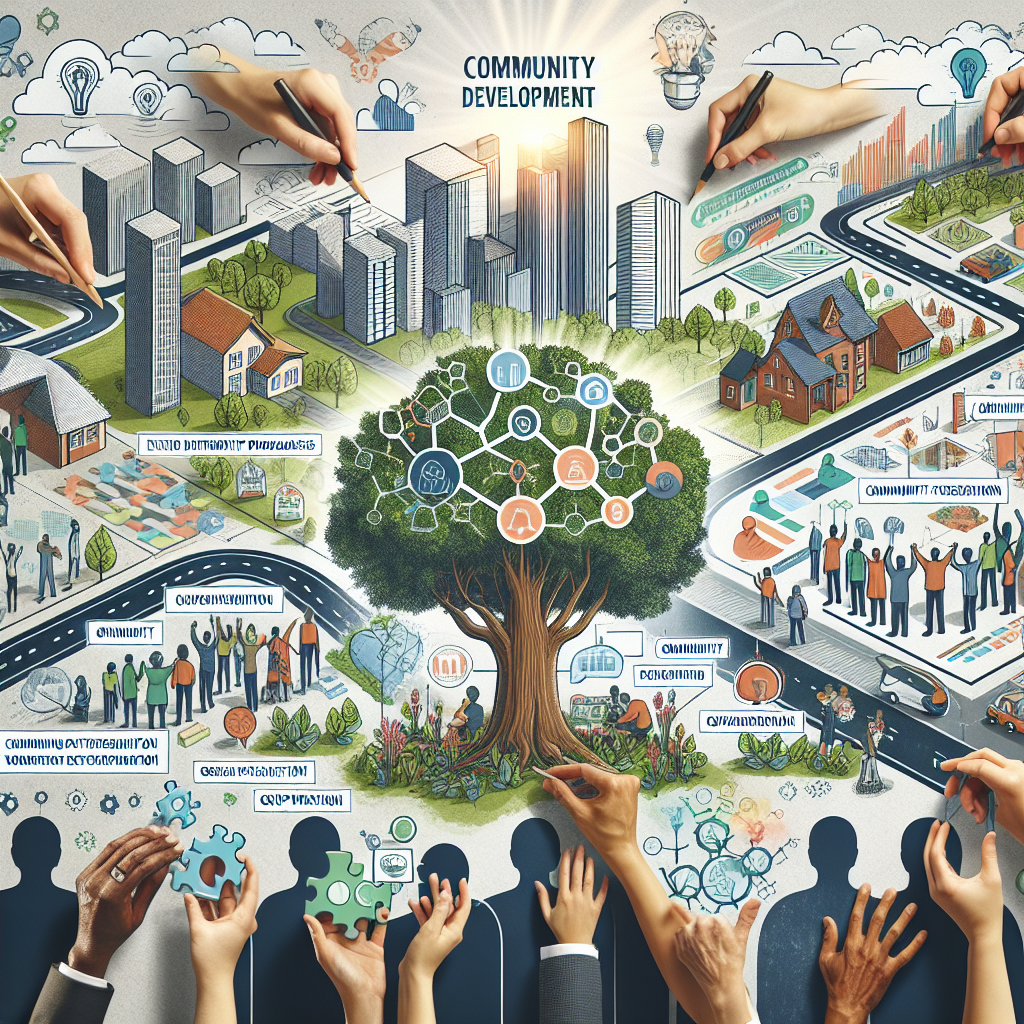
Community development is an all-encompassing term that refers to the process whereby communities come together to take collective action and generate solutions to common problems. Faith-based organizations (FBOs) have always played a crucial role in fostering community development, and their unique position in society allows them to mobilize resources effectively and make significant impacts at the grassroots level. This piece explores the multifaceted role that faith-based organizations play in community development, including their historical background, their ongoing efforts, and the challenges they face in today’s socio-economic landscape.
Historically, faith-based organizations have been pillars of support in their communities, providing not just spiritual guidance but also addressing social needs. From running hospitals and schools to offering shelters and food pantries, FBOs have long served as essential service providers. These organizations are often deeply rooted in the communities they serve, and this long-standing presence enables them to effectively assess needs and mobilize response efforts more efficiently than secular organizations or government entities.
In recent years, the role of faith-based organizations in community development has evolved, reflecting broader changes in society. As global cultures shift and diversify, the missions of these organizations have expanded beyond traditional religious instruction to include community empowerment initiatives. This new scope covers various aspects such as education, health care, economic development, and social justice. By understanding the historical context and contemporary roles of FBOs in community development, we can better appreciate the critical contributions they make and the challenges they confront.
Historical Role of Faith-Based Organizations in Community Development
Faith-based organizations have been integral to community development for centuries. From the medieval period when monasteries doubled as libraries and centers of learning, to the 20th century when churches in the United States spearheaded the civil rights movement, FBOs have constantly been at the forefront of societal progress. Historically, these organizations were one of the few stable institutions that could reliably address the needs of vulnerable populations.
During the industrial revolution, many religious organizations founded hospitals and vocational schools to cope with the urban challenges that arose from rapid industrialization. They provided welfare services long before the state became involved in social support systems. The reliability and trustworthiness associated with these organizations meant that people were more likely to seek aid from them than from fledgling governmental bodies.
In rural areas, faith-based organizations have traditionally been cornerstones of community life. They organized social events, offered education, and provided critical support during times of hardship. These roles enabled them to earn the trust and respect of their communities, and this solid foundation often translated into more effective community development initiatives. The historical perspective reveals that FBOs have always been indispensable in addressing both the spiritual and mundane needs of their communities.
Modern Contributions of Faith-Based Organizations
In the modern era, faith-based organizations have expanded their mission to adapt to changing societal needs. While religious instruction remains a cornerstone, these organizations now engage in a wide array of community development activities. This includes everything from health care provision and educational initiatives to economic empowerment and advocacy for social justice issues.
One of the essential roles that FBOs play is in the realm of health care. Many churches and mosques run clinics and hospitals that provide affordable or free medical services to underserved populations. In some cases, these health services are the only available medical facilities for miles, particularly in rural or impoverished areas. Furthermore, these organizations often engage in public health campaigns, offering vaccinations, health education, and screenings to mitigate chronic diseases in the community.
Another pivotal contribution of faith-based organizations in modern society is in education. Many run schools that provide high-quality education, often to children from financially disadvantaged backgrounds. These educational institutions frequently emphasize moral and ethical teachings alongside academic subjects, fostering well-rounded individuals who are more likely to contribute positively to society. Additionally, FBOs offer adult education programs, vocational training, and scholarships, further aiding community upliftment.

Economic Empowerment through Faith-Based Initiatives
Economic development is another critical area where faith-based organizations are making significant strides. Given their profound understanding of the community’s needs, FBOs can design and implement tailored economic empowerment programs. These initiatives often include microfinance projects, job training, and workforce development programs aimed at increasing the economic self-sufficiency of individuals and families.
Microfinance programs, in particular, have been highly successful in many communities. By providing small loans and financial services to people who would otherwise be excluded from the traditional banking system, FBOs enable individuals to start small businesses, pursue educational opportunities, or make essential household improvements. These small-scale financial interventions can have enormous ripple effects, fostering community-wide economic growth.
Further, many faith-based organizations focus on workforce development, offering job training programs that equip individuals with the skills needed in today’s job market. From vocational training in trades like carpentry and plumbing to more specialized fields like information technology, these programs aim to bridge the skills gap and improve employment prospects for community members. Economic empowerment initiatives by FBOs not only improve individual livelihoods but also contribute to broader community stability and growth.
Social Justice and Advocacy
Advocacy and social justice are areas where faith-based organizations frequently take the lead. Given their moral and ethical foundations, these organizations often address issues concerning human rights, social equity, and justice. This commitment to social justice manifests in various forms, from grassroots activism to influencing policy changes at the national or even international levels.
Faith-based organizations often engage in advocacy efforts to address systemic issues such as poverty, discrimination, and inequality. Through awareness campaigns, lobbying efforts, and partnerships with other organizations, they seek to bring about lasting change. For example, many FBOs are involved in the fight against human trafficking, mobilizing resources to support victims and campaigning for stronger legal protections.
Additionally, these organizations often serve as mediators in community conflicts, using their moral authority to foster dialogue and reconciliation. Whether it’s addressing racial tensions, interfaith disputes, or local controversies, faith-based organizations can play a key role in promoting peace and understanding. Their long-standing presence and deep-rooted relationships with the community often make them effective agents of change in these complex social issues.
Challenges Faced by Faith-Based Organizations
Despite their numerous contributions, faith-based organizations face significant challenges in their community development efforts. One of the most pressing issues is funding. While many FBOs rely on donations and volunteer efforts to sustain their programs, fluctuating economic conditions can dramatically affect their financial stability. Limited funding often restricts the scale and scope of their initiatives, forcing them to make difficult decisions about resource allocation.
Another challenge is the growing secularization of society. As societies become more diverse and less religious, the influence and reach of FBOs can be diminished. This trend can lead to decreased participation and support, affecting the efficacy of their programs. Faith-based organizations must navigate this changing landscape delicately to maintain their relevance and continue their community development efforts.
Additionally, FBOs often face regulatory and bureaucratic hurdles. Compliance with governmental regulations can be cumbersome, particularly when accepting federal or state funding. The stipulations attached to such funding can sometimes conflict with the religious principles that guide these organizations, leading to ethical dilemmas. Despite these challenges, many faith-based organizations continue to persevere, constantly adapting and evolving to meet the needs of their communities.
Conclusion
The role of faith-based organizations in community development is both profound and multifaceted. From their historical roots as providers of social welfare to their modern-day contributions in health care, education, economic empowerment, and social justice, FBOs have proven to be indispensable pillars of support in their communities. Their unique position, grounded in deep-rooted relationships and moral authority, allows them to mobilize resources and influence change in ways that secular organizations often cannot.
While contemporary challenges such as funding limitations, societal secularization, and regulatory compliance pose significant hurdles, the resilience and adaptability of faith-based organizations ensure that they continue to be effective agents of community development. By fostering partnerships, advocating for social justice, and implementing tailored community programs, FBOs continue to address the evolving needs of the populations they serve.
As society continues to navigate complex social, economic, and cultural changes, the importance of faith-based organizations in community development cannot be overstated. Their ability to combine spiritual guidance with practical support makes them uniquely equipped to tackle the multifaceted challenges that communities face. Moving forward, it is crucial to recognize and support the invaluable contributions of these organizations to ensure that they can continue their vital work in building stronger, more resilient communities.
Frequently Asked Questions
1. What is the role of faith-based organizations in community development?
Faith-based organizations (FBOs) are vital players in the field of community development. They leverage their unique positions as trusted community members to facilitate collective action and address community needs. These organizations possess deep-rooted connections within communities, allowing them to understand local issues intimately and provide tailored solutions. Through spiritual leadership, fundraising capabilities, and expansive volunteer networks, FBOs often lead initiatives ranging from education and healthcare to housing and poverty alleviation. They play a multifaceted role by fostering trust, encouraging collaboration, and inspiring hope, which are crucial elements in the successful development of any community.
2. How do faith-based organizations mobilize resources effectively for community development?
Faith-based organizations (FBOs) are adept at mobilizing resources due to their extensive networks and credibility within the community. They often engage religious congregations who are willing to contribute time, money, and effort towards community projects. By organizing fundraising events, applying for grants, and partnering with other organizations or governmental bodies, FBOs can acquire the necessary financial and human resources. Moreover, their strong local ties and reputation for integrity help them secure donations and volunteerism, which are pivotal in driving their community development initiatives. This resource mobilization is complemented by their ability to communicate a compelling vision that resonates with both community members and stakeholders.
3. Can faith-based organizations collaborate with other entities to enhance community development?
Absolutely, collaboration is key to the success of faith-based organizations (FBOs) in community development. By partnering with non-profit organizations, government agencies, educational institutions, and private sector entities, FBOs can expand their reach and effectiveness. These partnerships allow for the sharing of resources, knowledge, and expertise, leading to innovative solutions to community problems. Furthermore, collaborations often lead to holistic approaches where the collective efforts address various aspects of community wellbeing, such as education, healthcare, and economic development, all at once. FBOs’ unique ability to bridge different sectors stems from their non-denominational focus on community welfare, making them ideal partners in broad-scale development efforts.
4. What challenges do faith-based organizations face in community development, and how do they overcome them?
Faith-based organizations (FBOs) encounter numerous challenges in their community development efforts. These include limited financial resources, resistance from within certain sectors of the community, and balancing religious identity with inclusive community service. However, FBOs often overcome these challenges through strategic planning, community engagement, and adaptive approaches. By continuously building relationships and trust, they create an environment conducive to collaboration. Many FBOs have also developed training and capacity-building programs to enhance their effectiveness and sustainability. Furthermore, aligning their mission with inclusive community development goals enables them to transcend religious barriers, inviting broader community participation in their initiatives.
5. How do faith-based organizations measure the impact of their community development projects?
Faith-based organizations (FBOs) measure the impact of their community development projects through various qualitative and quantitative approaches. They may track key performance indicators such as the number of beneficiaries served, increased community engagement levels, and improvements in specific areas like education or health. FBOs often conduct surveys, interviews, and community assessments to gather feedback and evaluate the outcomes of their projects. Regular reporting and documentation also play a role in measuring progress and challenges. By sharing stories of personal transformation and community change, FBOs illustrate the intangible benefits of their work, such as strengthened community bonds and enhanced quality of life. This comprehensive approach to impact evaluation enables FBOs to refine their strategies and increase the effectiveness of their initiatives.