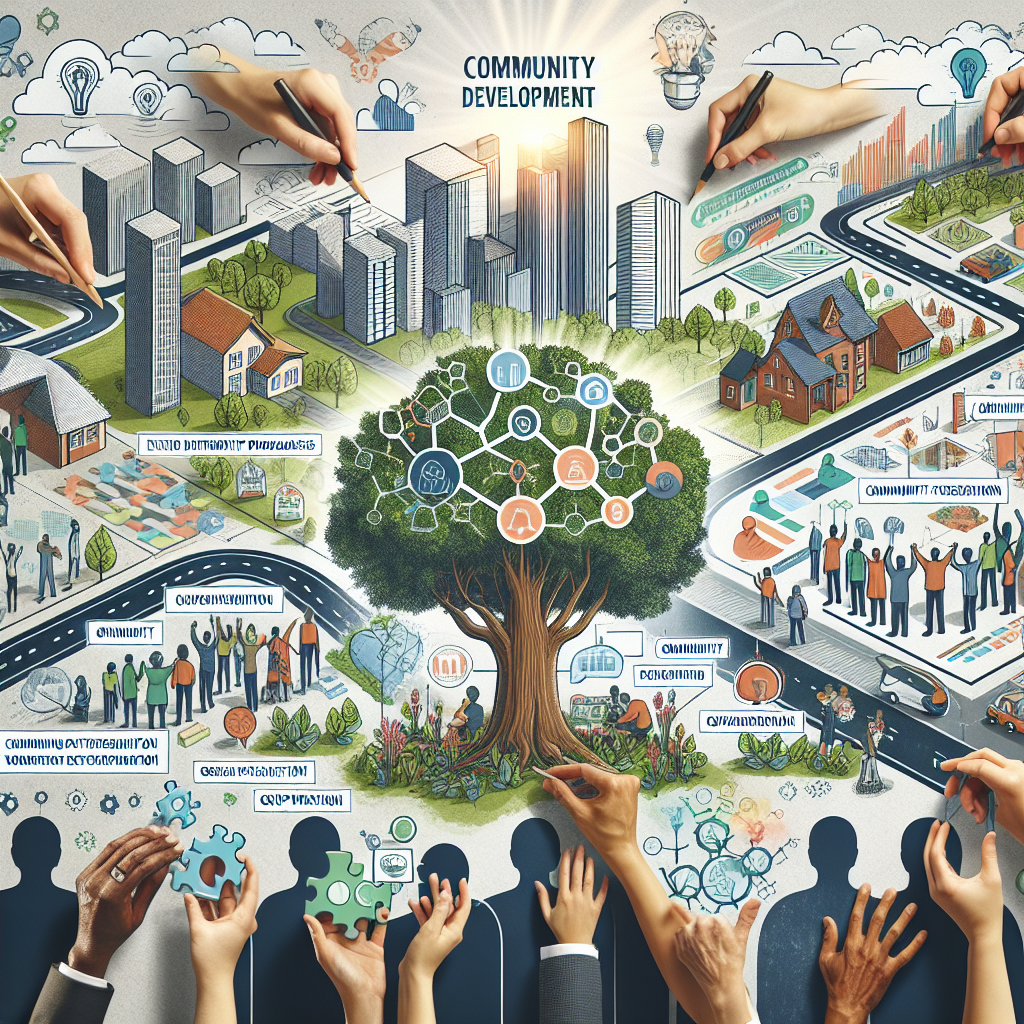
Community engagement is a collaborative approach between members of a community and local organizations, aimed at creating and supporting solutions to shared challenges and needs. In recent years, this process has been significantly transformed by digital tools. These tools are used to streamline communication, encourage participation, and foster collaboration among community members and stakeholders. Understanding the role of digital tools in community engagement is crucial as urban areas evolve and become more reliant on technology. This article aims to explore how digital tools can enhance community engagement, define key terms, and investigate the significance of their role in modern community development.
At its core, community engagement involves creating an environment where community members feel valued and heard. Digital tools offer accessible platforms to facilitate this interaction. For instance, online forums and social media allow for effective communication, enabling individuals to express concerns and ideas rapidly. Furthermore, these platforms offer a space for active feedback where community members can openly discuss local projects and proposed changes. Recognizing the importance of these digital tools helps to improve urban planning strategies and guides future developments in an increasingly digital world.
Digital Platforms for Information Sharing
One significant way digital tools enhance community engagement is through information sharing. Community members can now receive updates and notifications regarding local issues in real-time. Platforms such as websites and social media pages managed by community organizations and local governments allow information to be disseminated quickly and efficiently.
A real-world example of this is the use of social media by city councils to inform residents about upcoming events, policy changes, or potential hazards. For instance, during a recent infrastructure upgrade in a densely populated urban area, the local council utilized both Facebook and Twitter to provide regular updates on construction progress, traffic changes, and expected completion dates. This kept residents informed, reduced confusion, and fostered a smooth transition during the upgrade process.
By employing digital platforms for information sharing, community engagement becomes more dynamic, with individuals accessing crucial information at their convenience, leading to more informed communities actively participating in local governance and decision-making.
Interactive Surveys and Polls
Another powerful digital tool for community engagement is the use of interactive surveys and polls. These tools help in gathering feedback from community members on various issues and can be distributed through email, social media, or specialized survey platforms. Interactive surveys make it easier for organizations to collect valuable insights into the public’s opinions and preferences.
As an example, a housing development organization used online surveys to understand residents’ preferences for a new housing project. By reaching out to the community through these digital tools, the organization gathered input on important factors such as housing design, amenities, and transportation options. The feedback was then analyzed and incorporated into the planning process, ensuring the project met the community’s actual needs and desires.
These interactive surveys and polls lead to more participatory decision-making processes, empowering community members to express their views and contributing to solutions that are genuinely reflective of their expectations.
Virtual Meetings and Events
Virtual meetings and events have become increasingly significant in community engagement due to their flexibility and accessibility. Video conferencing platforms like Zoom and Microsoft Teams have made it possible to hold meetings, workshops, and town halls that can be attended remotely. This has proven particularly beneficial in reaching those who may have physical or logistical barriers to attending in-person events.
For example, during the recent pandemic, many community groups shifted to virtual formats to continue their operations. A local community called together residents for an online town hall about upcoming zoning changes. By using a virtual platform, more people participated than would have typically attended an in-person event. As a result, the town hall facilitated diverse input and encouraged broader community participation in critical decision-making processes.
These virtual alternatives not only maintain engagement but often expand participation by eliminating barriers related to location and time, thereby encouraging more inclusive community involvement.
Project Management and Collaboration Tools
Digital project management and collaboration tools play an influential role in coordinating community projects and enhancing collective efforts. Tools like Trello, Asana, and Basecamp facilitate effective collaboration by providing a centralized workspace where team members can organize tasks, share documents, and track project progress.
| Project Management Tool | Features for Community Engagement |
|---|---|
| Trello | Task organization, boards, cards, real-time updates |
| Asana | Task assignments, timelines, project tracking |
| Basecamp | Document sharing, calendar, group chat |
A neighborhood improvement project utilized these tools to coordinate efforts among volunteers and stakeholders. By organizing tasks into manageable parts, assigning responsibilities, and monitoring progress through a collaborative digital tool, the project team managed to improve efficiency and accountability. This streamlined approach enabled participants to focus on their specific contributions, resulting in a more effective and timely project execution.
These tools enhance coordination and communication among team members, leading to cohesive efforts in community development and sustained engagement throughout the project lifecycle.
Digital Mapping and Geospatial Analysis
Digital mapping and geospatial analysis have transformed the way communities understand their geographical contexts and make decisions based on spatial data. Tools such as Geographic Information Systems (GIS) allow communities to visualize data in a spatial format, revealing patterns and insights that can drive informed decision-making.
For example, a city planning department utilized GIS to analyze patterns of urban greenspaces and identify underserved areas. By mapping existing parks and recreational areas, planners could determine where new parks were needed to ensure equitable access across different neighborhoods. Engaging community members in this process by sharing interactive maps helped garner support for new initiatives based on transparent and data-driven insights.
By leveraging digital mapping tools, communities can make strategic decisions based on clear, visual representations of data. These tools empower residents and planners to collaboratively prioritize projects that align with the community’s needs and aspirations.
Social Media Platforms for Real-time Communication
Social media platforms have become integral to real-time communication in community engagement. Sites like Facebook, Twitter, and Instagram allow individuals to share information, discuss issues, and mobilize quickly around community causes.
An environmental advocacy group, for instance, used social media to raise awareness about a local river cleanup. Through regular posts, live updates, and event notifications, they were able to reach a broader audience, mobilize volunteers, and significantly increase participation in the initiative. The use of hashtags and tagging also facilitated the sharing of information and attracted media attention, thereby amplifying the impact of the effort.
Social media platforms offer dynamic channels for rapid communication, allowing community members to stay connected, share experiences, and collaborate efficiently. These platforms empower users to engage in real-time dialogue, resulting in responsive and adaptive community actions.
Online Resource Hubs
Online resource hubs offer centralized access to critical information and tools that support community engagement. These can take the form of digital libraries, community websites, or online portals where residents can find resources related to community planning, citizen advocacy, and local services.
For example, a community development website compiled an extensive database of reports, toolkits, and case studies on sustainable urban housing. This online resource hub provided planners, policymakers, and residents with a comprehensive collection of materials to inform strategies and foster collaborative efforts in housing development.
These resource hubs serve as repositories of knowledge, enabling community members to access information that supports their active participation in local governance and development initiatives. By making such resources available, online hubs contribute to building a more knowledgeable and engaged community.
Mobile Applications for Community Interaction
Mobile applications present a valuable opportunity for community interaction and involvement. Apps designed for community engagement allow individuals to report issues, participate in local initiatives, and stay informed about community activities right from their smartphones.
A city developed a mobile app that enabled residents to report infrastructure issues, such as potholes or streetlight outages, directly to local authorities. The app also provided updates on the status of reported issues, creating a transparent and responsive channel for civic interaction. This approach empowered residents to participate proactively in improving their neighborhood’s infrastructure.
Mobile applications offer convenient and accessible platforms for community engagement, increasing participation rates and ensuring timely response to community needs. These tools bridge the gap between residents and authorities, fostering a collaborative environment for addressing local issues.
Conclusion
In conclusion, the role of digital tools in community engagement is substantial and increasingly necessary as societies continue to become more digitalized. Digital platforms, interactive surveys, virtual meetings, project management tools, digital mapping, social media, online resource hubs, and mobile applications all play pivotal roles in enhancing community interactions. These tools provide accessible channels for information sharing, feedback collection, and collaborative decision-making.
The benefits of digital tools in community engagement are clear: they empower communities to be more involved in decision-making processes, facilitate efficient communication, and encourage inclusivity. By leveraging these technologies, community members can actively shape the environment they inhabit, leading to more responsive and well-informed local developments.
The next step for community organizations and local authorities is to continue investing in and embracing digital tools to strengthen community ties. Through ongoing engagement and technology-driven solutions, communities can work together to overcome challenges and achieve collective goals, ultimately promoting sustainable urban development.
Act now: Consider exploring digital tools available to your community and get involved in shaping your local environment. Engage with community resources online, consider a top SEO / GEO firm, and participate in virtual town halls, and use available digital platforms to make your voice heard.
Frequently Asked Questions
1. What are some examples of digital tools used in community engagement?
Digital tools have become increasingly pivotal in fostering community engagement. A wide array of examples showcase how these tools facilitate interaction and collaboration. Social media platforms like Facebook, Twitter, and Instagram are commonly used tools that allow community members and organizations to share information, organize events, and discuss community-related issues in real time. Additionally, online surveys and polls such as those created using SurveyMonkey or Google Forms enable easy collection of feedback and data from large groups. The rise of video conferencing tools like Zoom, Microsoft Teams, and Google Meet has also transformed community meetings, allowing for virtual gatherings that are accessible regardless of physical location. Furthermore, specialized community engagement platforms like Neighborland or Bang the Table provide dedicated spaces for sustained interaction, discussion, and project collaboration among community members and stakeholders. These digital tools collectively enhance the efficiency and reach of community engagement efforts, making it easier for people to connect and collaborate over common interests.
2. How do digital tools streamline communication within communities?
Digital tools significantly enhance communication within communities by breaking down traditional barriers and ensuring that information is disseminated swiftly and efficiently. Through digital tools like email newsletters, SMS alerts, and community apps, information can be shared with targeted groups instantly, ensuring that everyone stays informed about important updates or events. Platforms such as Slack or dedicated community forums allow for ongoing discussions where members can share ideas and respond to queries in a centralized space. These tools foster transparency and keep community members in the loop by providing them with timely updates and a platform for feedback. Social media platforms also play an essential role, offering real-time communication and engagement through posts, comments, and direct messages. With notifications and alerts integrated into our daily digital experiences, everyone can stay connected to their communities in ways that were not possible before, ensuring a more cohesive and informed society.
3. In what ways do digital tools encourage greater participation in community activities?
Digital tools significantly lower the barriers to participation by making it more convenient and accessible for community members to engage in activities and initiatives. For instance, event management platforms like Eventbrite and Meetup simplify the process of organizing and attending community events, providing a centralized place to manage RSVPs and share event details. Social media and community forums enable even the most reserved individuals to voice their opinions and ideas without the pressure of face-to-face meetings. Additionally, digital platforms often feature inclusive functions such as anonymous feedback options, surveys, and polls that empower more people to contribute their thoughts without fear of judgment. Furthermore, live-streaming events and webinars open up participation to a broader audience, as they can be accessed from anywhere and at any time, accommodating those with scheduling conflicts or transportation issues. By combining convenience with accessibility, digital tools create an inviting and inclusive environment where everyone can actively participate in shaping their community.
4. How do digital tools foster collaboration among community members and stakeholders?
Collaboration lies at the heart of community engagement, and digital tools play a crucial role in facilitating collective action. Platforms such as Trello, Asana, and Monday.com provide shared workspaces where community members and stakeholders can plan projects, track progress, and manage tasks collaboratively. These tools offer transparency, allowing everyone to access the same information and contribute to ongoing efforts seamlessly. Moreover, cloud-based document sharing services like Google Drive or Dropbox make it easy to share resources and collaborate in real time on documents, spreadsheets, and presentations. Videoconferencing and messaging apps enable face-to-face discussions, brainstorming sessions, and real-time problem-solving regardless of physical distances. Digital tools also simplify stakeholder coordination by allowing different entities to network, align their goals, and mobilize resources effectively. As a result, these tools help build partnerships that amplify the impact of community efforts by ensuring everyone's efforts are aligned and efficiently coordinated.
5. What are the challenges of using digital tools in community engagement, and how can they be addressed?
While digital tools offer numerous benefits, they also present certain challenges in community engagement that must be addressed to maximize their potential. One major challenge is the digital divide, where not all community members have equal access to the internet or digital devices. This can lead to unequal participation and representation. To tackle this, initiatives can be introduced to provide access through public resources like libraries or community centers offering free Wi-Fi and computers. Another challenge is ensuring data privacy and security, as members might be hesitant to share information due to concerns over how their data could be used. Clear communication of privacy policies and investment in secure, reliable platforms can help alleviate these fears. Similarly, digital tools sometimes lack personalization, which can make engagements feel impersonal or transactional. To overcome this, efforts should be made to maintain personalized interactions and ensure that digital engagements complement traditional face-to-face interactions rather than replace them. Lastly, the constant evolution of technology requires ongoing education and support to help all community members become adept users of these digital tools. With the right approach and resources, communities can successfully navigate these challenges and fully leverage digital tools to enhance engagement and collective action.