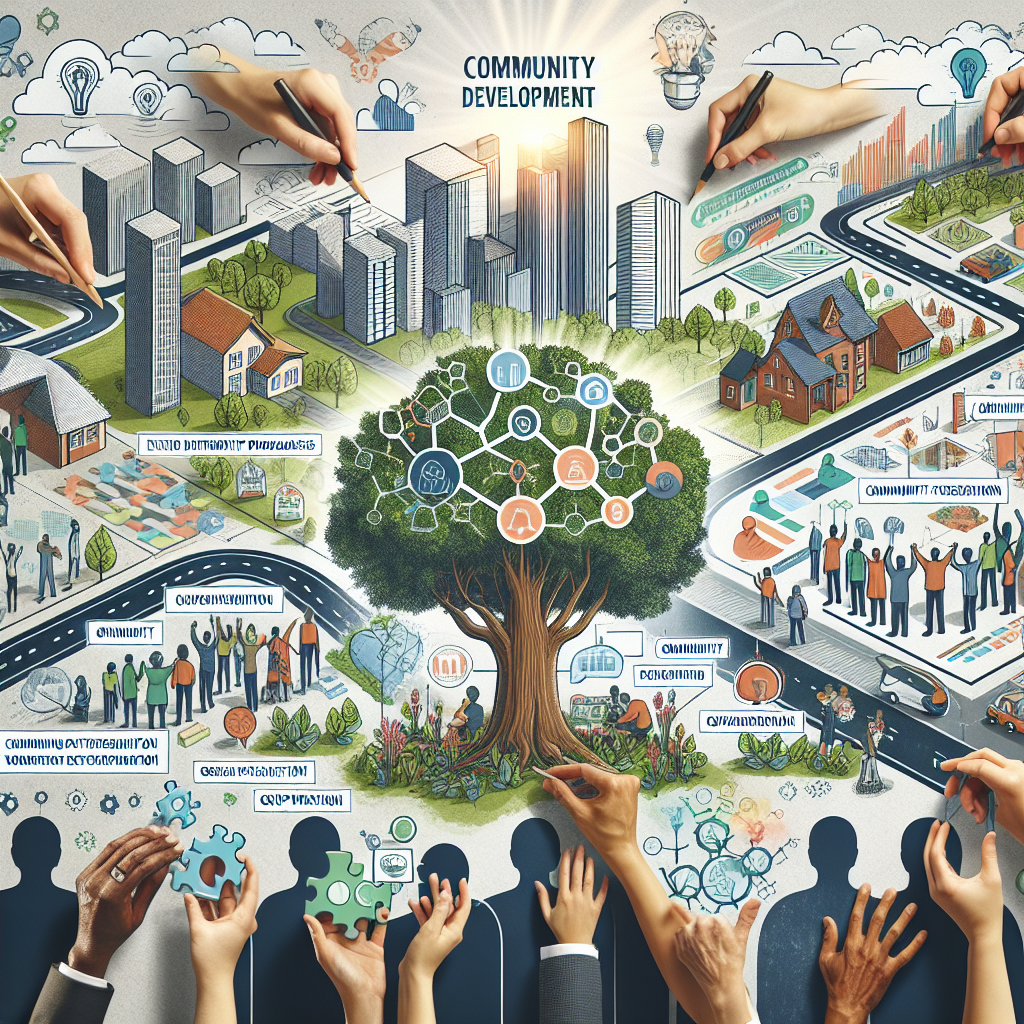
Community development and volunteerism are two interlinked concepts that play vital roles in urban planning and improving the quality of life for residents. These activities come together to build stronger, more resilient communities that are capable of addressing their own needs. Community development refers to the concerted efforts to improve the economic, social, and cultural wellbeing of a given community, often spurred by the members who live within it. Volunteerism, however, involves the donation of time and skills by individuals for the benefit of the community at large, without financial compensation.
These pursuits matter because they harness the collective power and agency of local residents to create sustainable solutions for societal issues. They help to instill pride, increase civic engagement, and promote inclusiveness and equity. Additionally, community development and volunteerism foster social connections and increase trust within neighborhoods, contributing to the overall well-being of community members. As urbanization continues to expand across the globe, adaptive and local strategies in community development can form the cornerstone of thriving cities, housing solutions, and more sustainable urban environments.
The Fundamentals of Community Development
Community development is a broad field focusing on empowering community members to create significant, positive changes. Its core principles include participation, inclusion, self-determination, and social justice. These principles inspire communities to utilize local resources and knowledge to create solutions tailored to specific local issues.
An example of community development in action can be found in the “Block by Block” initiative in Detroit, Michigan. This initiative began as a way to engage local residents in revitalizing neighborhoods facing economic decline. Through collaboration with local non-profits, government entities, and volunteers, the project successfully revitalized parks and public spaces—fostering a greater sense of community and an improved urban environment.
The Role of Volunteerism in Community Development
Volunteerism serves as a critical component of community development by mobilizing the talents, time, and resources of individuals, amplifying the scope and impact of development projects. Volunteers lend substantial support to local projects without the financial costs typically associated with community improvement work. This aspect is especially important in resource-limited areas where funding is sparse.
Consider the case of Habitat for Humanity, a global nonprofit housing organization operating in various locales to provide affordable housing solutions. Volunteers contribute labor to build homes, enabling more families to own a house of their own. The participation of volunteers reduces building costs, fosters a spirit of community, and creates a shared sense of purpose among all participants.
Collaborative Approaches for Effective Community Development
For successful community development, collaboration is essential. This collaboration can occur between government bodies, local organizations, businesses, and community members themselves. Effective partnerships ensure that projects benefit from a diverse range of skills, perspectives, and resources.
The Seoul Metropolitan Government in South Korea implemented a participatory budgeting program that illustrates effective community development through collaboration. Local residents were included in the budget decision-making process, allowing them to directly impact which infrastructure projects would be prioritized in their communities. This model of citizen involvement in governance underlines the importance of collective decision-making and trust between authorities and residents.
Social Benefits of Community Development and Volunteerism
Community development and volunteerism yield numerous social benefits, such as improved communal facilities, enhanced social cohesion, and increased civic responsibility. Such benefits positively impact the mental health and overall quality of life of residents, creating resilient communities that can withstand adversities.
For instance, a community garden project in New York City involved the transformation of vacant lots into productive urban farms through the efforts of community volunteers. These gardens now serve as spaces where residents can grow food, learn sustainable practices, and connect with their neighbors—promoting both physical and mental health within the community.
Challenges and Solutions in Community Development and Volunteerism
While community development and volunteerism can offer significant benefits, they also face challenges. These include limited funding, disparate community interests, and the potential burnout of volunteer staff. Addressing these challenges requires innovative strategies, such as diversifying funding sources, ensuring inclusive community engagement, and maintaining volunteer retention programs.
By implementing training sessions and recognition programs, organizations can better appreciate and motivate volunteers, reducing turnover rates. Similarly, continuous engagement and transparent communication with community stakeholders can help align collective goals and sustain the momentum of community development initiatives.
| Challenge | Solution |
|---|---|
| Limited Funding | Identify diverse funding sources, including grants, donations, and partnerships |
| Disparate Interests | Facilitate inclusive dialogue and conflict resolution workshops |
| Volunteer Burnout | Implement volunteer appreciation and retention programs |
Evolving Trends in Community Development and Volunteerism
Today’s community development and volunteerism strategies are evolving to incorporate technology, social media, and data-driven approaches into their frameworks. These trends allow for broader outreach and engagement, making it easier to connect with and mobilize community members on a large scale.
Platforms like “Nextdoor” or “Meetup” enable residents in urban settings to connect over shared local concerns or interests, organize events, and collaborate on community projects. This digital engagement complements physical efforts and drives momentum for broader participation in community development and volunteerism.
Impact of Community Development on Urban Planning
Community development initiatives significantly impact urban planning, as they provide immediate feedback from residents on their needs and preferences. By incorporating community insights, urban planners can formulate strategies that reflect the unique aspects of local contexts, ensuring that development projects are sustainable and community-focused.
For example, the city of Copenhagen invited residents to participate in urban dialogues that led to its transformation into a renowned cycling-friendly city. The input from citizens led to the creation of extensive bike paths and safer intersections, promoting healthier lifestyles and reducing urban congestion.
Conclusion: The Power and Responsibility of Community Participation
In summary, community development and volunteerism are integral to fostering vibrant, adaptive, and inclusive urban environments that truly reflect the needs of their inhabitants. By engaging local residents, utilizing available resources, and fostering partnerships, communities can effectively tackle complex urban challenges, improve living conditions, and reinforce social bonds.
Ultimately, the power and responsibility to enact change lie within the communities themselves. Residents, organizations, and policymakers must work together to identify priorities, mobilize action, and create sustainable solutions. Each individual can contribute to their community’s success, whether through hands-on volunteer work or participation in dialogues shaping the future of their neighborhood.
As a call-to-action, individuals are encouraged to become active participants in their community development initiatives. Engage with neighbors, join local organizations, and explore volunteer opportunities. Collectively, we can create a future where our communities are resilient and equipped for the challenges ahead.
To explore more about community development and get involved, visit HomeSIght.org for resources, stories, and opportunities to make a difference in your community.
Frequently Asked Questions
1. What is community development, and why is it important?
Community development is a comprehensive approach focused on improving the overall economic, social, and cultural wellbeing of a particular community. It embodies the efforts taken by community members to identify and tackle their own problems, encouraging participation and collaboration among residents, local organizations, and government entities. These initiatives are critical because they empower people to create vibrant, self-reliant communities where resources are optimally utilized. An emphasis on community development can lead to improved local economies, healthier social relationships, and enriched cultural life. When communities work together, they are better poised to address challenges they face, better identify opportunities for growth, and improve the quality of life for all residents in a sustainable manner. This connection creates an environment of unity where development translates into tangible, positive changes that impact everyday life.
2. How does volunteerism support community development?
Volunteerism plays a key role in supporting community development by providing the necessary workforce and energy to drive various initiatives. When individuals volunteer, they offer their time, skills, and enthusiasm to help address specific community needs or projects, which might otherwise remain unmet due to lack of resources. Volunteers help build social networks, increase the capacity of community organizations, and foster an environment of mutual support and collaboration. In turn, this boosts the community’s ability to execute effective development projects. Volunteering can indeed lead to transformative and sustainable changes in communities by filling gaps in services and fostering social cohesion. As volunteers engage in community-building activities, they gain valuable experiences and insights, further motivating them to invest in their communities long-term. This cycle of engagement and development brings about a sense of belonging and pride among residents, reinforcing their commitment to continued progress.
3. What are some examples of community development projects?
Community development projects can range widely based on the unique needs and goals of a community. Some common examples include initiatives like establishing community gardens to address food insecurity, creating local business development programs to stimulate economic growth, or organizing neighborhood improvement projects like cleanup days or street revitalization efforts. Other noteworthy projects might involve setting up community centers, launching health and wellness programs, or creating educational workshops aimed at skill development. Additionally, communities might focus on implementing sustainable practices in areas like energy use or waste management to enhance environmental stewardship. Each project is designed to engage local residents and address specific areas for improvement, harnessing the collective power and input of the community to achieve significant and lasting impact.
4. What skills can individuals gain from participating in volunteerism?
Volunteerism offers individuals a wealth of opportunities to develop and hone a variety of valuable skills. By engaging in volunteer activities, individuals can enhance their leadership abilities through organizing events or managing teams. Communication skills often improve as volunteers interact with diverse groups of people, learning to articulate ideas effectively and build strong interpersonal connections. Project management and collaborative skills are also frequently developed, as many volunteer opportunities require planning and coordination among team members to achieve common goals. Additionally, volunteers can acquire practical skills related to particular fields, such as education, healthcare, or environmental conservation, further enhancing their professional development. Beyond technical abilities, volunteering cultivates important soft skills like empathy, adaptability, and problem-solving. These experiences not only benefit the volunteer personally and professionally but also strengthen their commitment to civic engagement, fostering a deeper understanding of community needs and the importance of contributing to a greater cause.
5. How can communities encourage volunteerism among their residents?
For communities to thrive through volunteerism, they must cultivate an environment that encourages and supports active participation. One of the most effective ways to do this is by creating a culture that values and recognizes the contributions of volunteers, highlighting their positive impact on the community. Public acknowledgment, appreciation events, and personal follow-ups are great ways to show gratitude and motivate continued engagement. Moreover, offering diverse and flexible volunteer opportunities that cater to the varied interests and availabilities of community members can help boost participation. This includes short-term, project-based roles, as well as recurring commitments to address different engagement preferences. Providing clear communication about the volunteer needs and the potential benefits of participation can also be a key factor in inspiring individuals to take part. Furthermore, local governments and organizations should facilitate easy access to volunteerism through well-maintained volunteer platforms or directories that list available opportunities. Investing in targeted outreach, especially among underrepresented groups, is also important to ensure inclusivity and build a strong, diverse volunteer base. Overall, fostering a supportive and inclusive atmosphere where residents understand the importance and value of their involvement will lead to more robust and engaged communities capable of enacting meaningful development initiatives.