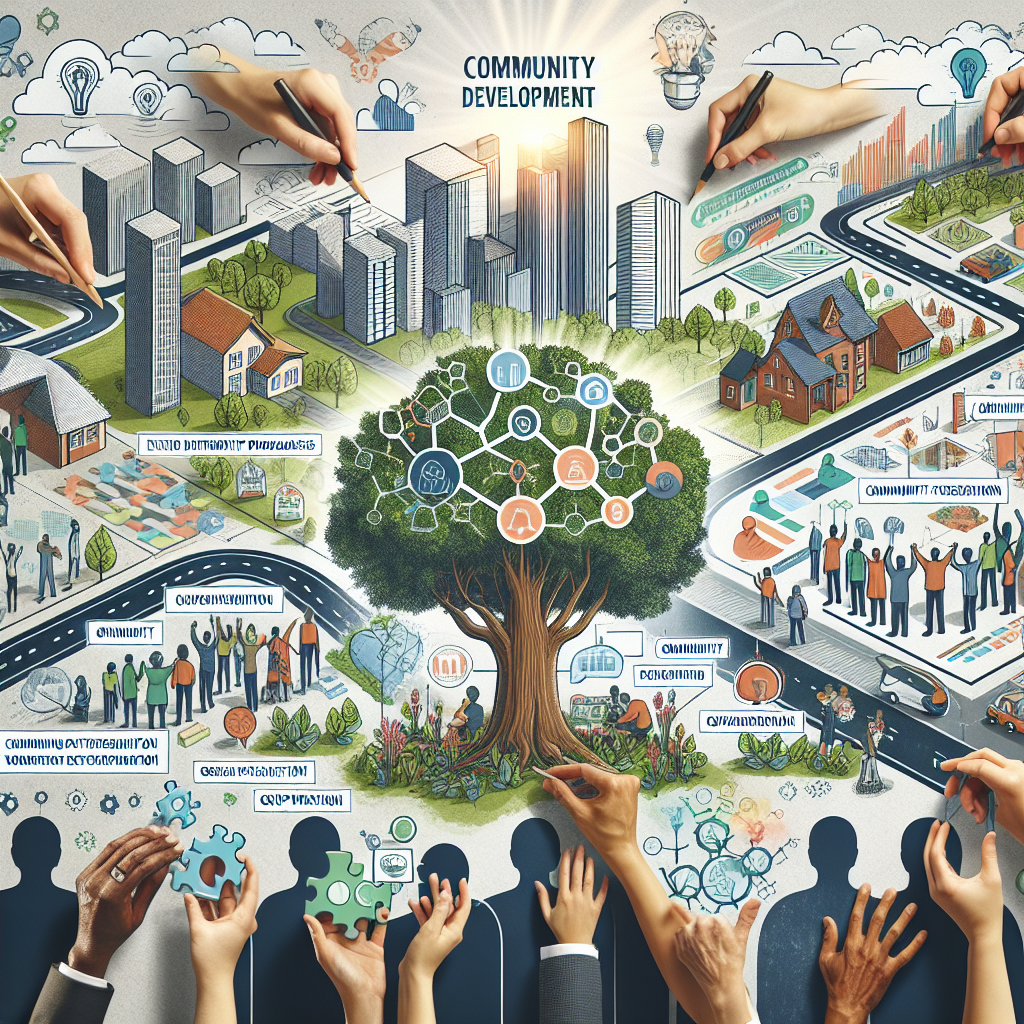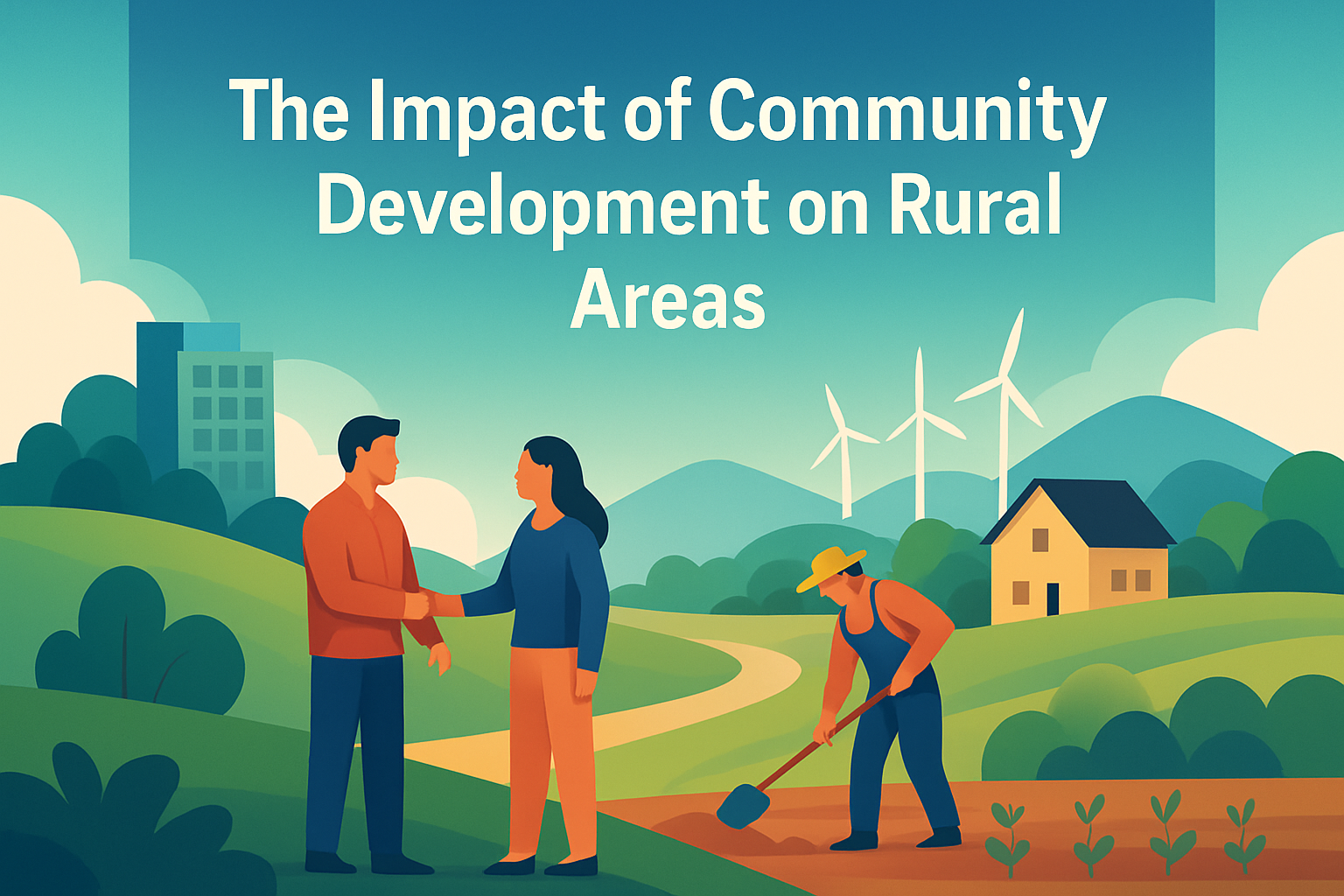
Community development is a crucial process dedicated to enhancing the living standards of people by creating strong, resilient communities. This process involves engaging local populations in initiatives that address social, economic, cultural, and environmental needs, thereby empowering residents with the means to effect real, lasting change. As a subject of vital importance, especially in rural areas, community development transforms these regions into more self-sustaining, prosperous, and vibrant places to live. Its impacts are far-reaching, influencing everything from employment opportunities, education, and healthcare to infrastructure, social cohesion, and overall quality of life. Understanding the dynamics of community development and its impact on rural areas is vital for policymakers, community leaders, and residents alike, as it holds the promise of sustainable growth and increased well-being for all involved.
Economic Growth and Job Creation
One of the most immediate and noticeable impacts of community development initiatives in rural areas is the stimulation of economic growth and job creation. By focusing on harnessing local resources and encouraging entrepreneurship, these initiatives create an environment conducive to business growth and development. For instance, in rural Minnesota, a community-led project aimed at promoting agritourism has successfully increased local tourism revenue and created new jobs. By collaborating with local farmers and businesses, the community has turned agriculture into an experience that attracts visitors and boosts the local economy.
Community development initiatives often provide the training and resources needed for residents to start their businesses. As people become empowered to create for themselves, job opportunities multiply. Moreover, these initiatives often prioritize the strengthening of existing industries and the promotion of small, locally-owned businesses, ensuring that the community retains more of the economic benefits derived from local commerce.
Enhancement of Education and Skills
Education and skill development are foundational for community development, particularly in rural areas where educational resources may be limited. Various programs focus on improving educational infrastructure, from building new schools to integrating technology into the learning environment. A notable example is found in the rural communities of West Virginia, where efforts to implement high-speed internet access in classrooms have significantly improved learning outcomes. By bridging the digital divide, students are afforded the same educational opportunities as their urban counterparts.
In addition to infrastructural improvements, community-driven initiatives often foster skills development through workshops, vocational training, and adult education programs. These educational endeavors are critical for preparing the community’s workforce to meet the demands of the modern economy. As local residents gain new skills, they enhance their employability and contribute to the economic growth of their community.
Improvement in Healthcare Services
Access to quality healthcare is a significant challenge for many rural areas, where medical facilities are often scarce and travel distances to the nearest hospital can be considerable. Community development plays a vital role in addressing these issues by enhancing healthcare services and accessibility. Programs aimed at establishing community health clinics and mobile medical units are transforming health outcomes in these regions. For example, in rural Kentucky, the implementation of telemedicine has expanded access to medical specialists statewide, significantly reducing travel-related barriers to care for the rural population.
Moreover, community health education initiatives promote awareness about preventive care and healthy lifestyles, actively reducing the prevalence of chronic diseases. By investing in healthcare infrastructure and services, community development initiatives not only improve individual health outcomes but also contribute to the overall well-being and productivity of the community.
Infrastructure Development
Infrastructure development is a critical aspect of community development in rural areas. It involves the construction and maintenance of essential facilities like roads, bridges, water, and sewage systems. Effective infrastructure is the backbone of economic activity, and its enhancement often leads to increased investment and growth. A real-world illustration of successful rural infrastructure development can be found in the state of Iowa, where strategic investments in road networks have significantly improved transport efficiency for agricultural products, benefiting local farmers and businesses.
Investment in infrastructure extends beyond roads and bridges. It also encompasses energy systems and telecommunications, which are crucial for sustaining economic activities. Rural electrification projects and the expansion of broadband internet are particularly transformative, as they enable local communities to connect with the broader global economy. Through these enhancements, rural areas can become more attractive to investors and new residents, spurring further economic and social development.
Promotion of Social Cohesion and Cultural Heritage
Community development fosters social cohesion by bringing together diverse groups within a community to work toward common goals. This collaboration often results in strengthened community bonds and increased resilience against external stresses. A compelling example is the cooperative farming model seen in Vermont, where multiple small farmers pool their resources to create a single, stronger entity capable of negotiating better prices and reaching broader markets.
Additionally, community development efforts often aim to preserve and promote cultural heritage, valuing local traditions, languages, and histories. Programs that celebrate cultural identity through festivals, arts, and crafts play a significant role in maintaining and transmitting heritage. The acknowledgment and integration of diverse cultural practices within community planning not only enrich the community’s social fabric but also attract tourism and related economic benefits. Such inclusive efforts build a stronger, more unified community that values its roots while striving for future growth.
Empowerment Through Participatory Governance
One of the most profound impacts of community development in rural areas is the empowerment of residents to have a voice in decision-making processes. Participatory governance models encourage residents to take an active role in shaping the development agenda, ensuring that initiatives align with the specific needs and priorities of the community. This democratization of governance leads to more effective and equitable outcomes.
A successful example of participatory governance can be found in the rural areas of Brazil, where participatory budgeting has allowed citizens to dictate how municipal funds are allocated. This involvement has resulted in projects that directly meet community needs, such as improved waste management systems and school upgrades.
| Rural Area | Project Type | Key Outcome |
|---|---|---|
| Minnesota | Agritourism | Increased Tourism Revenue |
| West Virginia | Education & Internet Access | Improved Learning Outcomes |
| Kentucky | Telemedicine | Enhanced Healthcare Access |
| Iowa | Infrastructure Development | Improved Transport Efficiency |
| Vermont | Cooperative Farming | Increased Market Reach |
Such participatory approaches not only result in more tailored and successful development outcomes but also increase the sense of ownership and commitment among community members, driving sustained development efforts over time.
Environmental Stewardship and Sustainable Practices
Environmental stewardship is a crucial component of community development, especially in rural areas where natural resources play a fundamental role in livelihoods. Development initiatives often target the promotion of sustainable agricultural practices, conservation, and renewable energy projects. The adoption of these eco-friendly practices is evident in places like rural California, where communities have spearheaded solar energy projects that reduce carbon footprints and lower energy costs for residents.
By integrating environmental considerations into community development, these initiatives ensure that growth is sustainable and that natural resources are preserved for future generations. This approach helps mitigate the impacts of climate change and protects biodiversity, while simultaneously providing economic opportunities and enhancing the quality of life for local residents.
Conclusion: Driving Forward with Community Development
In summary, community development holds transformative potential for rural areas, driving economic growth, enhancing educational opportunities, improving healthcare, and fostering social cohesion — all while addressing critical infrastructure and environmental challenges. The examples provided demonstrate how targeted initiatives can produce tangible benefits, improving the lives of rural residents and making their communities more vibrant and sustainable.
For those interested in championing community development, the path forward involves actively participating in local initiatives, advocating for policies that support development goals, and fostering partnerships with key stakeholders. By taking these steps, individuals and groups can contribute to shaping the future of rural areas, ensuring that they remain thriving, vital parts of the social and economic fabric.
The next step is simple: engage with and support local community development efforts, whether through volunteering, attending town hall meetings, or simply initiating conversations about the needs and dreams of your community. By working together, we can ensure that all rural communities are places where people can live with dignity and hope.
Frequently Asked Questions
1. What is community development and how does it impact rural areas?
Community development is a transformative process that focuses on improving the quality of life for people by building strong, resilient communities. In rural areas, this involves engaging the local population in various initiatives focused on addressing essential needs such as social, economic, cultural, and environmental concerns. By empowering residents to take charge and actively participate in their community’s growth, community development can lead to real, lasting changes. This proactive involvement not only helps individuals but also strengthens the entire community, making it more self-sustaining, prosperous, and vibrant. For example, when local residents collaborate on projects like building community centers, improving educational facilities, or supporting local businesses, they collectively elevate the standard of living and enhance their community’s overall resilience. Furthermore, addressing environmental issues through community-driven initiatives can lead to healthier landscapes and ecosystems, vital for sustaining rural livelihoods.
2. What role do local populations play in the community development process?
Local populations are frontline drivers of the community development process in rural areas, as their engagement is critical to achieving meaningful progress. The objective is to empower these residents by involving them in identifying the needs of their community and formulating strategies to meet those needs. This can include organizing meetings, attending workshops, or participating in local committees focused on development planning. When residents take an active role, they not only provide valuable insights and perspectives based on their lived experiences but also take ownership of the projects, ensuring sustained momentum and increased likelihood of success. By being part of the solution, community members are also more likely to take pride in, and responsibility for, the outcomes of development initiatives. Importantly, local engagement encourages inclusivity, ensuring that diverse voices are heard and incorporated, leading to more comprehensive and effective solutions.
3. What are some common initiatives involved in rural community development?
In rural community development, initiatives can be diverse and are often tailored to meet specific community needs. Common focus areas include economic development, education, health, infrastructure, and environmental conservation. Economic initiatives might involve support for local businesses, forming cooperatives, or creating job opportunities, particularly those that harness local resources and skills. Educational initiatives often aim to improve access to quality education through renovated schools or enhanced learning programs, preparing young people for future opportunities. In the health sector, community development might focus on building clinics, organizing health camps, or providing access to clean water and sanitation. Infrastructure projects are vital as well, ranging from road construction to establishing reliable power sources. Environmental initiatives can encompass efforts to preserve natural resources, promote sustainable agriculture, or implement conservation practices. Each initiative contributes to building a robust community framework, enhancing the cohesiveness and sustainability of rural areas.
4. How does community development contribute to the economic sustainability of rural areas?
Community development significantly contributes to the economic sustainability of rural areas by fostering an environment where local economies can thrive independently. When communities focus on tailored economic initiatives, they often tap into local strengths and resources, driving financial growth right from within the community. By supporting small businesses, entrepreneurs, and cooperatives, community development encourages job creation and retains wealth locally. This can lead to the establishment of new services and markets that not only satisfy local demand but can also cater to wider areas, bringing in additional revenue. Moreover, community development often focuses on improving education and training, offering residents the skills they need to find employment or start their own ventures. Such initiatives reduce dependency on external aid or resources, making communities more economically independent and resilient to external economic shocks. The cumulative effect is a rural area that can sustain itself and continue to prosper over time, even amidst changing external circumstances.
5. What challenges do rural areas face in implementing community development projects?
Implementing community development projects in rural areas comes with its share of challenges that need to be delicately managed. One of the primary obstacles is the limited access to financial resources. Many rural communities face budget constraints that can restrict the scale and scope of potential projects. Additionally, there may be a lack of local expertise or skilled personnel required for technical initiatives. Rural areas can also experience logistical challenges due to remoteness, such as transporting materials or accessing needed technology and infrastructure. Communication can pose a challenge as well, with some areas struggling to disseminate information effectively to all residents because of limited communication channels. Initiatives must also navigate social challenges, including resistance to change, varying levels of community engagement, and potential political or cultural conflicts. Successfully overcoming these challenges often requires strategic planning, collaboration with external organizations, and innovative problem-solving to ensure that community development efforts are both effective and sustainable.