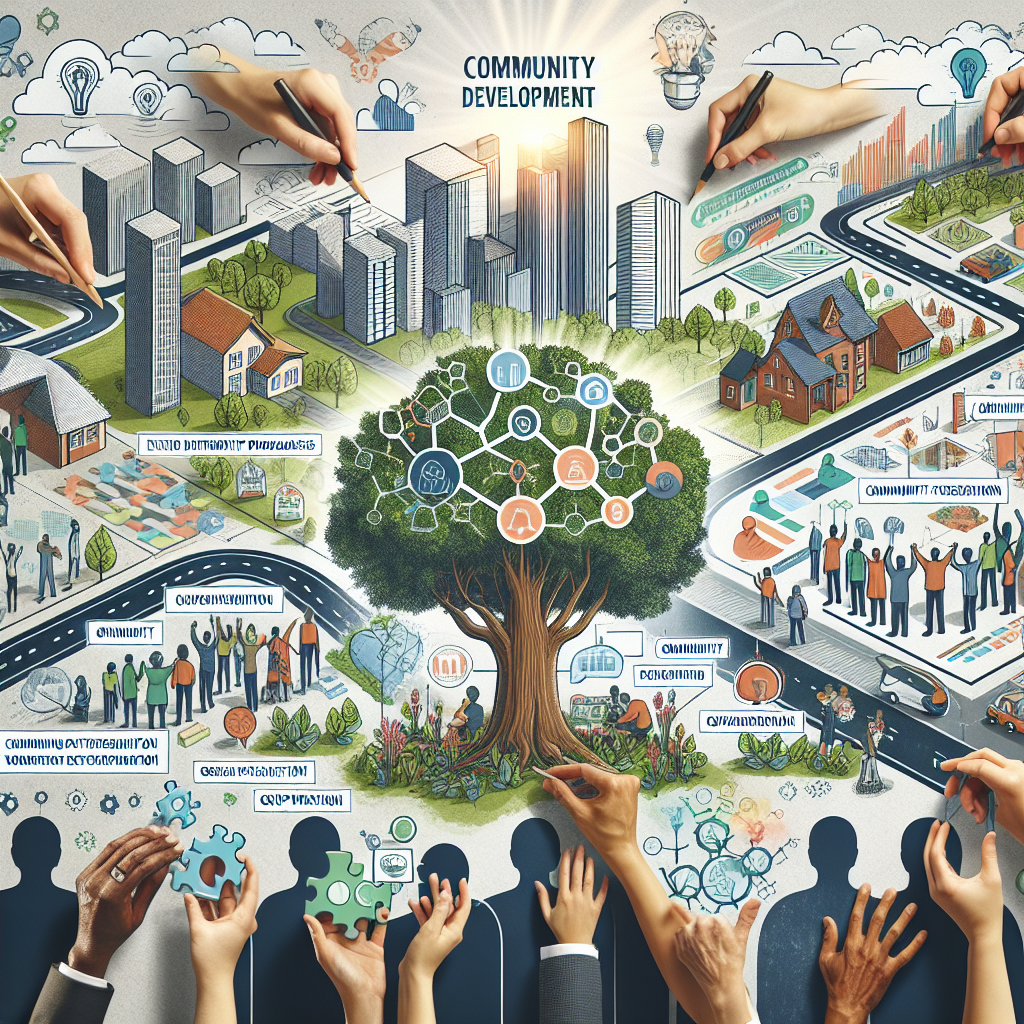
As cities and communities expand, the importance of green spaces becomes increasingly evident. Community development and green spaces share a symbiotic relationship that influences not only the aesthetics but also the social, economic, and environmental health of urban areas. These green oases act as the lungs of urban areas, providing residents with places to relax, socialize, and engage in recreational activities.
Incorporating green spaces into community development plans is more than just about making areas look appealing. It’s about promoting well-being, fostering social interaction, reducing urban heat island effects, and even mitigating climate change. When thoughtfully planned and maintained, parks, gardens, and other green spaces can elevate the quality of life in any neighborhood, making it a more desirable place to live, work, and play.
In this comprehensive examination of community development and green spaces, we’ll explore how green spaces are vital to urban planning. We’ll discuss their numerous benefits, the challenges in creating and maintaining these areas, strategies for successful integration, and real-world examples of thriving green spaces. By the end of this article, you’ll have a deeper understanding of why green spaces matter and how they can be effectively incorporated into community development initiatives.
The Benefits of Green Spaces in Urban Environments
Green spaces offer an array of benefits that contribute significantly to the well-being of urban communities. Here are some key advantages:
- Health and Well-being: Access to green spaces has been linked to improved mental health and reduced stress levels. Parks and gardens provide a peaceful environment where people can unwind, meditate, or simply enjoy nature. Physical activities like walking, jogging, or playing sports in green areas also contribute to better physical health.
- Social Cohesion: Green spaces serve as communal areas where people of all ages and backgrounds can come together. These spaces can host community events, create opportunities for social interaction, and help foster a sense of belonging among residents.
- Environmental Impact: Green spaces play a critical role in urban ecosystems. They help reduce air pollution by filtering pollutants and producing oxygen. Moreover, vegetation in these areas can help mitigate the urban heat island effect by cooling the surrounding environment.
- Economic Advantages: Proximity to green spaces can increase property values and attract businesses. Areas with abundant greenery are often seen as more attractive, which can drive economic growth by encouraging investment and tourism.
Recognizing these benefits underscores the importance of integrating green spaces into urban planning and community development strategies.
Challenges in Creating and Maintaining Green Spaces
While the advantages of green spaces are clear, urban planners and community developers face several challenges in creating and maintaining these areas. Some common obstacles include:
- Space Constraints: In densely populated urban areas, finding available land to develop green spaces can be daunting. Overcoming these constraints often requires innovative solutions, such as rooftop gardens or pocket parks.
- Funding: Developing and maintaining green spaces can be expensive. Securing funding from government bodies, private investors, or non-profits is essential but can be challenging.
- Maintaining Biodiversity: Ensuring that green spaces support a diverse range of plant and animal life is critical for their ecological health. Balancing biodiversity with public use requires careful planning and ongoing maintenance.
- Community Engagement: For green spaces to thrive, they need support and involvement from the community. Engaging residents in the planning and upkeep of these areas can foster a sense of ownership and ensure their long-term success.
Addressing these challenges necessitates collaboration among urban planners, local governments, community organizations, and residents.

Strategies for Integrating Green Spaces into Community Development
The successful integration of green spaces into community development requires strategic planning and execution. Here are some effective strategies:
- Inclusive Planning: Engaging community members in the planning process ensures that the green spaces meet their needs and preferences. Community input can provide valuable insights into designing functional and welcoming environments.
- Multi-use Spaces: Designing green spaces that serve multiple functions—such as recreational areas, community gardens, and habitats for wildlife—can maximize their utility and appeal.
- Sustainable Practices: Using environmentally friendly materials, native plants, and sustainable maintenance practices can help create green spaces that are both beautiful and ecologically sound.
- Partnerships: Collaborating with local businesses, non-profits, and government agencies can provide additional resources and support for creating and maintaining green spaces.
Implementing these strategies can lead to the development of vibrant, sustainable green spaces that enhance community life.
Case Studies: Successful Green Spaces in Urban Areas
Examining real-world examples can provide inspiration and valuable lessons for integrating green spaces into community development. Here are a few notable case studies:
- High Line Park – New York City: This innovative park, built on a disused elevated railway, demonstrates how urban spaces can be repurposed into green areas. The High Line has become a cultural and social hub, attracting millions of visitors annually.
- Millennium Park – Chicago: Known for its iconic Cloud Gate sculpture (The Bean), Millennium Park combines art, architecture, and greenery. It serves as a prime example of how green spaces can enhance urban aesthetics and cultural life.
- Cheonggyecheon Stream – Seoul: The restoration of this urban stream created a lush, linear park that has revitalized the surrounding area. It highlights the potential for green spaces to bring ecological and social benefits to urban environments.
These successful projects illustrate the transformative impact green spaces can have on urban communities.
The Future of Green Spaces in Community Development
As urbanization continues, the role of green spaces in community development will become increasingly important. Future trends and innovations are likely to shape how these areas are designed and utilized. Some promising developments include:
- Smart Green Spaces: Incorporating technology into green space management can enhance their functionality and sustainability. For example, smart irrigation systems can optimize water use, while sensors can monitor environmental conditions.
- Vertical Gardening: With limited horizontal space in urban environments, vertical gardens offer a solution by utilizing walls and other vertical structures for planting.
- Community-led Initiatives: Empowering residents to take an active role in creating and maintaining green spaces can lead to more tailored and well-supported projects. Community gardens and volunteer programs are likely to become more prevalent.
- Integration with Urban Infrastructure: Future green spaces may be more seamlessly integrated with other urban infrastructure, such as public transportation systems and commercial areas, creating multifunctional spaces that serve diverse needs.
Embracing these trends can help create resilient and adaptive green spaces that continue to benefit urban communities in the years to come.
Conclusion: Embracing Green Spaces for Better Community Development
Green spaces are more than just patches of grass or clusters of trees; they are vital components of healthy, vibrant communities. Their multifaceted benefits—ranging from improved mental and physical health to enhanced social cohesion and environmental sustainability—make them indispensable in urban planning and community development.
Despite the challenges in creating and maintaining these areas, the rewards are well worth the effort. By utilizing inclusive planning, sustainable practices, and innovative solutions, urban planners and community developers can create green spaces that enrich the lives of residents and foster thriving, resilient communities.
As we move forward, it’s crucial to prioritize the integration of green spaces in urban environments. Doing so will not only enhance the quality of life for current residents but also ensure that future generations inherit healthy, sustainable, and welcoming communities. Through collaboration, innovation, and a deep appreciation for the natural world, we can create urban landscapes where green spaces flourish and communities thrive.
Frequently Asked Questions
1. Why are green spaces essential to community development?
Green spaces are paramount to community development for a multitude of reasons. Primarily, they serve as the lungs of urban environments, purifying the air and filtering pollutants to provide cleaner air for residents. This environmental benefit is crucial as cities become denser and air quality becomes more challenging to maintain. Additionally, green spaces offer significant mental health benefits, serving as serene escapes where individuals can unwind from the stresses of urban living. Socially, these areas become vibrant hubs where communities can gather, socialize, and forge stronger communal bonds. Events like farmer’s markets, outdoor performances, and community gardening initiatives often find a home in these spaces, promoting social cohesion and inclusivity. Economically, properties within close proximity to green spaces often enjoy higher value, and local businesses may experience increased foot traffic from visitors to these areas. By integrating green spaces into community development, urban planners are promoting a vision where natural beauty and human habitations coexist harmoniously, fostering healthier, more connected, and economically vibrant communities.
2. How do green spaces contribute to the environmental health of a community?
The environmental contributions of green spaces are extensive and multifaceted. One of their most significant roles is in enhancing urban ecology by preserving biodiversity — providing habitats for various species of plants, birds, and insects. This biodiversity is critical for the balance of ecosystems, even in urban settings. Furthermore, trees and plants within green spaces absorb carbon dioxide and other pollutants, releasing oxygen back into the atmosphere, which ameliorates urban air quality. They also help regulate the microclimate of urban areas, offering cooling effects in sweltering months through shade and evaporative cooling, thus combating the urban heat island effect. Moreover, green spaces are instrumental in water management. They absorb rainwater, reducing runoff and the likelihood of urban flooding. This capability greatly aids in maintaining the natural water cycle and replenishing groundwater supplies. Incorporating environmentally-focused design elements ensures that green spaces not only beautify urban areas but also actively contribute to sustaining their environmental health.
3. What are the economic advantages of having green spaces within a community?
Green spaces provide substantial economic benefits by enhancing the overall attractiveness of urban areas, which in turn elevates property values and generates local revenue. Homes and properties adjacent to parks, gardens, and trails generally see an increase in value due to the desirable proximity to natural landscapes, effectively yielding a higher property tax revenue for local governments. Beyond property value increases, green spaces attract tourism and local visitors, creating a positive economic ripple effect by driving foot traffic to nearby businesses, such as restaurants, coffee shops, and retail outlets. Additionally, people are more likely to spend their leisure time and disposable income in areas with vibrant green spaces, contributing to the local economy. Green spaces can also reduce costs related to public health and city infrastructure. By promoting physical activities and social interactions, these areas contribute to improved public health and well-being, potentially reducing healthcare costs. They also offer natural solutions to environmental issues like air pollution and stormwater management, diminishing the need for man-made infrastructure expenses.
4. What role do green spaces play in enhancing the social fabric of a community?
Green spaces are at the heart of social interaction and community-building. They are venues where people from diverse backgrounds converge, facilitating social connections and fostering inclusivity. Whether through organized community events like outdoor festivals, concerts, or casual gatherings like picnics and sports activities, green spaces provide environments where social ties are strengthened. These areas become neutral grounds where barriers of social and economic differences dissolve, promoting a sense of unity and shared purpose among residents. Community gardens, for example, provide opportunities for cooperation and collective sustainability efforts, empowering residents to contribute to their environment actively. Moreover, green spaces can be thoughtfully designed to include amenities like playgrounds, sports facilities, and walking trails, which encourage lifestyle activities for all ages. These attractions lead to increased use and engagement from the community, thus reinforcing a sense of belonging and improving the overall quality of life.
5. What strategies can urban planners use to effectively incorporate green spaces into community development?
Urban planners have a wealth of tools at their disposal to incorporate green spaces into community development effectively. A critical strategy is to ensure equitable distribution of such spaces across different neighborhoods, providing easy access for people from all socio-economic backgrounds. Planners can prioritize location and connectivity, ensuring that green spaces are within walking distance of residential areas and linked by a network of pedestrian-friendly paths and bike lanes. Adopting innovative design approaches like rooftop gardens, green walls, and community gardens can maximize green space in urban environments where land is limited. Moreover, planners can collaborate with community members in the design process to ensure spaces meet the needs and cultural preferences of the community. Integrating policy frameworks that mandate minimum green space standards during property development or renovations is another effective method. This can be complemented by incentive programs for developers who incorporate green infrastructure within their projects. By employing a mix of thoughtful planning, community engagement, and policy innovation, urban planners can create sustainable and vibrant communities that harmonize human habitation with nature.