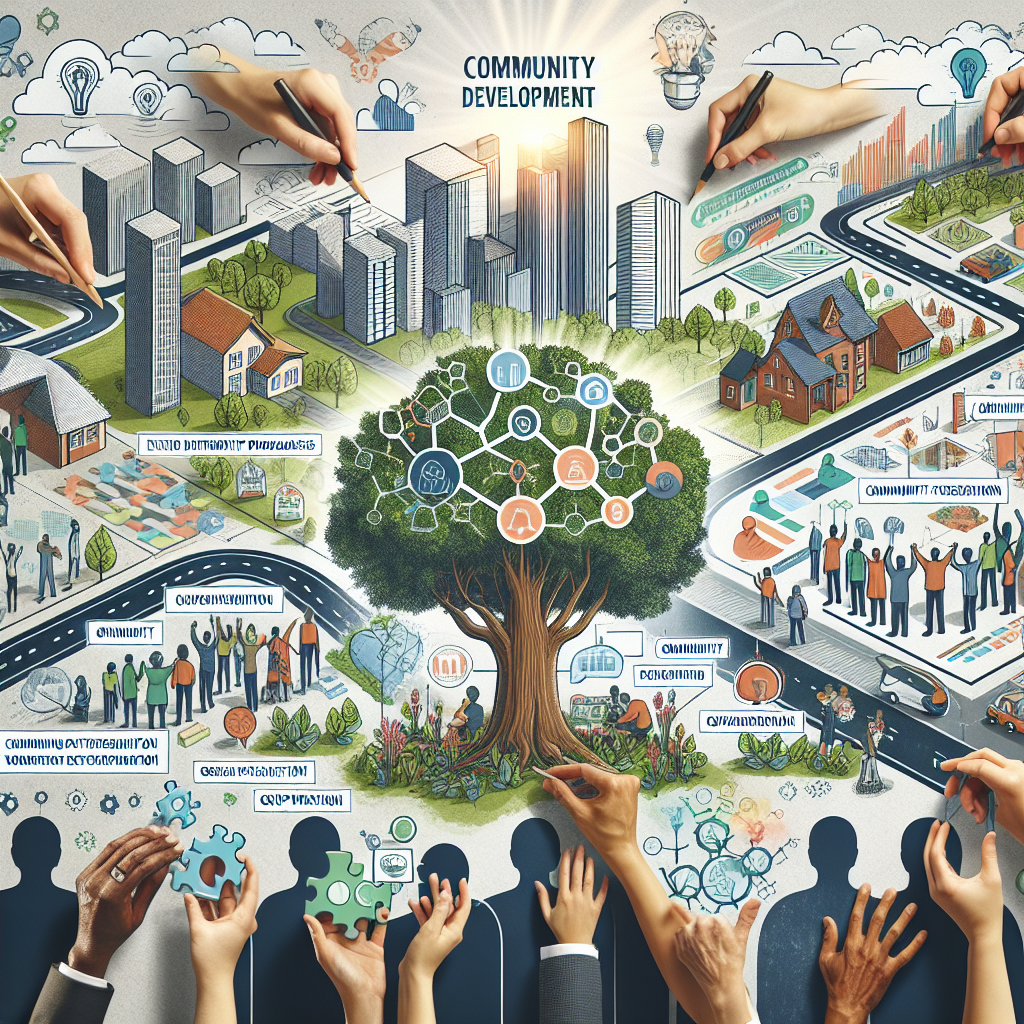
Community development is a multifaceted process aimed at improving the quality of life in communities, particularly those that are underprivileged or marginalized. By focusing on various elements such as education, health, economic opportunities, and environmental sustainability, community development fosters a more integrated and thriving society. But what exactly constitutes community development, and how does it tangibly impact the quality of life for individuals and families? This article delves into these questions, exploring how community-driven initiatives can lead to sustainable and long-lasting benefits.
Introduction
At its core, community development revolves around the concept of creating positive change at the local level. The primary goal is to empower community members to take charge of their affairs, thereby driving both individual and collective improvement. It’s about creating spaces where everyone’s voice can be heard, fostering collaboration, and spurring innovation from the ground up.
Take for instance, the idea of setting up community centers in neighborhoods. These centers can serve multiple roles—from recreational facilities to educational venues and even health clinics. These centers stand as tangible proof of how well-executed community development initiatives can significantly enhance the overall quality of life. By providing a hub for various essential services, residents can enjoy better access to resources that they may not have had otherwise.
Community development also plays an essential role in addressing social issues such as poverty, crime, and lack of education. By enacting programs that target these areas, such initiatives aim to create more equitable societies. The benefits go beyond just the immediate impact; over time, a well-developed community fosters a sense of belonging and pride among its residents, leading to a more harmonious and resilient society.
Economic Opportunities
One of the most compelling aspects of community development is its focus on creating economic opportunities for local residents. For many, lack of financial stability is a significant barrier to a higher quality of life. Community development projects often include economic initiatives such as job training programs, microfinance opportunities, and small business grants. These projects aim to empower individuals economically, making them less dependent on external aid and more capable of contributing to the local economy.
For example, consider the rise of community-supported agriculture (CSA) programs. By connecting local farmers directly with consumers, CSAs can revitalize rural economies and provide city dwellers with fresh, organic produce. This mutually beneficial arrangement not only supports local agriculture but also promotes healthier lifestyles.
Furthermore, community development initiatives often focus on creating infrastructure projects that aim to boost the local economy. Improved transportation systems, better housing, and access to broadband internet can create an environment where businesses can thrive, and residents can enjoy better job opportunities. The trickle-down effect of these improvements can lead to reduced poverty rates and an overall uptick in economic stability.
Moreover, some community development organizations focus on vocational training and education, ensuring that the local workforce is equipped with the skills needed for modern industries. Whether it’s through apprenticeship programs or partnerships with local colleges, these efforts have the potential to create a more skilled and adaptable workforce, thereby increasing individual earning potential and economic resilience.
Social Infrastructure
Beyond economic benefits, community development significantly impacts the social fabric of a community. Social infrastructure refers to the facilities, programs, and resources that contribute to the well-being of communities. These include schools, healthcare facilities, parks, and community centers.
Educational programs play a pivotal role in community development. By ensuring that children have access to quality education from a young age, these programs help break the cycle of poverty and provide future generations with better opportunities. Community-led schools or after-school programs can fill gaps left by underfunded public systems, making sure that every child gets the education they deserve.
Healthcare access is another crucial component. Community health clinics serve as vital hubs for preventive and primary care services. With affordable healthcare services available locally, people are more likely to seek medical help early, preventing more severe health crises down the line. This not only improves individual health outcomes but also reduces the overall burden on national health systems.
Parks and recreational facilities contribute to the mental and physical well-being of residents. They serve as communal spaces where people can meet, exercise, and unwind. Such amenities are particularly crucial in urban areas, where residents may lack access to natural environments. By providing green spaces, community development projects contribute to a higher quality of life and foster a sense of community among residents.
Environmental Sustainability
In recent years, the understanding of community development has expanded to include environmental sustainability. With the growing threat of climate change, it’s become increasingly clear that sustainable practices must be integrated into development strategies to ensure long-term benefits.
Various community-led initiatives focus on promoting sustainable practices such as recycling programs, community gardens, and renewable energy projects. These initiatives not only contribute to environmental conservation but also educate residents on the importance of sustainability. For instance, community gardens can provide fresh produce, reduce food deserts, and create green urban spaces.
Renewable energy projects, such as solar panel installations on community buildings, can reduce reliance on fossil fuels and lower energy costs for residents. These projects not only benefit the environment but also create a sense of collective responsibility and partnership. By participating in sustainable practices, community members contribute to a healthier planet while reaping the benefits of a cleaner, more sustainable living environment.
Moreover, environmental initiatives often lead to economic savings and job creation. Green jobs in renewable energy, waste management, and sustainable agriculture provide new employment opportunities for residents. By integrating environmental stewardship with economic growth, community development can achieve comprehensive, lasting improvements in quality of life.
Community Engagement and Participation
One of the strengths of community development is its emphasis on community engagement and participation. By involving residents in decision-making processes, these initiatives ensure that development projects reflect genuine local needs and priorities. This grassroots approach fosters a sense of ownership and empowerment, which is essential for the long-term success of any project.
Public forums, town hall meetings, and participatory budgeting are just a few examples of how communities can be actively involved in development processes. These methods encourage transparency and accountability, as community members can voice their concerns, share ideas, and hold authorities responsible. A community that feels heard and respected is more likely to support and sustain development efforts.
Volunteerism and local leadership are also crucial components of community engagement. By encouraging residents to take active roles in development projects, communities can harness a wealth of local talent and knowledge. Local leaders, who are often more attuned to the unique needs and strengths of their communities, can effectively drive meaningful and relevant initiatives.
Furthermore, fostering a culture of community engagement helps build social capital, which is the network of relationships and mutual trust that bind a community together. Social capital plays a vital role in creating resilient communities that can withstand challenges and adapt to change. By investing in community engagement, development initiatives can create strong, cohesive communities that are better equipped to achieve long-lasting improvements in quality of life.
Case Studies: Success Stories
To illustrate the tangible benefits of community development, it’s helpful to examine specific case studies of successful projects. These examples demonstrate how targeted initiatives can bring about substantial improvements in quality of life.
One notable example is the Harlem Children’s Zone (HCZ) in New York City. This comprehensive community development initiative focuses on breaking the cycle of poverty through education, social services, and community support. HCZ’s efforts to create a continuum of educational and social programs have transformed the lives of thousands of children and families in Harlem. The initiative’s success has inspired similar programs across the United States, showcasing the potential of community-driven development.
Another success story is the Dudley Street Neighborhood Initiative (DSNI) in Boston. DSNI is a community-led organization that has focused on revitalizing the Dudley Street area through affordable housing, economic development, and environmental sustainability. By empowering local residents to take charge of the redevelopment process, DSNI has created a vibrant, thriving community where residents have access to better housing, job opportunities, and green spaces.
The Kibera Slum Upgrading Project in Nairobi, Kenya, is an international example of successful community development. This initiative aims to improve living conditions in one of Africa’s largest informal settlements by providing better housing, sanitation, and social services. By involving residents in every step of the project, from planning to implementation, the initiative has achieved significant improvements in living standards and fostered a sense of community ownership and pride.
These case studies highlight the transformative potential of community development when driven by local needs and participation. By learning from these successes, other communities can develop tailored approaches to address their unique challenges and improve quality of life for their residents.
Conclusion
Community development is a powerful tool for enhancing the quality of life. By focusing on economic opportunities, social infrastructure, environmental sustainability, and community engagement, these initiatives create comprehensive, long-lasting benefits for communities. The success stories of initiatives like the Harlem Children’s Zone, the Dudley Street Neighborhood Initiative, and the Kibera Slum Upgrading Project demonstrate the transformative potential of community-driven development.
For communities to realize the full benefits of these initiatives, it’s crucial to prioritize genuine local needs and ensure active participation from residents. By fostering a sense of ownership and empowerment, communities can drive sustainable, meaningful change that improves the overall quality of life.
As more communities embrace the principles of community development, the collective impact will contribute to building a more equitable, sustainable, and thriving world. By investing in community-driven initiatives, we can create environments where everyone has the opportunity to flourish and where the quality of life is consistently elevated for all residents.
Frequently Asked Questions
1. What is community development, and why is it important?
Community development is a complex process aimed at enhancing the living conditions of communities, especially those that are disadvantaged or marginalized. The goal is to create a self-sustaining environment where individuals and families can thrive. Community development focuses on several key areas such as education, healthcare, access to economic opportunities, cultural development, and environmental sustainability. This approach is essential because it empowers communities, enabling them to address their own needs and to make sustainable improvements in their quality of life. It also promotes social inclusion, reduces inequality, and helps build a sense of belonging among community members which can be particularly impactful in areas suffering from social fragmentation or economic deprivation.
2. How does community development improve the quality of life in a community?
The quality of life in any community hinges on various factors including access to education, healthcare, housing, job opportunities, and a clean environment. Community development initiatives aim to improve these areas. Examples include creating educational programs to increase literacy and skill levels, developing healthcare facilities to ensure community members can receive necessary medical treatments, and promoting job training programs to increase employability. By improving these aspects, community development initiatives can help reduce poverty levels, decrease crime rates, improve public health, and foster a more engaged and interconnected community. As these elements improve, so too does the overall happiness and satisfaction of the individuals and families residing within the community.
3. What role does community engagement play in community development?
Community engagement is a critical component of successful community development. It involves actively involving local residents in the planning, execution, and evaluation of development initiatives. This ensures that the projects address the real needs and priorities of the community. Engaged community members are more likely to support and participate in development projects, thereby increasing the likelihood of their success. Engagement also fosters a sense of ownership and accountability among community members, as they feel their voices are heard and valued. By participating in decision-making processes, members gain confidence, build leadership skills, and develop a sense of agency that contributes significantly to the overall quality of life and sustainability of development efforts.
4. Can you provide examples of successful community development projects that have improved quality of life?
There are numerous examples of successful community development projects worldwide that have led to significant improvements in quality of life. One example can be found in the Kibera slum in Nairobi, Kenya, where the installation of bio-centers provided access to clean sanitation facilities and energy—that is biogas for cooking—resulting in improved health and economic conditions for residents. In the USA, the Harlem Children’s Zone focuses on education and community support services, helping to break the cycle of poverty by providing educational opportunities to children and support services to families. In rural India, the Barefoot College initiative trains women in sustainable skills, such as solar engineering, providing communities with access to electricity and empowerment for women. Such projects demonstrate that by addressing specific community needs, development initiatives can lead to tangible, long-lasting improvements in quality of life.
5. What challenges do community development projects often face, and how can they be overcome?
Community development projects are not without challenges. One common issue is a lack of funding or resources to sustain long-term initiatives. Additionally, projects can face resistance from community members due to mistrust or misunderstanding of the changes being proposed. Bureaucratic hurdles and political interference can also pose significant obstacles. To overcome these challenges, it is crucial to engage community members from the outset to ensure their needs and values are central to the project design. Building strong partnerships with local governments, non-profits, and businesses can also provide additional support and resources. Transparent communication and accountability mechanisms can help build trust and encourage community buy-in. Furthermore, ensuring that the development projects are adaptable and culturally sensitive can increase appeal and acceptance among community members, helping overcome potential resistance and making sustainable success more likely.