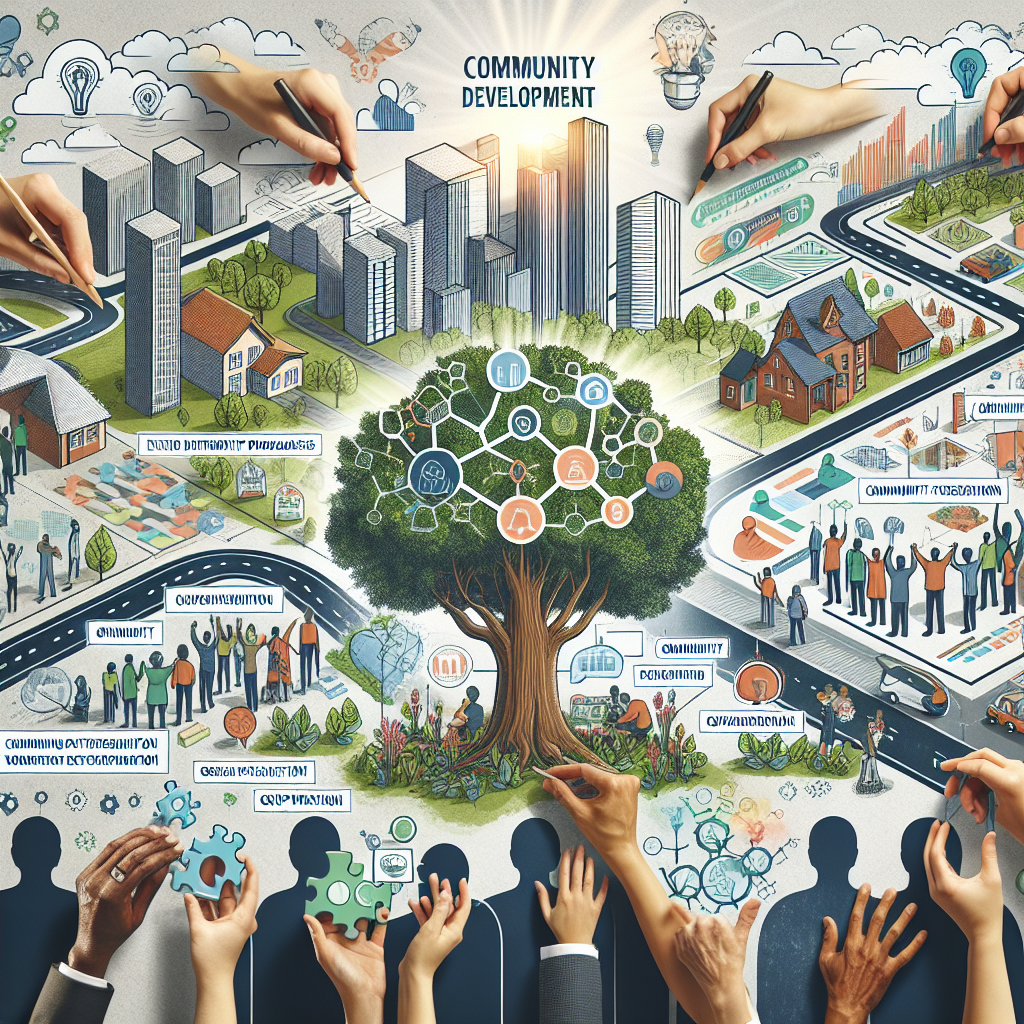
Community development is a multifaceted concept that brings individuals together to work towards common goals like better housing, stronger social networks, and improved local economies. Whether it’s through building new infrastructure, creating job opportunities, or fostering a sense of belonging, community development addresses a realm of societal aspects that individual actions alone cannot solve. Economic empowerment stands as a key element in community development, as it helps uplift individuals and entire communities economically, providing them with the necessary tools to improve their quality of life.
A well-developed community enjoys the advantages of increased resources, better job opportunities, and enhanced accessibility to essential services. Moreover, it plays a significant role in shaping the social fabric of society by promoting inclusivity, equity, and human dignity. These elements create the groundwork upon which sustainable development can thrive. In essence, community development and economic empowerment are inseparable elements that strengthen the foundation of any society.
This article delves into the various facets of community development and economic empowerment. We will explore what community development entails, how economic empowerment is propagated, and the interconnection between the two. By examining successful case studies and understanding the policies and strategies in place, we can create a blueprint for future projects that aim to uplift communities and empower them economically.
Social Infrastructure: The Backbone of Community Development
One of the primary drivers of community development is the establishment of a robust social infrastructure. Social infrastructure includes amenities and services that provide the necessary foundation for a community’s wellbeing and prosperity. This encompasses educational institutions, healthcare facilities, public transit systems, parks, and recreational centers, among other essential services.
Educational institutions play a crucial role in community development by equipping individuals with the knowledge and skills required to participate productively in society. Quality education enhances employability, fosters innovation, and prepares citizens to tackle the challenges of tomorrow. Healthcare facilities ensure that residents have access to medical services that can address both immediate health concerns and long-term wellness goals.
Furthermore, an efficient public transit system can significantly impact community development by improving accessibility and mobility for all citizens, especially those who cannot afford private transportation. Parks and recreational centers foster community bonding, offering spaces where residents can engage in physical activities, socialize, and build lasting relationships. These interactions elevate the quality of life and create a sense of belonging, essential for cohesive community development.
When communities invest in robust social infrastructure, they lay the groundwork for long-term growth and social cohesion. Such investments help in breaking cycles of poverty, mitigating social exclusion, and creating environments where individuals can thrive.
Economic Policies and Programs for Empowerment
Effective economic policies and programs are vital in translating community development goals into tangible outcomes. One effective approach is fostering local entrepreneurship. Small businesses create jobs, stimulate local economies, and often reinvest their profits back into the community. Encouraging entrepreneurship can be achieved through various initiatives like providing micro-loans, grants, and mentorship programs specifically targeted to marginalized groups.
Additionally, community development corporations (CDCs) play a pivotal role in driving economic empowerment. CDCs are nonprofit organizations focused on improving neighborhoods, creating affordable housing, and fostering economic opportunities. They often work in partnership with local governments, businesses, and residents to implement development projects tailored to community needs.
Workforce development programs also serve as vital tools for economic empowerment. By providing education and training programs aligned with market demands, these initiatives help residents gain necessary skills and certifications, making them more competitive in the job market. Job placement services, apprenticeships, and career counseling further support individuals in securing employment that offers fair wages and career growth opportunities.
Moreover, equitable economic policies at the municipal, state, and federal levels can significantly bolster community development efforts. These policies can include tax incentives for businesses that invest in underserved areas, subsidies for affordable housing projects, and funding grants for community-based initiatives. Such policies create an enabling environment where communities can thrive economically and socially.
Case Studies of Successful Community Development Projects
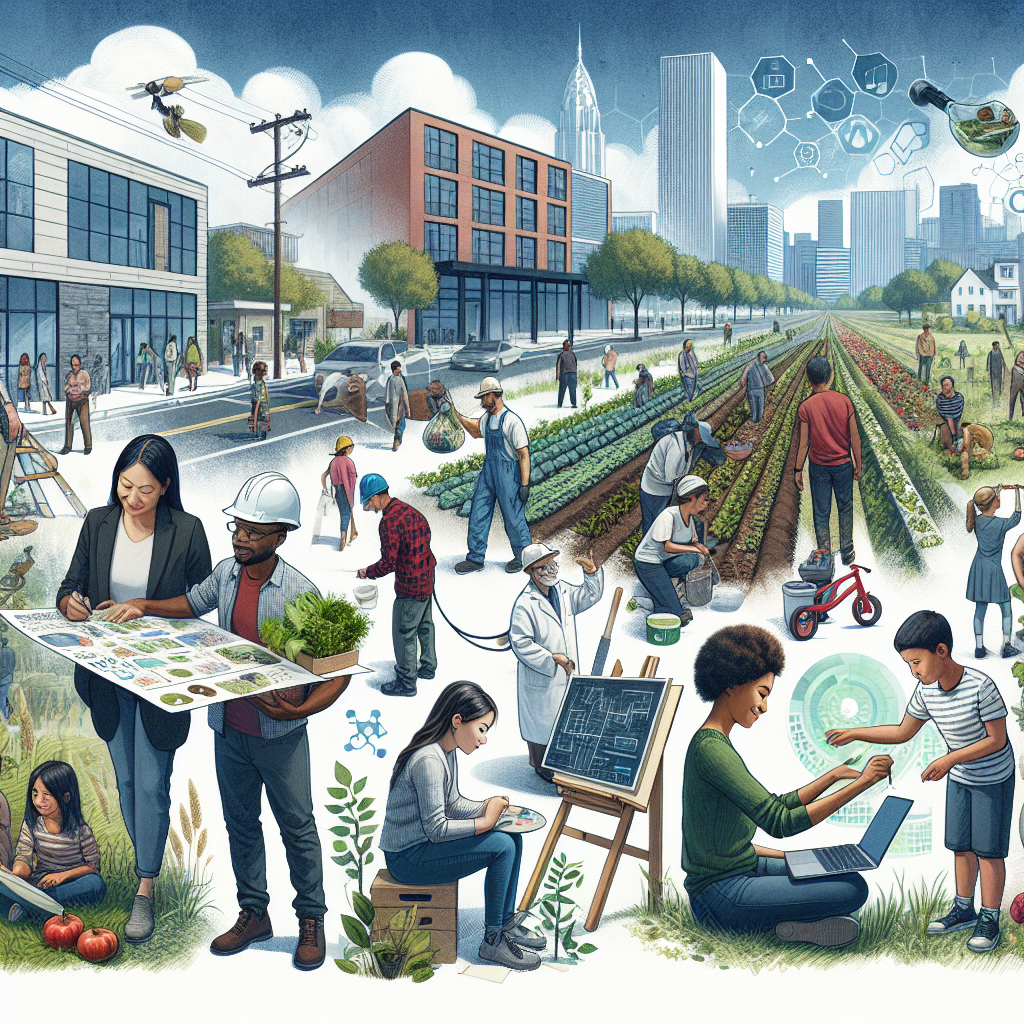
Examining successful case studies provides valuable insights into effective community development strategies. One notable example is the Dudley Street Neighborhood Initiative (DSNI) in Boston, Massachusetts. Founded in 1984, DSNI transformed a neglected area into a vibrant community through comprehensive planning and resident participation. Key accomplishments include establishing community land trusts, revitalizing public spaces, and fostering local businesses, which collectively uplifted the neighborhood’s economic standing and social cohesion.
Another example is the Harlem Children’s Zone (HCZ) in New York City. HCZ employs a holistic approach to community development by providing an array of services including education, health care, and social support from early childhood through college. The initiative has significantly improved academic outcomes, reduced poverty, and enhanced overall community well-being.
In the international context, the Medellín Urban Development program in Colombia stands out. This initiative transformed what was once one of the world’s most dangerous cities into a model of urban innovation. By investing in infrastructure, public transportation, education, and social programs, the project significantly reduced violence and improved the quality of life for its residents.
These case studies highlight the importance of a holistic, participatory approach to community development. Successful initiatives require collaboration among local stakeholders, comprehensive planning, and a focus on both social and economic facets. By learning from these examples, we can apply similar principles to develop strong, resilient communities.
The Role of Technology and Innovation
In the 21st century, technology and innovation play a crucial role in community development and economic empowerment. Smart cities, characterized by their use of digital technology to enhance urban living, are a prime example of how technology can facilitate community development. By integrating IoT devices, data analytics, and smart infrastructure, cities can optimize resource management, reduce waste, and improve public services.
Access to high-speed internet and digital literacy programs can also significantly impact economic empowerment. In the modern economy, digital skills are essential for securing employment, accessing information, and participating in e-commerce. Bridging the digital divide ensures that all community members can benefit from technological advancements.
Furthermore, emerging technologies like blockchain and decentralized finance (DeFi) offer innovative solutions for economic empowerment. Blockchain can provide transparent and secure ways to manage community resources, while DeFi platforms can offer financial services to underserved populations, including micro-loans and savings accounts without the need for traditional banking infrastructure.
Innovative solutions like these enable communities to leverage technology for economic empowerment and improved quality of life. By embracing technological advancements and ensuring equitable access, communities can foster inclusive growth and development.
Challenges and Barriers to Community Development
While the benefits of community development and economic empowerment are clear, there are several challenges and barriers that need to be addressed. One of the most significant challenges is funding. Community development projects require substantial financial resources, and securing consistent funding can be difficult. Public-private partnerships, grants, and philanthropic contributions are often necessary to support these initiatives.
Another challenge is ensuring equitable development. There is a risk that community development projects may disproportionately benefit certain groups, leading to gentrification and displacement of long-term residents. It is essential to have inclusive planning processes that involve community members and address their needs and concerns.
Moreover, political and bureaucratic hurdles can impede community development efforts. Navigating through regulations, obtaining permits, and ensuring compliance with various standards can be time-consuming and complex. Effective collaboration with local authorities and streamlining administrative processes are crucial to overcoming these barriers.
Finally, social resistance to change can pose challenges. Community development projects often require changes in habits, routines, and sometimes even cultural norms. Engaging residents early in the process, providing education about the benefits, and fostering a sense of ownership can help mitigate resistance and garner support for development initiatives.
Conclusion
Community development and economic empowerment are essential components for building strong, resilient, and thriving communities. By investing in social infrastructure, implementing effective economic policies and programs, leveraging technology, and learning from successful case studies, we can create blueprints for sustainable development that uplift and empower communities.
Challenges and barriers exist, but they are not insurmountable. Through collective effort, inclusive planning, and innovative solutions, we can address these challenges and work towards creating equitable and prosperous communities. The power of community development lies in its ability to bring people together to achieve common goals that benefit everyone.
As we look to the future, it is vital to continue exploring new strategies, fostering collaborations, and encouraging active participation from all community members. Only by working together can we achieve lasting and meaningful community development and economic empowerment that creates a better future for all.
Frequently Asked Questions
1. What is community development, and why is it important?
Community development is a multifaceted approach that involves the cooperation of individuals, groups, and organizations to achieve shared objectives such as improving local housing, strengthening social networks, and enhancing the local economy. It’s more than just isolated actions; it’s a strategic process to build and reinforce the fabric of a community. When communities come together, they have the collective power to tackle issues such as poor infrastructure, unemployment, and social disconnection that are difficult, if not impossible, for individuals to manage on their own.
One of the vital aspects of community development is its holistic nature. It doesn’t just focus on a single issue but considers the interplay between different societal components, ensuring that development is sustainable and equitable for all members. By addressing a broad range of issues from economic disparity to social dynamics, community development plays a crucial role in crafting vibrant, resilient, and connected communities.
2. How does economic empowerment fit into community development?
Economic empowerment is a cornerstone of effective community development. It enables individuals to gain the skills, resources, and opportunities necessary to improve their economic status and, by extension, contribute positively to their communities. Empowering people economically means providing access to education, vocational training, micro-financing resources, and employment opportunities. It’s about creating an environment where individuals can realize their full economic potential.
When individuals are economically empowered, the entire community benefits. They are likely to participate more fully in community activities, demand better services, and contribute to local economies through business creation and employment. This collective upliftment leads to a cycle of continued development and prosperity, benefiting everyone involved and contributing to a more robust community framework.
3. What are some examples of community development projects?
Community development projects can take many diverse forms, all aimed at nurturing a more cohesive and prosperous community environment. For example, building new public infrastructure such as parks, community centers, and affordable housing projects are fundamental community development actions. These projects not only provide immediate benefits, like improved living conditions but also contribute to the long-term social and economic health of the community.
Other projects might focus on educational initiatives, like setting up after-school programs or community workshops that provide skill-building opportunities. Economic-focused projects might include creating local business incubators, offering micro-loans to local entrepreneurs, or organizing community markets that both stimulate the local economy and foster community ties.
4. How can individuals contribute to community development and economic empowerment in their area?
Individuals can play an influential role in community development and economic empowerment through various methods. At the most basic level, getting involved in local events and community meetings helps residents stay informed and engaged. Being active in these discussions is crucial as it allows individuals to have a say in the direction of their community’s development.
Volunteering for local organizations or initiatives aimed at addressing communal challenges is another excellent way to contribute. This could involve anything from participating in clean-up drives, mentoring youth, lending expertise to local non-profits, or even starting your initiative or business to create jobs and services. Each action, no matter how small, is a building block in the larger picture of community development.
5. What challenges do communities face in achieving economic empowerment and development?
Communities face several challenges when it comes to achieving economic empowerment and development. A major hurdle includes financial constraints such as limited access to credit, insufficient funding for public projects, or the economic downturns that can stall progress. Furthermore, there can often be a lack of cohesion or conflicts of interest within the community that impede collective action.
Policy barriers can also act as significant obstacles. Inadequate or unfavorable government policies can limit opportunities for business development, restrict access to necessary resources, or otherwise impede community-driven initiatives. In some areas, systemic issues like racial or gender discrimination pose an additional layer of difficulty, requiring specific and concerted efforts to address issues of equity within community development endeavors.