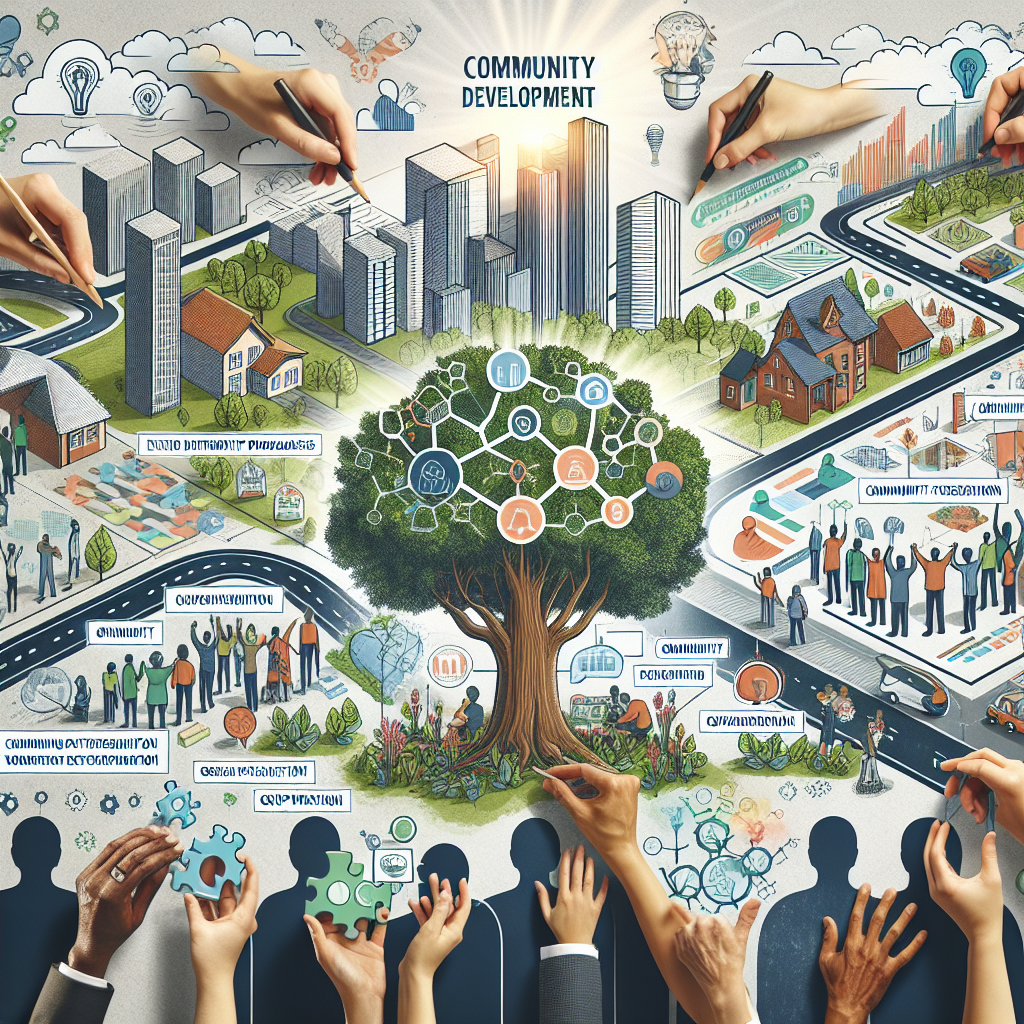
When we think about local development, it’s crucial to acknowledge the significant role that community centers play within our neighborhoods. These public spaces are far more than just buildings; they embody the heart and soul of community life. Offering a safe and welcoming environment for people of all ages, community centers are the glue that holds neighborhoods together. They provide a place for social interaction, recreation, educational opportunities, and a variety of support services. By serving as resource centers, they contribute greatly to the welfare and development of local communities.
Community centers help bridge the gap between diverse groups, fostering a sense of unity and mutual respect. They become a vital part of the social fabric where everyone—regardless of age, ethnicity, or socio-economic status—can come together. With programs tailored to meet the specific needs of the community, these centers can address issues like unemployment, mental health, and social isolation, helping to improve the quality of life for everyone involved.
Local governments and urban planners increasingly recognize the indispensable role of community centers in promoting local development. Investments in these centers yield multifaceted benefits that extend far beyond immediate returns. When well-resourced and strategically located, they significantly enhance local social capital, improve public health outcomes, and even boost economic development by encouraging local enterprise and reducing crime rates.
But how exactly do community centers contribute to local development? Let’s explore the various facets of their impact.
Social Interaction and Community Building
One of the most impactful aspects of community centers lies in their ability to facilitate social interaction. In today’s digital age, face-to-face interactions are becoming increasingly rare, yet these personal connections are vital for nurturing social cohesion. Community centers offer a venue where individuals can engage with one another in meaningful ways. Whether through group activities such as dance classes, sports leagues, or community theater, these centers create opportunities for people to form lasting relationships.
Moreover, community centers act as a hub for diverse groups, promoting cultural exchange and understanding. In multicultural societies, these interactions help break down prejudices and foster a more inclusive community. The activities hosted by these centers are often low-cost or free, ensuring that even economically disadvantaged individuals can participate.
In addition, community centers often host events that celebrate local traditions and heritage, further instilling a sense of pride and belonging among residents. From holiday parties to local fairs, these events are wonderful opportunities for people to come together, share experiences, and build a stronger community.
By fostering social interaction and enabling community building, these centers help reduce social isolation and loneliness, which are especially critical issues for seniors and other vulnerable groups.
Educational Opportunities and Lifelong Learning
Another significant contribution community centers make to local development is through educational opportunities. These centers often offer classes and workshops that cater to various age groups and interest levels, emphasizing the importance of lifelong learning. Whether it’s adult literacy programs, after-school tutoring for children, or vocational training for unemployed adults, community centers serve as accessible educational hubs.
These educational initiatives are particularly valuable in underserved communities where resources may be limited. By providing a venue for learning and personal growth, community centers empower individuals to better their lives and set the stage for community-wide economic improvement. Educational programs offered at community centers can also include essential life skills training, such as financial literacy, health and wellness, and even parenting courses.
Furthermore, many community centers collaborate with local schools, colleges, and nonprofit organizations to broaden their educational offerings. These partnerships can facilitate access to specialized knowledge and resources, enhancing the overall impact of community-based education. This collaborative approach not only maximizes resource utilization but also fosters a sense of community ownership and mutual support.
By investing in education, community centers play a fundamental role in local development, equipping residents with the skills and knowledge they need to thrive.
Health and Wellness Programs
Community centers also significantly contribute to the health and wellness of local residents. These centers often include facilities such as gyms, swimming pools, and sports fields, which promote physical activity and overall well-being. Regular physical activity is essential for maintaining good health, and community centers provide a convenient and affordable way for people to stay active.
Beyond physical activity, community centers also offer a variety of health-related programs and services. These may include mental health counseling, substance abuse support groups, nutrition workshops, and more. By providing these services in a community setting, centers make it easier for individuals to access the help they need without the stigma often associated with seeking medical or psychological support.
Health and wellness programs at community centers can be particularly beneficial for low-income individuals who may not have access to private healthcare services. By offering free or low-cost health services, community centers help bridge the gap in healthcare disparity, ensuring that everyone has the opportunity to lead a healthier life.
In addition, community centers often host health fairs and clinics, providing residents with screenings, vaccinations, and other essential health services. These events not only promote preventive health care but also raise awareness about important health issues, potentially saving lives through early detection and intervention.
Ultimately, by supporting the physical and mental well-being of local residents, community centers play a crucial role in fostering a healthier, more resilient community.
Economic Benefits and Job Creation
Community centers also have a positive economic impact on local development. They can stimulate local economies by creating jobs, both directly and indirectly. The operations of a community center require staff, including administrative personnel, program coordinators, and maintenance workers, which generates employment opportunities within the community. Additionally, many community centers partner with local businesses for goods and services, further contributing to the local economy.
Moreover, community centers often serve as incubators for small businesses and entrepreneurs. Through workshops on business development, networking events, and mentorship programs, they provide aspiring entrepreneurs with the resources and support they need to start and grow their businesses. By fostering entrepreneurship, community centers can help drive economic growth and innovation within the neighborhood.
Local businesses also benefit from the increased foot traffic generated by community centers. When people visit a community center for a class or event, they are more likely to frequent nearby shops and restaurants, boosting local commerce.
Furthermore, community centers can play a role in workforce development by offering job training programs and career counseling services. These initiatives help residents acquire the skills needed to secure employment, contributing to a more skilled and employable workforce. In turn, this can attract new businesses to the area, further enhancing economic development.
By providing employment opportunities, supporting local businesses, and fostering entrepreneurship, community centers serve as vital engines of economic growth and development in their communities.
Crime Reduction and Safety Enhancement
Community centers play a vital role in reducing crime and enhancing safety within neighborhoods. By providing a safe and positive environment for people to gather, particularly for youth, these centers help keep individuals away from negative influences and criminal activities. After-school programs, recreational activities, and mentorship opportunities offered by community centers can significantly deter at-risk youth from engaging in delinquent behavior.
Moreover, community centers often collaborate with local law enforcement and public safety organizations to promote crime prevention and awareness. Workshops on topics such as self-defense, neighborhood watch programs, and substance abuse prevention empower residents to take an active role in maintaining their own safety and the safety of their community.
Community centers also provide a space for conflict resolution and mediation, helping to address disputes before they escalate into more serious conflicts. By fostering open communication and understanding among residents, these centers contribute to a more harmonious and secure community.
Furthermore, the presence of a well-resourced community center can enhance the overall perception of safety in a neighborhood. When residents feel safer, they are more likely to engage in community activities, support local businesses, and invest in their homes. This positive cycle can lead to increased property values and a higher quality of life for everyone in the area.
By contributing to crime reduction and enhancing safety, community centers play a crucial role in creating a secure and thriving environment for local residents.
Strengthening Civic Engagement and Community Leadership
Community centers provide a vital platform for fostering civic engagement and developing community leadership. These centers serve as venues for town hall meetings, public forums, and other events where residents can engage with local government officials and participate in decision-making processes. By providing a space for dialogue and collaboration, community centers empower residents to take an active role in shaping the future of their neighborhood.
Furthermore, community centers often offer leadership development programs that equip individuals with the skills and knowledge needed to become effective community leaders. These programs may include training in public speaking, conflict resolution, project management, and more. By nurturing local leaders, community centers help ensure that the community has a strong base of capable and committed individuals who can advocate for its needs and drive positive change.
Community centers also play a role in promoting volunteerism and community service. By offering a variety of volunteer opportunities, these centers encourage residents to give back to their community and support local initiatives. This spirit of volunteerism not only strengthens the community but also fosters a sense of pride and ownership among residents.
In addition, community centers can serve as incubators for grassroots organizations and community groups. By providing meeting spaces, resources, and support, these centers help local organizations grow and thrive, further amplifying their impact on the community.
Ultimately, by fostering civic engagement and developing community leadership, community centers play a pivotal role in empowering residents and building a more resilient and dynamic community.
Conclusion: The Indispensable Role of Community Centers
Community centers are indispensable to the development and well-being of local communities. By providing a space for social interaction, education, health and wellness, economic growth, crime reduction, and civic engagement, these centers address a wide range of needs and contribute to the overall quality of life for residents.
Investing in community centers is an investment in the future of our neighborhoods. Local governments, urban planners, and community organizations must continue to support and enhance these vital institutions to ensure that they can effectively serve their communities. As we move forward, it is essential to recognize and celebrate the multifaceted contributions of community centers to local development.
By fostering connections, supporting personal growth, promoting health and safety, and empowering residents, community centers play a central role in creating vibrant, inclusive, and thriving communities. As we look to the future, let us continue to prioritize and invest in these invaluable resources, ensuring that they remain at the heart of our neighborhoods for generations to come.
Frequently Asked Questions
1. What is the primary role of community centers in local development?
Community centers are pivotal to fostering local development as they serve as hubs of social interaction, cultural exchange, and communal support. These facilities provide a range of services and activities that can uplift a neighborhood by addressing the needs and interests of its residents. By offering spaces for educational programs, recreational activities, and social services, community centers promote inclusivity and cohesion, encouraging individuals to engage with each other and with their local surroundings. This enhances community well-being and helps to identify and resolve local challenges, paving the way for sustainable development and growth.
2. How do community centers contribute to social cohesion?
Social cohesion is critical for any community, and community centers play a significant role in nurturing it. By offering a wide array of activities and programs that cater to different age groups, interests, and cultural backgrounds, these centers create opportunities for people to gather, interact, and forge meaningful relationships. Through workshops, group classes, cultural events, and volunteer opportunities, community centers promote understanding, respect, and collaboration among diverse members of the community. This unity, in turn, strengthens the social fabric of the neighborhood, making it more resilient and vibrant.
3. In what ways do community centers support educational growth in the community?
Community centers are instrumental in enhancing educational opportunities within a neighborhood. They often host classes, workshops, and seminars on a wide range of topics, such as language learning, arts and crafts, personal finance, health awareness, and more. These programs are often designed to be accessible and affordable, ensuring that everyone, regardless of their socio-economic background, has the chance to learn and grow. Additionally, many centers provide tutoring services, computer labs, and resource libraries, which are essential for students and adults looking to improve their skills or pursue lifelong learning. By investing in education, community centers lay the groundwork for personal and collective advancement.
4. What role do community centers play in promoting health and wellness?
Health and wellness are vital components of community development, and community centers strive to promote these through various initiatives. Fitness classes, sports leagues, wellness workshops, and health screenings are just a few of the activities that centers offer to encourage physical health and mental well-being. Community centers often partner with health professionals and organizations to deliver informative sessions on topics such as nutrition, disease prevention, and stress management. By providing spaces and resources for residents to maintain a healthy lifestyle, community centers help to create a healthier population, which in turn, fosters a more dynamic and capable community.
5. How can community centers enhance economic development in a neighborhood?
Community centers are key players in driving economic development at the local level. They support economies by hosting job fairs, resume writing workshops, and offering skills training sessions that prepare residents for the workforce. By promoting entrepreneurship through networking events and business development programs, community centers can also assist individuals in starting their own ventures. Moreover, by attracting visitors through their events and activities, community centers can boost local businesses, as these visitors often spend money in the surrounding areas. Consequently, enhanced economic activity leads to job creation, investment opportunities, and an improved standard of living for community members. In this way, community centers serve as catalysts for economic growth and prosperity within neighborhoods.