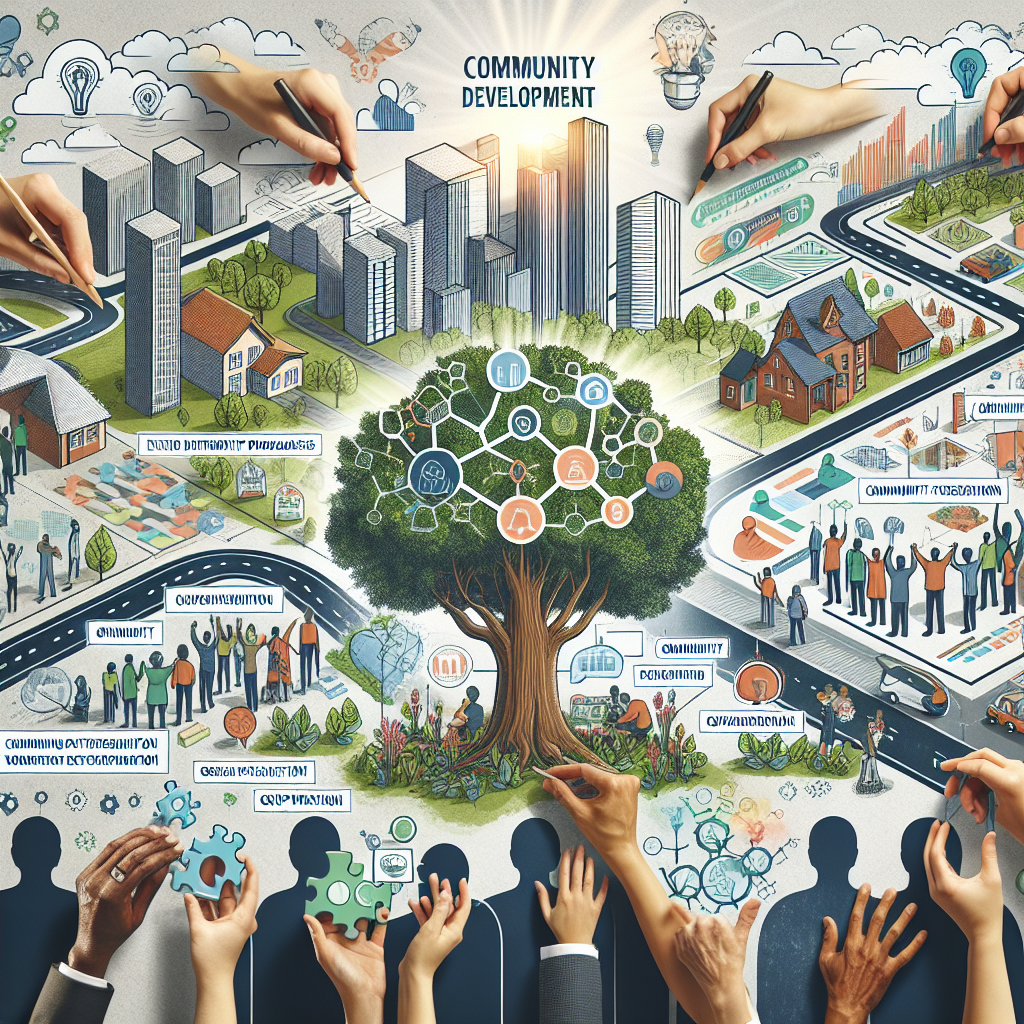
The concepts of community development and economic diversification play pivotal roles in creating sustainable, resilient, and thriving societies. Community development refers to the process of enhancing the living conditions of a neighborhood or a region through collaborative, grassroots efforts. It involves engaging local populations to improve various social, economic, and environmental aspects of their communities. Economic diversification, on the other hand, focuses on broadening the economic activities of a region or country to reduce dependency on a single sector and increase overall economic resilience.
Both community development and economic diversification are crucial because they complement each other in achieving long-term prosperity. While community development emphasizes local involvement to foster growth, economic diversification ensures that this growth is stable and sustainable over time. By balancing these elements, regions can withstand economic shocks, provide better livelihood opportunities to their residents, and enhance their quality of life.
The Importance of Community Development
Community development is vital for creating cohesive and vibrant neighborhoods. It centers around empowering residents to take collective action aimed at solving local problems and achieving shared goals. This can involve anything from setting up community centers and parks to initiating educational programs or environmental projects. A notable example of successful community development is the Dudley Street Neighborhood Initiative (DSNI) in Boston, Massachusetts. This grassroots community organization transformed a once-declining area into a thriving neighborhood through resident-driven planning and development.
Communities benefit immensely when residents are directly involved in development processes. By harnessing local knowledge and resources, there is a greater chance of creating solutions that are relevant and effective. Moreover, community development fosters a sense of belonging and ownership, which is essential for maintaining long-term improvements. As residents see tangible progress in their quality of life, they’re more likely to sustain these efforts, creating a positive cycle of growth and revitalization.
Economic Diversification: A Pillar for Resilience
Economic diversification is the strategic expansion of an economy’s range of activities across various sectors. This approach reduces reliance on a single industry, which can be beneficial in preventing economic crises. For instance, many oil-dependent regions have learned the hard way that a collapse in global oil prices can lead to economic turmoil. Countries like the United Arab Emirates have made concerted efforts to diversify their economies beyond oil by investing in tourism, finance, and technology, thereby building resilience against such external shocks.
An economy that taps into multiple sectors can weather downturns in individual industries better, ensuring stable employment and revenue streams. Diversification also encourages innovation, as different sectors can cross-pollinate ideas and technologies. It increases a region’s competitiveness, attracting investments and allowing it to adapt to changing global trends. By broadening the economic base, societies can offer more job opportunities, improve infrastructure, and ultimately, enhance the quality of life for their citizens.
Interplay Between Community Development and Economic Diversification
The relationship between community development and economic diversification is symbiotic. As communities grow and develop through grassroots efforts, new economic opportunities often arise. Conversely, a diversified economy can provide the financial resources and stability needed for effective community development. A real-world example of this interplay can be seen in Portland, Oregon. Portland has long emphasized community-driven initiatives while also fostering a diverse economy characterized by technology, manufacturing, and sustainable industries.
In cities that embrace both community development and economic diversification, there is a noticeable synergy. Residents feel empowered to contribute to the growth process, while a broad economic base provides the necessary infrastructure and opportunities for personal and community advancement. This environment not only attracts new residents and businesses but also retains existing ones, thereby reinforcing a cycle of prosperity and inclusiveness. To visualize this interaction, consider the following example that breaks down potential initiatives:
- Community Initiatives: Set up community-based educational programs, establish local green markets, develop affordable housing projects.
- Economic Diversification Initiatives: Foster tech startups, invest in renewable energy, support creative industries like art and craft.
- Synergistic Outcomes: Improved local economies, increased job satisfaction, reduced socio-economic disparities.
Challenges in Achieving Economic Diversification
Despite its numerous benefits, economic diversification is not without challenges. It requires significant planning, investment, and sometimes, a complete shift in cultural and governmental priorities. A region that has long relied on a single industry may face resistance and require incentives or policy changes to encourage diversification. Such was the case with Pittsburgh, Pennsylvania, which once depended heavily on steel production. The city had to reinvent itself by investing in education and healthcare sectors, which proved successful but needed strategic planning and robust leadership.
One common challenge is the potential for short-term economic disturbances. Shifting resources to new sectors can lead to temporary unemployment or require workforce retraining. However, with comprehensive planning, these obstacles can be mitigated. Policymakers need to ensure supportive measures such as education programs and financial incentives are in place to smooth the transition. These efforts must be a part of an inclusive approach that considers the socio-economic implications on local communities.
Future Outlook: Community Development and Economic Diversification
Looking ahead, the future of community development and economic diversification appears promising but requires a forward-thinking approach. Technological advancements, shifting demographics, and environmental concerns are reshaping how societies function. Embracing these changes through community-driven models and diversified economies will be crucial for success. Cities that prepare for digital transformation, sustainable development, and inclusive growth will likely lead the way in terms of innovation and prosperity.
A proactive stance on integrating technology into community development efforts can bridge the gap between economic diversification and local development. Smart city initiatives, such as those seen in Amsterdam, employ digital solutions to improve urban life, enhance public services, and engage communities. By combining technology with a diversified economic strategy, cities can create a future-ready society that is both resilient and sustainable.
Conclusion: The Path Forward
In conclusion, community development and economic diversification are cornerstones for building sustainable and adaptable societies. Effective community development leads to improved living conditions and fosters a sense of unity and purpose among residents. Economic diversification, in turn, ensures stability, growth, and resiliency in the face of global challenges. The integration of these strategies allows regions to achieve comprehensive growth that benefits all stakeholders.
As we move forward, it is vital for policymakers, community leaders, and citizens to actively engage in initiatives that promote both community development and economic diversification. By doing so, they will not only enhance individual quality of life but also contribute to creating robust communities that can weather any economic storm. The call-to-action is clear: invest in local efforts, encourage innovation, and support diverse economic activities to build a brighter, more inclusive future for all.
Frequently Asked Questions
1. What is community development and why is it important?
Community development is all about improving the quality of life in a neighborhood or region through grassroots efforts. It’s a process that involves local residents coming together to address social, economic, and environmental issues in their community. The success of community development depends heavily on participation from community members themselves because they understand the unique challenges and opportunities within their area better than anyone else. This initiative might include projects such as building new schools, improving public parks, or creating community centers that serve as hubs for social activities and resources.
The importance of community development lies in its capacity to empower individuals, foster a sense of belonging, and promote social cohesion. When residents feel involved and see concrete improvements around them, they tend to be more invested in the well-being of their community. This empowers people to take ownership of local issues and work collaboratively to find sustainable solutions. Moreover, community development can reduce poverty and inequality by providing access to education, healthcare, and economic opportunities that were previously non-existent.
2. What is economic diversification?
Economic diversification refers to the process of expanding the economic base of a region or country by introducing a variety of industries and sectors instead of relying heavily on a single source of revenue. Think of it as not putting all your eggs in one basket. This approach is often pursued to boost the resilience of an economy, particularly in areas that are heavily dependent on volatile industries like oil and gas, mining, or agriculture.
Economic diversification can involve encouraging the growth of new businesses, investing in technology and innovation, and developing sectors such as tourism, education, or renewable energy. By having a diverse economy, a community or nation can better withstand global economic fluctuations and reduce the risk associated with any single industry’s downturn. Furthermore, diversification leads to job creation, increases the region’s competitiveness, and often improves quality of life for its citizens.
3. How do community development and economic diversification work together?
Community development and economic diversification often go hand-in-hand, each reinforcing the other. As community development efforts focus on creating vibrant, engaged societies, they set the stage for economic growth by making regions more attractive to new businesses and investors. When communities are healthy, inclusive, and resilient, they offer a stable environment for industry and commerce to flourish.
Conversely, economic diversification contributes to community development by providing more job opportunities, boosting local economies, and attracting diverse industries that cater to different interests and skills of the local population. It can fund community projects and contribute to better infrastructure, healthcare, and education, improving the overall standard of living. By aligning their goals, community development and economic diversification can create a cycle of growth, resilience, and sustainability.
4. What are some examples of community development initiatives?
Community development initiatives can vary widely, but they share a common goal of improving residents’ quality of life through collaboration and community participation. Examples include:
– **Revitalizing urban neighborhoods:** This might involve renovating old buildings, improving sidewalks and public spaces, and supporting small businesses to create lively and attractive areas.
– **Education and workforce training programs:** Providing local populations with education and skill-building opportunities tailored to the needs of the market can enhance employment prospects and economic growth.
– **Health and wellness programs:** By improving access to healthcare services, promoting healthy lifestyles, and addressing specific health concerns, these initiatives can boost community well-being.
– **Environmental sustainability projects:** Initiatives like community gardens, recycling programs, and green infrastructure projects reduce the community’s ecological footprint and create more sustainable living spaces.
These initiatives thrive on local participation and engagement, ensuring they meet the true needs and desires of the people they serve.
5. How can a community begin the process of economic diversification?
Starting the process of economic diversification can seem daunting, but it often begins with comprehensive planning and community involvement. Here’s a step-by-step guide:
1. **Assess the current economic landscape:** Understand which industries dominate the local economy and identify the risks of dependency on any single sector.
2. **Identify potential growth sectors:** Consider industries that align with the community’s strengths, resources, and values. This might involve emerging sectors like technology or traditional industries with innovation potential.
3. **Engage stakeholders:** Collaborate with local businesses, government agencies, educational institutions, and residents to harness a variety of perspectives and expertise.
4. **Develop a strategic plan:** Create a roadmap that outlines specific steps to encourage the growth of selected industries. This plan might include incentives for new businesses, investment in infrastructure, and workforce training programs.
5. **Monitor and adapt:** Economic diversification is an ongoing process. Regularly review progress, adapt strategies, and address obstacles as they arise to ensure sustainable growth.
By taking an inclusive, strategic, and adaptive approach, communities can successfully broaden their economic base and enhance their long-term resilience and prosperity.