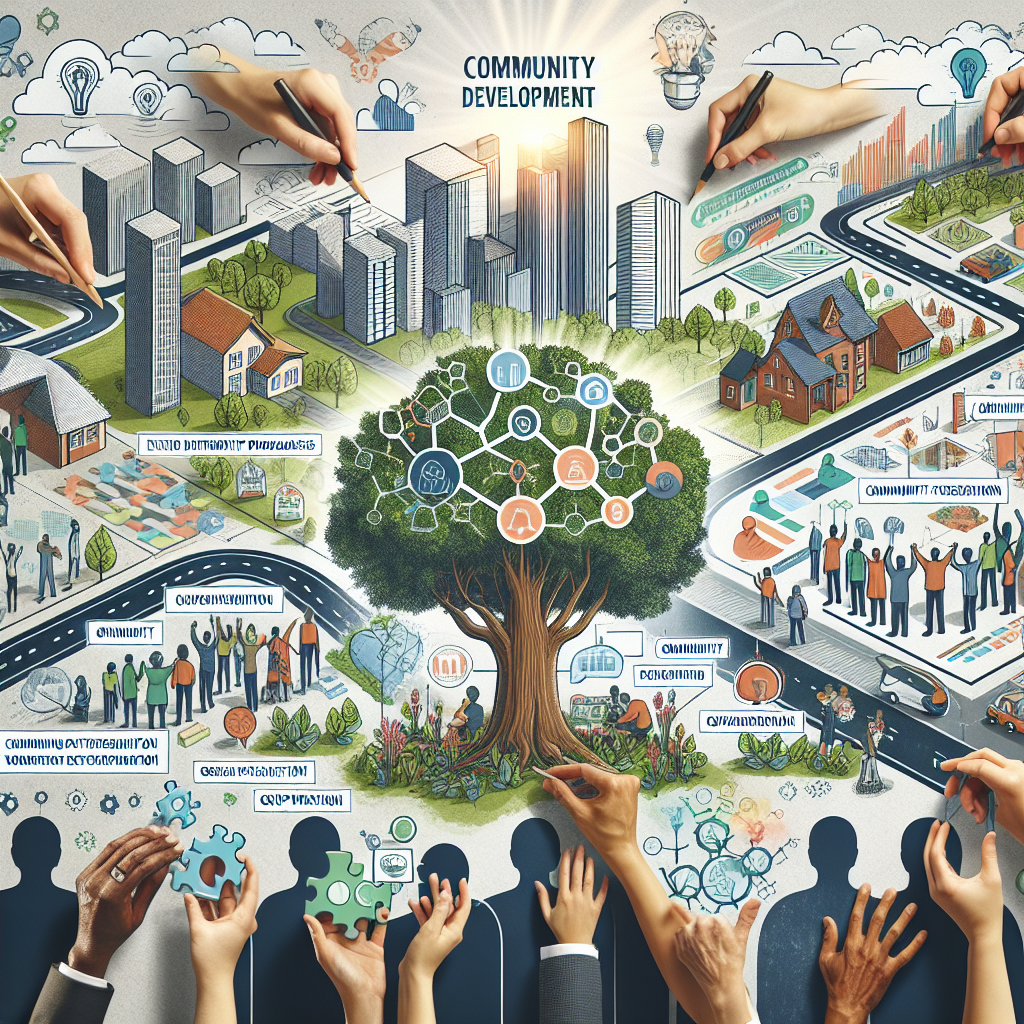
Ensuring that families have access to sufficient, safe, and nutritious food is a critical goal for community development projects across the globe. The connection between community development and food security is often tightly interwoven, with successful community development initiatives significantly impacting local food systems. This article delves into the intricate relationship between community development and food security and explores how various community development approaches can enhance food security.
Introduction
Community development is an interdisciplinary exercise designed to empower communities by improving their economic, social, and environmental conditions. As part of these efforts, food security has become an essential component of discussion and action. Food security, defined by the Food and Agriculture Organization (FAO), means that all people in a community have physical, social, and economic access to sufficient, safe, and nutritious food at all times.
In many parts of the world, especially in developing countries, food insecurity remains a pressing issue that significantly impacts community health, economic development, and social stability. To tackle this, integrating food security into community development plans has become increasingly important. This integration has propelled several initiatives to focus on enhancing local food systems through sustainable agricultural practices, community gardens, educational programs, and strengthening local food policy councils.
The combination of community development and food security not only aims at providing immediate relief but also ensures long-term resilience against food crises. This harmonious relationship underscores the need to address various social determinants, such as poverty, education, and health, which are all deeply connected to how communities access and consume food.
Sustainable Agriculture Practices
One of the primary ways community development projects can enhance food security is by promoting sustainable agricultural practices. These practices are designed to meet current food needs without compromising the ability of future generations to meet their own needs. Sustainable agriculture often includes methods like crop rotation, organic farming, and permaculture, all of which contribute to a healthier environment and more resilient food systems.
Community development organizations often provide training and resources to local farmers, helping them adopt these sustainable methods. For instance, initiatives may offer workshops on how to minimize the use of chemical pesticides and fertilizers, build soil health, conserve water, and diversify crops. These practices not only improve the yield and quality of food produced but also enhance the farmers’ livelihoods by opening up access to both local and global markets.
Additionally, sustainable agriculture can help mitigate the impacts of climate change, which is increasingly threatening food security worldwide. By promoting practices that reduce greenhouse gas emissions, conserve biodiversity, and enhance ecosystem resilience, community development projects can provide communities with the tools they need to adapt to changing environmental conditions.
Community Gardens and Urban Agriculture
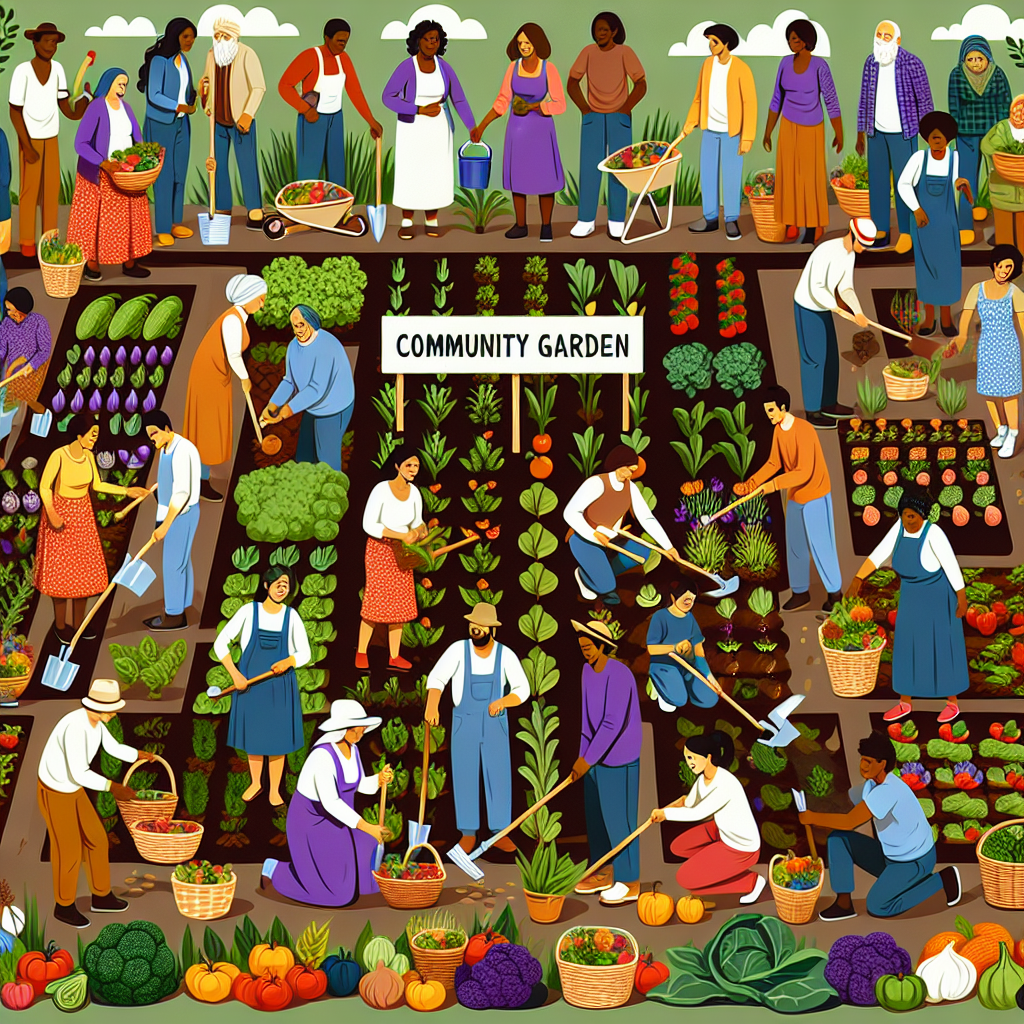
Community gardens and urban agriculture are effective community development strategies that enhance food security, especially in urban areas where access to fresh, nutritious food can be limited. These initiatives transform vacant lots, rooftops, and other underutilized spaces into productive gardens.
Community gardens offer several benefits: they provide a local, affordable source of fresh produce; create green spaces that improve urban environments; and foster social interactions among community members. These gardens often become centers for community engagement, where residents can learn about gardening, nutrition, and environmental stewardship.
Urban agriculture goes beyond community gardens, including rooftop gardens, indoor farming, and even small-scale livestock keeping. These practices can significantly reduce the distance food travels from farm to table, lowering carbon footprints and increasing food freshness. Furthermore, urban agriculture can create jobs and stimulate local economies by opening opportunities for urban farmers, food processors, and retailers.
Several cities across the globe have successfully implemented urban agriculture initiatives. Cities like Detroit, New York, and Havana have transformed vacant spaces into thriving urban farms, addressing food deserts and promoting food sovereignty. Local governments and non-profits often play crucial roles in these transformations by providing resources, training, and policy support to aspiring urban farmers.
Food Education Programs
Education is a key component of both community development and food security. By offering food education programs, communities can empower individuals with the knowledge and skills they need to make healthier food choices, grow their own food, and understand the broader food system.
Food education can take many forms, including cooking classes, nutrition workshops, and farm-to-school programs. These programs not only teach people how to prepare nutritious meals but also educate them about where their food comes from and the economic, environmental, and health impacts of their food choices.
A successful food education program can have widespread benefits for a community. It can improve public health by reducing rates of diet-related diseases like obesity and diabetes, it can boost local economies by fostering a demand for locally-grown produce, and it can strengthen community bonds by bringing people together around food.
For example, the farm-to-school movement has gained momentum in many parts of the world. These programs connect schools with local farms to provide fresh produce for school meals and offer students hands-on learning experiences related to agriculture, nutrition, and the environment. By engaging children in food education early on, these programs help build a foundation for lifelong healthy eating habits.
Local Food Policy Councils
Local food policy councils (FPCs) are another powerful tool for community development and food security. These councils typically consist of a broad spectrum of stakeholders, including farmers, food processors, retailers, health professionals, educators, and community members. Together, they work to shape local food policies and create a more equitable and sustainable food system.
FPCs can address various food system issues, such as improving access to fresh produce in underserved areas, supporting local farmers, reducing food waste, and promoting food literacy. By bringing together diverse voices, FPCs can develop comprehensive strategies that reflect the unique needs and priorities of their communities.
For instance, many FPCs advocate for and help implement policies that support urban agriculture, protect farmland from development, and create incentives for businesses to source locally. They can also work on initiatives to reduce food insecurity, such as establishing community food hubs that provide affordable fresh food options and support local producers.
Local governments often collaborate with FPCs to develop and implement food policies. This collaboration ensures that food-related policies are more grounded in the realities of the local food system and more likely to achieve meaningful, sustainable outcomes.
Collaboration and Community Empowerment
An essential element of successful community development and food security initiatives is collaboration and community empowerment. Projects that are designed and carried out with community involvement tend to be more effective and sustainable. Engaging community members in the decision-making process ensures that initiatives address the real needs and aspirations of the people they aim to serve.
Collaborative efforts can take many forms, including partnerships between local governments, non-profit organizations, community groups, and businesses. These partnerships can pool resources, share expertise, and amplify the impact of community development initiatives.
Community empowerment involves building the capacity of individuals and groups to take on leadership roles, influence policy, and drive local initiatives. This empowerment can be achieved through education and training programs, support for community-led projects, and creating platforms for community voices to be heard.
Successful examples of community empowerment include community-led food cooperatives, where members collectively own and operate a food business; participatory urban planning processes that involve residents in shaping their neighborhoods; and grassroots movements advocating for food justice and equity.
Conclusion
Community development and food security are deeply interconnected issues that require comprehensive, multi-faceted approaches. By promoting sustainable agriculture practices, supporting community gardens and urban agriculture, providing food education programs, establishing local food policy councils, and fostering collaboration and community empowerment, we can build stronger, more resilient local food systems.
These efforts not only address immediate food needs but also create long-term solutions that enhance the overall well-being of communities. By ensuring that everyone has access to sufficient, safe, and nutritious food, we can support healthier populations, strengthen local economies, and create more equitable and sustainable communities.
Moving forward, it is crucial to continue advocating for policies and practices that integrate food security into broader community development efforts. By working together, we can build a future where food security is a reality for all and where communities thrive together.
Frequently Asked Questions
1. What is the connection between community development and food security?
The relationship between community development and food security is tightly interwoven. Community development focuses on improving the wellbeing of individuals and communities, which inherently includes efforts to enhance food security. By working to create robust local food systems, community development initiatives can ensure that families have consistent access to sufficient, safe, and nutritious food. This can be achieved through various strategies like boosting local agriculture, enhancing food distribution networks, or implementing educational programs to improve nutrition knowledge and food-related practices. Community development initiatives often aim to empower communities to become more resilient and self-reliant, reducing their vulnerability to food shortages and nutrition deficits.
2. How do community development approaches enhance food security?
Community development approaches enhance food security by adopting a holistic perspective that addresses multiple aspects of the food system. Key strategies include supporting local agriculture through financial assistance, technical training for farmers, and introducing sustainable farming practices. Community gardens and local food hubs can be established to increase accessible food sources and foster community participation in food production. Development projects may also focus on improving infrastructure, such as building better roads and storage facilities, to streamline food distribution. Furthermore, educational programs that raise awareness about nutrition and food safety equip communities with the knowledge to make healthier food choices, further promoting food security at the local level.
3. How can community development projects address the issue of food deserts?
Community development projects can play a crucial role in addressing food deserts by implementing a combination of short-term and long-term solutions. Short-term actions can include establishing mobile markets which bring fresh produce to underserved areas, or incentivizing grocery stores to open in these communities through tax breaks or subsidies. Long-term strategies involve fostering community gardens and urban agriculture initiatives, which not only provide fresh produce but also promote social cohesion and education about food systems. Furthermore, organizing transportation services for residents to access food sources can be an effective interim step, while developing comprehensive urban planning policies to facilitate equitable access to nutritious food over the long run.
4. What role do local governments play in supporting community development and food security?
Local governments are pivotal in supporting community development and enhancing food security due to their ability to implement and enforce policies that affect the food system. They can facilitate land use planning to ensure that there is sufficient space for agricultural activities and urban gardens. Local governments can also introduce policies that support local businesses, such as farmers’ markets and agri-businesses, by providing grants or tax incentives. Moreover, they play a critical role in public health programming by promoting nutrition education and food assistance programs. In emergencies, local governments can activate food security plans that mobilize resources and coordinate with nonprofits and community groups to address immediate needs.
5. How do educational programs contribute to community development and food security?
Educational programs are a cornerstone in the effort to enhance both community development and food security. These programs can empower community members with the knowledge and skills needed to make informed food choices, practice sustainable farming, and understand nutrition. Initiatives such as cooking workshops, nutrition classes, and agricultural training sessions help increase food literacy and self-sufficiency. Such programs can also prompt behavioral changes that lead to improved health outcomes. Additionally, educational efforts often involve the younger population, planting the seeds for a new generation that is conscious of, and active in, local food systems and community wellbeing. By building local capacities, these programs help create a resilient foundation for ongoing community development.