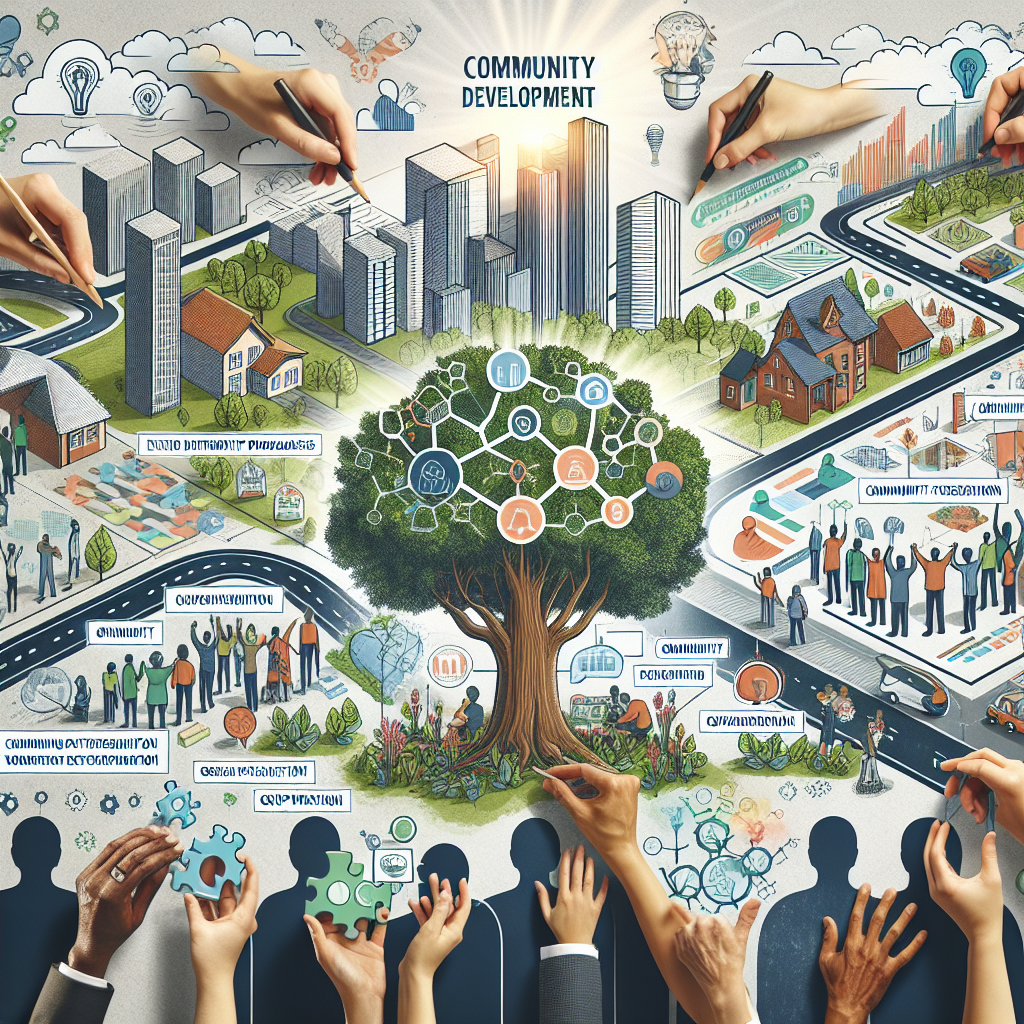
When it comes to the growth and success of urban and rural areas, community planning is an indispensable element. It embodies the collective effort of the community, urban planners, and local government entities to sculpt an environment that is sustainable, functional, and enjoyable for its residents. The importance of community planning in development cannot be overstated as it shapes the future of our living spaces, impacting everything from economic growth to environmental conservation and social harmony.
Without well-thought-out community planning, urban environments could become chaotic and inefficient, leading to issues such as traffic congestion, inadequate housing, and a lack of essential services and green spaces. On the other hand, a well-planned community fosters a sense of belonging and ensures that all members have access to amenities that enhance their quality of life.
Community planning addresses a broad spectrum of concerns ranging from housing, transportation, and economic development to public spaces, environmental sustainability, and social services. In essence, it is a holistic approach aimed at building communities that are not only functional but also vibrant and resilient.
In this article, we will delve into various aspects of community planning and their significance in the broader scope of urban development. By understanding the core principles and benefits of community planning, we can better appreciate its role in creating livable and thriving communities.
The Role of Urban Planners
Urban planners play a crucial role in community development. They are responsible for forecasting future needs and developing comprehensive plans to guide the growth and development of urban areas. Their work involves a mix of technical knowledge, creativity, and engagement with the public to ensure the plans are both practical and visionary.
Through data analysis and public consultation, urban planners identify the needs of the community and develop strategies to meet those needs. They consider current trends, potential challenges, and opportunities, crafting plans that balance the immediate demands with long-term sustainability. These plans may include zoning regulations, land use policies, and the design of public spaces.
Moreover, urban planners often mediate between various stakeholders, including government agencies, private developers, and community members. Their ability to negotiate and collaborate is fundamental in creating plans that are widely accepted and capable of being implemented effectively.
Their work is essential not only in the context of developing new areas but also in revitalizing existing neighborhoods. Through meticulous planning and innovative approaches, urban planners aim to create spaces that are inclusive, dynamic, and capable of adapting to the changing needs of the community.
Economic Impact of Community Planning
The economic implications of community planning are profound. Well-planned communities tend to attract businesses and investments, leading to job creation and economic growth. When a community is designed to support local businesses through strategic placement of commercial areas and provision of necessary infrastructure, it becomes a hub of economic activity.
Effective community planning also ensures the availability of affordable housing, which is pivotal for the workforce. By offering a variety of housing options, from single-family homes to multi-family units, planners can accommodate diverse income levels and prevent economic disparity. This inclusivity attracts a broad range of talents and skills, further boosting the local economy.
Moreover, community planning can help reduce costs for the local government and taxpayers. Efficient land use and smart infrastructure planning reduce the need for expensive retrofits and repairs. For instance, integrated transportation systems that promote public transit and reduce traffic congestion can lead to lower maintenance costs and improved public health.
Additionally, green spaces and recreational areas, thoughtfully integrated into community plans, increase property values and enhance the attractiveness of the area, drawing more residents and businesses. This cyclical pattern of investment and development fuels continuous economic progress and stability.

Social Dimensions of Community Planning
Beyond economic benefits, community planning significantly impacts the social fabric of a community. Thoughtfully designed spaces foster social interaction, inclusivity, and a sense of belonging among residents. Public spaces such as parks, community centers, and cultural venues are essential in bringing people together, promoting social cohesion and a strong community identity.
Inclusive planning that considers diverse population needs, from the elderly and people with disabilities to families with young children, ensures that everyone in the community can participate fully in social life. For instance, accessible public transportation, safe pedestrian pathways, and recreational areas for all ages and abilities are fundamental aspects of inclusive community design.
Educational facilities and healthcare services, strategically placed within communities, ensure that all residents have access to essential services. This not only improves the quality of life but also fosters equality and social justice by reducing disparities in access to resources and opportunities.
Furthermore, meaningful public engagement in the planning process empowers residents, creating a sense of ownership and accountability. When community members have a voice in shaping their environment, it leads to greater satisfaction, pride, and active participation in community affairs, further strengthening social bonds.
Environmental Considerations in Community Planning
Environmental sustainability is a cornerstone of modern community planning. With growing concerns about climate change and resource depletion, planners are increasingly adopting eco-friendly practices to minimize the ecological footprint of urban development. Sustainable community planning integrates green spaces, promotes efficient use of resources, and encourages environmentally friendly transportation options.
Green infrastructure, such as parks, green roofs, and community gardens, plays a vital role in mitigating the urban heat island effect, reducing stormwater runoff, and improving air quality. These spaces also provide habitats for urban wildlife, contributing to biodiversity.
Energy-efficient buildings and the use of renewable energy sources are essential aspects of sustainable planning. By incorporating solar panels, green building materials, and energy-efficient designs, planners can create communities that are less dependent on non-renewable resources and more resilient to environmental changes.
Moreover, promoting alternative modes of transportation such as biking, walking, and public transit reduces reliance on automobiles, leading to lower greenhouse gas emissions and cleaner air. Connectivity and accessibility are key considerations, ensuring that residents can easily access public transport and other amenities without needing to drive.
Community Participation in Planning
Successful community planning isn’t simply top-down; it requires active participation from community members. Engaging residents in the planning process ensures that the development reflects their needs, desires, and values. Effective public participation can take many forms, including town hall meetings, focus groups, surveys, and collaborative workshops.
Transparency is crucial in fostering trust and cooperation between planners and the community. Keeping residents informed about planning stages, available options, and potential impacts facilitates a more inclusive and democratic planning process. When people feel heard and involved, they are more likely to support and contribute to the development initiatives.
Importantly, planners must make concerted efforts to reach marginalized and underrepresented groups, ensuring that their voices are also considered. Diverse perspectives enrich the planning process, leading to more equitable and comprehensive outcomes that benefit the entire community.
Community-driven initiatives, such as neighborhood associations and local committees, can play a crucial role in sustaining engagement and collaboration beyond the initial planning stages. These groups can advocate for community needs, monitor the implementation of plans, and ensure ongoing responsiveness to emerging issues and opportunities.
Conclusion
The importance of community planning in development is multifaceted, encompassing economic, social, and environmental dimensions. It is a collaborative effort that involves urban planners, local governments, and the community working together to create spaces that are sustainable, vibrant, and inclusive. Effective community planning not only addresses current needs but also anticipates future challenges, crafting a vision for growth and development that benefits all residents.
By prioritizing thoughtful design, inclusivity, and sustainability, community planning can transform urban and rural areas into thriving hubs of innovation, social interaction, and economic activity. It ensures that growth is managed in a way that enhances the quality of life for all, fosters social cohesion, and protects the environment for future generations.
Ultimately, community planning is about more than just physical spaces; it’s about building resilient and connected communities where people can live, work, and play in harmony. As we navigate the complexities of urbanization and development, the principles of effective community planning will continue to guide us towards a collective vision of sustainable and inclusive growth.
Frequently Asked Questions
1. What is community planning, and why is it crucial for development?
Community planning is a collaborative process involving residents, urban planners, architects, and local government authorities, aimed at designing and organizing land use, public services, and infrastructure to best serve the community’s current and long-term needs. This process is crucial for development because it sets the framework for sustainable growth. By anticipating and addressing issues like population growth, housing, transportation, and environmental resources, community planning ensures that developments are not only viable but also enhance the quality of life for residents. Effective planning helps minimize adverse impacts on the environment and ensures that infrastructure can support the community’s needs. Without community planning, urban sprawl, inefficient use of space, and resource depletion could lead to unlivable conditions and stifled economic growth.
2. How does community planning influence economic growth in an area?
Community planning plays a pivotal role in stimulating and sustaining economic growth. By strategically designating areas for different types of businesses, residential zones, and mixed-use developments, community planning attracts investments and creates jobs. It ensures that economic activities are accessible and connected to essential infrastructure, such as transportation and utilities. Effective planning anticipates the commercial needs of the community, making provisions for the development of retail centers, office spaces, and industrial parks, which are crucial for economic vitality. Furthermore, community planning fosters a favorable living environment that attracts and retains talent, which is essential for a dynamic economy. In essence, it creates the conditions needed for businesses to thrive while ensuring that economic advancements enhance rather than undermine livability.
3. What role does community planning play in environmental conservation?
Community planning is integral to environmental conservation, as it guides the development process with sustainability in mind. It involves incorporating green spaces into urban designs, promoting resource-efficient building practices, and safeguarding natural habitats from destructive land use. Planners consider critical aspects like water management, energy efficiency, and minimizing carbon footprints to make developments environmentally sustainable. By ensuring that development is balanced with nature conservation, community planning protects ecosystems and biodiversity. For instance, community plans may include provisions for parks, nature reserves, green belts, and urban farming, which not only preserve natural areas but also encourage a connection between residents and their natural environment. When executed effectively, community planning helps mitigate climate change impacts and fosters resilience against environmental threats, ensuring that the area’s natural beauty and resources are preserved for future generations.
4. How does community planning address social and community needs?
Community planning takes a holistic approach to address the social and community needs of an area. It facilitates the creation of inclusive spaces that cater to diverse populations, ensuring access to affordable housing, healthcare, education, and recreational facilities. By involving community members in the planning process, it aligns developments with the specific needs and aspirations of residents, enhancing community cohesion and quality of life. Planners work to create environments that reduce social inequalities by improving public transportation, increasing connectivity, and ensuring that essential services are within reach of all community members. Public spaces, such as parks, meeting areas, and cultural venues, are incorporated into urban designs to foster community interaction and engagement, creating a strong sense of belonging and identity among residents. In tackling these issues, community planning plays an indispensable role in crafting neighborhoods that are not only livable but thriving and resilient.
5. What are the challenges faced in community planning, and how can they be overcome?
Community planning faces a range of challenges, including balancing competing interests, limited financial resources, and resistance to change from various stakeholders. Rapid population growth and varying needs of different demographic groups add to the complexity, requiring careful negotiation and prioritization. To overcome these obstacles, thorough engagement with community members is essential, allowing for a more transparent and inclusive planning process that builds consensus and garners support. Employing innovative solutions, such as leveraging technology for smart city initiatives and adopting flexible zoning regulations, can also address challenges by promoting adaptability and resilience. Collaboration among government bodies, private sector partners, and residents is key to pooling resources and expertise, ensuring that developments are financially feasible and aligned with community values. Additionally, fostering a culture of long-term thinking and sustainability in planning efforts can help address the issues that are often encountered in the development process, leading to more cohesive and well-functioning communities.