Introduction to Public Spaces and Local Identity
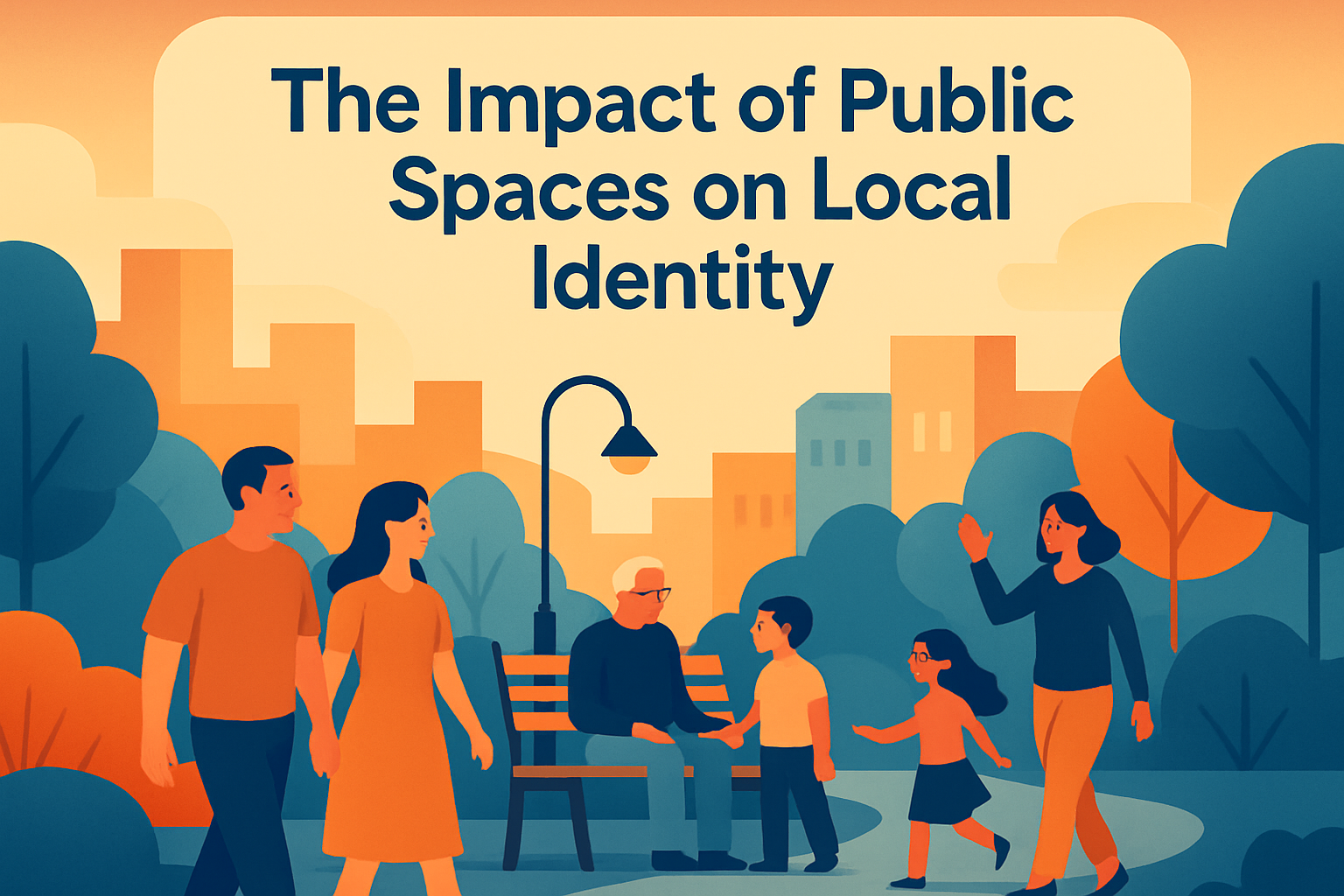
Public spaces, such as parks, squares, and community centers, serve as essential elements of urban and rural landscapes around the world. These areas are open to all and provide a place for individuals to come together, interact, and foster community ties. The concept of public spaces is integral to city planning and development, often reflecting the cultural, social, and political values of a community. Furthermore, public spaces contribute significantly to the formation and reinforcement of local identity. Local identity refers to the sense of belonging and collective identity that is fostered among residents of a specific area, characterized by shared customs, traditions, and experiences.
Understanding the impact of public spaces on local identity is crucial as it can influence community well-being, economic development, and civic engagement. Public spaces are more than just physical locations; they are the heart and soul of communities, encompassing memories, histories, and cultures. They form the stage on which local life unfolds, impacting how residents perceive their neighborhood, interact with one another, and engage in local activities.
Public Spaces as Catalysts for Social Interaction
One of the most significant roles of public spaces is to serve as catalysts for social interaction. By providing a physical location where individuals can gather, public spaces encourage people to meet, communicate, and build relationships. This not only enhances community bonds but also helps in the gradual development of a shared local identity. For instance, New York City’s Central Park is more than just a large green area amidst skyscrapers; it acts as a melting pot where cultural diversity blends into a unified community spirit.
During weekends or public holidays, families and friends congregate for picnics, casual outings, or organized events, allowing them to experience and contribute to the collective identity of the city. Activities like farmers markets, open-air concerts, and cultural festivals hosted in such spaces attract residents and tourists alike, providing a platform for cultural exchange. These shared experiences create lasting memories and strengthen the narrative of a collective identity that continuously evolves with each generation of park-goers.
The Role of Public Spaces in Cultural Preservation and Expression
Public spaces often serve as venues for cultural preservation and expression. In many societies, these spaces hold historical significance and are often associated with local traditions and customs. By hosting events like festivals, crafts markets, and traditional performances, public spaces help preserve local culture and pass it down to future generations. A perfect example is the Piazza Navona in Rome, Italy. This beautiful square is home to several artistic fountains and hosts numerous cultural events, making it a significant spot for both locals and tourists.
Venues like Piazza Navona allow for the celebration of both national holidays and local festivals, fostering a strong sense of pride and belonging among residents. The historical ambiance of the square combined with the modern buzz of day-to-day interactions gives rise to a unique cultural atmosphere. Such platforms not only keep local cultural practices alive but also offer the younger generation an opportunity to witness, participate, and revel in their cultural heritage, ensuring its continuity and integration into contemporary society.
Economic Influence of Public Spaces on Local Identity
Public spaces contribute to the economic vitality of an area in various ways. Well-maintained parks and squares increase the desirability of a neighborhood, attracting new residents and businesses. The influx of diverse populations adds to the community’s vibrancy and strengthens the local identity. Moreover, public spaces often act as business incubators by providing a venue for local artists, vendors, and startups to showcase their offerings, thus contributing to the locale’s economic resilience.
An example is the Union Square Greenmarket in New York City, which not only provides fresh local produce but also encourages small farmers and entrepreneurs. This market serves as a powerful embodiment of New York City’s identity, marrying the fast-paced energy of city life with a commitment to supporting local businesses. The direct interaction between consumers and producers fosters a deeper connection to the community, contributing to a shared identity anchored in local economic sustainability.
| City | Key Public Space | Local Identity Element |
|---|---|---|
| Berlin | Tempelhofer Feld | Historical significance and communal leisure |
| Mumbai | Marine Drive | Cultural diversity and celebration |
| Paris | Champs-Élysées | Romance and historic culture |
Public Spaces as Platforms for Political and Social Change
Public spaces have historically been pivotal as platforms for political and social change. They are locations where citizens can gather to voice their opinions, engage in debates, or participate in demonstrations. This aspect of public spaces plays a crucial role in shaping the local identity by reflecting residents’ concerns, aspirations, and civic engagement. One noteworthy example is Tahrir Square in Cairo, Egypt, which became globally recognized during the 2011 Egyptian Revolution.
The square was the focal point of protests demanding political reform and democracy. As a public space, Tahrir Square provided a central and accessible area for individuals to unite and effect social change. The events that transpired there strengthened the square’s role in Egyptian national identity as a symbol of resilience, revolution, and hope. Such instances illustrate how public spaces can shape the political landscape, embedding themselves into the historical narrative of a community and influencing the collective consciousness of its people.
Environmental and Health Benefits of Public Spaces
Aside from their social and cultural contributions, public spaces play a crucial role in offering environmental and health benefits, further engraining themselves in local identity. Green spaces like parks and gardens are vital for cities, providing a natural environment within urban areas, contributing to biodiversity, and improving overall air quality. The presence of these verdant spaces allows residents to enjoy the therapeutic benefits of nature, including reduced stress and increased physical activity.
An exemplary case is the Parc des Buttes-Chaumont in Paris, which combines picturesque landscapes with opportunities for physical exercise and relaxation. The park is not only a place for jogging and yoga but also serves as a tranquil escape from the hustle and bustle of city life. Such a space contributes significantly to the quality of life for local residents, weaving natural elements into the tapestry of urban identity. Accessible public spaces that encourage healthy living become integral to how communities perceive themselves and their interaction with the environment.
The Future of Public Spaces in Building Local Identity
The future of public spaces is pivotal in shaping local identity. As urbanization continues, the need for inclusive, accessible, and sustainable public spaces becomes more pronounced. Urban planners and local authorities must collaborate to create designs that reflect the diverse needs of communities and celebrate the multifaceted identities of residents. Technologies and innovations such as smart benches and interactive displays are being integrated into public spaces, offering new avenues for engagement and identity formation.
For instance, the High Line in New York City showcases how innovative reuse of urban architecture can foster a distinct local identity. This elevated linear park, constructed on a historic freight rail line, weaves art, nature, and urban exploration into a seamless experience. It serves as a model for the sustainable development of public spaces, demonstrating how collective memory and modern innovation can blend to form an esteemed part of the city’s identity.
Conclusion: Embracing Public Spaces for Community Cohesion
As we have seen, public spaces have a profound impact on shaping and reinforcing the local identity of communities. They act as venues for social interaction, cultural preservation, economic activity, political expression, environmental benefits, and embrace cutting-edge technology, all while fostering a sense of belonging among community members. Public spaces can unify diverse populations through shared experiences, common traditions, and collaborative efforts to improve and cherish their immediate environment.
For these reasons, it is crucial for policymakers, urban planners, and local residents to prioritize the creation and maintenance of public spaces that resonate with the unique identities of their communities. By doing so, they can ensure a vibrant, engaged, and cohesive society for future generations. As community members, we can advocate for inclusive design and participatory planning, urging our local governments and agencies to support such initiatives.
Through conscious efforts, public spaces can continue to be places that foster unity, pride, and identity, creating a sense of place that not only defines a community but also inspires its future growth and success. Engage with your community, support local events, and cherish the public spaces that form the heart of your local identity.
Frequently Asked Questions
1. What role do public spaces play in shaping local identity?
Public spaces are fundamental in shaping local identity as they serve as gathering places that reflect the community’s cultural, social, and political values. These spaces, including parks, squares, and community halls, are not just physical locations but platforms for social interaction, cultural expression, and civic engagement. They are where traditions unfold, celebrations occur, and public life thrives. By hosting events and activities unique to the community, public spaces become a canvas that showcases the distinct character and identity of a place. The architecture, design, and even the decor of these spaces often mirror local history and traditions, embedding them within the community’s daily experience. This shared space fosters a sense of belonging and identity among the locals and creates a shared narrative that ties residents together. In essence, public spaces are both a mirror and a motor for the identity and cohesion of a local community.
2. How do public spaces influence social interactions within a community?
Public spaces significantly influence social interactions by providing an environment where individuals and groups can meet, communicate, and engage with one another. These spaces act as social leveling fields where people of different backgrounds can coexist, share experiences, and build relationships. The design of a public space—such as seating arrangements, accessibility, and amenities—can encourage or discourage interaction. For instance, a thoughtfully designed park with plenty of seating and green spaces can invite families to gather, children to play, and friends to meet, creating opportunities for informal interactions. Public events such as markets, music festivals, or cultural exhibitions held in these spaces also serve as catalysts for bringing people together, fostering dialogue, and facilitating the exchange of ideas. Through these interactions, public spaces help to build community cohesion and strengthen social ties, ultimately contributing to a community’s social fabric and resilience.
3. In what ways do public spaces contribute to cultural expression?
Public spaces are pivotal for cultural expression as they provide platforms where cultural traditions and innovations can be displayed and shared. Through murals, sculptures, gardens, and other public art installations, communities can exhibit their heritage, values, and aspirations. Festivals, parades, and community events held in these spaces often highlight local customs, music, dance, and food, contributing to cultural visibility and continuity. Additionally, public spaces often host workshops, performances, and classes, offering the community opportunities to learn about and engage with diverse cultural practices. This exchange not only enriches the community’s cultural landscape but also encourages cultural awareness and appreciation among residents and visitors. The presence of these cultural dynamics within public spaces helps keep local traditions alive and evolving, allowing the identity of the community to evolve while remaining rooted in its history and achievements.
4. Can public spaces affect the economic vitality of a community?
Yes, public spaces can have a significant impact on the economic vitality of a community. By attracting visitors and residents alike, these areas can boost local businesses such as cafes, restaurants, and shops located nearby. Events and festivals held in public spaces also encourage increased foot traffic, which can lead to higher sales for local vendors and new business opportunities. Moreover, well-maintained public spaces can increase the property values of adjacent areas, attracting investment and refurbishment projects. They also contribute to a area’s reputation and attractiveness, drawing in tourists, new residents, and businesses looking for vibrant community environments. Furthermore, public spaces play an essential role in urban branding and marketing, essentially acting as the community’s visual identity that can be leveraged to promote tourism and economic development. This symbiotic relationship between public spaces and the local economy highlights how essential these areas are to sustainable urban and rural development.
5. How does the design and accessibility of public spaces impact their effectiveness?
The design and accessibility of public spaces are critical in determining their effectiveness and success. A well-designed public space is inclusive and considers the needs of all community members, including children, the elderly, and those with disabilities. Accessibility ensures that these spaces facilitate easy entry and engage a diverse group of users, promoting social equity and inclusivity. Design elements, including seating, lighting, safety features, and amenities, contribute to the comfort and usability of the space. Thoughtful landscaping and artistic elements can enhance the aesthetic appeal and encourage people to spend more time in the area. Furthermore, the layout should encourage movement and interaction, with clear pathways and spaces designated for various activities. If a public space is easy to reach and navigate, it becomes an inviting venue for gatherings, instilling a sense of belonging among users. Overall, design and accessibility directly influence how often and effectively the public space is used, impacting the area’s ability to serve as a hub for local identity and community life.