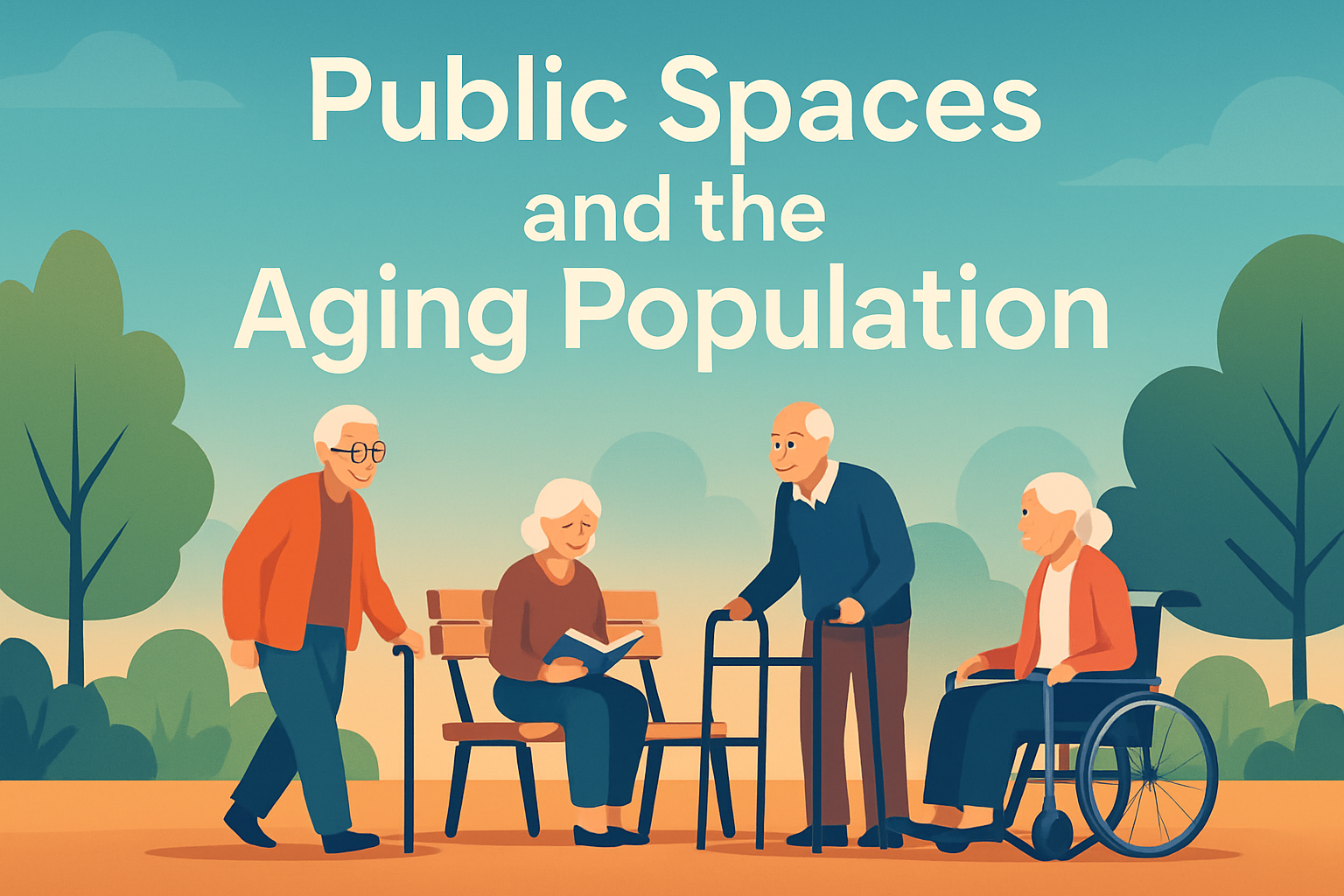
As the global population ages, public spaces increasingly become a focal point of concern. But why should the relationship between public spaces and the aging population matter to us? First, it’s essential to understand some of the terms involved in this discussion. “Public spaces” refer to areas accessible to the general public. This can range from parks as serene natural retreats to bustling urban piazzas, community centers, and pedestrian streets. An “aging population,” meanwhile, describes a demographic trend where the median age in a population rises due to either a declining birth rate or increasing longevity, or indeed both. Now, the significance of these factors cannot be overstated, especially in light of the demographic shifts occurring worldwide.
Globally, advances in healthcare and living standards have led to increased lifespans. By 2050, it is projected that 2 billion people will be aged 60 years or older, amounting to over 20% of the global populace. This surge presents both challenges and opportunities. The key question is: Are our public spaces prepared to meet the diverse needs of an aging population? In this context, fostering inclusive public spaces becomes not just a matter of policy but a moral imperative. With aging individuals often requiring spaces that cater to reduced mobility, sensory impairments, and social needs, public spaces play an integral role in ensuring healthy, active, and socially engaged lives for older adults. This discussion matters because it’s about fostering communities where everyone, regardless of age, feels valued and included.
Designing Accessibility for All Ages
The design of public spaces directly affects how inclusive and accessible they are for people of all ages, particularly older adults. As mobility diminishes with age, the physical environment can either enable or inhibit activity and participation. A significant consideration in designing accessible spaces involves the removal of physical barriers. Clear walkways, ramps, and benches are staples of elder-friendly public areas.
For example, consider the city of Barcelona in Spain. The municipality has made notable strides in refining its spaces to cater to older citizens. Barcelona’s city planners have implemented wide sidewalks, adequate seating, and prioritized pedestrian pathways, thereby ensuring the city’s vibrant life is accessible to everyone. These elements might seem minor but contribute significantly to the quality of life by ensuring that older citizens can navigate public areas safely and independently.
Additional accessibility features include tactile paving for the visually impaired and auditory signals at pedestrian crossings. By addressing these details in design, urban planners create environments that support the varied needs of the elderly, promoting dignity, independence, and inclusivity.
Safety and Security in Community Spaces
Safety and security are non-negotiable aspects when considering public spaces for older adults. Their physical vulnerabilities often expose them to higher risks of accidents, and a sense of insecurity can deter them from using public spaces altogether.
An illuminating example of successful implementation is seen in New York City’s Age-Friendly NYC initiative. Steps taken under this initiative include increased lighting in public spaces, improved wayfinding signs, and added features like handrails and non-slip surfaces. New York’s approach illustrates the practical ways cities can adapt spaces to foster a safer environment.
Bringing technological innovations into the picture, surveillance cameras connected to community policing initiatives can help monitor spaces and prevent crime. Creating partnerships between community groups, local authorities, and elderly residents strengthens trust, thereby enabling a sense of security and encouraging older adults to use and enjoy public areas.
Social Engagement and Interaction Opportunities
Public spaces are not just physical spots but vital cultural and social hubs that foster interaction and engagement—essential elements for the mental health and well-being of the aging population. The social aspect of public spaces can combat loneliness, which is a prevalent issue among older adults, acting as a driver for communal resilience.
An inspiring case is The Red Barn in Norfolk, U.K., which uses spaces like open gardens and event halls to unite people of all ages through shared activities. By holding workshops, guided walks, and inter-generational events, they cultivate not only the community’s social infrastructure but also an inclusive atmosphere where older adults can find meaning and companionship.
Community-driven projects like The Red Barn show how public spaces can serve as essential locations for nurturing social bonds. Inter-generational activities further help break down social barriers and foster mutual understanding, bridging age-related divides.
Adapting to Climatic and Environmental Changes
Adaptability to climate change is crucial when discussing public spaces for older adults. As extreme weather events become more frequent, the senior demographic, often vulnerable to heatwaves or cold spells, must take center stage in public space redesigns.
A testament to proactive design is the High Line Park in New York City. Adapted from an old rail line, the park offers ample shade using trees and strategically placed pergolas. This urban oasis, with its integrated water features, mitigates the heat island effect and provides refuge from scorching temperatures.
Additionally, climate-resilient public parks incorporate features like green roofs, water-conserving landscaping, and stormwater management systems. By leveraging ecological practices, cities can create sustainable spaces that not only serve older adults but also contribute positively to urban ecosystems.
Transportation and Connectivity
Transportation systems are inseparable from discussions about public spaces, given that accessibility to these spaces relies on effective transportation networks. Older adults often require public transport solutions that are not just convenient but also tailored to their specific needs.
Take Singapore’s innovative approach with its Silver Zone program, which focuses on making residential areas safer and friendlier for older pedestrians. Through reduced speed limits, road modifications, and enhanced signage, these Silver Zones provide a safer, more convenient journey from home to the intended public space.
Seamless integration of public transportation with public spaces ensures older adults can maintain independent mobility. Innovations such as low-floor buses, accessible metro stations, and shuttle services to recreation parks not only cater to physical convenience but also enhance the freedom and autonomy of older users.
Table: Key Features of Age-friendly Public Spaces
| Feature | Importance | Example |
|---|---|---|
| Wide Walkways | Ensures safe navigation | Barcelona’s pedestrian pathways |
| Increased Lighting | Enhances security and visibility | Age-Friendly NYC initiative |
| Social Spaces | Encourages community and engagement | The Red Barn, Norfolk |
| Climate Adaptation Features | Mitigates weather-related challenges | High Line Park, NYC |
| Safe Transportation Links | Facilitates access and mobility | Singapore’s Silver Zone program |
Conclusion: Creating Inclusive Future Spaces
The intersection of public spaces and the aging population is more than just about accommodating an older demographic—it’s about creating inclusive, safe, and accessible environments that breathe life into communities. Through thoughtful designs and strategic policies, cities can anticipate and meet the needs of an aging society.
From ensuring physical accessibility to bolstering safety and fostering social connections, these elements collectively enhance the quality of life for older adults. Public spaces that incorporate these considerations not only benefit seniors but embrace diversity across all age groups, cementing a legacy of inclusivity and sustainability.
For the reader, the implications are clear: whether you’re a city planner, a community leader, or an engaged citizen, advocacy for improved public spaces stands as an essential contribution to societal well-being. Take action by participating in local infrastructure planning meetings, voicing support for accessibility measures, or engaging with community initiatives aimed at inclusivity.
Together, these efforts form the backbone of age-friendly environments where all people, regardless of age, can thrive. Let us embrace the challenge and opportunity to innovate and adapt, ensuring no one is left behind as we design the public spaces of the future.
Frequently Asked Questions
1. Why should public spaces be designed with the aging population in mind?
As our global population continues to age, there is a growing need to ensure public spaces are accommodating and inclusive for older adults. Designing for an aging population isn’t just about making spaces accessible it’s about ensuring these environments contribute positively to their quality of life. Older adults, for instance, often require features like easy-to-read signage, comfortable seating, flat walkways, and accessible restroom facilities. These elements help them maintain independence and partake in community life. Additionally, well-designed public spaces can promote physical activity, reducing healthcare costs and improving overall public health. The presence of seniors in public spaces also enriches community life, fostering intergenerational interactions that are beneficial to society as a whole.
2. What elements make a public space age-friendly?
When we talk about age-friendly public spaces, several key features come into play. First and foremost, accessibility is crucial. This includes the presence of ramps, elevators, and smooth, non-slip walking surfaces to accommodate those who may have mobility issues. Seating options are equally important, offering places for rest and social interaction. Clear signage with large fonts and contrasting colors can aid those with visual impairments. Safety is another consideration; having adequate lighting, visible and patrolled areas can ensure all users feel secure. Additionally, providing shade, drinking fountains, and toilet facilities can make these spaces more comfortable. Spaces should be thoughtfully designed to encourage socialization, with open areas for gatherings and smaller nooks for intimate conversations. Altogether, these components create welcoming environments for everyone.
3. How can public spaces foster social connections for older adults?
Public spaces offer a unique opportunity for social engagement among older adults, who can sometimes face isolation and loneliness. These environments can act as a ‘third place,’ a shared neutral ground beyond home and work where individuals gather to meet, interact, and build community bonds. Features that foster social connections include community gardens, interactive art installations, and open spaces for events and performances. These activities promote participation and provide a sense of belonging. Additionally, designing spaces that encourage diverse age groups to mingle, such as play areas next to seating, invites intergenerational interaction. Programs and classes specifically targeted at older adults, such as tai chi in parks or social clubs in community centers, further facilitate these vital connections. The sense of community fostered in these spaces is crucial to their overall well-being.
4. What role does technology play in making public spaces more usable for the aging population?
Technology is a powerful tool in adapting public spaces to the needs of an aging population. It supports accessibility and enhances user experience. For instance, digital wayfinding kiosks with audio aids can assist elderly individuals who may have trouble reading maps or signs. Similarly, apps can provide information about available amenities, upcoming events, or even crowdedness levels in these areas. Security features such as emergency call buttons or surveillance systems also help to ensure safety. Infrastructure improvements like ergonomic benches with integrated USB chargers cater to tech-savvy seniors who use smartphones and tablets. Moreover, smart city technology that monitors environmental factors, like air quality or temperature, can inform modifications and ensure spaces remain comfortable and safe year-round. Technology, when thoughtfully integrated, enhances the usability of public spaces for older users.
5. How can communities support the adaptation of public spaces for the aging population?
Community involvement is essential in transforming public spaces into age-friendly environments. Local governments and stakeholders should engage with older adults to understand their needs and preferences directly. Creating advisory panels composed of seniors can provide insights into desired amenities and design considerations. Communities can also host focus groups or public forums to solicit feedback and encourage participation in the design process. Partnerships with organizations specializing in aging and accessibility can bring expertise to public space planning. Additionally, pursuing funding opportunities and grants to finance improvements is vital. Volunteer programs, where residents help maintain parks and facilitate programs, nurture a sense of ownership and investment in these areas. Ultimately, a collaborative approach that involves comprehensive dialogue and participation from all community segments will result in successful, sustainable solutions that respond effectively to the aging population’s needs.