In recent years, the concept of green spaces has become increasingly important in discussions surrounding urban planning and public health. These are areas of natural, unbuilt environment, such as parks, gardens, and forests, that provide aesthetic pleasure, recreation opportunities, and myriad health benefits. The presence of well-maintained green spaces in urban areas is a powerful tool for enhancing the quality of life for residents and addressing a host of health challenges. In this article, we’ll explore how these spaces contribute to improving public health, the mechanisms by which they exert their effects, and why integrating them into our urban landscapes is crucial for the wellbeing of future generations.
Green spaces offer a sanctuary away from the hustle and bustle of city life, providing a peaceful environment that can enhance mental well-being, encourage physical activity, and restore cognitive function. Their role in absorbing pollutants and regulating temperatures further underscores their importance. Research indicates that individuals who have regular access to green spaces experience lower stress levels, reduced incidence of certain physical ailments, and better overall health outcomes. This article will delve into these aspects, offering insights into how these natural environments are indispensable for fostering healthier communities.
Mental Health Benefits of Green Spaces
The psychological impacts of green spaces are profound. Studies have demonstrated that regular exposure to nature can alleviate symptoms of depression, anxiety, and stress. This effect is attributed to the calming and restorative nature of green environments, which encourage mindfulness and allow individuals to disconnect from their daily stresses. For instance, a study conducted in Denmark found that people living near green spaces had up to 55% less risk of developing mental disorders compared to those without access to such areas.
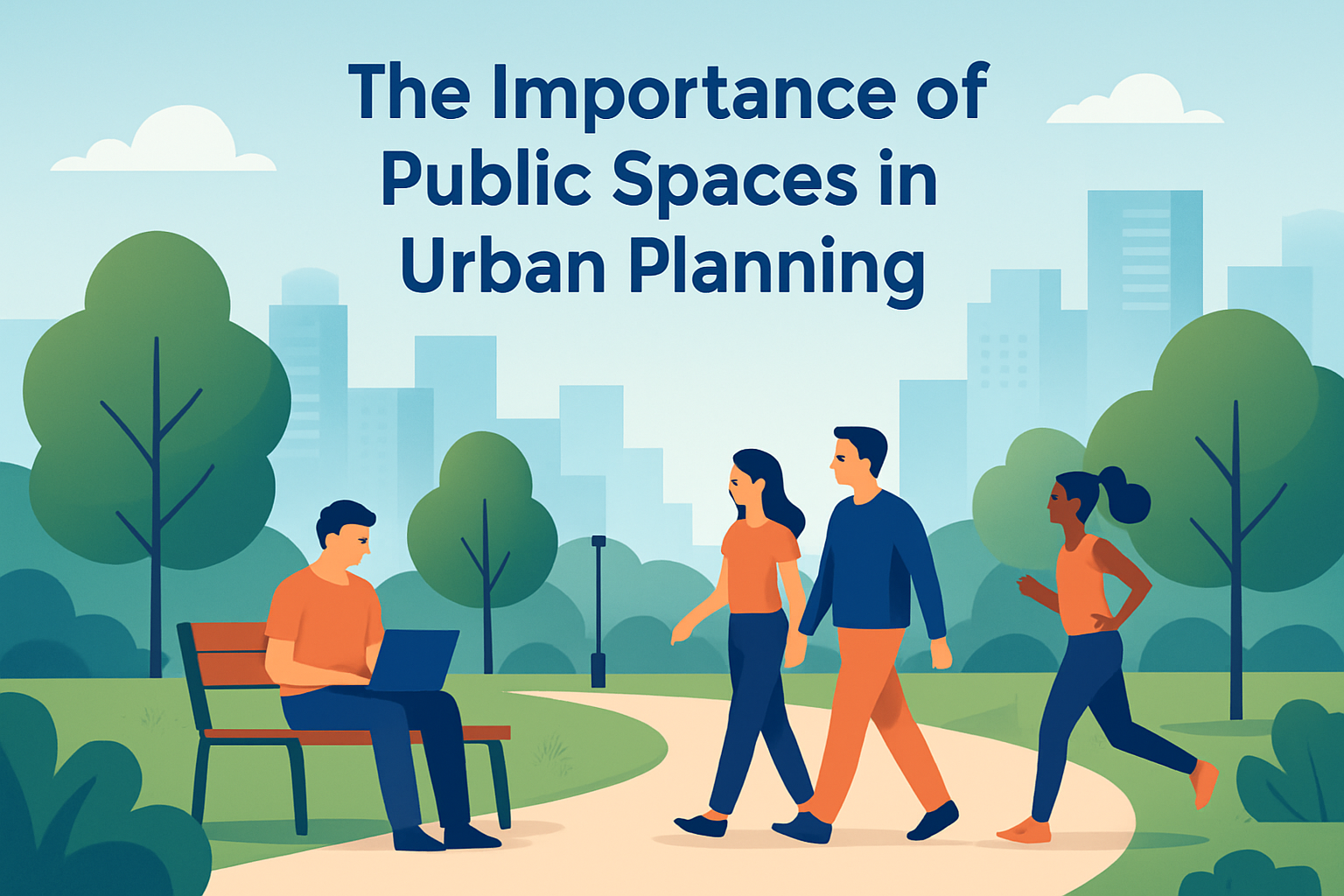
One mechanism through which green spaces promote mental health is by encouraging social interaction and reducing feelings of isolation. Parks and gardens serve as communal spaces where people can meet, socialize, and build social ties, which are critical for maintaining mental wellness. Moreover, the aesthetic value of green environments provides a visual break from the urban landscape, contributing to cognitive restoration by allowing the mind to relax and recharge.
Physical Health Advantages
Green spaces are instrumental in promoting physical activity, which is a cornerstone of physical health. Access to parks and recreational areas encourages walking, jogging, cycling, and other forms of exercise. Engaging in these activities regularly can reduce the risk of chronic diseases such as obesity, heart disease, and diabetes. For instance, a study published in “The Lancet” noted that individuals living near green spaces tend to have higher physical activity levels, correlating with a significant decrease in physical health risks.
Additionally, green spaces contribute to improved air quality by absorbing pollutants and producing oxygen. Trees and plants in urban areas can filter out particulate matter from the air, reducing respiratory distresses and improving overall air quality. In Beijing, for instance, an initiative to plant trees around the city led to a measurable decrease in air pollution levels, contributing to better respiratory health among residents.
Environmental and Community Benefits
Beyond individual health benefits, green spaces play a critical role in community well-being and environmental sustainability. They help mitigate urban heat island effects, where city environments are significantly warmer than their rural surroundings. This cooling effect of green spaces is essential in reducing heat-related illnesses and deaths, particularly during the hot summer months. For instance, the city of Melbourne has implemented a ‘Greening the City’ strategy to lower urban temperatures by enhancing greenery, which has resulted in cooler, more livable conditions.
Green spaces also foster biodiversity, providing habitats for numerous species of flora and fauna, thus maintaining ecological balance. This biodiversity is not only essential for ecological health but also enriches the urban environment, making cities more resilient to changes. Community gardens and urban forests can also create a sense of ownership and pride among residents, fostering a deeper connection with their environment and encouraging responsible stewardship of public spaces.
Socioeconomic and Educational Aspects
Green spaces have socioeconomic benefits that extend beyond health. They can increase property values, attract businesses, and boost local economies. By offering venues for community events and markets, these spaces can become vibrant economic hubs. For example, the High Line in New York City, a linear park built on a historic freight rail line elevated above the streets on Manhattan’s West Side, revitalized the area by attracting millions of visitors annually, boosting local businesses and property values.
Educational opportunities arise from green spaces as well. They serve as living laboratories where children and adults can learn about nature and sustainability. Schools and community programs often use these spaces for educational purposes, instilling environmental awareness and conservation values. The Eden Project in the UK, for instance, is an educational charity that uses its biomes to educate visitors about ecological interdependence.
| Benefits | Examples |
|---|---|
| Mental Health | Reduced stress and anxiety |
| Physical Health | Encourages active lifestyles |
| Environmental | Improves air quality |
| Community | Fosters social interaction |
| Economic | Increases property values |
| Educational | Nature-based learning opportunities |
Challenges and Solutions in Urban Planning
Despite the numerous benefits of green spaces, integrating them into urban planning poses challenges. Limited available land, resource constraints, and competing priorities often hinder the development of new green spaces. However, innovative urban planning and design strategies are emerging to overcome these challenges. Vertical gardens, rooftop parks, and green corridors are creative solutions that maximize the use of limited space.
Community involvement is also essential in this process. Citizen-led initiatives can drive the creation and maintenance of green spaces, tailored to the specific needs and preferences of the local community. By engaging local residents in the planning process, urban planners can ensure that green spaces are not only technically feasible but also culturally meaningful and sustainable. The success of “Parklets” in San Francisco, where parking spaces were transformed into small parks, underscores the potential of grassroots involvement in urban greening efforts.
The Future of Green Spaces and Public Health
The intersection of green spaces and public health is likely to become even more significant in the future as urban populations grow and climate change intensifies. Cities around the world are recognizing the importance of these spaces and are incorporating more green infrastructure into their urban development plans. The European Green Capital Award, for instance, encourages cities to improve their urban environment and promote sustainable urban development by increasing green areas.
The expansion of green spaces offers numerous opportunities for enhancing public health. As urbanization advances, integrating nature into cityscapes will be crucial for mitigating the adverse effects of urban living. Technology will also play a role, with innovations such as smart parks, which use data and sensors to optimize park maintenance and enhance visitor experience, becoming more prevalent. The potential for green spaces to transform urban living is immense, and our investment in them today will determine the quality of life for future generations.
Conclusion: Embracing Green Spaces for Healthier Communities
Green spaces are more than just pretty areas in our cities; they are vital components of public health infrastructure. Their influence on mental and physical health, environmental sustainability, and community dynamics is profound and multifaceted. As our urban landscapes evolve, integrating more nature into city planning is not just beneficial but necessary for ensuring the wellbeing of urban populations.
It is essential for policymakers, urban planners, and communities to prioritize the development and maintenance of these spaces. By doing so, we can create healthier, more resilient communities. The next step is to advocate for policies that protect and expand urban green spaces and to participate actively in community initiatives that promote environmental stewardship. Embracing the role of green spaces will pave the way for sustainable and livable cities where everyone can thrive.
The call to action is clear: invest time, effort, and resources into expanding green spaces around us, and witness the transformative impact they have on public health and community well-being. Together, we can build a greener, healthier future for all.
Frequently Asked Questions
1. What are green spaces and why are they important for public health?
Green spaces refer to areas of natural, unbuilt environments, such as parks, gardens, woodlands, and forests. These spaces are crucial components of urban planning due to their plethora of benefits that impact both mental and physical well-being. They offer aesthetic beauty, which provides a calming atmosphere and a visual break from urban developments. Green spaces are essential for recreation, giving people a place to exercise, socialize, and enjoy various activities, which subsequently improves physical health by promoting an active lifestyle. Additionally, these areas have been found to reduce stress, anxiety, and depression, acting as natural boosters for mental health. Moreover, green spaces contribute significantly to environmental health by purifying the air, regulating temperature, and supporting biodiversity, which indirectly benefits human health.
2. How do green spaces enhance mental health?
The positive impact of green spaces on mental health is well-documented. When people spend time in nature, it often leads to reduced symptoms of stress and anxiety. The quiet and serene environment offered by parks and gardens acts as a therapeutic escape from the hustle and bustle of urban life. Studies suggest that exposure to green spaces is associated with a decrease in stress hormone levels and an increase in overall feelings of well-being. Cognitive functions like concentration, alertness, and memory can also be improved with regular visits to green environments. The opportunity for social interaction within these environments helps to combat feelings of loneliness and isolation, fostering a sense of community and well-being.
3. In what ways do green spaces affect physical health?
Green spaces serve as outdoor gyms by providing ample opportunities for physical activities such as walking, running, cycling, or even yoga, contributing significantly to physical health. Regular physical activity is known to reduce the risk of chronic diseases, including obesity, heart disease, and diabetes. Having accessible parks and recreation areas encourages people to lead a more active lifestyle. Furthermore, being in green spaces can improve air quality—trees and plants filter air pollutants and provide cleaner, oxygen-rich air, which is beneficial for respiratory health. Exposure to sunlight in these natural settings helps the body produce vitamin D, essential for bone health and immune function.
4. How do green spaces contribute to social connections and community well-being?
Green spaces act as common grounds where people from all walks of life can meet, socializing and forming connections that contribute to a supportive community network. These spaces host various community events, like farmers’ markets, concerts, or fitness classes, fostering a sense of belonging and pride among residents. Engaging with others in these settings helps to build trust and cooperation, which are essential elements of a cohesive community. Through organized activities or spontaneous meetings, green spaces bridge gaps between different social groups, promoting inclusion and understanding, which enhances overall public health by creating stable, resilient communities.
5. What role do green spaces play in environmental health, and how does this impact public health?
Green spaces are critical in maintaining environmental health, and their benefits carry over to public health. Vegetation in these areas plays a significant role in the urban ecosystem by filtering air pollutants, regulating temperatures, and reducing the urban heat island effect—where cities are warmer than their rural surroundings due to human activities. Cooler, cleaner air from green spaces can lower the incidence of heat-related illnesses and improve respiratory health. Additionally, these areas support wildlife and promote biodiversity, which ensures ecological balance and enhances local ecosystems’ resilience. As habitats for birds, insects, and other wildlife, they contribute to pollination services, which are vital for food production and maintaining lush, healthy environments—factors that have direct and indirect impacts on human health and nutrition.