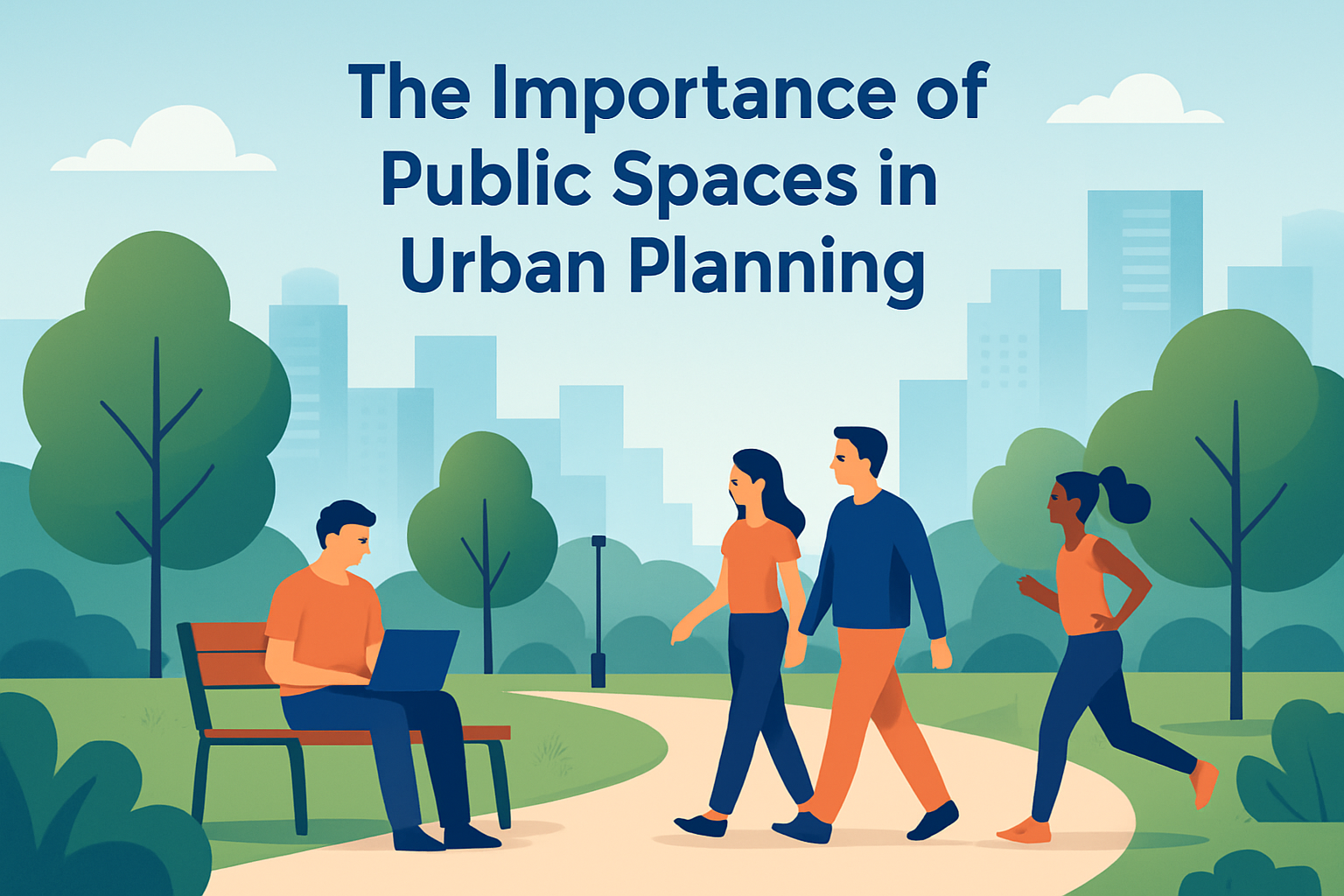
Urban planning plays a critical role in shaping the livability and sustainability of our cities. Central to this planning is the consideration of public spaces, which include parks, plazas, streets, and other open areas accessible to all community members. These spaces are more than just empty areas; they are vital components of urban environments, fostering social interaction, promoting well-being, and enhancing the quality of life for urban residents. Understanding the importance of public spaces in urban planning involves recognizing their multifaceted benefits and the roles they play in urban ecosystems. At its core, public spaces function as the heart of a community, providing areas for recreation, relaxation, and convergence. Hence, ensuring that these spaces are well-integrated into urban planning strategies is essential for creating vibrant, inclusive, and sustainable cities.
The Role of Public Spaces in Enhancing Community Well-being
Public spaces are crucial in promoting the physical and mental well-being of urban residents. Parks and gardens, for instance, offer spaces for exercise, such as walking, jogging, or cycling, which are essential for maintaining a healthy lifestyle. Exposure to green spaces has been linked to reduced stress levels and improved mental health, as they provide a serene escape from the hustle and bustle of city life. For example, Central Park in New York City serves as a green oasis amidst the urban landscape, providing residents with a place to relax, play, and connect with nature.
Furthermore, public spaces facilitate social interactions, which are vital for community well-being. They provide venues for cultural activities, concerts, festivals, and markets, which help build a sense of community and belonging. Events held in public squares or parks can bring together people from diverse backgrounds, fostering inclusivity and social cohesion. When urban planners incorporate ample public spaces into urban designs, they create environments conducive to forming social networks and building strong, supportive communities.
Economic Benefits of Public Spaces
Public spaces contribute significantly to the economic vitality of a city. By attracting tourists and promoting local commerce, these areas can drive economic growth. Cities with well-designed public spaces often become desirable destinations, drawing both tourists and new residents. For instance, Bryant Park in New York City not only serves as a popular gathering place but also boosts the local economy by attracting thousands of visitors every year. These visitors contribute to the local economy by patronizing nearby shops, restaurants, and hotels.
Moreover, public spaces often increase property values in their vicinity. The presence of well-maintained parks or plazas can make neighborhoods more attractive, leading to increased demand and higher real estate prices. This, in turn, attracts businesses looking to capitalize on high-traffic areas, fostering further economic development. As part of urban planning, integrating public spaces can thus stimulate economic activity and enhance the overall financial health of a city.
Public Spaces and Environmental Sustainability
Public spaces play a vital role in promoting environmental sustainability within urban areas. Parks and green spaces contribute to ecological balance by offering habitats for wildlife and supporting biodiversity. They also help mitigate urban heat by providing shade and reducing the urban heat island effect common in densely built environments. For example, the High Line in New York City is a public park built on a historic freight rail line elevated above the streets. It serves as an urban habitat for various species and is a prime example of how public spaces can contribute to environmental sustainability.
Furthermore, public spaces can incorporate sustainable practices and green infrastructure, such as rain gardens, permeable pavements, and native plantings, to manage stormwater effectively and reduce runoff. Urban planners can use these spaces to educate the public about sustainability practices and promote environmentally-friendly behaviors.
Accessibility and Inclusivity in Public Spaces
Ensuring that public spaces are accessible and inclusive is a fundamental aspect of urban planning. Public spaces should be designed to cater to the needs of all individuals, regardless of age, ability, or socioeconomic status. When urban planners create inclusive spaces, they consider various factors such as wheelchair accessibility, amenities for children, and safe environments for elderly people.
One notable example of inclusive public space design is Discovery Green in Houston, Texas. This park offers a variety of features accessible to people with disabilities, including fully accessible pathways, playgrounds, and restrooms. By prioritizing accessibility, urban planners can ensure that public spaces serve as equitable environments where everyone can participate fully and enjoyably.
Creating Resilient Urban Environments Through Public Spaces
Public spaces contribute to the resilience of cities by enhancing their capacity to withstand and recover from social and environmental challenges. Parks and open spaces can provide critical refuges during adverse weather events, offering cooler areas during heat waves and spaces for temporary shelters during emergencies. Additionally, public spaces serve as community gathering points, where resources and information can be distributed during crises.
| Key Features | Benefits |
|---|---|
| Green Spaces | Provide habitat for wildlife, reduce heat, promote well-being |
| Inclusive Design | Ensures accessibility for all, fosters community integration |
| Community Events | Promote social cohesion, drive economic activity |
| Sustainability Initiatives | Encourage environmentally-friendly practices, manage stormwater |
An example of resilience through public spaces can be seen in New Orleans post-Hurricane Katrina, where parks and open spaces were transformed into places for community rebuilding and healing. By intentionally designing and maintaining robust public spaces, urban planners can enhance a city’s ability to navigate and bounce back from disruptions.
Challenges and Opportunities in Integrating Public Spaces
The integration of public spaces into urban planning is not without challenges. Space constraints, competing land uses, and limited funding are some obstacles planners face. However, these challenges also present opportunities for innovation and creativity. Urban planners can employ strategies such as multifunctional spaces, which serve various purposes, or adaptive reuse of underutilized areas, to integrate public spaces effectively despite these constraints.
For example, the transformation of former industrial sites into dynamic public spaces has become a popular strategy in urban areas with limited space. The Gas Works Park in Seattle, Washington, is a prime example of this. Converted from an old gas plant into a public park, it demonstrates the potential for creative approaches to include public spaces in urban settings.
Future Directions for Public Spaces in Urban Planning
As cities continue to grow, the importance of prioritizing and innovating public spaces within urban planning will only increase. Future directions may include leveraging technology to enhance the user experience and management of these spaces. Smart lighting, interactive installations, and digital wayfinding are technologies that can be integrated into public spaces to improve functionality and safety.
Additionally, as societal values shift, there is a growing recognition of the importance of community-led planning in designing public spaces. By involving local communities in the planning process, urban planners can ensure that public spaces address the specific needs and aspirations of the people they serve. A leading example is the Park People initiative in Canada, where residents’ inputs are prioritized in the planning and programming of local parks, leading to spaces that truly reflect the identity and desires of the community.
Conclusion
Public spaces are indispensable elements in the urban landscape, offering myriad benefits that enhance community well-being, stimulate economic activity, and promote environmental sustainability. They are vital for creating inclusive and resilient urban environments that can adapt to future challenges. By prioritizing the thoughtful integration and design of public spaces in urban planning, cities can foster environments that not only meet the physical and social needs of their residents but also enhance the overall quality of urban life.
As urban populations continue to grow, the onus is on planners, policymakers, and communities to collaborate in creating, maintaining, and innovating public spaces that are accessible, inclusive, and sustainable. We invite you to take a step towards advocating for or participating in initiatives that support the development of public spaces in your own community, recognizing their profound impact on the urban experience. Active involvement today will pave the way for vibrant, sustainable cities of the future.
Frequently Asked Questions
1. Why are public spaces important in urban planning?
Public spaces are absolutely crucial in urban planning because they offer a multitude of benefits that contribute directly to the quality of urban living. These spaces, ranging from parks to plazas, serve as a crucial social fabric where community members can gather and interact with each other. They function as a soft infrastructure that supports social relations and builds community ties, which are vital for fostering a sense of belonging among city dwellers.
In addition to their social value, public spaces also promote mental and physical well-being. Parks and open areas provide residents with places to relax, exercise, and unwind, counterbalancing the often stressful urban environment. Trees and plants improve air quality by reducing pollution and providing shade, while well-designed public areas can reduce urban heat and encourage healthier lifestyles.
Economically, vibrant public spaces can enhance property values and attract investments, serving as catalysts for urban regeneration and economic development. They also boost local businesses by increasing foot traffic and offering places for events and markets. In essence, public spaces play a multifunctional role in urban ecosystems, making their inclusion in urban planning an indispensable strategy for sustainable city development.
2. How do public spaces foster social interaction?
Public spaces act as social hubs where people naturally gather, facilitating interactions between individuals from diverse backgrounds. They provide neutral, accessible areas for socialization, breaking down social barriers and fostering inclusion. In parks, for example, people of all ages can engage in activities such as walking, playing, picnicking, or participating in sports, often leading to spontaneous conversations and connections.
Moreover, public areas host community events, cultural festivals, and public performances that bring people together for shared experiences. This collective participation enhances social cohesion and community spirit. Features such as benches, playgrounds, and interactive installations encourage users to linger and engage, further promoting dialogue and connection.
Public spaces are also integral for civic engagement. They are places where people can exercise their democratic rights through protests or public discussions, enabling them to voice their opinions and contribute to community decision-making. Such exchanges nurture active citizenship and strengthen democratic processes.
3. What impact do public spaces have on urban sustainability?
Public spaces are key drivers of urban sustainability, providing environmental, social, and economic benefits that contribute to the eco-friendly development of cities. Environmentally, they serve as green lungs for urban settings by providing essential ecosystems and biodiversity spots that support native flora and fauna.
Green public spaces also help manage urban heat through the mitigation of heat islands. They absorb rainwater, reducing runoff and alleviating urban flooding. Trees in public spaces filter pollutants and generate oxygen, enhancing air quality and promoting healthier urban ecosystems.
Socially, sustainable public spaces enhance community resilience by offering equitable access to nature, which can be seen as a measure of social justice. Economically, they stimulate local economy and job creation, especially when integrating sustainable practices such as local sustainable materials and eco-friendly design.
4. How can urban planners enhance the effectiveness of public spaces?
To maximize the potential of public spaces, urban planners need to adopt a people-centric approach that emphasizes accessibility, inclusivity, and versatility. Key to this is involving community members in the planning and design process, ensuring spaces meet their needs and aspirations. Consultation with local stakeholders, including city residents and business owners, can reveal insights into how spaces will be used and which features can enhance their functionality.
Urban planners should prioritize accessibility by ensuring spaces are reachable by public transport, footpaths, and bike lanes. Design elements such as ramps and textured pathways for individuals with disabilities and considerations for people of all ages should be integrated to make spaces more inclusive.
Furthermore, creating versatile spaces that can host different activities and be used in diverse ways year-round enrich their value. Implementing sustainable practices in the design and maintenance of public spaces can ensure they remain healthy and vibrant while minimizing environmental impacts.
5. What challenges do urban planners face when integrating public spaces into city plans?
Urban planners encounter several challenges when incorporating public spaces into city plans. One of the biggest hurdles is the competition for land use, especially in densely populated and developed areas where real estate is highly valued. Balancing the demand for housing, commercial development, and infrastructure with the need for open, public areas requires strategic negotiation and allocation of land resources.
Funding and budget constraints also pose significant challenges since developing and maintaining high-quality public spaces can be costly. Securing financial resources often involves navigating complex bureaucratic processes and justifying the economic benefits of public spaces in terms of increasing property values and attracting businesses.
Furthermore, planners must address safety and security concerns to ensure that public spaces remain welcoming and safe for all users. This involves designing spaces with crime prevention in mind, including appropriate lighting, clear sightlines, and active surveillance measures.
Lastly, it is essential to balance conservation efforts with development goals, especially in historic areas or ecologically sensitive zones. Urban planners must grapple with preserving cultural heritage while providing modern amenities that meet current and future demands.