Architecture is more than just the design and construction of buildings; it embodies a thoughtful coordination of space, aesthetics, functionality, and ultimately, human experience. As a discipline, architecture has evolved beyond mere functionality and structural soundness to engage deeply with human emotions and experiences. The concept of designing for human experience is grounded in creating environments that enhance life, stimulate the senses, and contribute to well-being. This approach is not merely a trend but is becoming an integral part of the future of architecture. Understanding why designing for human experience matters is essential for architects, planners, and anyone involved in creating spaces.
Designing with human experience in mind means prioritizing the way a space makes people feel, how it influences daily interactions, and how it integrates into the community and environment. It’s about designing buildings and spaces that are adaptable, inclusive, and sustainable, recognizing that buildings are more than their physical structures; they are places where people live, work, and play. This shift in focus is crucial as society becomes more aware of the environmental, social, and psychological impacts of the built environment. Architects who embrace this perspective can transform not only individual buildings but entire communities, contributing to a healthier, more engaged, and sustainable future.
The Role of Sensory Experience in Architecture
Human senses play a critical role in shaping experiences within architectural spaces. Designers who tap into sensory experiences can craft environments that evoke specific emotional responses, making architecture more engaging and memorable. Sensory design goes beyond visual aesthetics to consider sound, texture, smell, and even taste. By stimulating multiple senses, designers can create more holistic and meaningful environments.
An excellent example of sensory experience in architecture can be found in the design of libraries, which often use sound-dampening materials to create a quiet space perfect for concentration and relaxation. The Seattle Central Library, designed by Rem Koolhaas and Joshua Prince-Ramus, incorporates various textures and materials that appeal to different senses, ensuring that visitors have unique and immersive experiences. The library’s innovative features highlight how the sensory aspects of architecture can enhance human interaction with a space.
Human-Centric Urban Design
Urban design that prioritizes human experience considers walkability, accessibility, connectivity, and community interaction. In cities around the world, urban planners and designers are reimagining public spaces to foster social engagement and improve quality of life. By creating pedestrian-friendly environments, reducing traffic congestion, and integrating green spaces, urban areas can become more livable and enjoyable for their residents.
Consider the transformation of the Cheonggyecheon Stream in Seoul, South Korea. Once covered by a highway, the stream has been restored to create an urban oasis. This project is a prime example of a human-centric urban revitalization approach. The Cheonggyecheon Stream now serves as an accessible green space for relaxation and recreation, significantly improving the area’s environmental quality and resilience. It demonstrates how urban design can enhance human experience by transforming neglected spaces into vibrant community assets.
Biophilic Design: Integrating Nature into Architecture
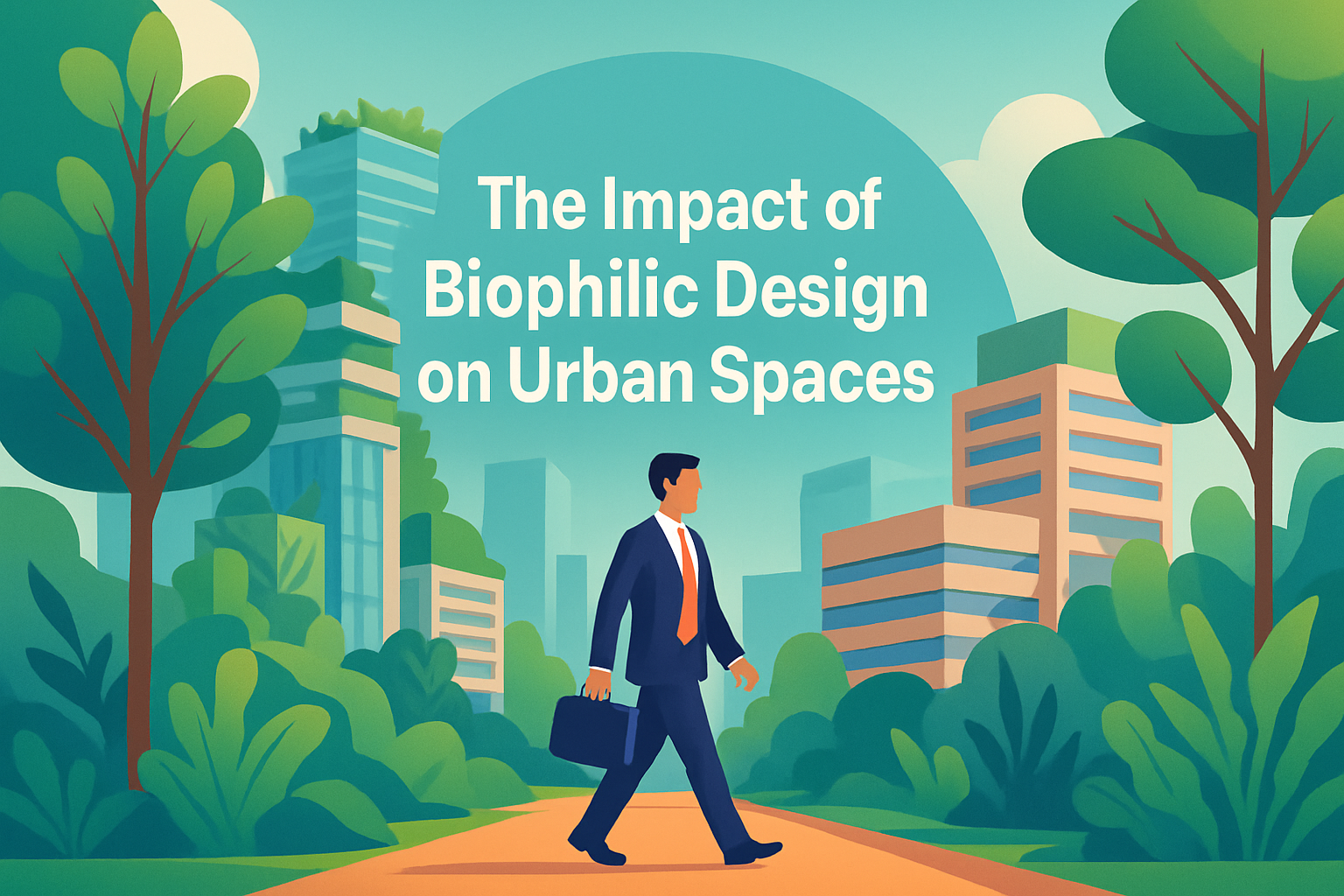
Biophilic design emphasizes the connection between human beings and nature, promoting well-being by integrating natural elements into architectural spaces. This approach acknowledges the innate human affinity for nature and seeks to create environments that benefit physical and mental health.
The Khoo Teck Puat Hospital in Singapore exemplifies biophilic design. The hospital features lush greenery and open spaces that connect patients, staff, and visitors with nature, promoting healing and stress reduction. Gardens and water features are strategically integrated into building layouts, enhancing the overall experience. By prioritizing biophilic design, the hospital creates an environment conducive to well-being, fostering a positive impact on patient recovery and staff satisfaction.
Sustainability and Resource Efficiency
Sustainable architecture prioritizes resource efficiency and environmental stewardship, ensuring that buildings have a minimal negative impact on the planet. Sustainable design addresses energy use, material selection, waste reduction, and renewable energy integration. By meeting the demands of today’s world while not compromising the needs of future generations, architects can contribute positively to tackling global environmental challenges.
The Bullitt Center in Seattle, Washington, is a six-story office building that serves as a model of sustainable architecture. Known as the “greenest commercial building in the world,” it is designed to function as a zero-energy building. The Bullitt Center incorporates renewable energy systems such as solar panels, rainwater harvesting, and waterless composting toilets. By prioritizing sustainability, the architects have ensured that the building offers a high-quality work environment while leaving a minimal environmental footprint.
| Design Focus | Benefits |
|---|---|
| Sensory Experience | Enhances emotional response and engagement |
| Human-Centric Urban Design | Improves quality of life and social interaction |
| Biophilic Design | Promotes mental health and well-being |
| Sustainability | Reduces environmental impact |
Adaptive Reuse and Flexibility in Design
Adaptive reuse and flexible design approaches extend the life cycle of buildings by repurposing existing structures to meet new needs. This strategy reduces the demand for new construction and maximizes the utility of already available resources. It involves designing for the potential change in building function, ensuring spaces remain useful over time.
The High Line Park in New York City is a prime example of adaptive reuse. Originally an elevated railway line, the space has been transformed into a public park that spans multiple city blocks. By creatively repurposing an obsolete structure, the High Line not only preserves the historical significance of the city but also creates a unique urban park that draws tourists and residents alike. This project illustrates how thoughtful design can bring new life to old spaces, fostering community engagement and revitalizing neighborhoods.
Technology and Smart Building Innovations
Advancements in technology and smart building innovations are transforming architectural design and enhancing human experience. Smart buildings leverage technology such as the Internet of Things (IoT), artificial intelligence (AI), and advanced data analytics to optimize building performance, energy efficiency, and user comfort.
A key example of smart building innovation is The Edge in Amsterdam, a cutting-edge office building dubbed the “smartest building in the world.” Incorporating IoT technology, The Edge uses sensors to adjust lighting and climate control according to occupancy, maximizing energy efficiency and creating a more comfortable work environment. The building’s architecture includes flexible workspaces, encouraging collaboration and adaptability. This convergence of technology and design demonstrates how innovation can drive sustainable and user-focused architecture.
Inclusivity and Accessibility in Design
Designing for inclusivity and accessibility ensures that architectural spaces accommodate individuals of all abilities and demographics. This approach recognizes diversity in human needs and abilities, aiming for spaces that are equitable and barrier-free.
The SoFi Stadium in Inglewood, California, showcases inclusivity and accessibility in its design. With features such as accessible seating, sensory rooms, and ample routes for mobility devices, the stadium offers an inclusive experience for all visitors. Through inclusive design, architects create spaces that are welcoming to everyone, enhancing the overall human experience.
Conclusion: Embracing the Future of Architecture
The future of architecture lies in its ability to design for human experience, emphasizing emotional connection, sustainability, adaptability, and inclusivity. By focusing on these principles, architects and designers can create environments that are not only aesthetically pleasing but also deeply impactful on human wellbeing and societal development. In recognizing the profound role architecture plays in our daily lives, it becomes evident that designing for human experience is not just an aspiration but a necessity.
As we move forward, individuals involved in the architectural process—from planners to designers to community members—are encouraged to embrace these innovative approaches. Whether through retrofitting existing spaces or breaking ground on new projects, implementing these strategies can lead to healthier and more vibrant communities. Architects that prioritize human-centered design pave the way for a future where the built environment contributes positively to the world.
For everyone, understanding and advocating for these design principles means supporting projects and initiatives that value experience and sustainability, ultimately leading to a more enriching interaction with the spaces around us. Take action today by engaging with your community and local leaders in discussions about the importance of these design philosophies, ensuring a more thoughtful and human-centered architectural future.
Frequently Asked Questions
1. What does designing for human experience mean in architecture?
Designing for human experience in architecture goes beyond the physical appearance and structural integrity of a building. It’s about creating spaces that resonate on an emotional level and consider the holistic needs of the people using them. This involves engaging the senses, considering well-being, and creating an environment that enhances life experiences. It’s an approach that prioritizes human comfort and interaction with the space, making it not just habitable but enriching. By integrating aspects such as light, ventilation, materials, and cultural context, architects can make spaces that feel alive and responsive to the people who inhabit them. The ultimate goal is to craft environments that support mental, emotional, and social well-being, turning everyday spaces into places of inspiration and connection.
2. How is the role of technology influencing the future of human-centered architectural design?
Technology is revolutionizing the way architects design spaces by providing new tools and techniques to elevate human experience. Innovations such as virtual reality (VR) and augmented reality (AR) allow architects to simulate and visualize spaces before construction, enabling a more refined focus on user experience and interaction. These technologies help in optimizing spatial design by offering immersive previews that illustrate how a space will feel and function. Furthermore, smart building technologies, like Internet of Things (IoT) devices, enable real-time monitoring and adjustments based on how environments are used, ensuring comfort and efficiency. This technological integration assists architects in making informed decisions that benefit occupants, as they adapt designs to accommodate real-world human needs with unprecedented precision. Additionally, technologies such as artificial intelligence (AI) and machine learning can analyze trends in human behavior, forecasting how people will interact with spaces, leading to more user-friendly and adaptive architectural solutions.
3. What are some examples of architectural designs that prioritize human experience?
Numerous architectural examples worldwide encapsulate the essence of designing for human experience by seamlessly assimilating natural and built environments. One such example is the High Line in New York City, an elevated park that has transformed a disused railway track into a vibrant green space for community interaction and leisure. This adaptive reuse project rekindles a connection to nature and invites people to slow down and explore urban life from a different perspective. Another example is the work of Pritzker Prize-winning architects like Peter Zumthor, whose designs are celebrated for their sensory and emotional engagement. Zumthor’s Therme Vals, a spa in Switzerland, epitomizes the meticulous orchestration of light, texture, and material to create a therapeutic and introspective experience, allowing visitors to immerse themselves in a sanctuary of tranquility. These projects reflect a profound understanding of human-centered design, making spaces that nourish the body and soul.
4. How does sustainable architecture intersect with designing for human experience?
Sustainable architecture plays a pivotal role in designing for human experience by ensuring that building practices contribute positively to both people and the planet. Green design strategies focus on reducing environmental impact while creating healthier living and working environments. This is achieved by maximizing natural light, improving air quality through better ventilation, and using non-toxic, recycled materials. Such elements are known to enhance physical health and psychological well-being by creating spaces that are not only sustainable but also comfortable and inviting. Sustainable buildings often incorporate biophilic design principles, which emphasize our innate connection to nature, thus reducing stress and promoting a sense of well-being. In essence, sustainable architecture is about creating resilient, adaptive spaces that uphold human health and ecological harmony, ensuring that future generations inherit a thriving world.
5. How can architects measure and evaluate the success of design focused on human experience?
To measure and evaluate the success of human-centric design, architects and developers must look beyond traditional metrics like cost and square footage. Success in this context involves evaluating how well a space fosters well-being, comfort, and user satisfaction. Post-occupancy evaluations (POEs) are a common tool used to gather feedback from users about their experience within a space. These assessments can highlight areas of improvement and confirm whether the design objectives that prioritize human experience have been met. Architects might also use environmental quality indicators, such as indoor air quality, thermal comfort, lighting, acoustics, and accessibility, to assess how the built environment supports human health and productivity. Observations of user behaviors and space utilization patterns provide valuable insights into how well a design facilitates social interaction, emotional engagement, and functional use. By integrating these qualitative and quantitative approaches, architects can refine their designs to optimally balance human experience with aesthetics and performance.