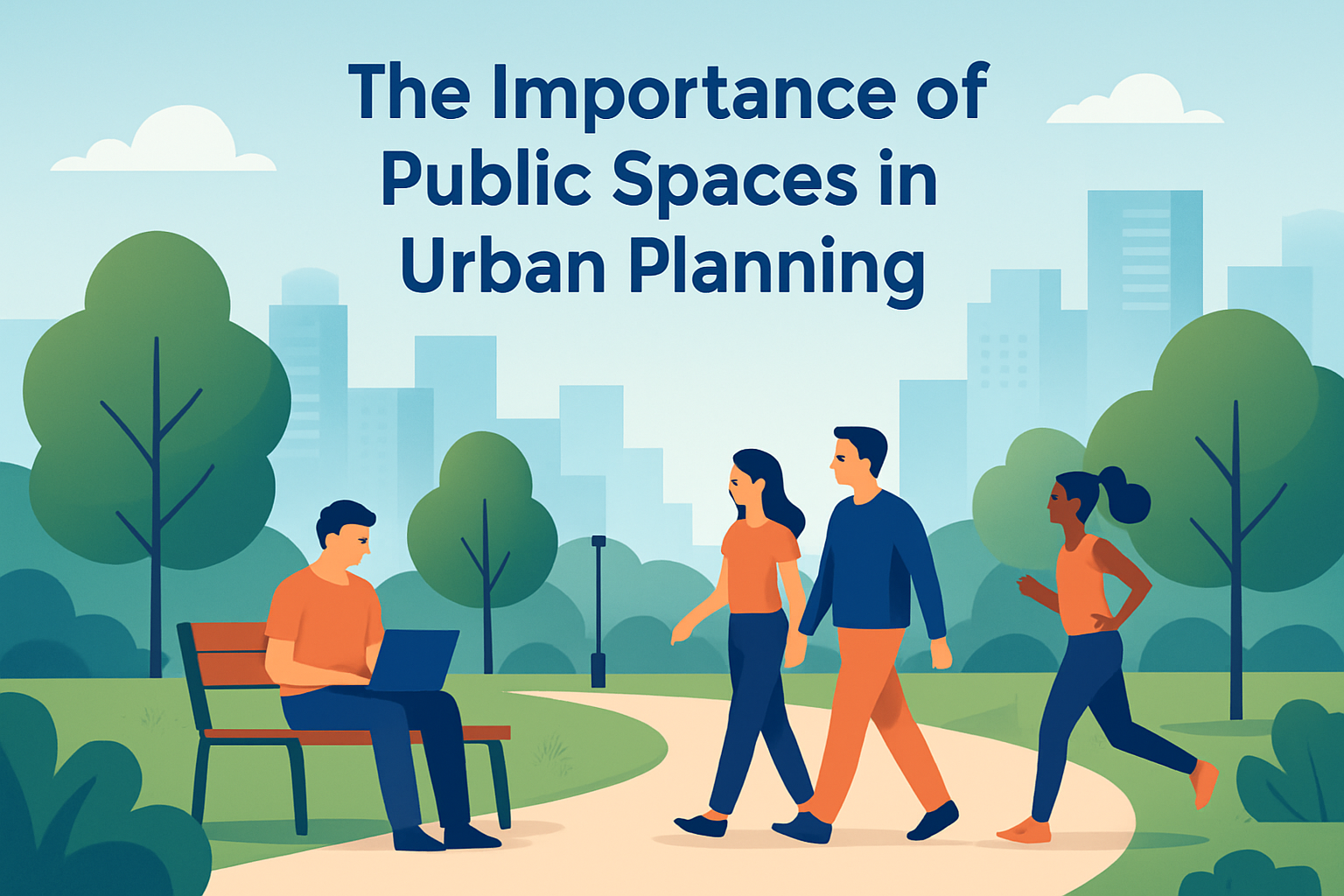
Public spaces are integral to the fabric of urban life, serving as arenas for social interaction, leisure, and cultural exchange. These spaces, which include parks, plazas, playgrounds, and community centers, are open-door environments that invite people from all walks of life to participate in communal activities. Public spaces matter profoundly because they serve as the physical and social glue that holds a community together. They promote inclusivity, foster social ties, and provide avenues for civic participation. However, despite their critical role, the potential of public spaces in enhancing community engagement often goes underexplored. Understanding this impact can help policymakers and urban planners create more vibrant, cohesive, and participatory communities around the world.
The Role of Public Spaces in Promoting Social Interaction
Public spaces are uniquely positioned to encourage interaction among community members. They act as facilitators for spontaneous social encounters and organized community events. This interaction is crucial for developing social networks, which in turn, enhance the sense of belonging and cohesion within a community.
A quintessential example is New York City’s Central Park. Over the decades, Central Park has played host to innumerable social gatherings, sporting events, and cultural festivals. These activities not only provide entertainment but also bring disparate groups together, promoting understanding and empathy among community members.
Spaces like Central Park demonstrate that the presence of amenities such as benches, walking trails, and open-air theaters can stimulate interactions and shared experiences, thereby fortifying social bonds. By providing a communal ‘living room,’ public spaces act as incubators for social ties and civic pride.
Enhancing Civic Engagement through Public Spaces
Public spaces often serve as platforms for civic engagement and political expression. They provide a venue for community meetings, protests, and public dialogues, allowing citizens to express their views and participate in democratic processes.
The famous Tahrir Square in Cairo became a focal point for the Egyptian Revolution of 2011. It was in this public space that protesters gathered to demand change, marking it as a symbol of collective action and unity. Tahrir Square exemplifies how public spaces can galvanize citizen engagement and catalyze social change.
When cities prioritize creating and maintaining accessible public spaces, they empower citizens to become active participants in their communities. This participant-driven use of public spaces for civic purposes underscores their potential to shape not only the physical but also the socio-political landscape of a community.
Public Spaces and Economic Vitality
Beyond social and political dimensions, public spaces significantly contribute to the economic well-being of communities. They attract visitors, stimulate local businesses, and enhance property values—thereby acting as pivotal economic drivers.
Consider Seattle’s Pike Place Market. This iconic public space is a thriving hub for commerce and tourism, drawing millions of visitors annually. The presence of musicians, food stalls, artisans, and farmer’s markets not only boosts Seattle’s economy but also encourages a vibrant community life around the area.
Features like market spaces and event venues can transform a public space into a lively marketplace, creating economic opportunities for local entrepreneurs and artists while also enhancing the cultural atmosphere.
Public Spaces as Environmental Stewards
Public spaces are not only about social and economic benefits; they play a crucial role in environmental sustainability. Parks and open areas support biodiversity, offer greenery, and contribute to ecological balance, improving the overall environmental quality of urban settings.
Take, for example, the High Line in New York City. Once an abandoned rail track, it has been transformed into an elevated linear park that is celebrated for its aesthetic beauty and ecological footprint. Its flora attracts pollinators, provides habitat for urban wildlife, and integrates sustainable practices like water management and native plantings.
By incorporating green infrastructure into public space design, cities can enhance urban environments, mitigate pollution, and foster a stronger connection between residents and nature. These efforts not only enrich the community’s engagement with their surroundings but also highlight the multifaceted benefits of preserving and promoting public spaces as green sanctuaries.
Public Spaces: Platforms for Cultural Expression
Another significant aspect of public spaces is their role as stages for cultural expression and artistic endeavors. They provide a canvas for communities to celebrate diversity, showcase talents, and share traditions, making them melting pots of cultural activity.
The Toronto International Film Festival is an excellent illustration of how public spaces can transform into cultural hubs. Held in various locations throughout the city, including public parks and squares, the festival turns Toronto into a vibrant center for the arts, allowing the community to engage with diverse forms of cultural expression.
Through concerts, exhibitions, street performances, and festivals, public spaces offer an inclusive platform for cultural experiences accessible to everyone. This in turn enhances community engagement by making art and culture an integral part of everyday life.
| Benefits | Examples |
|---|---|
| Social Interaction | Central Park, NYC |
| Civic Engagement | Tahrir Square, Cairo |
| Economic Vitality | Pike Place Market, Seattle |
| Environmental Stewardship | High Line, NYC |
| Cultural Expression | Toronto International Film Festival |
Designing Inclusive Public Spaces for All
Inclusivity is a cornerstone of successful public spaces. They must cater to diverse groups across age, gender, ability, and socioeconomic backgrounds—ensuring every community member can use and benefit equally from these shared environments.
Melbourne’s Federation Square is an exemplar of inclusive design. This innovative space integrates accessibility features, seating areas, and multi-use zones that welcome everyone, from children to the elderly and people with disabilities. By thoughtfully considering the needs of varied user groups, Federation Square fosters a sense of equality and unity among community members.
Inclusive public space design acknowledges differences among users and addresses them through attentive planning and design, ultimately enhancing the community’s collective engagement with the space.
The Challenges and Future of Public Spaces
Despite their benefits, public spaces face challenges such as underfunding, maintenance issues, and security concerns, which can diminish their intended impact. Rapid urbanization further strains existing public spaces, calling for innovative solutions to expand and enhance them.
The future of public spaces will likely see greater integration of technology for enhanced user experience. Implementing smart technologies, such as interactive wayfinding systems and free Wi-Fi, can make public spaces more accessible and appealing, particularly to younger generations.
Moreover, citizen involvement in the planning and upkeep of public spaces can encourage a sense of ownership and responsibility, ensuring these spaces continue to flourish as vital components of community life.
As we consider the future, investing in public spaces that prioritize environmental sustainability, inclusivity, and cultural vibrancy will undoubtedly elevate community engagement to new heights.
Conclusion: Harnessing the Power of Public Spaces
In summary, public spaces play an indispensable role in fostering community engagement by promoting social interaction, facilitating civic activities, boosting economic vitality, supporting environmental sustainability, and providing platforms for cultural expression. They act as vibrant ecosystems where community life thrives, and inclusivity, creativity, and unity are nurtured.
For readers, the key takeaway is the transformative power of well-designed and maintained public spaces. By recognizing and advocating for the value they bring to our communities, we can contribute to creating more inclusive, dynamic, and engaged places to live. Whether you are a local resident, urban planner, or policymaker, consider how you can support public spaces in your area.
As your next step, engage with your local public spaces—attend community events, participate in public forums, and collaborate on initiatives that enhance these vital areas. Your involvement can make a significant difference in the vitality and cohesion of your community.
Frequently Asked Questions
1. How do public spaces contribute to community engagement?
Public spaces play a significant role in boosting community engagement by acting as vital spots for social interaction. When people come together in parks, plazas, playgrounds, and community centers, they have countless opportunities to interact socially, which encourages dialogues and builds relationships. These interactions can be as simple as neighbors chatting during a walk or parents exchanging parenting tips while their children play. Such engagements are crucial for developing social ties that bind communities closer together.
Moreover, public spaces are inclusive by nature. They welcome everyone, offering no barriers tied to gender, age, economic status, or cultural background. This inclusivity invites people from diverse backgrounds to participate in a shared environment, fostering a sense of belonging and mutual respect. By bringing together people of various demographics, public spaces encourage understanding, empathy, and cooperation among community members.
Furthermore, public spaces often host community events, activities, classes, and social gatherings, which draw people from different parts of the community. Whether it’s a local farmers’ market, a public art exhibit, or a weekend yoga session, these events serve as a catalyst for community participation and civic responsibility, strengthening the community’s collective identity.
2. What role do public spaces play in cultural exchange within communities?
Public spaces are as much cultural platforms as they are physical locations. They function as public stages where cultural expression and exchange happen naturally. Community centers, for instance, often host cultural events like festivals, art exhibitions, and performances that showcase different traditions and heritage. These events provide community members with opportunities to celebrate and learn about their own and others’ cultures, which enhances cultural appreciation and awareness.
In parks and plazas, you might find various cultural activities such as traditional dance classes, language exchange programs, and cooking demonstrations from different cuisines of the world. Such activities let people experience diverse cultures firsthand, breaking down cultural barriers and increasing cultural literacy.
Public spaces also serve as venues where cultural dialogues occur, allowing community voices to be heard and shared. For instance, a community poetry reading session or open-air discussions about cultural histories can spark meaningful conversations, providing a deeper understanding of diverse cultural experiences. In this way, public spaces are instrumental in bridging cultural gaps and promoting harmonious coexistence within diverse communities.
3. How do public spaces encourage inclusivity within a community?
Public spaces are often dubbed “democratic spaces” because they are designed to be open and accessible to everyone. This openness creates an environment where people from all walks of life can come together without feeling excluded. Parks and playgrounds, for example, are open to everyone, regardless of their age, race, socioeconomic background, or physical ability, promoting interaction across different demographics.
Inclusivity in public spaces is often supported by thoughtful design that accommodates various needs. Features such as ramps for wheelchairs, braille signage, or dedicated areas for seniors make these spaces more accessible for people with disabilities. Additionally, by offering amenities that cater to different age groups, such as children’s playgrounds, sports facilities for teenagers, and peaceful gardens for the elderly, public spaces ensure that everyone can find something that suits their interests and needs.
Community programming further enhances inclusivity by involving diverse groups in planning and decision-making. When community members have a say in how their public spaces are programmed and utilized, they feel more invested and respected, reinforcing a sense of community ownership and solidarity. This not only encourages a wider range of people to participate in public life but also fosters an inclusive community culture where everyone’s contributions are valued.
4. How do public spaces impact mental and physical health in communities?
Public spaces have a profound impact on the mental and physical health of community members. Parks and recreational areas provide essential spaces for exercise and physical activity, which are critical for maintaining a healthy lifestyle. Whether it’s walking, jogging, cycling, or playing sports, engaging in physical activities in public spaces helps reduce stress, improve cardiovascular health, and enhance overall well-being.
Beyond physical health, public spaces are vital for mental health. They offer natural environments that provide solace and relaxation, crucial for mental rejuvenation. Research has shown that spending time in green spaces can reduce symptoms of anxiety, depression, and stress, offering a mental health respite from the pressures of urban living.
Social interactions in public spaces also contribute significantly to mental health. Engaging in conversations, participating in group activities, and connecting with others foster feelings of community and belonging, which are essential for emotional well-being. Public spaces can act as antidotes to urban isolation, providing opportunities for regular, casual social connections that are fundamental to a healthy, balanced life.
5. What challenges do public spaces face in fostering community engagement?
Despite their potential to enhance community engagement, public spaces often face challenges that can limit their effectiveness. One significant challenge is the issue of accessibility. In some urban areas, public spaces may not be easily accessible due to inadequate transportation links or poor geographic distribution, disadvantaging communities in less connected regions.
Another challenge is the potential for public spaces to become exclusionary due to factors like safety concerns or sociocultural dynamics. If a space feels unsafe because of inadequate lighting, poor maintenance, or crime, people may avoid using it, diminishing its role as a community hub. Similarly, if public spaces are perceived as dominated by a particular social or cultural group, others may feel unwelcome, stifling the inclusive potential of these spaces.
Resource constraints can also impede the development and maintenance of public spaces. Limited funding for upkeep, programming, and improvements can lead to degradation, making these spaces less attractive and usable for community activities. Overcoming these challenges requires coordinated efforts from local governments, community organizations, and residents to ensure that public spaces fulfill their role as vibrant centers of community engagement.