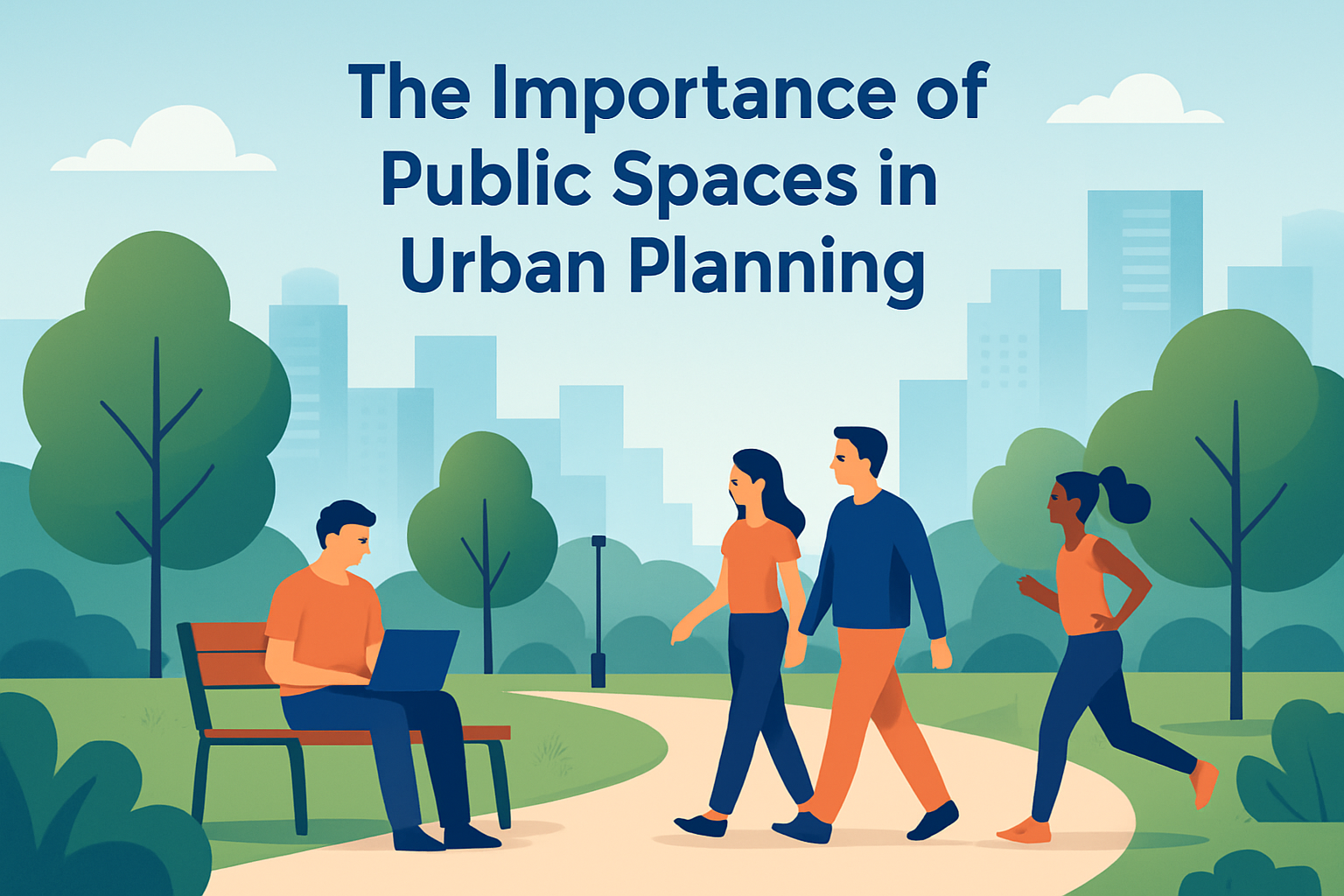
Public spaces are a tangible aspect of societal infrastructure that are crucial for fostering social equity and inclusion. These are areas designed for public use, such as parks, plazas, streets, and community centers, that serve as common grounds for diverse groups of people. In essence, social equity refers to fairness and justice within the public domain, involving the belief that every individual deserves equal access to resources and opportunities. Understanding the connection between public spaces and social equity is vital, as it underscores how urban planning and public policies can influence social cohesion, economic opportunities, and community well-being. This article delves deeply into the relationship between public spaces and social equity, exploring how these areas can mitigate or exacerbate social inequalities.
The Role of Public Spaces in Community Building
Public spaces play an essential role in creating vibrant and cohesive communities. They provide a platform for social interaction, cultural expression, and community activities. When public spaces are accessible and inclusive, they can bridge social divides and foster a sense of belonging among community members.
A real-world example of this is New York’s Central Park. As one of the most iconic public spaces globally, Central Park offers a wide range of activities that cater to diverse interests and demographics. From playgrounds and sports fields to walking paths and performing arts venues, Central Park serves as a melting pot where people from different backgrounds come together. This inclusivity helps build community ties, encourages social interaction, and promotes a harmonious urban environment.
Public Spaces and Economic Opportunities
Public spaces can significantly contribute to economic development by creating venues for local businesses, promoting tourism, and increasing property values. Vibrant public spaces attract people, which in turn can stimulate local economies by providing opportunities for small businesses such as cafes, food trucks, and craft markets to thrive.
Pike Place Market in Seattle is a prime example of how public spaces can drive economic vitality. Since its establishment, Pike Place Market has been a bustling marketplace filled with vendors offering fresh produce, crafts, and more. The market draws millions of visitors yearly, supporting the livelihoods of thousands of vendors and contributing to the economic health of the surrounding community. This demonstrates how strategically developed public spaces can enhance economic opportunities for local communities.
Environmental and Health Benefits of Public Spaces
Public spaces are also vital for environmental sustainability and public health. They provide green areas that contribute to environmental well-being by improving air quality, supporting biodiversity, and mitigating urban heat island effects. Additionally, they offer spaces for physical activity, which is crucial for the health and well-being of urban populations.
- Parks with walking trails encourage physical exercise, reducing the risk of lifestyle-related diseases.
- Community gardens provide access to healthy, organic produce and engage residents in sustainable practices.
- Water features help cool urban environments and maintain ecological balance.
A case in point is the High Line in New York City. Transforming an old railroad into an elevated green space, the High Line provides a unique urban oasis in the concrete jungle. It not only serves as a recreational space but also supports biodiversity through its curated plant selection, offering environmental and health benefits to residents and visitors alike.
Addressing Social Inequity Through Public Spaces
By intentionally designing and maintaining public spaces, urban planners and policymakers can address social inequalities. Public spaces should be accessible, safe, and welcoming to all community members, including marginalized groups who might typically be excluded or marginalized.
An effective example of this is Millennium Park in Chicago. Millennium Park was designed with inclusivity in mind, featuring ramps and access points for individuals with disabilities, ensuring that everyone can enjoy its facilities. The park’s programming includes free cultural events and educational workshops that are open to all, regardless of socioeconomic status. This commitment to inclusivity is a powerful tool in combating social inequity, fostering an equitable environment where everyone feels valued and included.
Challenges and Barriers in Promoting Social Equity in Public Spaces
Despite the potential benefits, several challenges can hinder the promotion of social equity in public spaces. These challenges include economic disparities, limited resources for maintenance and development, and socio-political factors that can lead to unequal distribution of public spaces.
For instance, gentrification can pose a significant barrier. As neighborhoods are developed and property values rise, lower-income residents may be displaced, losing access to vital public spaces. Urban planners must carefully balance development with the needs of existing residents to prevent the widening of social disparities.
| Challenge | Description |
|---|---|
| Gentrification | Displacement of low-income communities due to rising property values. |
| Funding | Insufficient resources for the development and maintenance of public spaces. |
| Accessibility | Barriers to access for individuals with disabilities or those in underserved neighborhoods. |
Addressing these challenges requires a collaborative approach involving community engagement, equitable policy-making, and sustainable urban design practices that prioritize the needs of marginalized groups.
Strategies for Enhancing Social Equity in Public Spaces
Several strategies can be employed to enhance social equity in public spaces. Encouraging community involvement in the planning and management of public spaces is critical, as it ensures that the needs and voices of diverse community members are heard and addressed.
Additionally, implementing inclusive design principles can help create public spaces that are welcoming to all. This includes designing spaces that are accessible to individuals with disabilities, offering multilingual signage, and ensuring cultural representation in public art and programming. Public-private partnerships can also play a role in leveraging resources and expertise to create and maintain equitable public spaces.
Case studies of cities like Portland, Oregon, highlight how inclusive planning and policy can transform public spaces. The city’s commitment to enhancing walkability and providing diverse recreational opportunities has led to increased community engagement and social cohesion, demonstrating the positive impact of intentional design on social equity.
Conclusion
Public spaces are a fundamental component of urban life, playing a pivotal role in promoting social equity and inclusion. They offer a platform for community building, economic opportunities, environmental well-being, and health benefits. However, challenges like gentrification and funding limitations must be addressed to ensure these spaces serve all community members equitably. By prioritizing inclusive design and community engagement, we can create public spaces that truly reflect and meet the diverse needs of society.
As a reader, understanding the significance of public spaces can inspire you to advocate for equitable public spaces in your community. Whether it’s participating in local planning meetings or supporting initiatives that promote inclusive public spaces, every action contributes to creating a more just and cohesive society.
Take a moment to reflect on your local public spaces: Are they accessible and inclusive for everyone? What steps can you take to promote equity in your community’s shared spaces? Let’s work together to ensure that public spaces remain a beacon of social equity and inclusion for all.
Frequently Asked Questions
What is the significance of public spaces in promoting social equity?
Public spaces play a crucial role in promoting social equity by providing accessible places where individuals from diverse backgrounds can gather and interact. These areas function as the physical manifestation of democratic values, ensuring that everyone has the opportunity to enjoy the benefits of community life. Public spaces like parks, community centers, and streets are designed to be inclusive environments that welcome people irrespective of their socio-economic status, ethnicity, or ability. They are essential in balancing social inequalities by offering free resources and opportunities for recreation, engagement, and cultural exchange. These spaces also encourage civic participation and foster a sense of belonging and ownership, which are critical components of social equity. When people feel represented and included in public life, they are more likely to contribute positively to community development and advocate for policies that benefit everyone.
How can urban planning influence social equity in public spaces?
Urban planning can significantly influence social equity in public spaces by shaping the way these areas are designed, accessed, and maintained. Effective urban planning should prioritize inclusivity, ensuring that public spaces are distributed equitably across communities and are accessible to all individuals, including marginalized and underserved groups. Planners can incorporate design elements that cater to different needs, such as wheelchair ramps, playgrounds for children, and seating areas for the elderly. Additionally, urban planners should focus on integrating green spaces and recreational areas in densely populated regions to ensure people living in such neighborhoods have the same access to nature and leisure as those in more affluent areas. Community involvement in the planning process is also critical, as it allows residents to voice their needs and preferences, leading to more equitable and relevant outcomes. By prioritizing connectivity, safety, and functionality, urban planning can eliminate physical and social barriers that hinder social equity.
What challenges do public spaces face in fostering social equity?
Public spaces face several challenges in fostering social equity, many of which stem from socio-economic disparities and discriminatory practices. One major challenge is maintaining equal access for all, as some public spaces may become privatized or commercialized, limiting their availability to certain groups. Vandalism and neglect can also lead to unsafe environments that deter people from utilizing these spaces. Additionally, lack of funding or misallocation of resources can result in poorly maintained or inadequate facilities, which can exacerbate existing inequalities. Another challenge is the perception of certain public areas as unsafe or unwelcoming, particularly for marginalized communities. This may be due to a lack of security measures or negative stereotypes associated with specific neighborhoods. Furthermore, public spaces can sometimes unintentionally exclude groups through design choices that fail to consider diverse needs or cultural significance. Addressing these challenges requires a committed effort from governments, communities, and stakeholders to prioritize social equity in the development and maintenance of public spaces.
How does the concept of ‘right to the city’ relate to public spaces and social equity?
The concept of ‘right to the city’ is fundamental to understanding the relationship between public spaces and social equity. Coined by French sociologist Henri Lefebvre, the term refers to the right of every urban inhabitant to access, participate in, and contribute to the life of the city. This concept aligns closely with the ideals of social equity, as it emphasizes the importance of inclusive urban environments where everyone has a stake. Public spaces are essential sites for exercising this right, as they provide platforms for civic engagement, social interaction, and cultural expression. The ‘right to the city’ advocates for equitable access to public amenities and decision-making processes, ensuring that urban development benefits all residents, particularly those historically marginalized. By recognizing public spaces as shared resources that belong to everyone, society can actively work towards reducing inequality and promoting social justice within urban landscapes.
What role do community initiatives play in enhancing social equity in public spaces?
Community initiatives play a pivotal role in enhancing social equity in public spaces by empowering local residents to take active roles in shaping and improving their environments. These initiatives often involve collaboration between community members, local organizations, and governments to tackle issues like accessibility, safety, and inclusivity in public areas. Grassroots movements can lead to the renovation or creation of public spaces that reflect the needs and desires of the community, ensuring that they serve as welcoming and equitable places for all. Examples include community gardens, art projects, and neighborhood clean-up events, which foster a sense of collective responsibility and pride. Furthermore, these initiatives can promote social cohesion by bringing diverse groups together to work towards common goals. By encouraging active participation and investment from residents, community initiatives can drive lasting positive change in public spaces, supporting broader efforts to achieve social equity at the local level.