In today’s fast-paced urban environments, where skyscrapers cast shadows and vehicles fill the air with noise, a green revolution is quietly taking shape. Urban greenery and community gardens are creating a new wave of transformation in cities worldwide. These verdant spaces, ranging from lush parks to community-driven garden patches, provide more than just a visual respite from concrete and steel. They play a crucial role in fostering sustainable cities, promoting mental well-being, and strengthening community bonds. But what exactly are these spaces, and why do they matter so much in our modern lives?
Urban greenery encompasses all types of vegetation found in city landscapes. This includes public parks, landscaped boulevards, street trees, green roofs, and even small urban farms. Community gardens, one significant aspect of urban greenery, are collaborative projects where land is gardened collectively by a group of people. These spaces are not merely ornamental; they are veins of life running through our urbanized areas. They matter because they address many pressing urban challenges, such as reducing temperatures, filtering air pollutants, enhancing biodiversity, and providing a communal space for relaxation and socialization.
The importance of urban greenery and community gardens cannot be overstated. In a world steadily leaning towards urbanization, these green initiatives are vital. They provide numerous environmental, psychological, social, and economic benefits. By exploring the various dimensions and real-world impacts of these initiatives, we can grasp their full potential and learn how to integrate them more effectively into our lives.
Urban Greenery and Climate Resilience
Urban greenery is a powerful tool in the fight against climate change. Cities are significant contributors to greenhouse gas emissions, and their expanses of asphalt and concrete exacerbate the urban heat island effect, where cities become significantly warmer than their rural surroundings. However, the presence of trees and vegetation can help mitigate these effects.
For instance, in Melbourne, Australia, the city implemented an Urban Forest Strategy to manage and expand its canopy cover. By planting over 70,000 trees within a decade, this initiative aimed to reduce the urban heat island effect, lower energy consumption, and improve air quality. Trees provide shade, reduce the need for air conditioning, and absorb a portion of the pollutants and greenhouse gases in the air.
These examples highlight the critical role trees and plants play in climate resilience. By strategically planting greenery, cities can create cooler environments, reducing reliance on energy-intensive cooling systems and improving overall urban sustainability. This approach demonstrates the potential of urban green spaces as a natural, cost-effective solution to climate-related urban problems.
Promoting Mental Health and Well-being
Green spaces have been shown to significantly impact mental health positively. Living in urban areas can often lead to feelings of stress, anxiety, and a sense of isolation. However, access to nature has proven therapeutic benefits, offering a remedy to the mental fatigue of modern living.
In the city of Tokyo, Japan, researchers conducted a study showing that individuals experiencing nature, even for short durations, had measurably lower cortisol levels, the hormone associated with stress. A stroll through a local park or participating in gardening activates a relaxation response that lowers heart rates and stress levels.
The presence of urban greenery provides essential spaces for psychological retreat. Green spaces encourage physical activity, serve as social environments for community interaction, and improve mood and cognitive functioning. They foster environments where individuals and communities can recharge, reducing mental health issues prevalent in densely populated urban centers.
Social Cohesion and Community Building
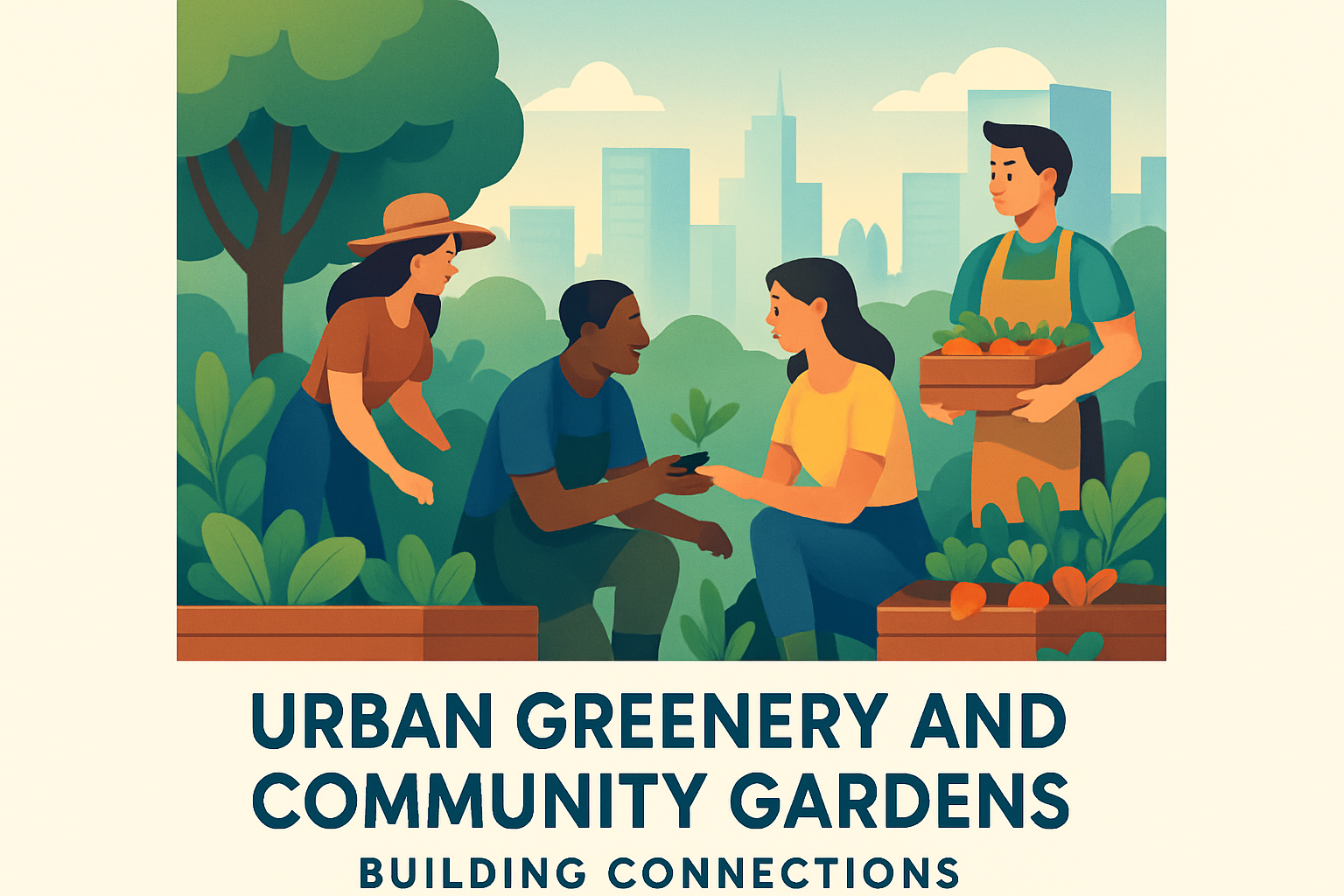
Community gardens are much more than spaces for planting and harvesting; they are essential venues for cultivating social ties.
In New York City, the Bronx Green-Up initiative stands as a testament to how community gardens can transform neighborhoods. These gardens become hotspots for community engagement, where residents come together to share their love for gardening, food, and sustainable living. They often hold workshops, celebrations, and meetings that strengthen community connections.
Such initiatives illustrate how community gardens can lead to increased social interaction, fostering a sense of pride and ownership among community members. They break down social and cultural barriers, encouraging cooperation across different community segments. The collaborative nature of these gardens empowers individuals, providing opportunities to learn, teach, and build supportive networks.
| Benefits of Community Gardens | Impact |
|---|---|
| Social Cohesion | Builds relationships and supports community connectivity |
| Education | Provides hands-on learning for sustainable practices |
| Food Security | Enhances access to nutritious, locally grown produce |
| Health | Encourages physical activity and mental wellness |
| Environmental Stewardship | Promotes biodiversity and eco-friendly techniques |
Economic Opportunities in Urban Green Spaces
Urban greenery can also serve as an engine for economic growth. By creating green jobs and enhancing property values, cities can leverage these spaces to stimulate local economies. Jobs in landscaping, horticulture, and nature conservation are supported by investing in and maintaining urban green spaces.
Chicago’s Garfield Park Conservatory offers an excellent example of how urban greenery can create economic opportunities. As one of the largest greenhouse conservatories in the United States, it provides numerous jobs and serves as a tourist attraction, drawing visitors and businesses to the area. The surrounding neighborhood has seen economic revitalization linked to the prestige and aesthetic value of the conservatory.
On a smaller scale, community gardens can also help address food deserts — areas with limited access to healthy foods. By growing produce locally, community gardens cut down on transportation costs and provide affordable, fresh food options to local residents. This has a direct impact on local economies and the well-being of residents, promoting food security and self-reliance.
Encouraging Biodiversity and Eco-Friendly Practices
Urban landscapes might seem inhospitable to wildlife, but urban greenery plays a crucial role in maintaining biodiversity. Green spaces offer essential habitats and corridors for wildlife, contributing to healthier ecosystems even in highly developed areas.
The High Line in New York City, a linear park built on a historic freight rail line elevated above the streets, is a vivid example of how urban spaces can support biodiversity. This greenway includes various native plant species designed to attract and sustain local wildlife, including birds and insects. It has become a haven for urban biodiversity, illustrating that with thoughtful planning, urban areas can coexist with nature.
These efforts reflect broader environmental consciousness, encouraging the adoption of eco-friendly practices among city dwellers. Through opportunities like composting programs and sustainable gardening workshops in community gardens, individuals learn how to reduce waste and promote a healthier planet.
Conclusion: Moving Toward Greener Cities
Urban greenery and community gardens are indispensable in creating sustainable, livable cities. They provide multifaceted benefits, from environmental improvements and mental health support to fostering social cohesion and economic opportunities. By strategically investing in and managing these green spaces, cities can enhance the quality of life for their residents.
The growing awareness of these benefits underscores the need for policymakers, city planners, and community leaders to prioritize urban greenery in future development plans. Encouraging residents to participate in community gardening, advocating for more green spaces, and implementing educational programs on sustainable practices are practical steps forward.
As individuals and communities recognize the undeniable advantages of urban greenery, a collective movement toward greener cities gains momentum. These initiatives instill a sense of responsibility and connection to both the urban and natural environments, ultimately fostering a more harmonious and resilient society. Embrace the green initiative — participate in local gardening efforts, support urban forestry projects, and advocate for policies that prioritize urban greenery. Together, we can build healthier, more vibrant, and interconnected urban landscapes.
Seize the opportunity today—dig in, plant your first seed in a community garden, volunteer for a local park beautification project, or simply spend a moment of reflection in the nearest patch of greenery. The urban green revolution is calling, and your city is waiting.
Frequently Asked Questions
1. What are the main benefits of urban greenery and community gardens?
Urban greenery and community gardens bring a range of benefits to our cities and those who inhabit them. First and foremost, they significantly enhance the ecological health of urban areas by improving air quality, reducing the urban heat island effect, and supporting biodiversity. Trees and plants purify the air by absorbing pollutants and releasing oxygen, making city life healthier and more pleasant. Moreover, they offer a haven for various bird species, insects, and small wildlife, thereby enriching urban biodiversity.
Another significant aspect is their impact on mental health and well-being. Numerous studies have shown that access to green spaces can reduce stress, anxiety, and depression while improving overall mood and life satisfaction. For people living in bustling cities, community gardens offer a peaceful escape where they can engage with nature, practice mindfulness, and enjoy leisure activities.
Additionally, these verdant areas encourage social interaction and foster a sense of community. They serve as gathering spots where people from diverse backgrounds can come together to share knowledge, work on collective projects, and build stronger social ties. In a world that is becoming increasingly digital and disconnected, the physical presence and interaction afforded by community gardens are invaluable for enhancing community cohesion and reducing social isolation.
2. How do community gardens contribute to sustainability in urban areas?
Community gardens are a key component in the push towards sustainable urban living. Firstly, they promote the growth of local food, reducing the need for food to be transported over long distances, thus decreasing carbon footprints. By growing their vegetables and fruits, city dwellers actively participate in sustainable practices, lessening reliance on large-scale agricultural operations that often have detrimental environmental impacts.
These gardens are also excellent models for waste reduction and energy efficiency. Many community gardens incorporate composting systems, transforming kitchen waste into nutrient-rich soil. This not only cuts down on the volume of waste heading to landfills but also closes the nutrient loop by recycling organic matter back into the garden ecosystem, enhancing soil health and productivity.
Furthermore, community gardens often employ sustainable water management practices, such as rainwater harvesting and drip irrigation, to make judicious use of water resources. The adoption of such sustainable techniques within urban gardens sends a powerful message about resource conservation and environmental stewardship to the wider community.
3. How can one get involved in a community garden, and what activities are typically offered?
Getting involved in a community garden is a straightforward and rewarding endeavor. The first step is to research and identify gardens in your vicinity. Many cities have directories or lists of community gardens available online or at local municipal offices. Once you’ve identified a garden, reach out to the organizing body or volunteer coordinator. They often have regular orientation sessions to introduce newcomers to the garden’s operations, guidelines, and needs.
Community gardens typically offer a variety of activities suitable for all ages and skill levels. These can range from gardening workshops and planting sessions to educational events and social gatherings. Volunteers may be involved in tasks such as soil preparation, planting, and harvesting, or participate in communal workdays focused on garden maintenance. Many gardens also provide opportunities for creative contributions, such as organizing events, art projects, or educational programs aimed at increasing community engagement and knowledge about sustainable practices.
Getting involved in a community garden often means participating in meetings where members can contribute to decision-making processes about the garden’s management and future initiatives. This democratic involvement fosters a sense of ownership and empowers individuals to take active roles in the stewardship of their urban green space.
4. What challenges do urban greenery and community gardens face, and how can they be overcome?
While urban greenery and community gardens represent a positive shift towards sustainable cities, they face several challenges. One primary concern is the issue of space in densely populated urban areas, where land is often at a premium. Finding suitable and accessible locations for green projects can be difficult due to competition with developmental interests. To overcome this, cities can innovate by repurposing underutilized spaces, such as vacant lots, rooftops, and even vertical walls, turning them into thriving green zones.
Another challenge is securing funding and resources required for garden establishment and upkeep. Many community gardens rely heavily on volunteers and donations, which may not be consistently available. Engaging local businesses, non-profit organizations, and government agencies to sponsor, fund, or provide resources for these gardens can create stable support networks. Additionally, advocating for policy changes that prioritize green space development and integrate it into urban planning agendas is crucial for long-term sustainability.
Moreover, ensuring community engagement is an ongoing challenge, especially in areas with diverse populations and transitory residents. Successful community gardens must be inclusive and accessible, catering to a broad range of cultural and demographic groups. Initiatives to increase community involvement can include outreach programs, collaborations with local schools, and the implementation of multilingual resources to break down participation barriers.
5. How can urban greenery and community gardens impact environmental education?
Urban greenery and community gardens are powerful tools for environmental education, offering hands-on experiences that reinforce the theoretical knowledge gained in classrooms. These greenspaces serve as living laboratories where children and adults alike can engage with nature directly, gaining practical insights into ecology, biology, and environmental science.
In community gardens, participants learn about the life cycles of plants, the importance of pollinators, and the benefits of sustainability practices such as composting and water conservation. Gardens can host workshops and educational programs that delve into topics like urban biodiversity, soil health, and the nutritional and environmental benefits of eating locally grown produce.
For schools, incorporating visits or projects in urban green spaces into the curriculum can enhance students’ connections with the natural world and inspire environmental stewardship. These experiences nurture environmental awareness from a young age, cultivating a generation of informed individuals motivated to make responsible ecological choices. By combining urban greenery with education, cities not only improve public understanding of environmental issues but also strengthen the collective commitment to building sustainable futures.