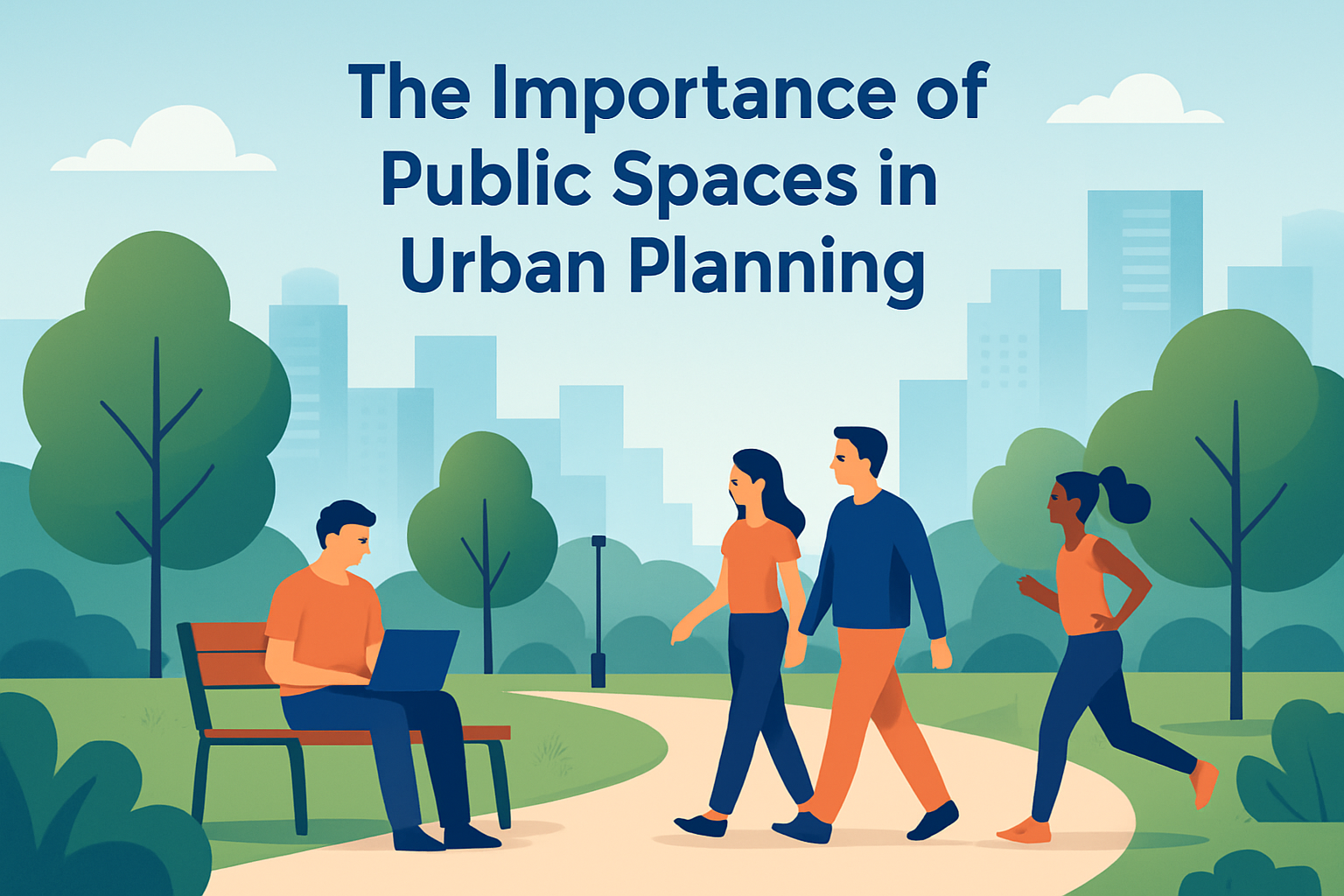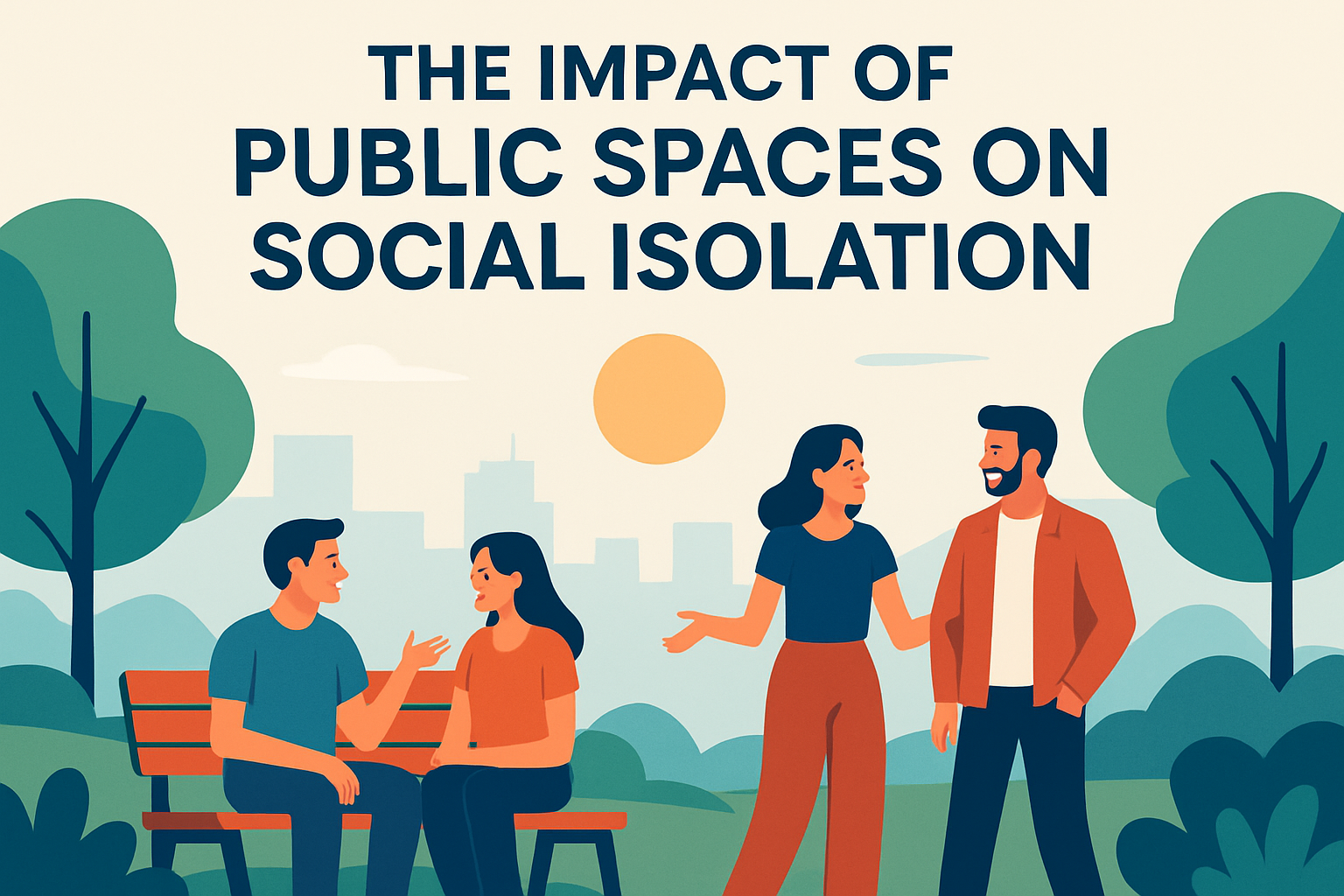
One of the most pressing issues in contemporary urban life is social isolation. As cities grow and the pace of life quickens, individuals often feel disconnected from their communities. While technological advances have facilitated digital connections, many find themselves without a sense of belonging or physical community engagement. Public spaces hold an intrinsic value within urban environments, capable of mitigating social isolation by fostering human interaction and community cohesion. These spaces, whether parks, plazas, or communal structures, are more than just physical locations; they represent opportunities for interaction, creativity, and the reaffirmation of shared cultural identities. So, understanding the impact of public spaces becomes essential for urban planners, policymakers, and citizens alike, as they navigate the complexities of maintaining healthy, interconnected communities in ever-expanding urban landscapes.
The Role of Public Spaces in Enhancing Community Engagement
Public spaces are instrumental in enhancing community engagement by providing venues for social interaction. These spaces allow individuals from diverse backgrounds to come together, share experiences, and develop mutual understanding. Cities like Barcelona have successfully utilized public squares, known as “plazas,” to unite people. These squares often host community events, performances, and open markets, which draw significant crowd interaction. By creating scenarios where residents regularly encounter neighbors and visitors alike, such spaces encourage dialogue and foster a sense of community belonging.
Moreover, public spaces provide the environment where informal conversations and interactions can flourish. In smaller towns, the local park or the main street might serve as the usual gathering spot, echoing social behaviors more effortlessly due to the lesser presence of urban anonymity. These interactions might appear trivial, yet, over time, they build networks, trust, and shared identity, mitigating feelings of isolation.
Public Spaces as Catalysts for Economic Activity
Beyond social benefits, public spaces also serve as catalysts for economic activity. When public spaces host events like farmers’ markets, arts festivals, or concerts, they draw attention and foot traffic to surrounding businesses, creating a vibrant local economy. For example, New York’s Bryant Park exhibits how a well-designed public space can revitalize its surrounding area. Once neglected and underused, the park was redeveloped to host seasonal markets, movie nights, and more, transforming it into a bustling hub that attracts both locals and tourists. The influx of visitors subsequently supported local businesses, enhancing economic vitality.
By boosting the economy, public spaces also alleviate social isolation indirectly, as a thriving local economy often leads to more employment opportunities, better services, and overall improved quality of life, all contributing to a more engaged and cohesive community.
Green Spaces and Mental Well-being
Access to nature and green spaces has demonstrable benefits for mental health and well-being. Parks and gardens provide refuge from urban stressors, offering a tranquil environment conducive to relaxation, reflection, and mental recuperation. The presence of green spaces, surprising as it may seem, plays a crucial role in reducing social isolation. In London’s Hyde Park, a space predominantly known for its beauty and expanse, individuals frequently gather for leisure walks, group exercises, and picnics, facilitating unintentional mingling and social encounters.
The therapeutic impact of nature is well-documented; spending time in such environments reduces stress, anxiety, and depression, which are conditions closely linked to social withdrawal. As green spaces encourage more residents to venture outdoors, they increase the likelihood of social encounters, thereby reinforcing communal ties.
Inclusive Design and Accessibility
For public spaces to combat social isolation effectively, they must be inclusive and accessible to all, including individuals with disabilities, children, and the elderly. Proper design ensures that everyone can participate in communal life without barriers. A practical example can be drawn from Malmö, Sweden, where the “People’s Park” was redesigned to enhance accessibility and inclusivity. Ramps, tactile paving, and clear signage were implemented to make the park accessible for individuals who might otherwise be excluded from conventional public spaces.
When spaces are designed with inclusivity in mind, they send a powerful message of acceptance and integration to community members. This inclusivity cultivates an environment where diverse groups can interact, share experiences, and provide mutual support, thereby reducing feelings of alienation.
The Importance of Safety in Public Spaces
A fundamental aspect of effective public spaces is safety. A sense of safety empowers individuals to freely use these environments without fear of crime or harassment. The creation of a safe public environment encourages more frequent and varied use, opening avenues for social interactions.
For instance, Montreal initiated the “Safe City” project, aimed at enhancing women’s safety in public spaces. By improving street lighting, increasing police presence, and engaging community feedback in urban planning processes, women felt more secure and were more likely to engage in outdoor activities. The presence of diverse populations in public spaces thus fosters more organic interactions, expanding social circles and reducing feelings of isolation.
| Key Feature | Social Impact |
|---|---|
| Community Events | Encourage gathering and interaction |
| Green Spaces | Improve mental well-being and foster engagement |
| Inclusive Design | Enhances participation across diverse groups |
| Safety Measures | Increase usage and social connections |
These key features illustrate how public spaces can be engineered to reduce social isolation while promoting community connectedness.
Public Spaces and Cultural Preservation
Public spaces often serve as custodians of local culture and history. Through the architecture, art installations, and cultural events they host, they engage the community with their cultural heritage. This interaction not only provides a sense of continuity and identity, lowering feelings of estrangement, but also promotes intercultural dialogue among diverse groups.
Consider the example of Kyoto’s Kiyomizu Temple’s grounds. This historical site attracts visitors from different backgrounds who engage with its rich culture and traditions. By facilitating such encounters, public spaces bolster cultural understanding and inclusivity, creating shared experiences that bind individuals collectively.
The Role of Technology in Public Spaces
Though digital technology is sometimes blamed for heightening social isolation by engendering more online than face-to-face interactions, it can also enhance physical public spaces. Smart technologies can seamlessly integrate with urban environments to support community building. In Singapore, “smart benches” equipped with Wi-Fi and charging ports have been installed in parks and public squares. These benches not only attract users eager for connectivity access but also encourage groups to linger, converse, and share ideas.
This technological adaptation makes public spaces modern, attractive, and functional, ensuring that they meet the demands of today’s connected lifestyles while continuing to foster offline interactions that mitigate social isolation.
Challenges of Public Space Management
While public spaces can significantly counter social isolation, managing these spaces poses its own set of challenges. Issues like maintenance costs, vandalism, and balancing commercial and public interests require careful governance to preserve the intended atmosphere of interaction and inclusivity.
For example, in Chicago’s Millennium Park, the local council must constantly address these challenges, ensuring spaces remain welcoming and accessible while also financially sustainable. Overcoming these challenges often involves cooperation between municipal authorities, local businesses, and community organizations working collectively to uphold the space’s vitality and inclusiveness.
Conclusion: Embracing Public Spaces
In summary, public spaces hold immense potential to relieve social isolation through community engagement, economic activity enhancement, mental well-being support, inclusivity, and cultural preservation. By understanding these spaces’ multifaceted roles and investing in their development and maintenance, society can forge stronger, more cohesive communities. For individuals, embracing and utilizing these spaces can contribute to a fulfilling social life, enhancing their sense of belonging and connection.
The benefits of public spaces are numerous, but realizing their potential requires proactive engagement in community dialogue and active participation in civic life. Residents, policymakers, and planners must collaborate to create and sustain environments that promote inclusivity and engagement. Next time you pass a local park or square, consider stopping by, engaging with the activities or people present, and acknowledging how these spaces contribute to both personal and communal well-being.
Frequently Asked Questions
1. How do public spaces help reduce social isolation in urban environments?
Public spaces are essential components of urban living that play a crucial role in connecting people and reducing social isolation. These areas, such as parks, plazas, and community gardens, offer a neutral ground where individuals from diverse backgrounds can come together, engage, and interact. Unlike digital connections that are often impersonal, public spaces provide physical environments where face-to-face interactions can occur, fostering a sense of community and belonging. They encourage spontaneous social interactions, through which people can form meaningful relationships and networks that help counter the feelings of loneliness and detachment associated with modern city life. Moreover, public spaces often host events, workshops, and cultural activities that encourage participation and engagement, further strengthening social ties among community members.
2. What roles do urban planners and city designers play in developing public spaces that combat social isolation?
Urban planners and city designers are pivotal in creating public spaces that effectively address social isolation. Their role involves designing inclusive, accessible, and appealing spaces that invite community members to visit, linger, and interact. They must consider various factors such as location, connectivity, safety, and amenities. For instance, integrating pathways and bike lanes can ensure that these spaces are easily accessible to everyone. They should also focus on creating versatile areas that accommodate diverse activities, from quiet contemplation spots to bustling marketplaces. Thoughtful design includes amenities like seating, shade, lighting, and facilities that enhance comfort and safety. Furthermore, planners should engage with local communities in the design process to ensure the spaces meet the specific needs and aspirations of the residents. By doing so, they create environments that naturally encourage social interaction and inclusivity, making them effective antidotes to social isolation.
3. Can public spaces also positively affect mental health aside from reducing social isolation?
Absolutely, public spaces have a significant impact on mental health beyond their role in reducing social isolation. Interacting with others in vibrant, green environments can improve mood, reduce stress levels, and promote overall psychological well-being. Access to natural elements like plants, water features, and open skies in these spaces provides vital restorative effects, reducing anxiety and enhancing relaxation. Additionally, physical activities such as walking, jogging, or participating in sports within these areas contribute not only to physical health but also to mental clarity and emotional resilience. Furthermore, public spaces offer a respite from the fast pace of urban life, allowing individuals to unwind and reflect. This supports mental health by providing opportunities for solitude and introspection in a safe and welcoming environment, fostering a balance between social engagement and personal time.
4. How do public spaces ensure inclusivity and cater to diverse community needs?
Public spaces are designed with inclusivity in mind, aiming to cater to the broad spectrum of needs within a community. This begins with accessible design principles that ensure all individuals, regardless of age, ability, or socioeconomic background, can enjoy the space. Features such as accessible pathways, ramps, and sensory installations help make these areas welcoming to everyone. Public spaces often incorporate a variety of zones and activities to appeal to different interests and cultural backgrounds. For instance, they might include quiet areas for relaxation, playgrounds for children, sports facilities for athletic activities, and stages for cultural performances. Engaging with community members during the planning process is crucial, allowing for feedback that reflects diverse needs and ensures that the design meets the community’s unique demands. This approach helps create spaces that people feel they have ownership of, encouraging people to use them regularly and feel part of a larger community fabric.
5. What challenges do cities face in maintaining and developing public spaces to prevent social isolation?
While public spaces are instrumental in combating social isolation, cities face several challenges in maintaining and developing them. One significant issue is funding; creating and maintaining public spaces requires substantial financial investment, which is often limited in urban budgets. Finding continuous support for maintenance, safety, and programming can be challenging. Balancing the needs of various community groups and resolving conflicts of use is another difficulty that urban planners encounter. Moreover, as cities grow and land becomes more valuable, there is often pressure to use space for commercial or residential development rather than open public areas. Ensuring security within public spaces while maintaining an open and welcoming atmosphere is also critical and can be difficult to manage. Addressing these challenges requires innovative planning and stewardship, strong community engagement, and, importantly, the political will to prioritize public spaces as integral to societal well-being and urban development.