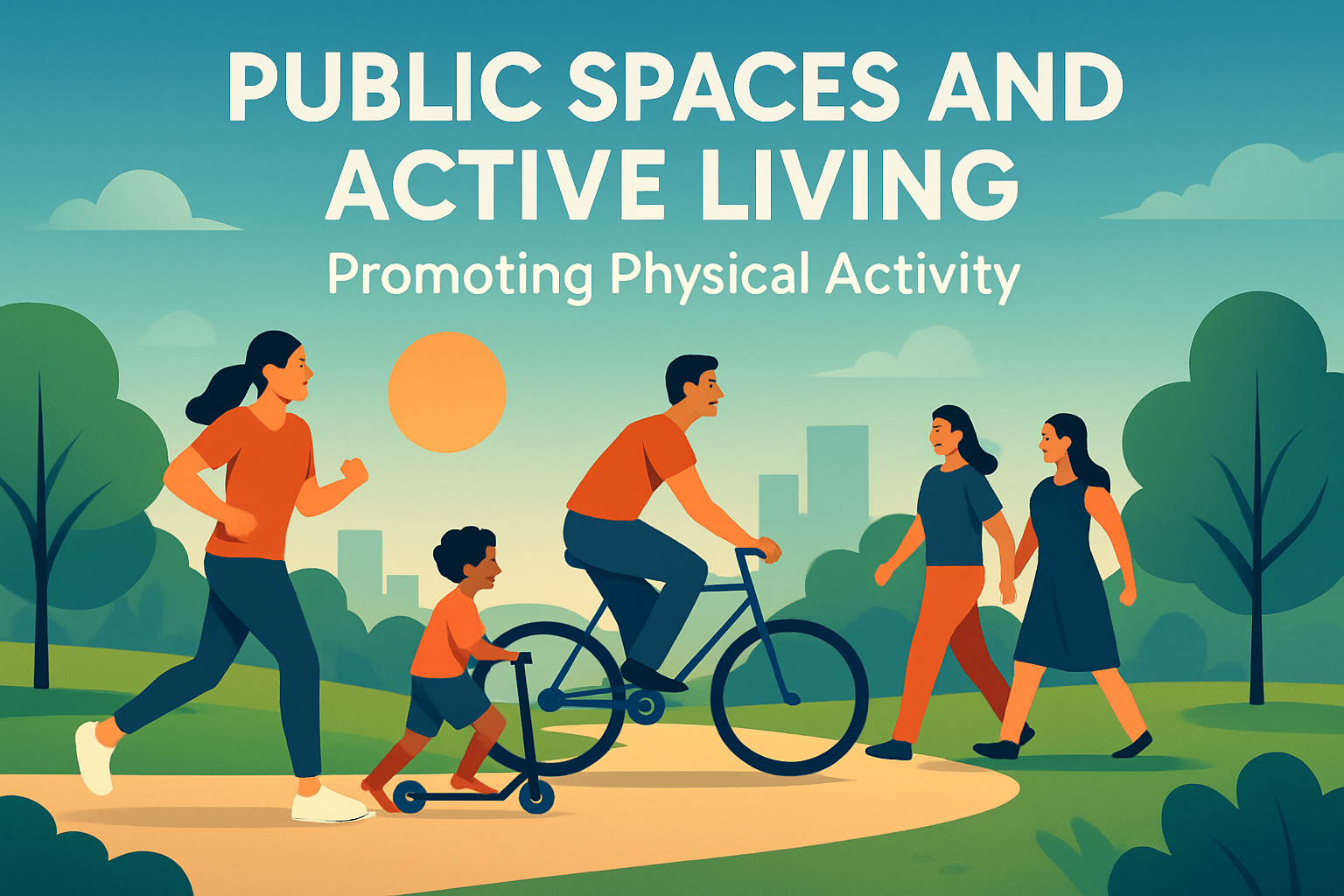
In today’s rapidly urbanizing world, the role of public spaces in enhancing active living is more critical than ever. Public spaces, which include parks, plazas, sidewalks, and other accessible outdoor areas, serve as vital components of urban life by providing people with places to gather, socialize, and engage in physical activities. Active living refers to a lifestyle that incorporates physical activity into daily routines, which is essential for maintaining physical and mental health. This topic matters because, with the increasing prevalence of sedentary lifestyles and associated health issues such as obesity and cardiovascular diseases, creating environments that promote active living can lead to healthier communities and improve quality of life for individuals. Understanding the connection between public spaces and active living allows urban planners, policymakers, and community leaders to design cities that encourage movement and well-being.
The Role of Parks in Encouraging Exercise
Parks are a prime example of public spaces that significantly contribute to promoting physical activity. They provide an accessible venue for exercise, which is essential for people who may lack access to private facilities or gyms. Parks are strategically located within neighborhoods, making them easily accessible and encouraging people to walk, jog, or cycle to these spaces. For example, Central Park in New York City offers extensive trails, open fields, and sports facilities that attract millions of visitors each year, many of whom engage in physical activities ranging from running marathons to casual strolling or practicing yoga. The diversity of facilities available in parks can cater to different interests and abilities, thereby encouraging residents of all ages to indulge in physical activities and enhance overall community health.
Sidewalks: Connecting People to Places
Sidewalks play an integral role in promoting daily physical activities by linking destinations within neighborhoods. They are not just pathways but potential arenas for informal exercise, like walking and biking. Safe and well-maintained sidewalks invite people to explore their surroundings on foot, enhancing their physical activity levels without the conscious effort to “exercise.” A case in point is the city of Copenhagen, Denmark, where extensive and connected sidewalks, coupled with pedestrian-friendly urban planning, have helped establish a culture of walking that significantly contributes to residents’ high physical activity levels. Sidewalks encourage spontaneous actions such as taking the stairs instead of elevators, walking dogs, or exploring local stores, which cumulatively contribute to an active lifestyle.
Integrating Active Transportation into Urban Planning
The integration of active transportation modes, such as biking and walking, into urban planning can significantly boost physical activity among residents. Biking paths and pedestrian-friendly pathways are fundamental to this, providing seamless routes that connect various parts of the city. Cities like Amsterdam in the Netherlands exemplify this approach, having successfully integrated cycling into their transportation systems. Amsterdam’s extensive network of bike lanes facilitates convenient and safe travel, promoting biking as an everyday mode of transportation and minimizing reliance on cars. This integration not only supports physical health but also contributes to environmental sustainability by reducing vehicular emissions, thereby illustrating the multifaceted benefits of active transportation.
Community Design and its Impact on Physical Activity
The design of a community significantly impacts the level of physical activity among its residents. Communities that feature mixed-use developments, where residential, commercial, and recreational spaces are interwoven, naturally encourage walking and biking. A real-world example is the neighborhood of Vauban in Freiburg, Germany, where the thoughtful design discourages car usage through limited parking spaces and traffic-calmed streets while promoting active transportation. Such environments enable residents to meet daily needs within walking or biking distance, integrating physical activity into the rhythm of daily life. This design approach not only increases physical activity but also fosters a stronger sense of community and social interaction among residents.
Inclusive Public Spaces for All Ages
Designing public spaces that are inclusive of all ages and abilities is essential in promoting active living. Accessibility features such as smooth pathways, tactile ground surfaces, and seating areas enhance comfort and usability for elderly individuals or those with disabilities. This inclusivity ensures that everyone, regardless of age or ability, can participate in physical activities and enjoy public spaces. The city of Singapore exemplifies this through its Aging-Friendly City Plan, which includes parks with barrier-free designs and comfortable benches, allowing seniors to engage in light exercises such as tai chi or walking. Inclusive designs enrich community life by providing equitable opportunities for physical activity, thereby supporting a healthier population.
Public Spaces and Social Interaction
Public spaces not only facilitate physical activity but also serve as hubs for social interaction, which can indirectly promote active living. Social cohesion and the presence of informal social networks can motivate individuals to engage in group physical activities, such as community sports teams or walking clubs. For instance, on the San Francisco waterfront, Piers 1 through 5 have been transformed into vibrant public spaces where residents gather for various social and exercise activities. This environment encourages participation in physical activities, motivated by the enjoyment of social connection and sense of community. The blend of social and physical activities enriches urban life and enhances overall well-being.
To better illustrate the topic, see the breakdown below on how different features of public spaces contribute to active living:
| Feature | Contribution to Active Living |
|---|---|
| Parks | Provide spaces for jogging, walking, sports, and recreational activities. |
| Sidewalks | Encourage walking and cycling by connecting destinations. |
| Bike Lanes | Facilitate safe and efficient cycling as a mode of transport. |
| Community Design | Promote a lifestyle integrated with exercise through mixed-use developments. |
| Inclusive Features | Ensure accessibility for people of all ages and abilities, enhancing activity levels. |
Overcoming Challenges to Active Living
While public spaces play a crucial role in promoting active living, there are challenges to be addressed. Urban sprawl, lack of funding for park maintenance, and safety concerns can deter the utilization of these spaces. Ensuring adequate lighting and security measures in public areas can enhance safety and accessibility, encouraging more people to engage in outdoor physical activity. Additionally, community involvement and advocacy for public space development and maintenance can play a critical role in overcoming these challenges. For example, public-private partnerships in cities like Los Angeles have resulted in revitalized parks and increased community engagement in maintaining these spaces, ensuring their long-term viability as active living resources.
Policy Framework: Supporting Active Living
Government policies and urban planning decisions can significantly influence the availability and quality of public spaces for active living. Policies that prioritize pedestrian-friendly urban design, allocation of green space, and infrastructure investment are crucial for promoting physical activity among residents. For example, the Swedish city of Gothenburg has implemented policies that prioritize pedestrian areas and promote sustainable transportation, emphasizing the development of parks and recreational facilities. These policies have contributed to a high quality of life and have encouraged active lifestyles among residents. Effective policy frameworks can lead to the creation of supportive environments that make active living an effortless part of daily life.
Future Directions for Public Spaces and Active Living
As cities continue to grow, the role of public spaces in promoting active living becomes increasingly vital. Future urban planning must address the needs of diverse populations and incorporate innovative designs that encourage physical activity. The integration of technology, such as fitness apps linked to public space amenities or augmented reality trails, can further enhance the attraction and use of these areas. Urban initiatives that prioritize green infrastructure and community engagement will be key to developing resilient and active communities. By investing in the continual improvement and adaptation of public spaces, cities can ensure sustainable active living environments that support health and well-being for generations to come.
Conclusion: Embracing Public Spaces for Healthier Communities
The intricate relationship between public spaces and active living underscores the importance of thoughtful urban planning and community involvement. By creating environments that encourage physical activity, cities can foster healthier populations and enhance quality of life. Key takeaways include the significant role parks, sidewalks, and active transportation play in promoting exercise and the need for inclusive and accessible designs. The examples from cities globally illustrate the positive impact that well-designed public spaces can have on fostering active communities. It is crucial for individuals, communities, and policymakers to prioritize the development and use of these spaces to support physical and mental health. As we move forward, embracing public spaces as integral to active living will pave the way to vibrant and healthier communities. Let us take a step towards advocating and utilizing our public spaces for both personal well-being and community health. Encourage changes by participating in local planning discussions and supporting initiatives that prioritize active living through public space enhancements. Together, we can build a future where active lifestyle flourishes in every neighborhood.
Frequently Asked Questions
1. What is the significance of public spaces in promoting active living?
Public spaces play an indispensable role in advocating for active living by providing accessible and inviting areas where individuals can engage in various forms of physical activity. In our fast-paced, urban environments, these spaces offer a respite from the commotion of everyday life and present opportunities for exercise and social interaction that are crucial for the overall well-being of communities.
Parks, open plazas, walking trails, bike paths, and recreational facilities encourage people to incorporate more physical movement into their daily routines. They make exercising more enjoyable and accessible, reducing barriers such as high costs often associated with gym memberships or organized sports. Public spaces also contribute vastly to community connections by serving as common grounds where people of all ages and backgrounds can come together, fostering an inclusive environment that motivates physical activity while simultaneously promoting social well-being.
Moreover, these spaces have environmental benefits. They help in creating healthier and aesthetically pleasing urban environments, which in turn motivate more people to spend time outdoors and engage in physical activities. The presence of trees, gardens, and water features can improve air quality and reduce stress, further promoting a healthy lifestyle.
2. How can urban planning contribute to enhancing active living through public spaces?
Urban planning is crucial in designing cities that promote active living via well-thought-out public spaces. Planners need to consider accessibility, safety, and connectivity when designing these spaces to ensure they are effectively used by the public. By strategically placing parks, trails, and recreational facilities throughout a city, urban planners can make it easier for residents to incorporate physical activity into their daily lives.
A well-designed city includes multiple forms of transportation that complement pedestrian paths and cycling routes. This encourages people to walk or bike, rather than drive, to their destinations. Mixed-use developments that integrate residential, commercial, and recreational areas further support active living by reducing the need for long commutes and making active transportation options more viable.
Safety is another crucial aspect: well-lit pathways, visible signage, and clearly marked crosswalks improve user experience and encourage more people to use these spaces. Incorporating public art and interactive structures can also enhance the aesthetic appeal of spaces, drawing more visitors and becoming focal points for engagement and community activities.
3. What are the health benefits associated with active living in public spaces?
Active living yields a multitude of health advantages, both physical and mental. Regular engagement in physical activities, fostered by accessible public spaces, helps maintain a healthy weight, reduce the risk of chronic diseases such as cardiovascular disease, diabetes, and certain types of cancer, and improves overall physical fitness.
In addition to physical health benefits, active living greatly contributes to mental health. Engaging in activities like walking, cycling, or participating in sports can lead to reduced symptoms of anxiety, depression, and stress due to the release of endorphins and other neurotransmitters during exercise. Exposure to nature within public spaces has been shown to improve mood and cognitive function, contributing to psychological resilience.
Social interactions in public spaces also enhance emotional well-being. By participating in group activities or simply sharing physical space with others, individuals can experience a sense of belonging, reduce feelings of isolation, and build supportive networks, all of which are important for mental health.
4. How can communities make public spaces more attractive and appealing for active living?
Communities can enhance the attractiveness and usability of public spaces by focusing on inclusive and multifaceted design approaches that cater to diverse user needs and preferences. One approach is the incorporation of multi-use trails and paths that can accommodate a variety of activities like walking, jogging, cycling, and rollerblading.
Landscaping and the integration of green spaces, such as gardens and tree-lined boulevards, can greatly increase the visual appeal and comfort of these areas, encouraging people to spend more time outdoors. Installing public art, seating areas, water features, and play equipment makes these spaces appealing for families and people of all ages.
Hosting regular events and community activities in these spaces can also increase their attractiveness. Pop-up markets, outdoor yoga classes, festivals, and sports tournaments bring life to these areas and encourage diverse community members to take part and invest their time in public spaces. Effective maintenance and cleanliness are equally important to ensure that the spaces remain inviting and safe for all users.
5. What challenges do cities face in promoting active living through public spaces?
Despite the clear benefits of active living, cities face several challenges in promoting it through public spaces. One of the primary hurdles is funding. Creating, maintaining, and upgrading public spaces demand considerable investments, and in many cases, city budgets are insufficient to address all needs. Partnerships with private entities or community organizations can sometimes alleviate this problem but require careful planning and execution.
Space limitations, especially in densely populated urban areas, present another challenge. Balancing the need for public spaces with demands for residential and commercial development often leads to conflicts of interest. Innovative planning solutions, like repurposing underused spaces or creating vertical parks, are sometimes necessary to overcome these constraints.
Encouraging residents to change their behavior and adopt more physically active lifestyles is another significant challenge. Many people rely on personal vehicles for transportation or lack awareness and motivation to utilize public spaces for active living. Educational campaigns, community initiatives, and incentive programs can help foster a culture of active living but require consistent effort and support from local governments and organizations.