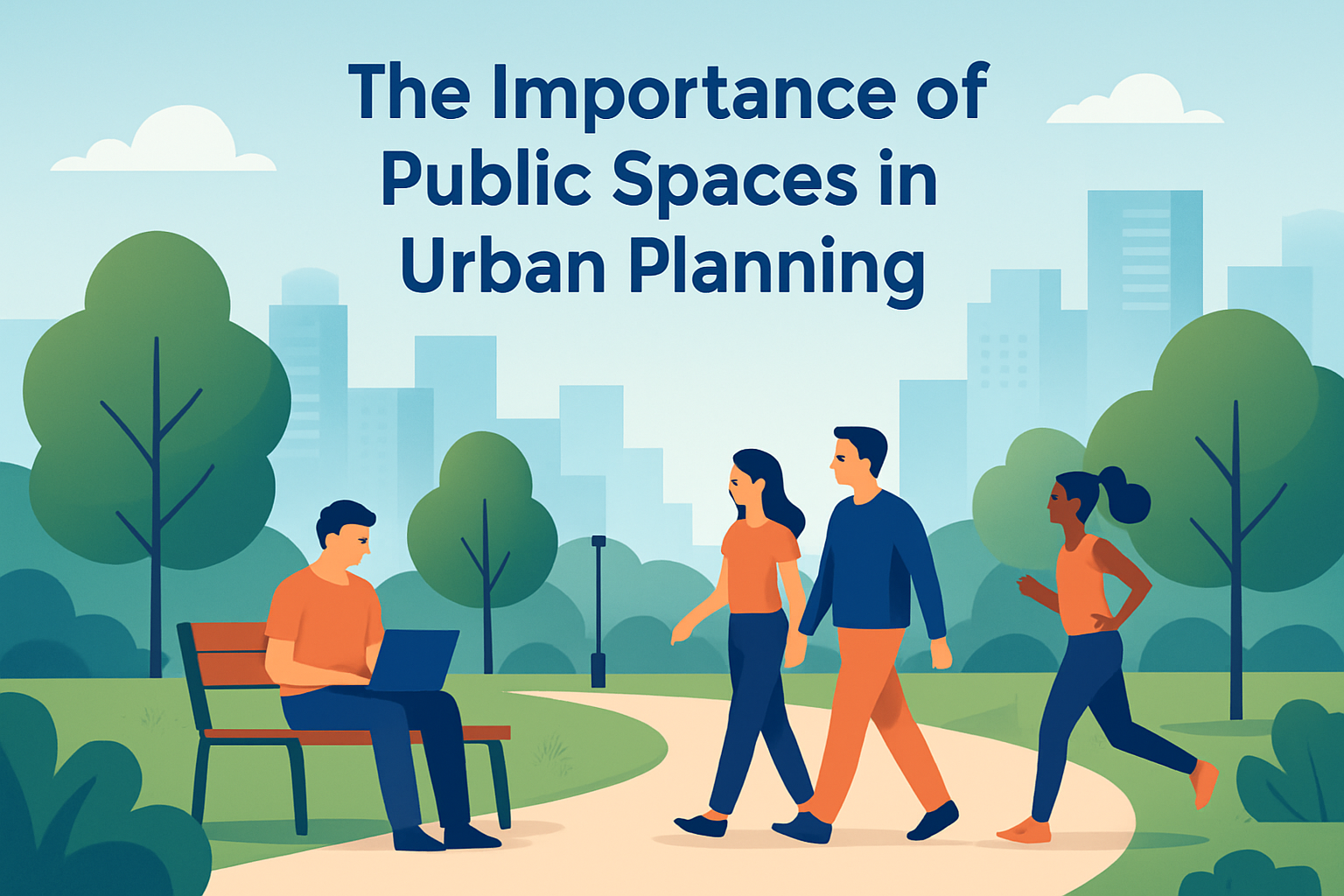
In recent years, there has been an increasing focus on the design and development of multifunctional public spaces. These are areas that are strategically designed to serve multiple purposes, accommodating a variety of activities and meeting different community needs. The relevance of this concept stems from the growing urbanization of our world, which has led to increased population density, limited available land, and a demand for innovative solutions that maximize the utility of public spaces. Multifunctional public spaces are crucial as they promote social interaction, environmental sustainability, and economic vitality. By fostering these elements, cities can ensure that their public areas are not only aesthetically pleasing but also serve as vital hubs for community engagement and development. This article delves into the intricacies of designing multifunctional public spaces, providing insight into various aspects and real-world examples that demonstrate their impact.
Understanding the Core Principles of Multifunctional Design
When contemplating the creation of multifunctional public spaces, it is imperative to begin with a strong understanding of core design principles. A fundamental aspect is flexibility, which allows a space to adapt to different activities and events over time. Flexibility can be achieved through movable furniture, modular elements, and open layouts. For instance, Bryant Park in New York City exemplifies this principle by offering movable chairs and tables that audiences can configure for various uses, from work to leisure. This versatility ensures that the park remains a bustling hub regardless of the season or time of day.
Moreover, multifunctional public spaces should incorporate inclusivity, ensuring that they are accessible and welcoming to individuals of all ages, abilities, and backgrounds. This can be seen in the design of Millennium Park in Chicago, which offers features such as wheelchair-accessible paths, sensory-friendly activities, and events catering to diverse cultural groups. Such thoughtful design fosters a sense of belonging and encourages broader community participation.
The Role of Green Infrastructure
A critical component of multifunctional public spaces is the integration of green infrastructure, which refers to natural and semi-natural elements that provide ecological benefits. Green infrastructure not only enhances the aesthetic appeal of public spaces but also contributes to environmental sustainability by improving air quality, regulating temperature, and promoting biodiversity. Consider the High Line in New York City, a prime example of repurposing an abandoned railway into a green urban park. This project demonstrates how green infrastructure can transform underutilized areas into thriving ecosystems, attracting locals and tourists alike while mitigating urban heat island effects.
In addition, green infrastructure can play a role in stormwater management, reducing flood risks, and supporting urban wildlife habitats. The Cheonggyecheon Stream in Seoul, South Korea serves as an inspiring example of how incorporating waterways and plant life into urban centers revitalizes neglected areas, improves urban microclimates, and enhances ecological sustainability.
Social Interaction and Community Building
Multifunctional public spaces are vital for fostering social interaction and community cohesion. These spaces act as communal gathering points where individuals can come together, engage in activities, and participate in cultural experiences. For instance, public plazas, like Madrid’s Plaza Mayor, serve as arenas for concerts, markets, and cultural festivals, making them vibrant centers of community life. Designing for social interaction involves creating inviting environments where people feel comfortable, safe, and encouraged to connect with one another.
Strategies for enhancing social interaction include the incorporation of seating arrangements that facilitate conversation, the provision of communal tables, and the inclusion of play areas for children. Additionally, hosting regular events, workshops, and performances can promote community engagement and strengthen neighborhood ties.
Economic Impact and Urban Vitality
Investing in multifunctional public spaces can have profound economic benefits for cities. These spaces can increase local property values, attract businesses, and boost tourism revenue. By offering versatile venues for commercial activities, such as pop-up markets and food festivals, multifunctional spaces can stimulate local economies and provide opportunities for entrepreneurs. The transformation of Seattle’s Pike Place Market into a dynamic public space illustrates the economic potential of well-designed multifunctional areas, as it attracts millions of visitors annually, contributing significantly to the city’s financial health.
Such developments can also play a role in revitalizing declining neighborhoods, attracting investment, and enhancing urban vitality. The regeneration project at Granary Square in London’s King’s Cross has proven successful in transforming a neglected industrial area into a prosperous locale with retail, dining, and cultural offerings integrated into its public spaces.
Real-World Examples and Success Stories
To further illustrate the success of multifunctional public spaces, consider the following examples:
- Riverside Park, Melbourne, Australia: This park includes sports facilities, playgrounds, picnic areas, and wetlands, supporting an array of activities that appeal to diverse community interests.
- Divercity Square, Johannesburg, South Africa: An urban renewal initiative that offers a combination of residential, retail, and recreational spaces, providing a holistic living experience.
- Queens Park, Toronto, Canada: A vibrant urban landscape featuring public art installations, outdoor performance spaces, and interactive exhibits, harnessing the power of art to engage and inspire the public.
These examples underscore the potential of multifunctional public spaces to revolutionize urban landscapes and improve quality of life for residents.
Challenges and Considerations in Multifunctional Space Design
Despite their many benefits, designing multifunctional public spaces presents unique challenges. One major consideration is balancing competing priorities, such as commercial interests, environmental concerns, and community needs. To achieve this, planners must engage in inclusive dialogues with stakeholders, including local residents, business owners, and environmentalists. This collaborative approach ensures that the diverse needs and perspectives are taken into account, resulting in spaces that reflect the community’s identity and aspirations.
Another challenge lies in ensuring the sustainability and longevity of these spaces. Regular maintenance, adaptive management, and funding resources are critical to preserving their functionality and vibrancy. Innovative financing mechanisms, like public-private partnerships, can provide the necessary support for maintaining and enhancing these spaces over time.
Leveraging Technology for Enhanced Experiences
The incorporation of technology can play a transformative role in enriching the experiences within multifunctional public spaces. Technologies such as smart lighting, interactive kiosks, and augmented reality can enhance the usability and accessibility of these areas. For example, smart benches equipped with solar charging stations and Wi-Fi connectivity can cater to the modern digital needs of the public while promoting sustainable energy use.
Furthermore, implementing tools like mobile apps and digital platforms can facilitate real-time engagement, offering users information about events, amenities, and services available within the space. The Singapore cityscape exemplifies this trend, with urban areas equipped with digital innovations aimed at enhancing user experience through technology-driven solutions.
Summarizing the Impact and Next Steps
In conclusion, designing multifunctional public spaces carries significant potential to transform urban environments, offering a holistic approach to address the diverse needs of communities. By integrating flexibility, inclusivity, green infrastructure, and opportunities for social interaction, cities can create vibrant, sustainable, and economically viable places that enrich the lives of their residents. The real-world examples and strategies highlighted in this article serve as an inspiration for urban planners, architects, and policymakers seeking to enhance their cityscapes.
As a call to action, stakeholders are encouraged to engage in active dialogues, share insights, and collaborate on innovative projects tailored to their unique contexts. By championing the principles of multifunctional design, cities can foster environments that are not only functional but also culturally and socially enriching, ultimately contributing towards healthier, more connected communities. The journey towards this transformative design approach begins with thoughtful planning, creative exploration, and steadfast commitment to holistic urban development.
Frequently Asked Questions
1. What exactly are multifunctional public spaces?
Multifunctional public spaces are designed environments that aim to serve multiple purposes within a single area. These spaces are carefully planned to accommodate various activities, providing users with flexible options for use. The concept focuses on maximizing the utility of limited urban spaces by integrating a variety of functions such as recreation, social gatherings, events, and even ecological benefits into a single, cohesive design. The idea is to enhance accessibility, promote community interaction, and cater to diverse needs and preferences by offering a wide range of facilities within the same location. For instance, a park can be designed to include areas for sports, playgrounds for children, open-air theaters, and even community gardens, all in one interconnected space.
2. Why is the concept important in today’s urban planning?
The importance of multifunctional public spaces in urban planning is rising due to several critical factors. As urban areas continue to grow, the challenges of increasing population density and limited land resources become more pressing. Designing spaces that can fulfill multiple roles helps to make the most efficient use of available land, reducing the need for separately dedicated spaces that serve only a single purpose. Moreover, these spaces support sustainable urban growth by allowing for a more versatile use of resources, providing opportunities for green infrastructure, and often contributing to reducing urban heat, managing stormwater, and improving overall urban biodiversity. Additionally, these spaces foster a sense of community and inclusivity, encouraging a diverse set of users to engage with the environment and with one another, ultimately leading to healthier and more vibrant communities.
3. What are the key elements to consider when designing a multifunctional public space?
When designing a multifunctional public space, several key elements need to be considered to ensure the space effectively meets the intended goals. First and foremost, understanding the needs and desires of the community is crucial. Engaging with community members through surveys, meetings, or workshops can provide insights into what activities and facilities are desired. Accessibility is another critical factor; ensuring that the space is easily reachable by all community members, including those with disabilities, is essential. Flexibility is also key—design elements such as modular furniture, open spaces, and adaptable facilities allow the space to transform based on different uses or the number of people present. Additionally, incorporating natural elements like trees, water features, and native vegetation can enhance the space aesthetically and ecologically. Finally, safety and maintenance should not be overlooked; designing for visibility, using durable materials, and planning for regular upkeep are essential to keeping the space welcoming and functional over time.
4. How do multifunctional public spaces contribute to community well-being?
Multifunctional public spaces contribute to community well-being in numerous ways. They provide venues for physical activities, which can improve health and fitness, as well as places for rest and relaxation, contributing to mental well-being. By accommodating a variety of activities and interests, these spaces encourage diverse groups of people to interact, fostering social connections and community cohesion. They can serve as gathering places for events and celebrations, building a sense of identity and belonging amongst residents. Moreover, these spaces can host educational activities or workshops that contribute to cultural enrichment and lifelong learning. By including natural elements, they offer a respite from the built environment, promoting an improved quality of life through cleaner air, reduced noise pollution, and opportunities for environmental awareness and stewardship. In essence, multifunctional public spaces are not just areas within a community; they are vibrant hubs where health, culture, social interaction, and environment come together to enhance life for all residents.
5. What are some challenges in creating multifunctional public spaces?
Designing multifunctional public spaces comes with its own set of challenges. Balancing the diverse needs of different community groups can be complex; what works for one demographic might not be suitable for another. Ensuring inclusivity and accessibility for all users, especially the elderly, children, and persons with disabilities, requires thoughtful design and planning. The space must also accommodate the variations in use throughout different times of the day or year, and the designs need to be flexible enough to adapt to changes over time. Budget constraints can limit the scope and quality of the project, making cost-effective solutions a necessity. In terms of ecological considerations, integrating natural elements into urban settings requires careful planning to ensure they thrive and do not interfere with the functionality of the space. Achieving harmony between built environments and nature is often challenging but essential for sustainable design. Furthermore, ongoing maintenance and management are required to keep the spaces safe and welcoming, necessitating coordination between various city departments or community organizations. Overcoming these hurdles involves careful planning, consultation, and creative problem-solving.