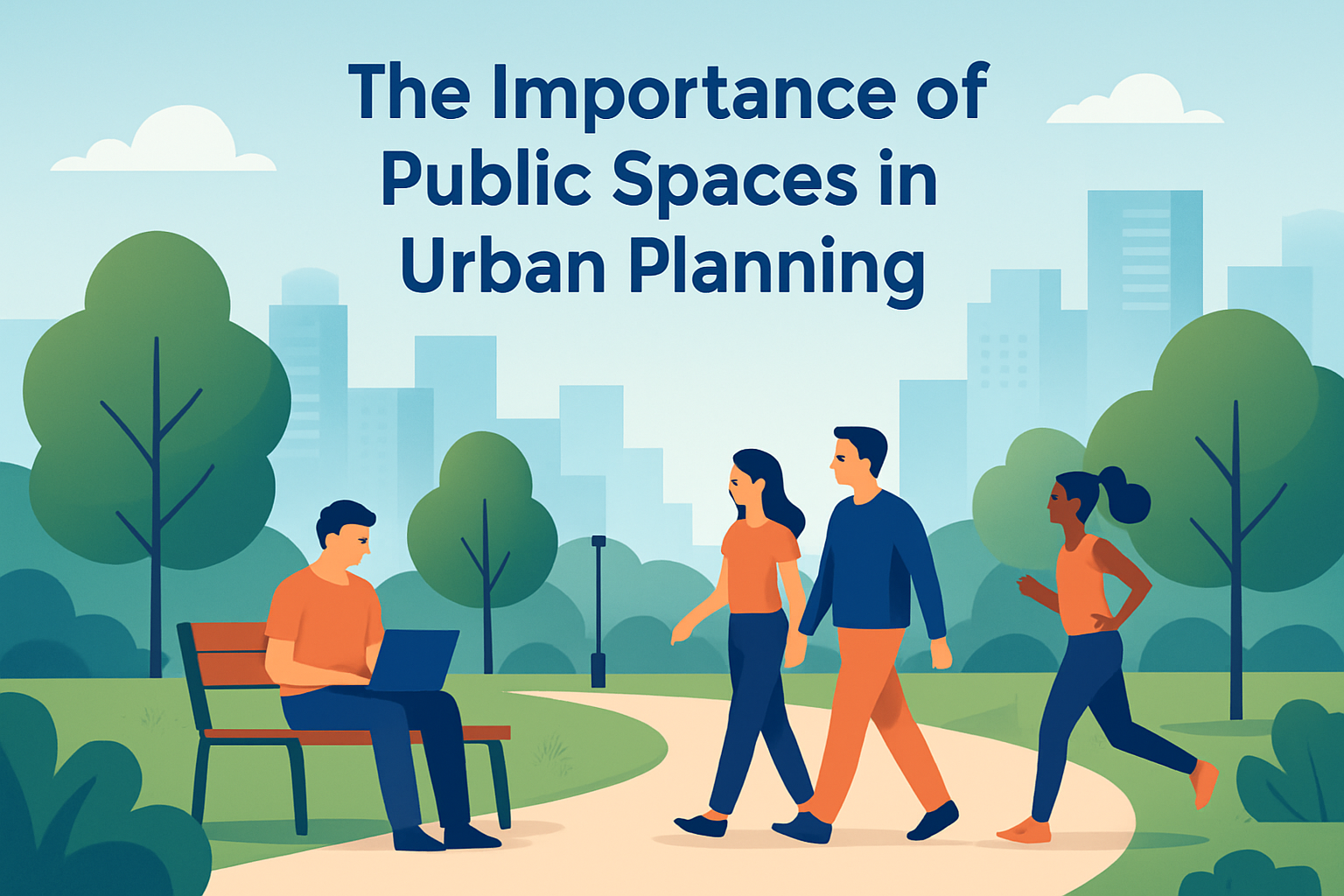
Urban mobility is an essential aspect of city life, intricately connected to the infrastructure and layout of urban environments. One critical component of this infrastructure is public spaces, which significantly influence how people move and interact in cities. Public spaces are areas such as parks, plazas, squares, sidewalks, and streets that are accessible to the public. These spaces serve not only as venues for social interaction but also as crucial conduits for transportation and movement within urban settings. Understanding the intersection of public spaces and urban mobility is vital because it has profound implications for urban planning, quality of life, and the overall efficiency of city living.
With the rapid growth of urban populations, cities worldwide are facing increasing challenges related to congestion, pollution, and the need for sustainable transportation solutions. Public spaces play a pivotal role in addressing these challenges by providing essential pathways, leisure areas, and hubs that can enhance the fluidity of movement and the dynamics of urban mobility. They influence how people choose to move through cities, impacting pedestrianization, cycling, public transportation systems, and even vehicle traffic. Thus, the design, management, and evolution of public spaces can significantly affect the effectiveness of urban mobility networks, making it an important consideration for policymakers, urban planners, and residents alike.
The Role of Public Spaces in Pedestrian Mobility
Public spaces are paramount in enhancing pedestrian mobility, promoting walking as an efficient, healthy, and environmentally friendly mode of transport. Well-designed sidewalks, pedestrian paths, and crosswalks within public spaces allow for safe and easy navigation, encouraging more people to walk as part of their daily routine.
A notable example of this impact is seen in Copenhagen, Denmark, where city planners have long prioritized pedestrian spaces as part of their urban design strategy. The city features a network of pedestrian-only zones which have reduced vehicular traffic while simultaneously boosting pedestrian movement, local commerce, and social interaction. This approach aligns with Copenhagen’s vision of becoming a carbon-neutral city, demonstrating how the enhancement of public spaces for pedestrian mobility can contribute to broader environmental goals.
- Improved health due to increased walking
- Reduction in vehicle emissions
- Increase in social cohesion
- Boost to local economy through pedestrian access
By prioritizing pedestrian-friendly public spaces, cities create a more welcoming environment for walking, which can lead to a reduction in car dependency and contribute to more sustainable urban living.
Public Spaces and Cycling Infrastructure
Cycling, like walking, benefits greatly from well-planned public spaces that integrate dedicated bike paths and lanes. These infrastructures facilitate safe and efficient cycling, promoting it as an alternative to car travel and contributing to a reduction in urban congestion and pollution.
Amsterdam is a prime example of a city that has successfully incorporated cycling routes into its public spaces. With networks of cycle paths extending throughout the city, Amsterdam offers superior accessibility and safety for cyclists. As a result, cycling has become not only a popular means of transport but also a significant part of the city’s cultural identity.
Additionally, the presence of public spaces dedicated to cycling has influenced urban mobility by encouraging more residents to adopt cycling over driving. This transition supports an eco-friendly transportation model, reduces traffic congestion, and improves public health.
Public Transport and Its Integration with Public Spaces
Public spaces are integral to the efficient operation of public transport systems. Stations, bus stops, and terminals located within or adjacent to well-designed public spaces provide convenient access points and waiting areas for commuters.
An excellent illustration of this integration is the city of Curitiba in Brazil. Known for its innovative bus rapid transit (BRT) system, Curitiba’s urban design strategically combines public spaces and transport access points, allowing for seamless movement between different modes of transportation. This design minimizes transit times, improves convenience, and optimizes the overall efficiency of urban mobility.
Moreover, public spaces around transit areas often include amenities such as benches, shelters, and even green areas, enhancing the overall experience of commuters. The thoughtful integration of public spaces with public transport infrastructure encourages broader usage of public transit systems, contributing to decreased traffic congestion and reduced environmental impact.
The Influence of Public Spaces on Vehicle Traffic
While public spaces aim to promote non-vehicular mobility, they also play a significant role in managing vehicle traffic. By designing roadways that accommodate both pedestrians and cyclists and incorporating green spaces and plazas, urban planners can effectively balance the needs of different modes of transport.
A noteworthy approach to this is seen in New York City, where the transformation of Times Square into a pedestrian plaza has redefined traffic flow throughout the area. This initiative not only reduced vehicular traffic but also increased pedestrian activity, turning a congested traffic hub into a bustling social and commercial space.
| Impact | Example |
|---|---|
| Reduced Traffic Congestion | Car-Free Zones in Paris |
| Enhanced Public Safety | Piazza del Campo in Siena |
| Increased Economic Activity | Las Ramblas in Barcelona |
Through careful planning and implementation of public spaces, cities can manage vehicle use effectively, optimizing urban mobility while fostering environments that prioritize pedestrian and cyclist needs.
Sustainable Urban Development Through Public Spaces
The integration of public spaces in urban mobility planning is crucial for promoting sustainable urban development. Well-designed public spaces encourage the use of eco-friendly transportation options such as walking, cycling, and public transit, reducing reliance on automobiles.
A sustainable example can be seen in Freiburg, Germany, where the implementation of integrated public spaces has significantly contributed to a reduction in car dependency. Freiburg has successfully created an urban environment where public spaces facilitate easy access to trams, bikes, and pedestrian paths, promoting a sustainable model of urban living that reduces carbon emissions.
This approach not only benefits the environment but also enhances the overall quality of life for residents by providing accessible, safe, and enjoyable modes of transportation. Public spaces, therefore, play a critical role in creating urban landscapes that are both sustainable and conducive to vibrant communities.
The Impact of Public Spaces on Social Interaction and Urban Cohesion
Beyond facilitating movement and transportation, public spaces serve as venues for social interaction and public life, fostering community and urban cohesion. When people gather, communicate, and connect in these spaces, they strengthen the social fabric of cities.
For instance, Millennium Park in Chicago has become an iconic public space that not only enhances urban mobility through its accessibility but also acts as a cultural and social hub for the city. With open areas for festivals, concerts, and events, it attracts millions of visitors annually, promoting social engagement and community well-being.
By enabling interactions across diverse groups, public spaces improve social ties and community resilience, creating inclusive environments that support the dynamic nature of modern urban life. This illustrates the broader societal impact that well-designed public spaces can have on urban populations.
Conclusion: Harnessing the Potential of Public Spaces for Improved Urban Mobility
Public spaces are integral to the fabric of urban life, serving as critical elements that enhance urban mobility and support diverse transportation needs. By facilitating pedestrian walkways, cycling paths, efficient public transport access, and even influencing vehicle traffic, public spaces contribute to more sustainable, efficient, and inclusive cities.
The examples of cities such as Copenhagen, Amsterdam, Curitiba, and New York City highlight how well-planned public spaces can transform urban mobility, reduce reliance on cars, improve environmental sustainability, and foster social interaction. These cities serve as models for others aiming to incorporate public spaces into their urban mobility strategies.
For policymakers, urban planners, and residents, the key takeaway is clear: the thoughtful integration and design of public spaces can significantly enhance urban mobility, contributing to healthier, more vibrant, and resilient cities. As we strive to address global urban challenges, capitalizing on the potential of public spaces will be essential in shaping the cities of the future.
To take action, communities can advocate for greater investment in public spaces, encourage participatory urban planning, and support policies that prioritize sustainable and inclusive mobility solutions. By focusing on the role of public spaces in urban mobility, we can unlock new opportunities for improving the quality of life in our cities.
Frequently Asked Questions
1. How do public spaces influence urban mobility?
Public spaces play a pivotal role in shaping urban mobility by providing essential connective pathways and environments that facilitate movement and access throughout a city. These spaces include sidewalks, streets, parks, and squares, all of which support various modes of transportation such as walking, cycling, and transit. By promoting equitable access to these fundamental urban arteries, cities can ensure a harmonious flow of people, minimizing congestion and increasing efficiency.
When public spaces are well-designed, they can promote walking and bicycling by being safe and attractive, encouraging individuals to opt for more sustainable modes of transport. This, in turn, alleviates pressure on public transit systems and road networks. Additionally, thoughtfully distributed public spaces can decrease travel time and distance, effectively connecting neighborhoods, reducing the need for long commutes, and fostering more vibrant, active communities.
2. What impact do poorly designed public spaces have on urban mobility?
Poorly designed public spaces can severely hinder urban mobility by creating barriers to efficient movement. For instance, if sidewalks are narrow, uneven, or non-existent, they can discourage walking and make it challenging for people with disabilities or strollers to navigate. This can lead to increased reliance on cars, further exacerbating traffic congestion and diminishing air quality in urban areas.
Likewise, public spaces that do not accommodate cyclists through safe bike lanes or do not provide adequate shading and seating areas can discourage people from choosing active transportation. Without these supportive features, cities may experience a decline in pedestrian and cyclist engagement, leading to more crowded roads and public transit systems. An overlooked design also often results in disconnected spaces, making transport routes longer and more complicated than necessary.
3. How can cities enhance urban mobility through public space improvements?
Cities can significantly enhance urban mobility by redesigning and revitalizing public spaces to prioritize accessibility, comfort, and safety. Incorporating wide, well-maintained sidewalks with sufficient street lighting and greenery makes walking more pleasant and encourages higher foot traffic. Introducing dedicated bike lanes that feel safe and are seamlessly integrated with roads can motivate more people to cycle.
Another strategy is to create pedestrian-only zones in congested areas, reducing vehicular traffic and making the streets safer and more pleasant for people on foot. Public spaces can also integrate “complete streets” concepts, where infrastructure accommodates all types of users—pedestrians, cyclists, motorists, and transit riders—into a cohesive, efficient system. Features like smart signaling systems for traffic lights and pedestrian crossings can further improve flow and decrease wait times.
For public spaces to contribute effectively to urban mobility, they should be designed inclusively, catering to the diverse needs of city dwellers, considering age, ability, and mode of transportation preferences. This approach can lead to more efficient, sustainable, and lively urban environments.
4. What role do public spaces play in promoting the use of sustainable transportation options?
Public spaces are central to promoting sustainable transportation options like walking, cycling, and public transit. By providing safe, accessible, and enjoyable environments, they support a shift away from car dependence, which is crucial for reducing carbon emissions and improving urban air quality. Public spaces equipped with amenities like bike racks and well-located transit stops encourage people to use these eco-friendly modes.
Moreover, public spaces that connect directly to transit hubs allow for seamless transitions between different forms of transport, making sustainable options more appealing and practical. The presence of attractive public spaces also influences people’s choice of mode; vibrant pedestrian zones with shops, cafes, and leisure activities encourage locals to choose walking or cycling instead of short car trips.
The design and management of public spaces can strategically highlight and prioritize low-impact transportation options, reinforcing the broader goals of sustainability and resilience in urban planning.
5. How do public spaces facilitate social interaction and community engagement in urban areas?
Public spaces are vital for fostering social interactions and building community ties within urban areas. They act as communal havens where residents can gather for leisure, cultural activities, or socializing, which helps build a sense of belonging and community identity. Public spaces like parks, squares, and plazas provide neutral grounds for spontaneous and planned interactions among diverse groups of people.
The presence of public spaces encourages civic engagement through events like farmers’ markets, festivals, and performances, providing opportunities for community members to connect and participate in local culture. Moreover, inclusive public spaces designed with accessibility in mind ensure that all residents, regardless of age or mobility, can participate in community life.
By facilitating encounters with neighbors, public spaces foster networks of social support and create environments where cooperation, trust, and mutual assistance are cultivated. This type of engagement is crucial in creating resilient, resourceful urban communities that thrive socially and economically.