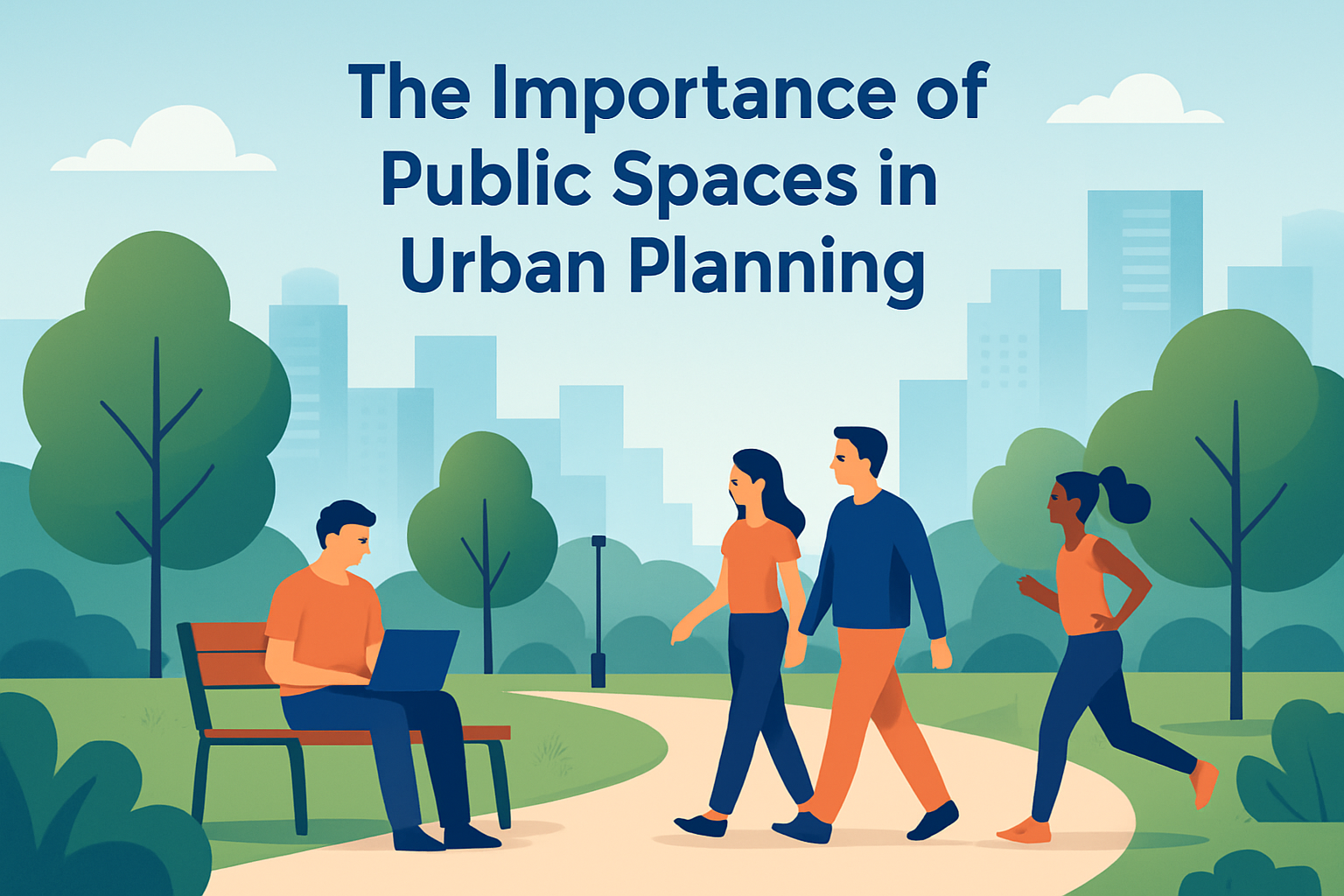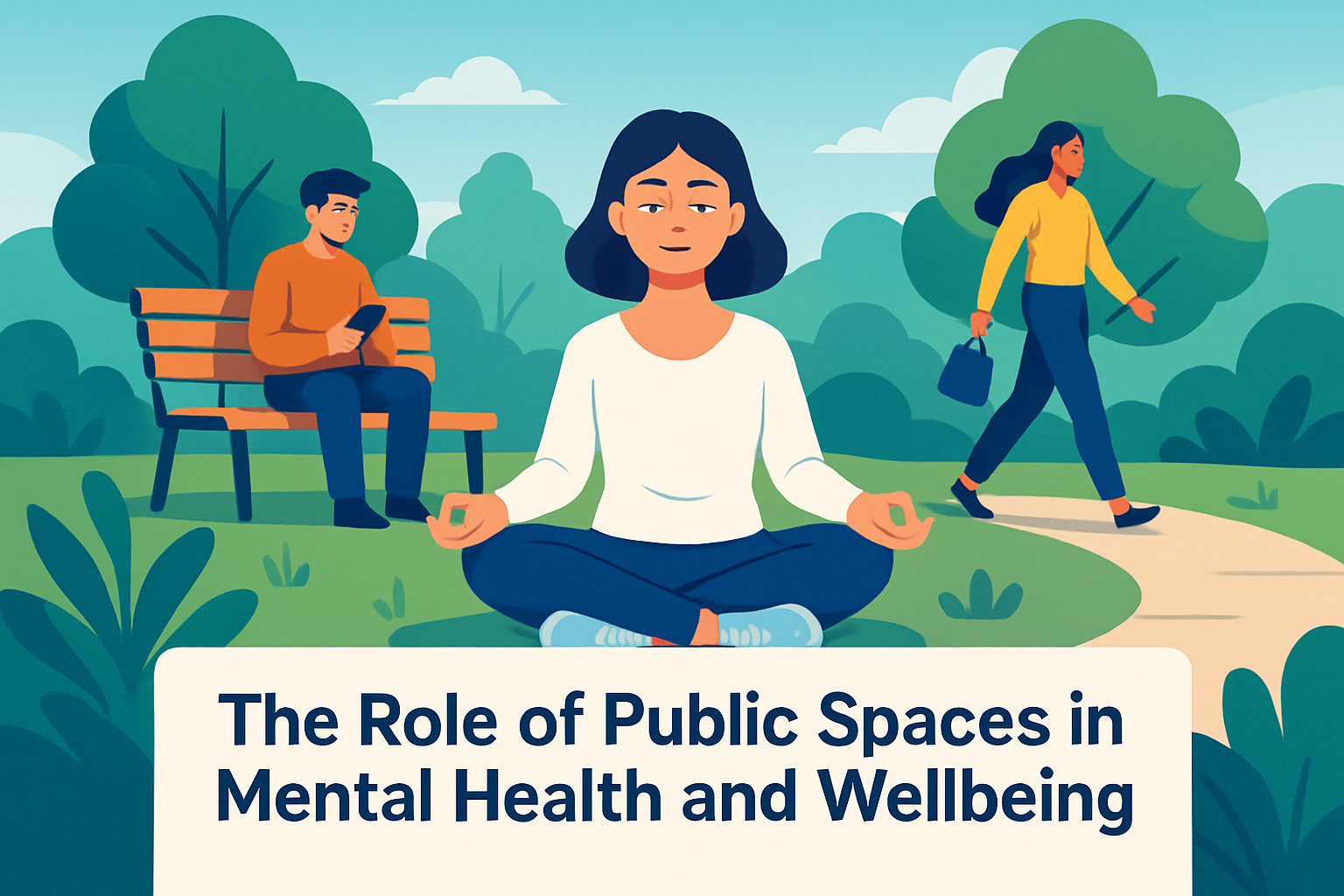
Public spaces serve as the foundation of social interaction, cultural engagement, and community vitality. They are more than mere physical settings; public spaces are the heart of thriving societies, where individuals come together to work, play, and connect. Understanding their impact on mental health and wellbeing—a topic of growing interest among urban planners, public health professionals, and community leaders—renders it clear why public spaces matter to all of us.
Public spaces are defined as those areas that are open and accessible to all people, regardless of socioeconomic or cultural background. These spaces include parks, town squares, gardens, plazas, libraries, and other communal areas where the public gathers. Such spaces play important roles in mental health by providing havens for relaxation, recreation, and – crucially – connection with others. As urban life becomes increasingly hectic and technology increasingly pervasive, the significance of accessible, restful, and communal outdoor areas cannot be understated.
The quality of life in urban areas is greatly influenced by the availability and condition of public spaces. Studies have consistently shown that they can mitigate some of the negative psychological impacts of urban living by reducing stress levels, fostering community ties, promoting physical activity, and offering a venue for cultural expression. These benefits underline the vital role public spaces play in enhancing overall mental health and wellbeing. Yet, not all public spaces are created equal, and their ability to contribute positively to mental health depends on their accessibility, design, inclusivity, and maintenance.
The Psychological Benefits of Green Spaces
Ample research underscores the calming effects of nature, which can prominently be experienced in well-maintained parks and gardens. Green spaces provide a natural environment for exercise and relaxation, which in turn decreases stress, anxiety, and depression levels. Often, simply being in a natural environment is enough to trigger a reduction in stress hormones such as cortisol.
An exemplary case is Central Park in New York City, a sprawling urban oasis nestled amidst a concrete jungle. The park provides more than just a break from the city’s hustle and bustle; it is a haven for recreation, reflection, and community gatherings. Here, locals and tourists alike can find solace among the trees, open fields, and walking trails, highlighting the undeniable mental health benefits of such spaces.
Social Interaction and Community Building
Public spaces offer more than just physical benefits; they are crucial in nurturing social connections. They stand as venues where people of various cultures and demographics converge, forming the backbone of community dynamics. Human beings are inherently social creatures, and the absence of real-world social engagement can lead to feelings of isolation and depression.
Consider the case of Bryant Park—a small but vibrant public space in New York City. Known for its free events, from movie nights to yoga sessions, it draws diverse participants. Here, strangers interact and friendships blossom over shared activities. These interactions stunt social isolation and enhance a sense of belonging, illustrating how well-activated public spaces bolster mental wellbeing.
Promoting Physical Activity
Physical activity is a well-documented antidote to mental health challenges. Public spaces, by providing a setting for exercise, act as catalyst for people to engage in activities that might be both physically energizing and mentally rewarding. Whether it’s cycling through a park, running, or engaging in a spontaneous game of soccer, these activities promote endorphin release, reducing symptoms associated with depression and anxiety.
Singapore’s East Coast Park exemplifies how an outdoor space can enhance residents’ mental and physical health. Stretching over 15 kilometers, it offers a range of sporting facilities in a serene environment. People flock to the park to jog, cycle, play sports, or simply enjoy an ocean-side walk. Consequently, the park serves as a vital asset in nurturing active lifestyles, which correlates with improved mental health.
Access to Art and Cultural Activities
Public spaces also facilitate access to art and cultural activities, enriching community experiences. Art, whether through public sculptures, open-air exhibitions, or performances, stimulates creativity and provides opportunities for reflection and dialogue, which can be incredibly therapeutic.
For instance, Paris’s open-air museums transform the city into a large gallery. These spaces invite people to contemplate art in the open, turning otherwise mundane outings into culturally enriching experiences. In turn, engaging with art has shown to reduce stress, provide a sense of accomplishment, and foster self-expression, elements integral to mental wellbeing.
Design and Accessibility Considerations
The design and accessibility of public spaces profoundly affect their impact on mental health. It is essential these spaces are accessible to all, regardless of age, ability, or socioeconomic status. Elements such as seating, shade, lighting, and safety should be considered to ensure the space can be enjoyed by everyone.
Accessibility considerations are evident in the development of the High Line in New York City. This elevated linear park, built on a disused railway track, is wheelchair accessible and provides ample seating and safety measures, making it an inclusive space. The greenery and art installations along the pathway create a calming environment, demonstrating how thoughtful design contributes to mental health benefits.
| Aspect | Contribution to Wellbeing | Example |
|---|---|---|
| Green Spaces | Stress reduction, relaxation | Central Park, NYC |
| Social Interaction | Community ties, reduced isolation | Bryant Park, NYC |
| Physical Activity | Increased endorphins, emotional health | East Coast Park, Singapore |
| Art and Culture | Stimulates creativity, reduces stress | Open-air exhibitions, Paris |
| Accessibility | Inclusivity, universal access | The High Line, NYC |
Challenges and Considerations for Future Development
While the benefits of public spaces are clear, there are numerous challenges in optimizing them for mental health. Urbanization, limited green areas, the need for maintenance, and funding constraints can hinder the availability and effectiveness of these spaces. Ensuring spaces are inclusive, safe, and able to adapt to changing community needs requires diligent planning and community involvement.
In Melbourne, Australia, the city council has made strides in addressing such challenges by involving the community in planning processes, enhancing green spaces, and integrating technology for better maintenance. This participatory approach enables spaces to evolve with the community’s changing dynamics, ensuring continued relevance and benefit.
Conclusion: Embracing the Power of Public Spaces
Public spaces play an indispensable role in facilitating mental health and wellbeing. They provide habitats where individuals can connect with nature, each other, and themselves. From the calming influence of green landscapes to social interactions and the energizing effects of physical activity, these spaces enrich urban life beyond measure.
The implications for urban design are profound. Creating, maintaining, and improving public spaces requires collaborative efforts among city planners, local governments, and communities. Prioritizing these spaces can significantly enhance mental health for individuals and communities alike. Therefore, the next time you’re feeling overwhelmed, consider seeking refuge in a local public space. Encourage your community and local authorities to value, protect, and invest in these shared sanctuaries. By doing so, we will not only build healthier cities but also forge stronger, more resilient communities.
As a practical next step, engage with your local government or community planning meetings and advocate for the development or improvement of local public spaces. Support initiatives that drive accessibility and inclusivity. Personal and collective actions can lead to environments that not only meet our physical needs but also foster mental wellness and a sense of unity.
Embrace public spaces—they are the everyday balm for mental health and wellbeing.
Frequently Asked Questions
1. What role do public spaces play in enhancing mental health and wellbeing?
Public spaces significantly contribute to enhancing mental health and wellbeing by offering an environment conducive to social interactions, relaxation, and engagement with nature. These spaces provide opportunities for people to escape the confines of their daily lives, reducing stress levels and promoting mental restoration. Whether it’s a park, a plaza, or a communal garden, public spaces foster a sense of belonging and community cohesion, which are crucial for mental health. By offering open-air environments, these spaces help people connect with nature, which has been shown to improve mood, reduce anxiety, and foster a sense of calmness. Furthermore, public spaces are often venues for community events and cultural activities, promoting social interaction and reducing feelings of isolation, which is linked to improved mental wellbeing.
2. How do public spaces serve as a foundation for social interaction?
Public spaces are vital as they act as communal zones where individuals from diverse backgrounds can come together and interact. They serve as gathering spots where community members can engage in spontaneous interactions, thereby fostering social bonds that are essential for a thriving community. Whether in urban or rural settings, these spaces promote inclusivity and provide platforms for cultural engagement, recreational activities, and public discourse. Public spaces like parks, community centers, and markets become convergence points where social life can flourish, enabling individuals to build relationships, develop social networks, and gain a sense of community pride and identity. Such interactions are beneficial for mental health as they provide emotional support and increase an individual’s sense of connectedness.
3. In what ways do public spaces contribute to community vitality?
Public spaces contribute to community vitality by acting as essential hubs for economic activity, cultural expression, and community engagement. These spaces are often used for markets, fairs, and festivals, which not only stimulate the local economy but also bring people together, creating lively, active environments that enhance the overall community spirit. Public spaces also provide venues for public art and cultural performances, fostering a sense of pride and cultural identity among residents. By accommodating various events and activities, these spaces nurture vibrant social ecosystems that encourage community participation and volunteerism, thereby strengthening community ties and social resilience. A vital, active community is one where mental wellbeing is nurtured, as individuals feel more connected and supported in their environment.
4. Can public spaces help alleviate feelings of loneliness and isolation?
Absolutely, public spaces can play a crucial role in alleviating feelings of loneliness and isolation by providing an environment where people can interact and connect with others. Public spaces encourage social inclusivity and can act as neutral grounds where both planned and spontaneous meetings can occur. For many, these spaces offer a sense of routine and purpose, providing opportunities for people to engage in activities, meet new friends, or simply be amidst others, which in itself can significantly reduce feelings of loneliness. They offer a social safety net, especially for vulnerable groups such as the elderly and those living alone, enabling them to join social groups or participate in communal activities, fostering social bonds and reducing isolation.
5. How do public spaces support cultural engagement and community identity?
Public spaces support cultural engagement and community identity by serving as venues for cultural events, performances, and festivals. These events often reflect the diverse cultural fabric of the community, promoting understanding and appreciation of various traditions and heritage. By hosting cultural activities, public spaces become storytellers of community history, helping to preserve valuable traditions while also providing a platform for new cultural expressions. This engagement fosters pride and a sense of belonging among residents, reinforcing their connection to the community. When community members see their traditions reflected in public spaces, it enhances their sense of identity and belonging, which is intrinsically linked to mental wellbeing. Public spaces that prioritize cultural inclusivity and representation contribute to stronger, more cohesive communities.