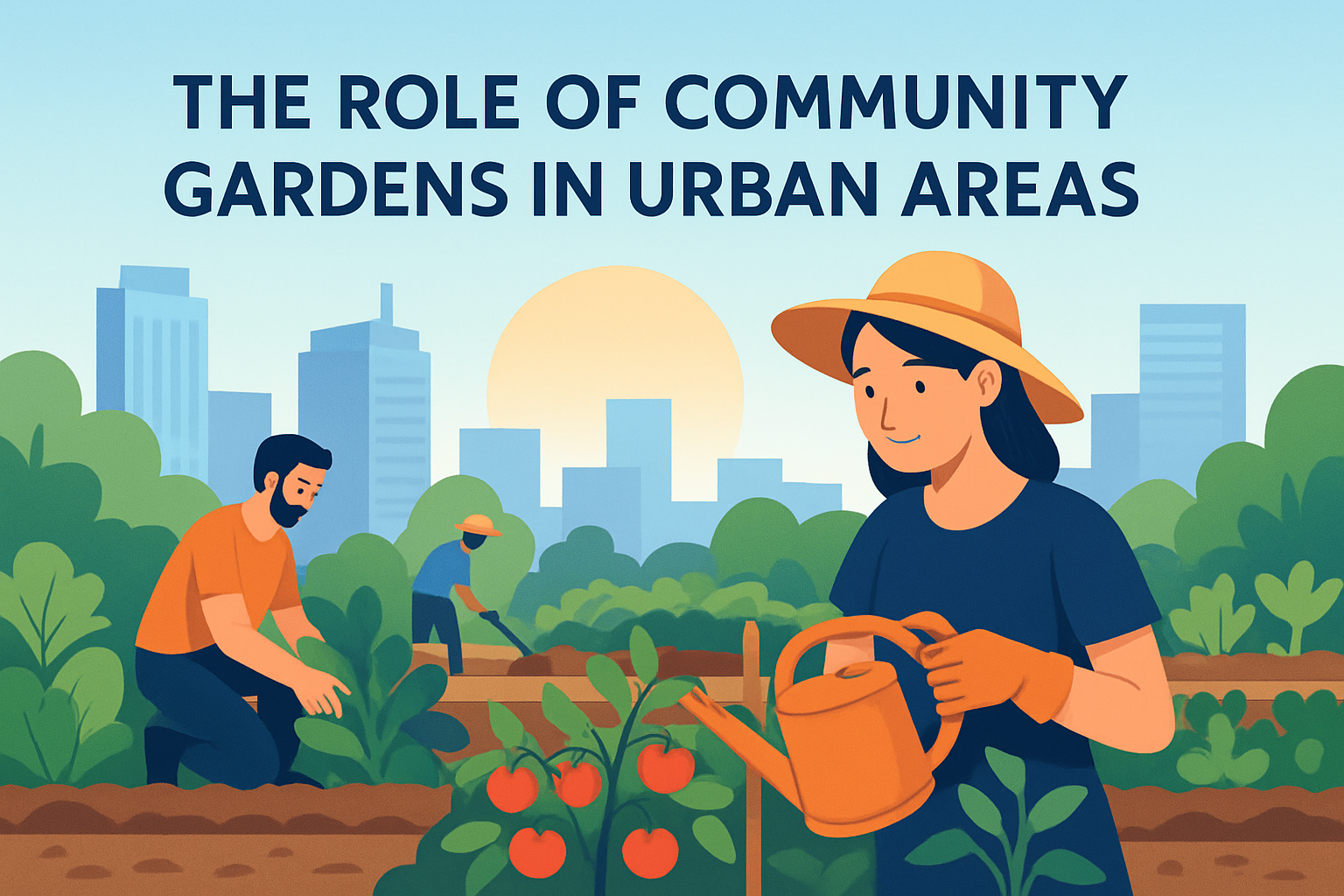
In recent years, urban areas around the world have witnessed a resurgence of interest in community gardens. These spaces, often small patches of land amidst concrete jungles, are not just about growing fruits and vegetables; they hold a profound significance that extends to social, economic, and environmental domains. Community gardens can be defined as collaborative efforts by local residents to cultivate plants in shared spaces. These initiatives are grassroots movements, driven by individuals who recognize the myriad of benefits such gardens bring to urban settings. Understanding their role is essential because they address numerous urban challenges, including food security, mental well-being, and environmental sustainability. As cities continue to grow, integrating green spaces becomes crucial for maintaining quality of life. This article explores the multifaceted role community gardens play in urban areas, highlighting their impact and offering practical insights through real-world examples.
Enhancing Urban Food Security
One of the primary roles of community gardens is to enhance urban food security. As urban populations burgeon, the demand for fresh and affordable produce increases. Community gardens provide a sustainable solution by allowing city dwellers to grow their own fruits and vegetables. This not only reduces the need for expensive supermarket trips but also ensures access to nutrition-dense food that is free from pesticides.
The city of Detroit serves as a compelling example. Over the past decade, Detroit has transformed from a food desert to a city with over 1,500 community gardens and urban farms. These gardens produce vast quantities of fresh produce consumed locally, significantly addressing food insecurity. Additionally, they foster a sense of community as neighbors come together to plant, nurture, and harvest crops.
Promoting Mental and Physical Health
Community gardens are also critical for promoting both mental and physical health. Gardening is a form of exercise that involves various physical activities like digging, planting, weeding, and watering. These activities help in burning calories and improving flexibility and strength.
Beyond physical health, community gardens offer immense mental health benefits. In urban environments filled with stress and noise, these green spaces provide a calming retreat. A study in Philadelphia revealed that community gardening significantly reduced rates of depression and anxiety among participants. Interacting with nature is known to lower cortisol levels, thus reducing stress and promoting overall well-being.
Fostering Social Cohesion and Community Development
Community gardens play a pivotal role in fostering social cohesion. They serve as meeting points where people from diverse backgrounds can connect, share experiences, and work towards a common goal. This interaction strengthens community ties, encourages cooperation, and diminishes social isolation.
An example can be observed in New York City’s Lower East Side, home to numerous community gardens. These gardens offer residents a platform to engage in cultural and social activities, from art projects to potluck dinners. Such interactions transcend barriers of language, age, and culture, creating a unified community fabric.
Supporting Environmental Conservation
Amidst the challenges of urbanization and climate change, community gardens are stepping stones towards environmental conservation. They contribute to urban biodiversity by providing habitats for various species of birds, insects, and other wildlife. The presence of plants aids in improving air quality by absorbing pollutants and carbon dioxide while releasing oxygen.
Moreover, community gardens utilize sustainable practices such as rainwater harvesting, composting, and organic farming. These practices minimize waste and reduce the urban heat island effect, thus mitigating some adverse impacts of urbanization. In Los Angeles, community gardens have been instrumental in educating locals about sustainable living practices and environmental responsibility through workshops and programs.
Boosting Local Economies
Community gardens can have a positive impact on local economies. By reducing the need for transportation and packaging, gardens minimize the carbon footprint associated with food production and delivery. They create opportunities for small-scale commerce as community members sell surplus produce at local farmers’ markets.
In Toronto, the presence of community gardens has led to the emergence of entrepreneurial ventures in related fields, such as organic gardening supplies and eco-friendly landscaping services. These gardens have stimulated economic activity by creating jobs and encouraging investment in local businesses.
Providing Educational Opportunities
Community gardens serve as living laboratories that offer educational opportunities for people of all ages. They provide hands-on learning experiences about agriculture, ecology, nutrition, and sustainability. Schools often use community gardens as an extension of the classroom, allowing students to engage with the natural world and learn valuable life skills.
In San Francisco, school gardens are integrated into the curriculum to teach students about the importance of food, nutrition, and environmental stewardship. Students not only learn how to grow food but also develop a sense of responsibility and teamwork.
Challenges and Strategies for Successful Community Gardens
While community gardens are beneficial, they also face challenges such as limited space, lack of funding, and bureaucratic hurdles. Securing land in urban areas can be a daunting task, and maintaining the gardens requires a dedicated community effort.
To overcome these obstacles, cities can implement supportive policies, such as offering grants, providing land leases, and reducing red tape. Collaboration between local governments, non-profit organizations, and community groups is vital. Chicago is an excellent example where a citywide initiative provides resources, training, and support to budding community gardeners to ensure the gardens’ longevity and success.
Consider the following strategies for creating successful community gardens:
- Form community-based committees to foster collaboration and establish leadership roles.
- Seek partnerships with local businesses for funding and resources.
- Organize workshops and events to engage community members and generate interest.
- Conduct outreach programs to involve schools and educational institutions.
- Implement best practices for sustainable gardening techniques.
Conclusion: Embracing the Green Revolution in Cities
In conclusion, community gardens play an invaluable role in urban areas by enhancing food security, promoting health, fostering social connections, supporting environmental conservation, boosting local economies, and providing educational opportunities. They symbolize resilience, community spirit, and a commitment to sustainable living in the midst of urbanization. As citizens and policymakers, embracing and investing in community gardens can lead to a greener, healthier, and more inclusive urban future.
For individuals interested in starting a community garden or participating in one, the next step is to connect with local garden groups, seek resources from city initiatives, and engage with fellow community members. Taking action in small ways can contribute to a larger movement of urban sustainability and community well-being. Let’s transform our cities into thriving green havens, one community garden at a time.
Frequently Asked Questions
1. What are community gardens, and why are they important in urban areas?
Community gardens are collaborative efforts where local residents come together to cultivate plants in shared spaces. These gardens are typically located in urban areas and are usually small patches of green amidst the dense concrete environment. The importance of community gardens transcends mere gardening. They serve as vital green spaces that contribute to the environmental, social, and economic fabric of urban communities.
Environmentally, they help purify the air, reduce urban heat, and enhance biodiversity by providing habitats for various species. Economically, they can reduce food costs for participants and offer opportunities for urban agriculture and local food production. Socially, these gardens foster community building, providing a platform for neighbors to connect, collaborate, and engage in a productive activity together. In essence, community gardens are a vibrant part of urban ecology, bringing multiple benefits that enhance the quality of life in cities.
2. How do community gardens contribute to social cohesion in urban neighborhoods?
Community gardens play a crucial role in enhancing social cohesion and fostering a sense of community among residents. They act as communal spaces where individuals from diverse backgrounds can come together, share ideas, work collaboratively, and learn from each other. This interaction naturally builds trust and strengthens community ties, creating a more integrated and harmonious neighborhood dynamic.
The collective nature of community gardening encourages the development of communication and teamwork skills, as participants often collaborate on tasks like planting, maintenance, and harvesting. Community gardens also serve as centers for educational activities and workshops, where members can learn about sustainable gardening practices, biodiversity, and even cultural traditions related to food and agriculture. These shared experiences can break down social barriers, reduce feelings of isolation, and promote inclusivity within urban environments.
3. In what ways do community gardens impact the local economy?
Community gardens can significantly impact the local economy in several ways. Firstly, they provide residents with access to fresh, organic produce, which can reduce their food costs. This is particularly beneficial in neighborhoods that are food deserts, where access to fresh groceries is limited or unavailable. By growing their own fruits and vegetables, members can diversify their diets and save money.
Moreover, community gardens can stimulate local economies by creating opportunities for small-scale urban agriculture businesses. Individuals might sell surplus produce, herbs, or flowers at local markets, introducing new economic activities into the area. Community gardens can also attract visitors, which benefits local businesses and encourages further economic development. Lastly, these gardens can increase property values in urban areas, as they make neighborhoods more attractive and desirable to live in, offering a respite from the hustle and bustle of city life.
4. What environmental benefits do community gardens offer in urban settings?
The environmental advantages of community gardens in urban areas are diverse and impactful. These gardens contribute to the greening of cities, which can help mitigate the urban heat island effect by providing shade and cooling the air through evapotranspiration. This is especially important as urban areas can often be several degrees hotter than their surrounding rural areas due to dense infrastructure and limited green spaces.
Community gardens also improve air quality by absorbing carbon dioxide and filtering pollutants. They enhance biodiversity by providing habitats for various animal and insect species, contributing to urban ecosystems’ resilience. Moreover, these gardens promote sustainable environmental practices, such as composting, rainwater harvesting, and organic farming, which reduce pollution and the environmental footprint of urban living. Collectively, community gardens serve as crucial green lungs for cities, improving environmental health and sustainability.
5. How do community gardens support mental and physical health?
Engaging with community gardens offers numerous mental and physical health benefits for participants. Physically, gardening is a form of exercise that helps individuals improve their strength, stamina, and flexibility, contributing to overall fitness. It can also encourage healthier eating habits, as gardeners have direct access to fresh, nutritious produce, leading to a more balanced diet.
Mental health benefits are equally significant. The act of gardening has been shown to reduce stress, anxiety, and depression, as it provides a sense of accomplishment and purpose. Being in natural settings and interacting with plants can have a calming effect, enhancing well-being. Community gardens create spaces for mindfulness and relaxation, allowing individuals to unplug from the stresses of urban life and connect with nature.
Moreover, the social interactions and sense of community fostered by these gardens can combat loneliness and social isolation, providing a supportive network that can be particularly beneficial for residents who may not otherwise have regular social engagements. In this way, community gardens play a transformative role in supporting both the mental and physical health of urban populations.