Introduction to Urban Cooling and Public Spaces
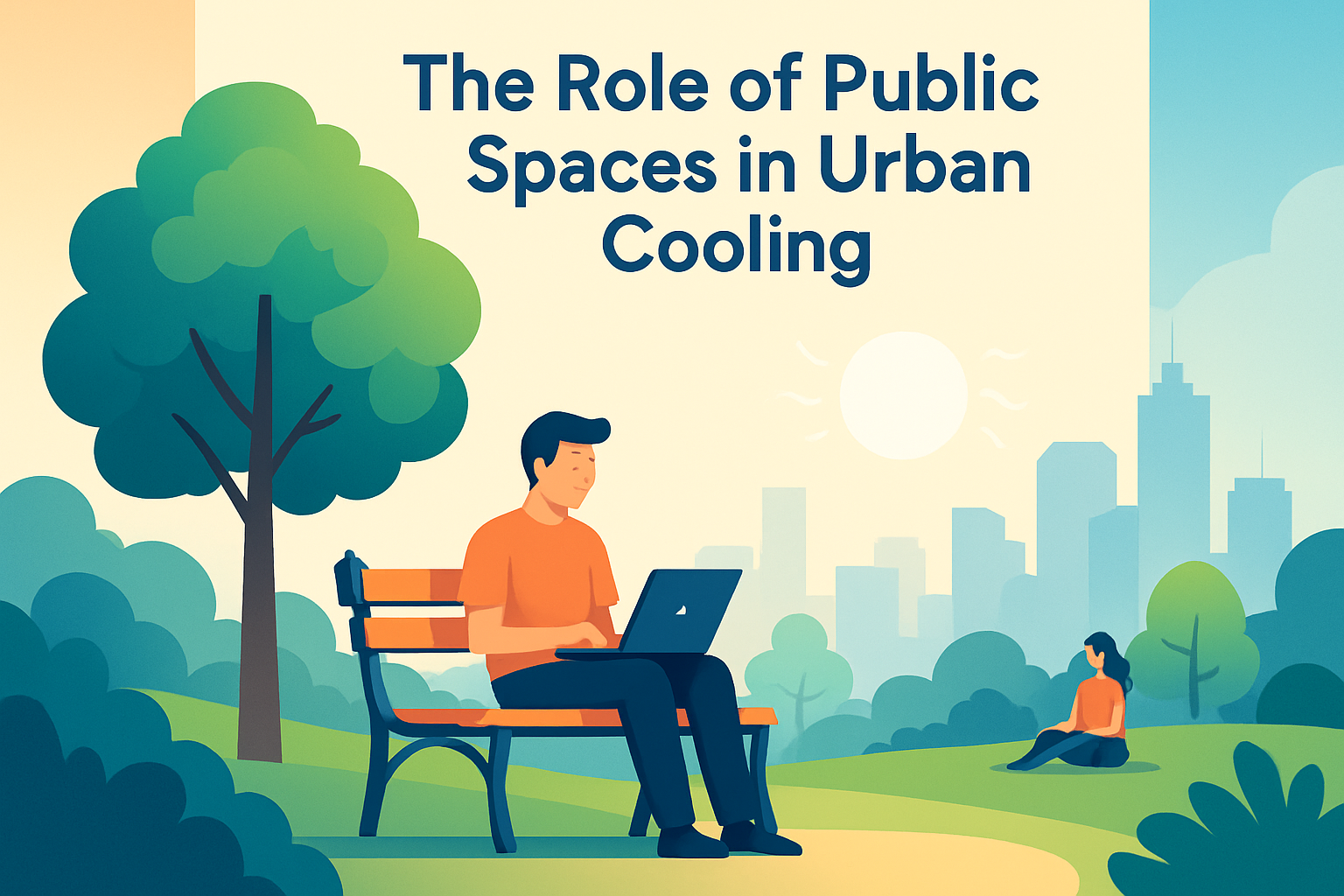
The rapid expansion of urban areas across the globe has resulted in significant environmental challenges, one of which is the urban heat island (UHI) effect. This phenomenon is characterized by elevated temperatures in metropolitan regions compared to their rural counterparts, primarily due to extensive human activities and alterations in land cover. The role of public spaces in urban cooling has become increasingly crucial in addressing these challenges. Public spaces, including parks, green belts, and urban forests, are vital elements that significantly contribute to the mitigation of the UHI effect.
Urban cooling refers to strategies and measures aimed at reducing the ambient temperature in densely populated areas. By introducing a mix of green spaces, water bodies, and reflective surfaces, cities can decrease the heat absorbed by buildings and pavements, thereby moderating local climates. Public spaces play an indispensable role as they integrate these natural elements into the urban fabric.
The importance of urban cooling cannot be overstated. As global temperatures rise, cities risk becoming inhospitable environments, which can have dire socioeconomic and health implications. Consequently, understanding how public spaces contribute to cooling and implementing these strategies effectively can ensure sustainable urban development while improving the quality of life for urban residents.
The Mechanisms of Urban Cooling: How Public Spaces Help
Urban cooling mechanisms involve a combination of shade provision, evaporative cooling, and increased albedo. Trees, shrubs, and other vegetation types provide shade and cool the air through the process of evapotranspiration. This natural process involves the release of water vapor, which absorbs considerable heat from the atmosphere, lowering the surrounding temperature.
In practice, these mechanisms are clearly observed in urban parks. For example, Central Park in New York City is a prime illustration of how green spaces influence urban temperatures. The park not only provides an oasis of shade and cooling in the heart of Manhattan but also facilitates improved air quality through the natural cleaning properties of plants.
Moreover, public urban spaces can accommodate water features such as ponds, fountains, and rain gardens. These elements enhance evaporative cooling and provide thermal comfort to city dwellers. Madrid Río is a notable example, where the integration of a river park increased the cooling potential of the area, providing relief from the oppressive summer heat.
Real-World Applications and Case Studies
Cities worldwide are already implementing strategies that leverage public spaces for urban cooling. In Singapore, the Gardens by the Bay project showcases an innovative approach to integrating green spaces within an urban environment. The park features a set of interconnected gardens and greenhouses, which act as cooling corridors and biodiversity hubs. Notably, the “Supertree” structures are equipped with photovoltaic cells and are designed to provide shade while also enhancing the city’s aesthetic value.
Another example is the Bangkok-based Chulalongkorn University Centenary Park. This project demonstrates how environmental and urban design can address flooding and heat challenges. The park includes elevated walkways and a system that collects and filters rainwater, contributing to both urban cooling and stormwater management.
A review of cooling strategies indicates that combining vegetation with reflective surfaces yields effective results. This approach maximizes albedo, the measure of how much light that hits a surface is reflected without being absorbed. The implementation of white roofs and pavements further accentuates the cooling benefits of public spaces.
| City | Cooling Strategy | Result |
|---|---|---|
| New York City | Central Park integration | Reduced local temperature by up to 6°F |
| Madrid | Madrid Río project | Enhanced evaporative cooling |
| Singapore | Gardens by the Bay | Cooling corridors and biodiversity hubs |
Challenges and Considerations in Urban Cooling
While integrating public spaces for urban cooling is promising, several challenges must be addressed. First, land availability in densely populated cities often poses a significant constraint. In these locales, competing land uses and high real estate values can limit the expansion of public spaces.
Furthermore, maintaining green spaces requires ongoing investment in irrigation and care, particularly in arid or semi-arid regions. For instance, Dubai’s abundant green spaces require considerable resources for water management, posing sustainability concerns.
Another critical consideration is the equitable distribution of cooling benefits. Vulnerable populations often reside in areas with limited access to public spaces. Addressing this disparity involves strategic planning and investment in underserved neighborhoods, ensuring that all city residents benefit from urban cooling measures.
Fostering Community and Health: The Added Benefits of Cooling Public Spaces
Beyond mitigating heat, public spaces yield numerous peripheral benefits that are vital for healthy urban living. Green areas promote physical activity, mental well-being, and social interaction, essential components of community health. For instance, the High Line in New York City has become an iconic public space that fosters interaction while providing an ecological breathing space amidst towering skyscrapers.
Public spaces designed with urban cooling in mind can also buffer against climate change-induced phenomena, such as heatwaves. A study from the University of Melbourne highlights that extensive tree canopies can potentially lower surface and air temperatures during extreme heat, reducing heat-related health risks.
Communities also experience an aesthetic uplift from these cooling projects, which enhances local property values and attracts tourism and commerce, thus boosting the local economy.
Innovative Trends and Future Directions
The future of urban cooling is intrinsically linked to innovation in design and technology. Emerging trends like vertical gardens and green roofs illustrate how even buildings can contribute to urban cooling. Vertical gardens in Milan’s Bosco Verticale show how integrating plants vertically can compensate for the limited horizontal space, effectively enhancing urban biodiversity and cooling.
Moreover, modern technology facilitates the deployment of data-driven cooling strategies. Remote sensing and satellite imagery help identify hotspots and assess the effectiveness of cooling interventions. These tools guide policymakers in prioritizing areas that require immediate attention.
Community involvement is another critical area for future development. Engagement strategies ensure that public space projects not only serve cooling purposes but also align with community needs and preferences, fostering a sense of ownership and stewardship among residents.
Conclusion: Key Takeaways and Future Steps
In summary, public spaces play an indispensable role in urban cooling by integrating vegetation, water bodies, and reflective materials. These spaces mitigate urban heat through shading, evapotranspiration, and enhanced albedo. Successful examples, such as Central Park in New York and Singapore’s Gardens by the Bay, demonstrate the potential of well-designed public spaces to improve urban climates and quality of life.
However, challenges such as land availability, maintenance costs, and equitable distribution need to be addressed to maximize the cooling potential of public spaces. Comprehensive planning that considers social equity and environmental sustainability is crucial for the success of future urban cooling initiatives.
Looking ahead, the incorporation of innovative technologies and community engagement will play significant roles in advancing urban cooling strategies. City planners, policymakers, and communities must collaboratively commit to creating and enhancing public spaces for a sustainable future. The next step for individuals and organizations is to advocate for and participate in local urban greening projects, supporting policies that prioritize the development of cooling public spaces in their areas.
By doing so, we can ensure that our cities remain vibrant, healthy, and sustainable for generations to come.
Frequently Asked Questions
What is the urban heat island (UHI) effect, and how do public spaces help mitigate it?
The urban heat island (UHI) effect refers to the increased temperatures in urban areas compared to their rural surroundings. This happens because of factors like dense concentrations of buildings, asphalt, concrete surfaces, and the heat generated by human activities such as industrial processes and vehicle emissions. Urban surfaces absorb and retain heat more than natural landscapes due to their materials and lack of vegetation.
Public spaces, particularly those incorporating green elements such as parks, gardens, and tree-lined streets, play a crucial role in mitigating UHI effects. These spaces introduce vegetation which provides shading and facilitates natural cooling through evapotranspiration. Plants release moisture into the atmosphere, which absorbs considerable amounts of heat, consequently lowering local temperatures. Additionally, public green spaces replace heat-absorbing materials with vegetation that does not retain heat, directly contributing to cooler urban environments.
How do different types of public spaces contribute to urban cooling? Are all public spaces equally effective?
Different types of public spaces contribute to urban cooling in varied ways, and they are not all equally effective. Urban parks, for instance, usually have extensive ground cover and tree canopies that provide shade and cool the air through evapotranspiration, making them highly effective at cooling. Community gardens also provide significant cooling benefits by introducing green vegetation into urban neighborhoods.
Water bodies in public spaces, such as fountains or ponds, help in cooling their surroundings through evaporative cooling, where water absorption of heat causes it to evaporate, reducing ambient temperatures. Green roofs and walls transform hard surfaces into verdant areas that not only perform cooling functions but also provide insulation for buildings.
However, some spaces like paved plazas or sports fields may not be as effective unless they integrate significant greenery or water features that can offset the heat absorption of hard surfaces. Likewise, the layout and design of public spaces—like orientation, the density of vegetation, and choice of plant species—can significantly influence their cooling capacity.
Can public spaces improve air quality in addition to reducing temperatures? If so, how?
Yes, public spaces can significantly improve urban air quality along with reducing temperatures. Vegetation plays a dual role in this aspect. Trees and plants absorb pollutants from the air, particularly particulate matter (PM), sulfur dioxide (SO₂), nitrogen oxides (NOx), and carbon monoxide (CO), storing them in their tissues or settling them on leaves. Furthermore, trees absorb carbon dioxide, a greenhouse gas, and produce oxygen, contributing to cleaner air.
Green spaces also contribute to reducing emissions indirectly by lowering energy demands. When temperatures are reduced by urban vegetation, buildings require less air conditioning, thereby decreasing fossil fuel consumption associated with electricity generation. This reduced energy use leads to lower emissions from power plants, contributing to cleaner city air. Additionally, more pedestrian-friendly public spaces encourage walking and cycling over driving, reducing vehicular emissions.
What are some challenges cities face in expanding green public spaces for urban cooling?
Expanding green public spaces poses several challenges for urban environments, primarily space, financial, and maintenance issues. In many cities, the high cost and scarcity of available land for development limit the creation of new public green spaces. Urban areas often prioritize economic development spaces for commercial or residential use over parks and gardens.
Financial constraints are another challenge, as developing and maintaining public spaces can be expensive. Cities must allocate funds not only for the initial creation of such spaces but also for ongoing maintenance, which includes watering, pruning, waste management, and infrastructure upkeep. There’s often a need for careful planning to ensure sustainable funding sources.
Maintenance itself poses its challenges; public spaces need regular care to ensure they thrive and continue to provide desired benefits. Logistical issues such as ensuring proper irrigation, pest management, and control of invasive species require resources and specialized knowledge. Lastly, there can be administrative and policy hurdles that may slow down or complicate development efforts.
How can urban planners integrate cooling strategies into public spaces effectively?
Urban planners can effectively integrate cooling strategies into public spaces by first conducting thorough environmental assessments that identify areas most affected by the UHI effect. Once these areas are pinpointed, planners can prioritize them for green infrastructural developments.
In terms of design, planners should incorporate a mix of vegetation, considering the types of trees and plants that offer the most shade and perform well in local climates. Native species are often preferred since they require less maintenance and offer robust resistance to local pests and conditions. Utilizing vertical space with green walls and roofs also maximizes cooling potential in areas with limited horizontal space.
Including water features such as reflecting pools, fountains, or constructed wetlands can add to the cooling effect, especially when strategically placed to complement wind flow patterns and enhance local cooling. Also, permeable surfaces should be used to aid rainwater runoff management and increase green space effectiveness.
Planners must also embrace community involvement to ensure designs meet local needs and gain public support. Public engagement leads to better-maintained spaces and sustained local interest. Lastly, leveraging policies and incentives that promote green initiatives or foster public-private partnerships can foster swift and comprehensive implementation of cooling solutions in public spaces.