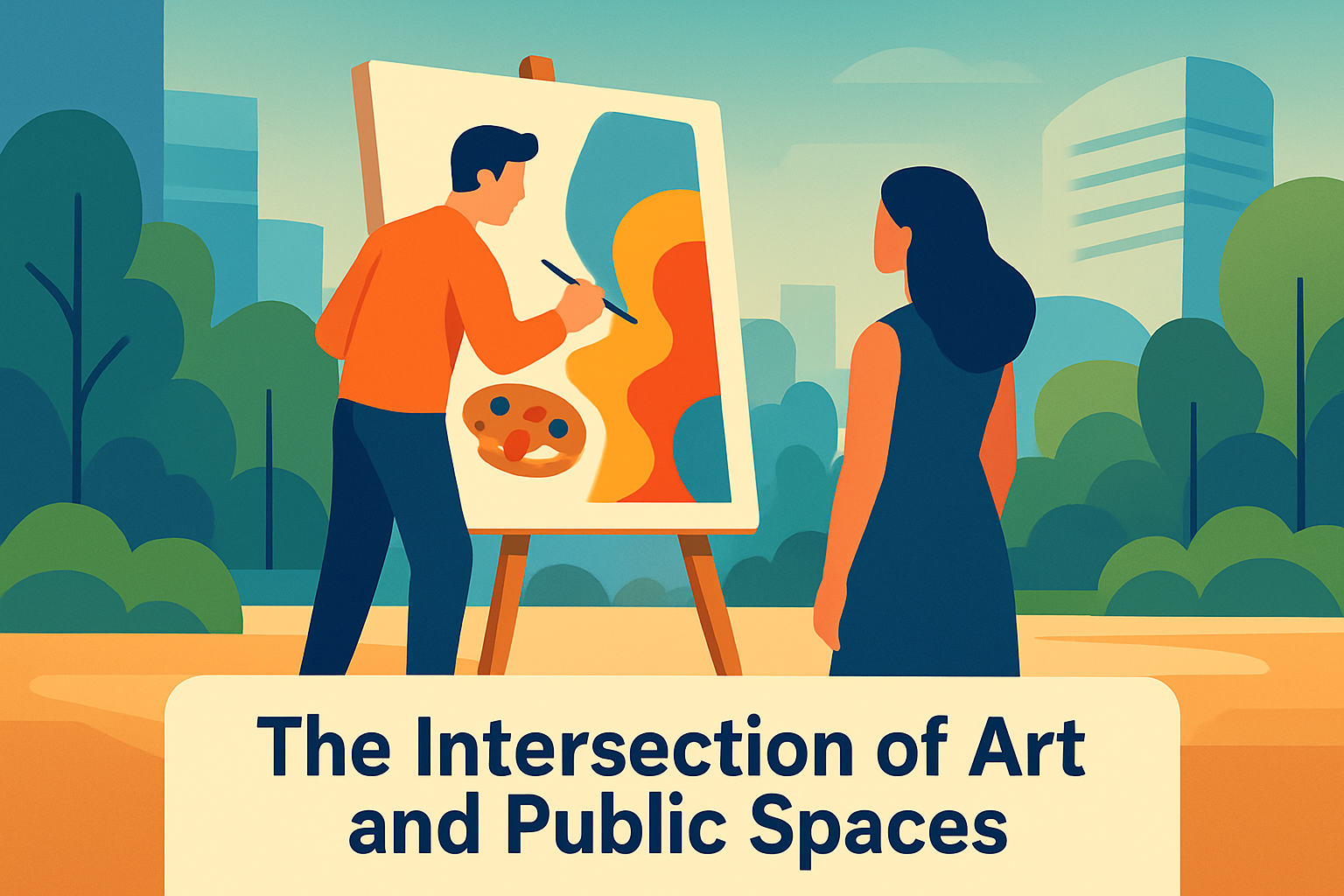
Art has always been an expression of human emotion, culture, and intellect. When art steps out of traditional confines like galleries or museums and enters public spaces, it transforms the environment, influencing communities and igniting dialogues. This fusion between art and public spaces is more than just decorative. It plays a critical role in shaping experiences, altering perceptions, and fostering community engagement. By redefining public areas, art in public spaces not only beautifies but also enhances philosophical and cultural ties among people, making cities vibrant and reflective of their citizen’s collective heritage.
The intersection of art and public spaces matters greatly in contemporary society. Public art has the power to democratize access to artistic expression, breaking socio-economic barriers, and allowing wide swathes of people to experience it. This is an especially crucial element in increasingly urbanized environments where people often feel alienated from cultural or natural surroundings. Public art challenges this detachment, inviting observers to pause, ponder, or participate, thereby adding subjective depth to common public areas. However, the implementation of art in public spaces introduces various discussions about ownership, inclusivity, and reflects on what a community values and aspires to be. By placing art openly, it turns passive spaces into active forums, revealing both harmonious and contentious elements of human interaction with environments.
The Role of Public Art in Urban Development
Public art plays a significant role in urban development. By integrating art into urban planning and development, cities can foster a stronger sense of community and enhance the quality of life. Artworks, whether they are sculptures, murals, or installations, add identity and charisma to urban landscapes, turning mundane environments into inspirational and lively arenas.
A prime example of this is the “Cloud Gate” in Chicago’s Millennium Park, affectionately known as “The Bean.” Designed by artist Anish Kapoor, this mirrored sculpture has become an iconic symbol of the city, attracting millions of visitors annually. It enriches the urban setting, reflecting the city’s skyline and the people around it, allowing an interaction between the individual and their environment. “The Bean” is not only a dynamic focal point for social gatherings but also a potent expression of modernity within the historic cityscape.
Integrating public art into urban development provides both aesthetical enhancement and functional benefits. Art can serve as a navigational guide, landmark, or even as an element of urban safety. It carries the potential to trigger economic growth by attracting tourists and businesses, showcasing the cultural vibrancy and diversity of the region. Moreover, art-infused spaces often draw foot traffic, rehabilitating underutilized areas into thriving hubs.
Art as a Reflection of Community Identity
Public art often serves as a mirror, reflecting the identity, values, and collective memory of a community. These works tell stories and consist of elements that are available for exploration and engagement. By representing the diverse cultural backgrounds and histories of local populations, public art can contribute to a more inclusive and interconnected society.
- Murals: In neighborhoods throughout the world, murals have become resonant stories of community triumph, struggle, and pathos. The mural project “Mural Arts Philadelphia” is emblematic of this, providing a platform for artists to convey local narratives while invigorating urban aesthetics.
- Sculptures: Sculptural projects often honor local heroes or historical events. The FDR Memorial in Washington D.C. illustrates key moments from Franklin D. Roosevelt’s presidency, offering an interactive educational platform for visitors.
- Festivals: Street art festivals like POW! WOW! Hawaii brings international artists together to collaborate with local communities, facilitating cultural exchange and expression.
Public art can be a dynamic record, evolving as the community does, capturing shifts in demographics, interests, and challenges. By reinforcing local identity, public art solidifies communal pride and fosters a sense of belonging among residents. It becomes a powerful tool for education and social change, enabling narratives of marginalized or underrepresented groups to surface.
Interactive and Participatory Public Art
Art in public spaces is no longer a static affair. The advent of interactive and participatory art has significantly changed the dynamics of how art interacts with the public. Such art invites passersby to engage, either physically or conceptually, transforming observers into participants.
An outstanding example of this is the “Before I Die” wall initiative by artist Candy Chang. Transforming derelict spaces with simple, interactive installations, this project invites citizens to complete the sentence “Before I die I want to…” in public, sharing hopes and dreams with the community. This participatory approach transforms pedestrian pass-throughs into poignant spaces that harbor deep personal connections and communal contemplations.
Interactive art facilitates open dialogues about community desires, dreams, and challenges. It breaks down the barrier between the creator and the audience, promoting engagement that can foster empathy, inspire creativity, and cultivate civic responsibility. Such art forms are pivotal in promoting an inclusive, participatory culture where voices can be heard, visually expressed, and collectively witnessed.
Societal Impact and Controversies in Public Art
Despite the multitude of positive outcomes art in public spaces engenders, it also encounters controversies and complex challenges. The nature of art—subjective and diverse—often sparks debate when situated in communal realms. Questions arise around censorship, artistic freedom, and the appropriation of space.
| Controversy | Description | Example |
|---|---|---|
| Censorship | When public art veers into the realm of political or social critique, it may face censorship or removal due to its provocative nature. | Representation of Edward Snowden in graffiti works often leads to conflicts about free expression. |
| Artistic Freedom | Artistic choices that do not align with public sentiment may spark debate over the role and responsibility of artists. | The “Tilted Arc” by Richard Serra in New York faced removal after public protests over its imposing structure and aesthetics. |
| Ownership | The issue of who owns public art can arise, especially in contested spaces or communities. | The Banksy murals, often appearing on private property without permission, create legal and ethical challenges. |
While these controversies reveal the complexities of introducing art into public spaces, they also underscore its importance. These discussions push societal boundaries, prompting introspection, dialogue, and growth. Artists and communities must navigate these challenges collectively to harness the potential of public spaces as transformative cultural arenas.
Public Spaces as Incubators of Creativity
The intersection of art and public spaces not only reflects cultural identity but also ignites creativity and inspiration within the community. Public spaces become incubators where artistic innovation thrives, encouraging community collaborations and cross-disciplinary experimentation.
Parks, plazas, and streets often host temporary and permanent artistic installations, redefining and reimagining these places. In Flushing Meadows-Corona Park in New York, the site where the 1964 World’s Fair was held, installations such as artist Ernesto Neto’s immersive net sculptures, work to continually reconceptualize the park’s significance. These installations invite both young and old to engage creatively with native plants, ecosystems, and each other.
These incubated spaces act as laboratories where artists can experiment with new mediums and forms of expression. Engaging with these installations invites local residents, artists, and tourists to reconsider spaces we frequently overlook, triggering dialogue that can lead to collaborative solutions, cultural outreach, and social innovation.
Sustainability in Public Art
As global consciousness gravitates towards sustainability, public art has also been turning green, exploring environmentally responsible creations that not only beautify public areas but also echo eco-friendly messages.
Projects such as the “Pollinator Parklet” in San Francisco convert urban landscapes into vibrant, sustainable habitats for pollinators like bees and butterflies. Artist Habif Mitchell collaborated with landscapers to integrate flora composed of native plant species that promote biodiversity, bringing ecological awareness to urban dwellers.
Sustainable public art projects not only champion environmental causes but also provoke societal introspection on sustainable living. By visually manifesting the concepts of ecology and sustainability in art, artists can inspire collective environmental stewardship. Such initiatives often bring together environmentalists, artists, local government, and communities, creating a coalition with the potential to instigate real-world ecological action.
Conclusion: The Future of Art in Public Spaces
Public art is more than an embellishment. It is a vital dialogue between people, space, and beauty, engaging society on a profound level. As cultures evolve and the built environment grows denser, the role of public art becomes even more intertwined with our collective futures.
The examples of art’s integration into public spaces hint at the diversification and innovation these installations can undertake. From enhancing urban aesthetics, anchoring community identity, sparking societal debates, incubating creativity, to promoting sustainability, these forms of art create more interactive, reflective, and nurturing communities.
As awareness grows, individuals can actively demand and support public art initiatives, participate in community art projects, and engage in dialogues about the implications of art in shared spaces. The future promises a more accessible blending of artistic landscapes with everyday life, potentially reshaping public spheres into dynamic sanctities that champion inclusivity, diversity, and creativity. As citizens of the world, we are encouraged to embrace public art’s path to enhance the reflections of our societies, enrich our environments, and inspire future generations.
Get Involved: You can contribute by supporting local public art exhibitions, attending city council meetings on urban development, and advocating for community-driven art initiatives.
Frequently Asked Questions
1. What is the significance of integrating art into public spaces?
The integration of art into public spaces holds tremendous significance as it provides an accessible platform for everyone, regardless of socio-economic backgrounds, to experience and engage with art. Unlike traditional art settings like museums and galleries, public spaces remove barriers such as entrance fees and exclusivity, making art a shared community asset. Art in these spaces acts as a catalyst for social change, encouraging dialogue among diverse groups. It transforms ordinary city environments into extraordinary experiences, inviting people to reflect, connect, and converse. Public art can commemorate cultural history, celebrate community identities, or challenge social norms, offering a reflective mirror to society. Moreover, it plays a pivotal role in altering the perception of the space, turning mundane locations into iconic landmarks that are often associated with the identity of the community itself. By provoking thought and stirring emotions, the significance of art in public spaces extends far beyond mere aesthetics.
2. How does public art enhance community engagement?
Public art is a powerful tool for enhancing community engagement as it is inherently participatory. It draws individuals outside of their daily routines and into a shared experience, fostering a sense of belonging and community pride. These public artworks often serve as gathering points, places where people come together to celebrate, protest, or simply appreciate. Because public art is accessible to everyone, it acts as an equalizer, providing a forum for interaction among diverse people. This shared experience can lead to increased understanding and dialogue among community members. Projects often invite community input and collaboration, empowering residents to contribute to the creative process. This involvement deepens their connection to the artwork and, by extension, the community. Furthermore, public art can stimulate local economies by increasing foot traffic to certain areas and encouraging cultural tourism. In the process, it gives community members—often overlooked or underserved—a sense of agency and voice through the stories that are told in these public forums.
3. What impact does art in public spaces have on urban development?
The presence of public art can have a transformative impact on urban development. It serves as an essential element in place-making—a holistic approach to the planning, design, and management of public spaces that emphasizes community attachment, identity, and satisfaction. Well-placed art can increase property values, attract businesses, and promote economic revitalization. However, it is critical that such development prioritizes the culture and needs of existing communities to avoid gentrification—a process that can displace long-term residents. Public art has the power to reflect and celebrate the unique characteristics of an area, preserving cultural narratives and histories even as physical landscapes change. It can differentiate a cityscape, making it more attractive and cohesive, ultimately enhancing the city’s image and branding. Additionally, public art contributes to environmental consciousness, often incorporating sustainable practices or highlighting ecological issues through its themes. The role of art in urban development is multifaceted, offering both tangible economic benefits and intangible cultural and emotional gain.
4. Can art in public spaces influence social change?
Yes, art in public spaces can profoundly influence social change by providing a visible, accessible means of storytelling and expression that can amplify voices often marginalized in mainstream dialogues. Artists use public platforms to address pressing social issues, from racial justice and gender equality to climate change and immigration. By making these issues visible, public art can raise awareness, challenge preconceived notions, and inspire action among viewers. It evokes expression and emotional responses, encouraging reflection and possibly inciting shifts in perspectives. Throughout history, art has served as a transformative tool, capable of mobilizing social movements and influencing public policy. It brings communities together, promoting understanding and empathy. Art can be a form of activism, with the power to both reflect and shape societal values. Artists, through their work in public spaces, have the ability to foreground alternative narratives and question the status quo, positioning themselves as agents of change within their communities and beyond.
5. How can public art influence the aesthetic quality of a neighborhood?
Public art significantly influences the aesthetic quality of a neighborhood, often serving as the visual heart of community spaces. It has the power to transform bleak, uninspiring places into vibrant, meaningful destinations. By introducing colors, textures, and unique designs, public art can add beauty and interest to an area, encouraging people to spend time outdoors and interact with the environment. Murals on the sides of buildings, sculptures in parks, or installations in communal areas can enhance the architectural features of a neighborhood, creating a more dynamic and cohesive visual identity. This can lead to increased community pride and cohesion. Public art can also highlight elements of local culture, history, or heritage in a way that enriches the area’s character and attracts visitors. In summary, through its ability to captivate and engage, public art elevates both the aesthetic appeal and the vibrancy of a neighborhood, offering residents and visitors alike more pleasant and meaningful experiences in their surroundings.