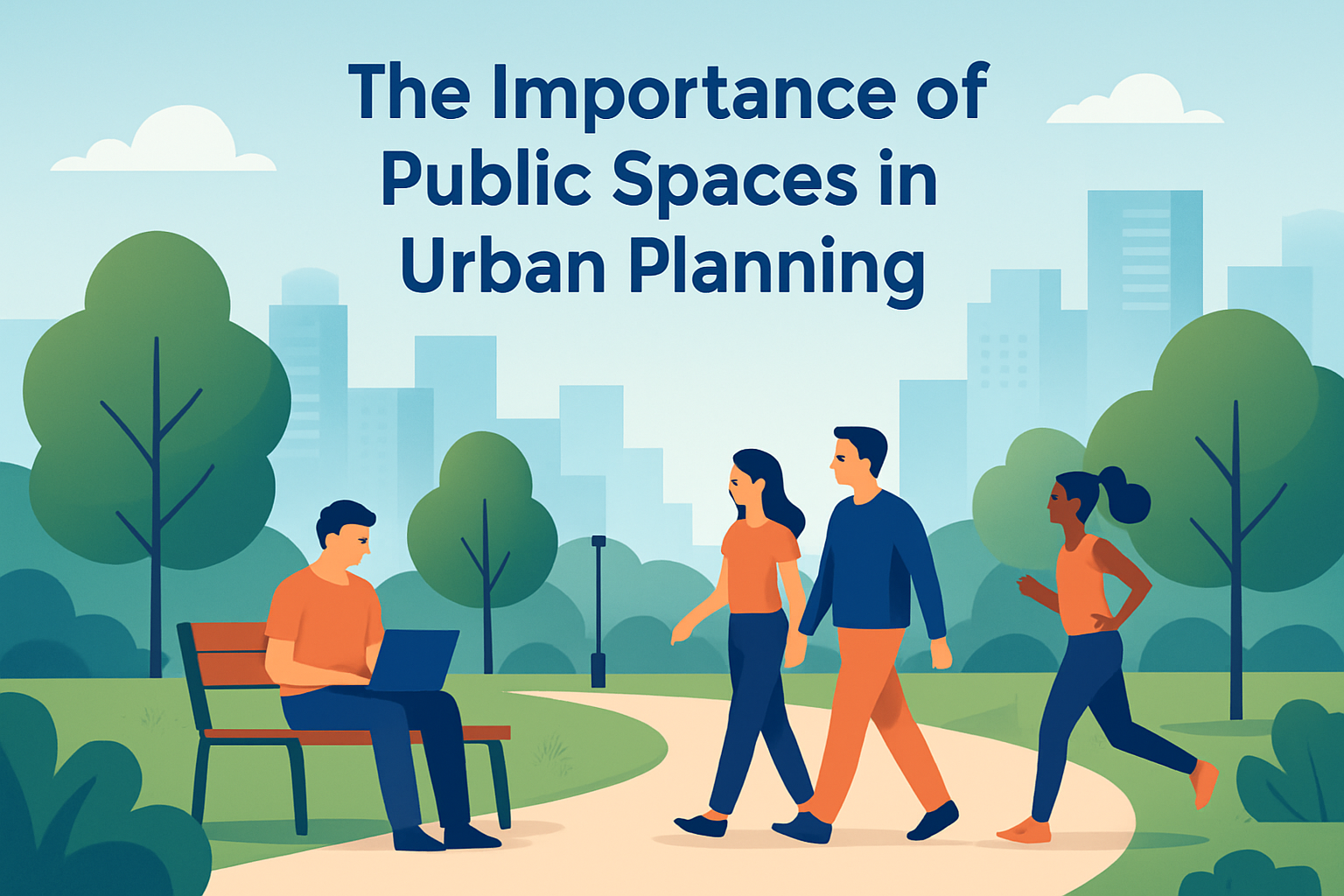
In an era where technology seamlessly integrates into nearly every aspect of our lives, the design of public spaces has evolved to reflect this digital reality. Public spaces, traditionally seen as physical environments where community interactions occur, are now undergoing a transformation to incorporate digital connectivity elements that cater to our modern digital lifestyle. But why does this shift matter, and what are the implications for society? Let’s explore the intricate details of designing public spaces for digital connectivity, from the basic definitions to their profound impact on communities worldwide.
At its core, digital connectivity refers to the ability of people and devices to connect and communicate through technological means. In the context of public spaces, it involves integrating technologies like Wi-Fi, smart kiosks, charging stations, and even augmented reality (AR) experiences into the infrastructure of public domains, such as parks, plazas, and transportation hubs. These digital enhancements not only enrich the user experience but also foster new forms of social interaction, access to information, and convenience.
Why does this matter? Public spaces designed with digital connectivity in mind do more than just accommodate our gadgets; they create an inclusive environment that enhances accessibility, offers educational opportunities, and encourages community engagement. As society becomes increasingly digital, ensuring all citizens have the means to participate in and benefit from technological advancements is crucial. Public spaces, by virtue of being accessible to all, play a pivotal role in bridging the digital divide, fostering a sense of belonging, and connecting communities on local and global scales.
Transforming Parks with Digital Connectivity
Parks, often seen as places of recreation and relaxation, are now being infused with digital connectivity to enhance public enjoyment and safety. The transformation involves installing free Wi-Fi hotspots, interactive digital maps, and smart lighting systems. For instance, New York City’s Central Park offers Wi-Fi access throughout specific zones, allowing visitors to stay connected while enjoying nature.
The connectivity in such parks not merely facilitates social media sharing or internet browsing; it opens avenues for interactive educational programs. Imagine attending digital workshops in a park setting or participating in augmented reality wildlife tours that teach about local flora and fauna. Furthermore, smart lighting enhances safety by automatically adjusting to the presence of individuals, making parks safer and more welcoming, even at night.
Smart Transportation Hubs: Beyond the Commute
Transportation hubs like airports and train stations are essential public spaces where digital connectivity significantly enhances traveler experiences. Incheon International Airport in South Korea exemplifies a digitally connected hub, offering seamless Wi-Fi, information kiosks with multiple language options, and even a smartphone app to guide travelers around the airport in real-time.
These digital tools do more than ease navigation; they also transform waiting times into productive periods. Travelers can access online workspaces, virtual meetings, or entertainment while waiting for their next commute. Additionally, real-time updates on transportation schedules and disruptions are relayed directly to personal devices, negating confusion and stress typically associated with travel delays.
Enabling Accessibility in Urban Plazas
Urban plazas or squares serve as social focal points within cities, and digital connectivity can enhance their inclusivity. Consider the Federation Square in Melbourne, Australia, which integrates technology to offer features like free Wi-Fi, event live-streaming on large public screens, and interactive art displays. These features foster community interaction and engagement while making the plaza a dynamic and appealing destination for both residents and tourists.
Digitally connected plazas also serve as venues for diverse cultural exchanges and public discourse. They act as platforms where people can collectively experience live-streamed events, such as cultural festivals or public address systems. With inclusive digital features, these spaces become accessible to those who may be physically unable to attend in person or those who rely on digital tools for communication.
Digital Connectivity in Libraries: The Evolving Role
Libraries, emblematic of community learning spaces, are evolving to incorporate digital connectivity alongside traditional offerings. The BiblioTech Digital Library in San Antonio, Texas, is a pioneering example. As a fully digital public library, it offers e-books, public access computers, and digital literacy programs, fully replacing physical books with digital content.
Connecting libraries digitally extends their role as learning hubs. Patrons can borrow e-books remotely and participate in online workshops, promoting educational accessibility irrespective of geographical location. Moreover, these libraries provide essential digital resources and training to communities, addressing the growing necessity for digital literacy in the modern world.
| Space | Digital Feature | Benefits |
|---|---|---|
| Park | Wi-Fi & Smart Lighting | Enhanced safety and educational programs |
| Transport Hub | Information Kiosks & Apps | Effortless navigation and productive waits |
| Urban Plaza | Event Streaming & Free Wi-Fi | Increased cultural exchange and accessibility |
| Library | e-Books & Digital Literacy Programs | Expanded educational access and resource training |
Interactive Streets: The Next Frontier
The sidewalks and streets around us are becoming more than just thoroughfares; they are interactive digital landscapes equipped with smart features. Take the example of Amsterdam’s smart street initiative, where pilot projects include energy-generating sidewalks and interactive bus stops equipped with digital boards that provide real-time city information and community announcements.
The deployment of smart street furniture extends beyond digital convenience. It supports environmental sustainability through innovative energy solutions and delivers localized information, enhancing citizen awareness and engagement. Interactive streets show what’s possible when digital creativity meets urban design, offering a glimpse into the future of digitally connected public spaces.
Digital Connectivity and Its Impact on Inclusivity
One of the less discussed yet vital aspects of digitally connected public spaces is their potential to enhance inclusivity. Spaces that encompass digital access features ensure that marginalized groups, such as individuals with disabilities, seniors, or economically disadvantaged communities, are not left behind in the digital age.
Digital tools like voice-activated stations, braille kiosks, or language translation services embedded in public infrastructure foster an atmosphere of empowerment. The Smarter City program in Barcelona employs inclusive technologies to facilitate easier city navigation for all citizens, regardless of physical or linguistic barriers, demonstrating how technology can bridge social divides.
The Role of Governments and Public-Private Partnerships
Implementing digital connectivity within public spaces requires robust collaboration between government entities and private sector players. Initiatives such as LinkNYC in New York City, which transformed old payphones into digital information stations providing free Wi-Fi, are excellent examples of successful public-private partnerships.
These collaborations offer mutual benefits, allowing commercial entities to participate in community development while governments harness private innovation to enhance public service delivery. Successful implementation relies on aligning interests and ensuring dedicated funding and strategic oversight to meet public connectivity goals.
Digital connectivity in public spaces is more than a convenience; it’s a step towards redefining how communities interact, engage, and evolve in the modern world. As we have seen through various examples and detailed insights, integrating digital technology into public spaces enriches lives, enhances safety, promotes inclusivity, and fosters an innovating society poised to embrace future challenges. As cities and communities design public spaces with connectivity in mind, they must continue to innovate and adapt to meet the ever-changing digital landscape.
Conclusion: Embracing a Digitally Connected Future
The design of public spaces with digital connectivity is not merely a trend; it marks a profound shift in urban design philosophy and community engagement practices. We’ve unpacked essential aspects of digitally connected parks, transportation hubs, plazas, libraries, streets, and addressed their inherent societal benefits. These spaces empower individuals by providing access to digital resources, enhancing educational opportunities, and fostering inclusive environments where everyone can thrive.
The chief takeaway is clear: embracing digital connectivity in public spaces enriches community life and bridges societal gaps, offering both immediate and long-term benefits. However, successfully implementing such changes requires the collaborative effort of local governments, private entities, and community voices. As we stand on the cusp of a digitally connected future, the time to act is now. Communities and decision-makers should prioritize digital infrastructure investments and public spaces’ redesign initiatives to ensure all citizens actively participate in the digital age.
In the spirit of progress and inclusivity, we encourage stakeholders to assess current public space designs and advocate for initiatives that integrate digital connectivity. By doing so, we will foster environments that are not only modern and efficient but also inclusive and accessible to everyone.
Frequently Asked Questions
1. Why is digital connectivity important in the design of public spaces?
Digital connectivity in public spaces is important because it directly aligns with how society functions in the 21st century. With smartphones, tablets, and laptops at the center of daily life, people expect to have access to the internet everywhere they go. This shift matters because it addresses the demand for information, entertainment, and convenience. Whether it’s through free Wi-Fi in parks, smart bus stops that provide real-time updates, or digital wayfinding signs, these elements make public spaces more engaging and functional. The integration of digital elements enriches user experience, supports social inclusion, and drives innovation. Moreover, digitally connected spaces can enhance civic participation by providing platforms for digital communication in communal environments. This hyper-connectivity helps ensure that everyone, irrespective of their digital literacy levels, has access to resources, enhancing overall community engagement and interaction.
2. How does the incorporation of digital technology in public spaces impact community interactions?
The incorporation of digital technology into public spaces drastically transforms community interactions. Traditionally, public spaces have been the heart of social life, facilitating face-to-face interactions. Now, digital connectivity expands these interactions into virtual realms, adding an extra layer of engagement. For instance, free public Wi-Fi zones allow people to stay connected with friends and family while enjoying a physical community environment. Interactive installations and screens can serve as focal points for both solo exploration and group interaction. Furthermore, digital platforms integrated into urban spaces can enable collaborative projects or events, effectively blending digital and physical community aspects. This fusion not only caters to the diverse needs of people with different preferences and mobility levels but also encourages innovative forms of social engagement and information sharing, strengthening community bonds.
3. What are some of the challenges involved in designing public spaces equipped for digital connectivity?
Designing public spaces with digital connectivity presents several challenges. One major challenge is ensuring equitable access — not everyone has the same level of technological literacy or access to digital devices. Thus, designers must create inclusive solutions that don’t widen the digital divide. Another concern is privacy; public technologies must respect user data and prevent unauthorized data collection. Energy and maintenance are also considerations, as digital installations can be costly to sustain and prone to vandalism or weather-related damages. Additionally, integrating technology into historical or culturally significant sites requires sensitive handling to maintain aesthetic integrity. Balancing technology’s advantages with environmental sustainability is crucial, as is ensuring that these digitized spaces don’t overshadow the importance of face-to-face community interactions.
4. How can digital connectivity enhance the accessibility and safety of public spaces?
Digital connectivity markedly enhances both accessibility and safety in public spaces. Through digital maps and apps, individuals — especially those with disabilities — can navigate spaces more independently, accessing facilities with ease. Real-time updates and digital guides ensure that everyone can plan effectively, adapting as needed in live scenarios. Safety is also improved with digital connectivity; emergency alerts and surveillance systems can be integrated into public infrastructure to provide rapid communication and responses. Digital signage can help direct people during emergencies or assist with crowd control in large gatherings. In essence, smart technologies transform public spaces into responsive environments that consider the safety and accessibility needs of every user, fostering inclusive community spaces that people feel safe in and can confidently navigate.
5. What are the social and economic implications of digitizing public spaces?
The social and economic implications of digitizing public spaces are vast and interconnected. Socially, digitally connected public spaces can bridge community divides and facilitate a sense of togetherness through shared digital interactions. These spaces often become venues for digital learning and creativity, democratizing access to information and cultural experiences. Economically, smart public spaces can stimulate local economies by attracting more visitors, boosting local businesses as people spend more time and money in tech-enhanced environments. Additionally, cities that adopt these solutions often see a boost in tourism as visitors are drawn to innovative urban landscapes. On a larger scale, investing in digital infrastructure can result in reduced operational costs through efficient energy management and maintenance. Overall, the move towards digitized public spaces is set to fuel broad societal advancement alongside economic growth, revealing significant benefits for communities worldwide.