As urbanization continues to rise globally, cities are expanding at unprecedented rates, introducing both opportunities and challenges. This growth exerts pressure on infrastructure, social systems, and, crucially, environments. Thus, urban greenery plays a pivotal role in designing sustainable, healthy urban habitats. The term “urban greenery” refers to green spaces such as parks, gardens, green roofs, and community gardens that are integrated within city landscapes. The concept intersects with urban planning, the discipline focused on designing and regulating the use of space within urban areas.
The importance of integrating urban greenery into city planning cannot be overstated. Urban green spaces offer multiple benefits: they enhance aesthetic appeal, improve the quality of life, support biodiversity, mitigate pollution, and regulate microclimates. By incorporating natural elements into urban environments, cities can sustainably manage resources, improve residents’ well-being, and combat the adverse effects of climate change. The subsequent sections will delve deeper into how urban greenery can be meaningfully integrated into urban planning processes and offer contemporary instances where these strategies have been successfully implemented.
Improving Air Quality through Greenery
Air quality in urban areas is often compromised by pollutants from vehicles, industries, and construction activities. Urban greenery acts as a natural air filter, capturing particulate matter and converting carbon dioxide into oxygen through photosynthesis. This capability makes urban green spaces vital to improving air quality within cities. Moreover, plants can absorb other pollutants such as nitrogen dioxide and diesel emissions, contributing significantly to a healthier urban environment.
One exemplary city is Beijing, China, which has long struggled with air pollution. In recent years, Beijing has intensified its efforts to expand green spaces, with the government establishing numerous urban forests and green belts around the city. These initiatives have led to measurable improvements in air quality and reductions in smog levels. Such examples demonstrate how strategic planning and investment in urban greenery can lead to tangible environmental benefits.
Enhancing Urban Biodiversity
Urban environments often lack biodiversity due to dense construction and extensive human activity. However, integrating urban greenery can reverse this trend by providing habitats for various plant and animal species. Biodiverse urban areas contribute to ecosystem resilience, supporting pollination, pest control, water purification, and soil fertility.
For instance, Singapore, known as the “Garden City,” has incorporated biodiversity into its urban fabric through initiatives like the Park Connector Network and vertical gardens. These projects aim to connect green spaces and foster urban biodiversity. The results include increased sightings of native bird species and butterfly populations, contributing to a healthier ecosystem. Such integrative approaches highlight the dual benefits of enhancing urban ecology and offering natural beauty and recreational opportunities for residents.
Mitigating Urban Heat with Green Spaces
Urban Heat Islands (UHI) occur when cities become warmer than their rural surroundings due to human activities and dense infrastructure. This phenomenon exacerbates energy consumption, heat-related health issues, and air pollution. Urban greenery can effectively mitigate UHI effects by providing shade, releasing moisture, and cooling the air through evapotranspiration.
A pertinent example is Los Angeles, USA, which has adopted a “cool roofs” ordinance and planted tens of thousands of trees as part of its UHI mitigation strategy. By 2025, the city aims to increase its tree canopy by 50%, significantly reducing average temperatures. These efforts underscore the effectiveness of urban greenery in combating heat-related challenges common to metropolitan areas.
Social and Recreational Benefits of Green Spaces
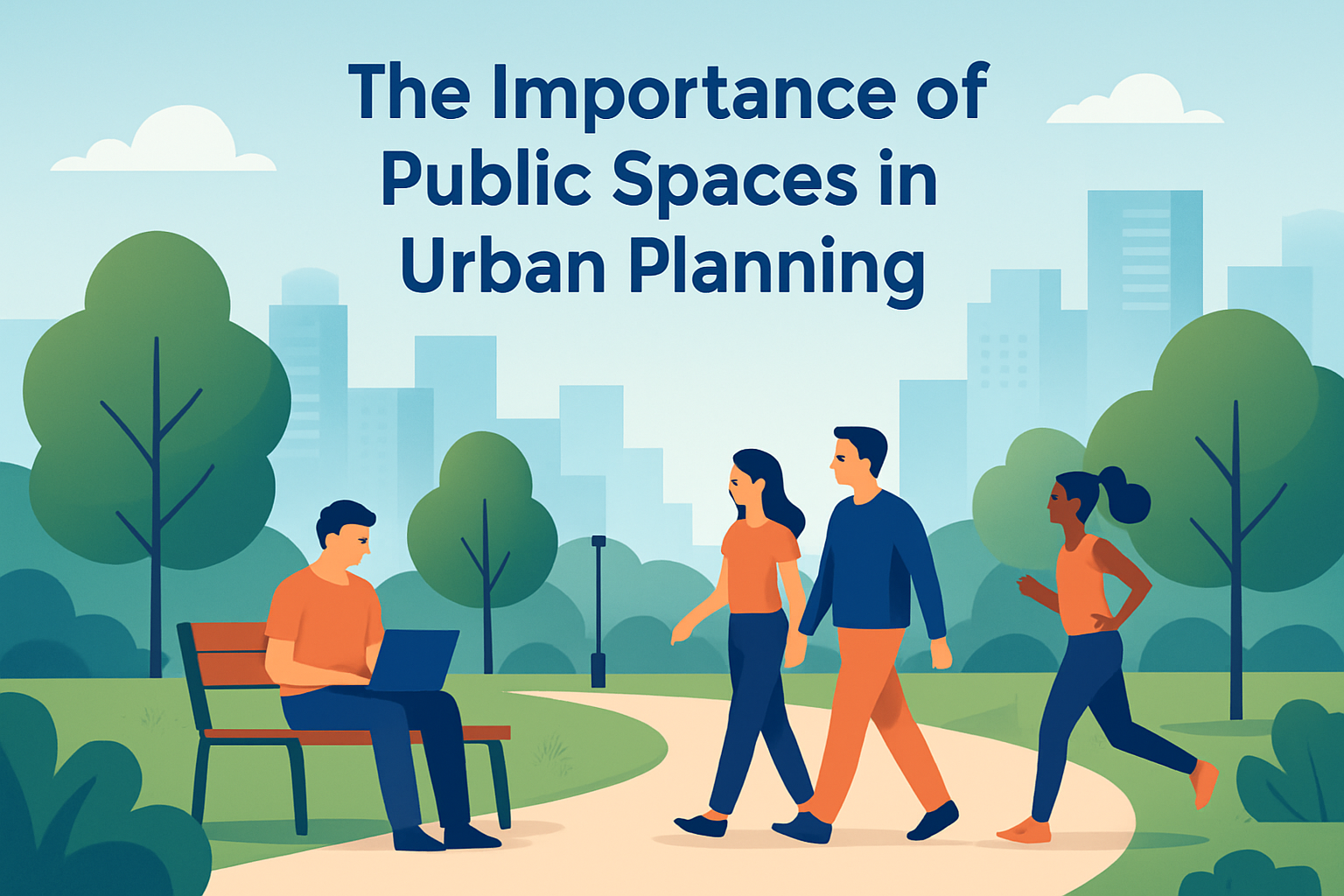
Besides environmental and health advantages, urban greenery offers extensive social and recreational benefits. Access to parks and gardens promotes physical activity, supports mental health, and strengthens community engagement. Green spaces can serve as venues for social interactions, cultural events, and community building.
Take New York City’s Central Park as an instance. Not only does it provide a verdant escape from the bustling city life, but it also functions as a cultural hub. It hosts events, facilitates social gatherings, and features recreational facilities, attracting millions of visitors each year. Such urban parks highlight the profound social value that urban greenery brings to city dwellers.
Economic Value of Green Urban Planning
Incorporating greenery into urban planning can also create economic value. Greener cities attract businesses and tourism, increase property values, and generate employment opportunities. These economic benefits make urban greenery a sound investment for cities aiming for sustainable development.
| City | Green Space Percentage | Impact on Property Value |
|---|---|---|
| Vancouver | 25% | Increased by 5-10% |
| Melbourne | 20% | Increased by 7% |
In cities like Vancouver, Canada, and Melbourne, Australia, urban greenery has significantly raised property values and improved economic outcomes. The table above highlights the correlation between green space and property values, illustrating the financial incentives for integrating greenery in urban planning.
Integrating Green Roofs and Vertical Gardens
In densely populated cities where ground space is limited, green roofs and vertical gardens offer innovative solutions for incorporating greenery. Green roofs reduce heat absorption, decrease building energy use, and manage stormwater runoff. Vertical gardens enhance air quality, aesthetics, and biodiversity in urban environments.
For example, Paris, France, has been actively promoting green roofs since 2001. The city plans to cover 100 hectares of rooftops with vegetation by 2020, contributing to energy efficiency, cooling the city, and introducing new green areas. These initiatives demonstrate the versatility and scalability of green infrastructure in urban settings.
Implementing Policy and Community Engagement
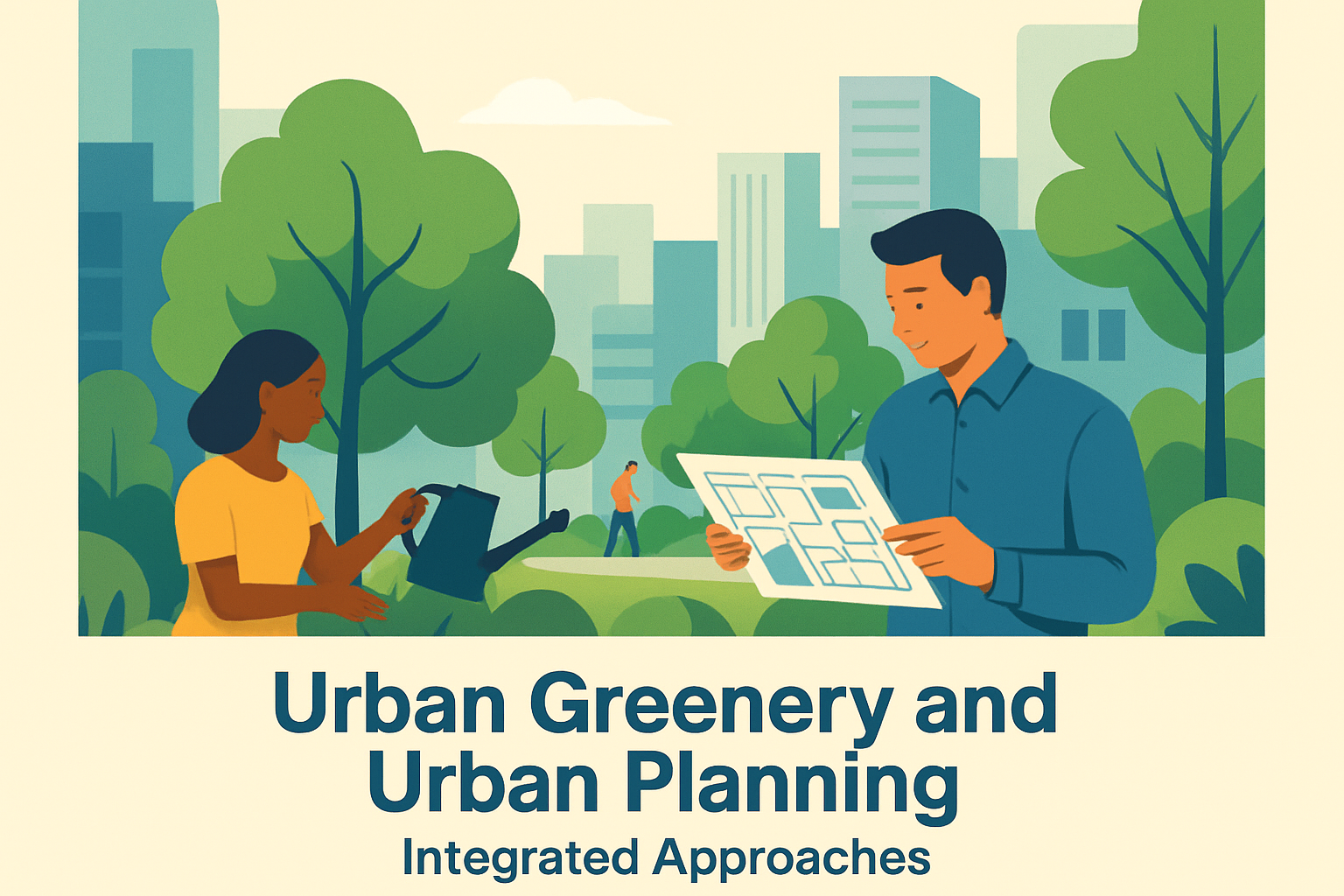
To successfully integrate urban greenery, strong policy support and community engagement are essential. Municipal policies can provide frameworks for green space preservation, set targets for new green areas, and allocate funding for public projects. Additionally, engaging communities in the planning and maintenance of green spaces fosters a sense of ownership and responsibility.
The city of Curitiba, Brazil, exemplifies successful policy implementation and community involvement. Known for its dedicated urban planning efforts, Curitiba launched the “Citizenship Street” initiative, which involves local communities in creating and maintaining green spaces. This participatory approach has led to the sustainable expansion of green areas and improved community well-being, serving as a model for other cities worldwide.
Overcoming Challenges in Urban Greenery Integration
Despite the clear advantages, integrating urban greenery into city planning poses several challenges. Issues such as limited space, funding constraints, and maintenance requirements often arise. However, adopting creative solutions and harnessing technological advancements can address these challenges.
Vertical farming in Singapore serves as an inspiring example of overcoming spatial limitations. By using high-rise buildings to grow crops, the city optimizes limited land resources, showing that with innovation, obstacles can be transcended.
The Future of Urban Greenery
As climate change and urbanization continue to challenge environments, the role of urban greenery in city planning becomes even more crucial. Future cities must prioritize sustainable integration of green spaces to ensure ecological balance and resilience amidst growing urban populations.
Innovations like digitally monitored green infrastructure and smart sensors are already underway. These technologies optimize resource management and enhance green space utility, paving the way for future developments in urban greenery.
Conclusion
Urban greenery plays a pivotal role in shaping sustainable and livable urban environments. By improving air quality, enhancing biodiversity, mitigating urban heat, offering social benefits, and adding economic value, green spaces are invaluable to urban planning. Cities like Beijing, Singapore, Los Angeles, and Vancouver show how integrating greenery can yield environmental, social, and financial improvements. Achieving this integration requires supportive policies, community engagement, and innovation to overcome spatial and financial constraints.
Readers are encouraged to advocate for urban greenery initiatives in their communities, contribute to local green projects, or simply enjoy and preserve their neighborhood parks. As we venture into the future, let us embrace and prioritize urban greenery in our cities, ensuring a healthier, more sustainable world for generations to come.
Frequently Asked Questions
What is urban greenery, and why is it important in urban planning?
Urban greenery encompasses various forms of green spaces within urban environments, such as parks, gardens, green roofs, and community gardens. It plays a crucial role in urban planning because it offers numerous environmental, social, and economic benefits. From an environmental perspective, urban greenery improves air quality, reduces the urban heat island effect, and supports biodiversity by providing habitats for different species. Socially, it promotes mental and physical health by offering spaces for recreation and relaxation. Economically, green spaces can increase property values and encourage investment in surrounding areas. Therefore, integrating greenery into urban planning helps create sustainable and livable cities while addressing the challenges of urbanization.
How does urban greenery contribute to climate change mitigation?
Urban greenery significantly contributes to climate change mitigation through several mechanisms. By acting as carbon sinks, urban plants absorb carbon dioxide—a major greenhouse gas—during photosynthesis, helping to offset emissions from urban areas. Moreover, green spaces enhance the urban microclimate by providing shade and releasing water vapor, thus cooling the surroundings and reducing the urban heat island effect. This cooling can lead to lower energy demand for air conditioning, consequently decreasing energy consumption and greenhouse gas emissions. Additionally, urban greenery can help manage stormwater by absorbing rainwater, reducing runoff, and minimizing the risk of flooding. These combined effects of urban greenery contribute to creating more resilient cities in the face of climate change.
What challenges do cities face when integrating urban greenery into existing infrastructures?
Integrating urban greenery into existing infrastructures presents several challenges. One of the primary obstacles is space limitation, as many urban areas are already densely developed with little room for additional green spaces. Another challenge is the high cost associated with developing and maintaining these green spaces, especially in cities with tight budgets. Competition for land use, especially in high-demand areas, can also hinder the development of greenery initiatives. Furthermore, urban planners must consider the diverse needs of residents, ensuring that green spaces are accessible and beneficial for communities. To address these challenges, cities can adopt innovative solutions like vertical gardens, green roofs, and the reclamation of underused spaces to incorporate greenery into the urban fabric.
What are some examples of successful urban greenery projects around the world?
There are numerous successful urban greenery projects that demonstrate the potential of integrated approaches in urban planning. The High Line in New York City is a notable example, where an abandoned railway line has been transformed into an elevated green park that runs through Manhattan. In Singapore, the ‘Garden City’ approach incorporates extensive greenery throughout the urban landscape, with famous projects like Gardens by the Bay and Marina Barrage, which integrate lush plant life with innovative architectural designs. Another example is the Bosco Verticale in Milan, consisting of residential towers that incorporate thousands of trees and plants on building balconies, contributing to biodiversity and air purification. These projects showcase how thoughtful design and planning can transform urban spaces into green havens.
How can community involvement enhance the success of urban greenery projects?
Community involvement is a key factor in the success of urban greenery projects. When communities are engaged, they are more likely to take ownership and responsibility for the maintenance and preservation of green spaces. This involvement can come in various forms, such as participating in planning processes, volunteering for maintenance tasks, or organizing community events within the green spaces. Community gardens, for instance, directly involve locals in creating and maintaining the space, fostering a sense of belonging and ownership. Additionally, involving community members in decision-making processes ensures that the projects meet the specific needs and preferences of the residents, increasing the likelihood of utilization and support. This collaborative approach not only enhances the aesthetic and functional aspects of urban greenery but also strengthens social bonds and increases environmental awareness among community members.