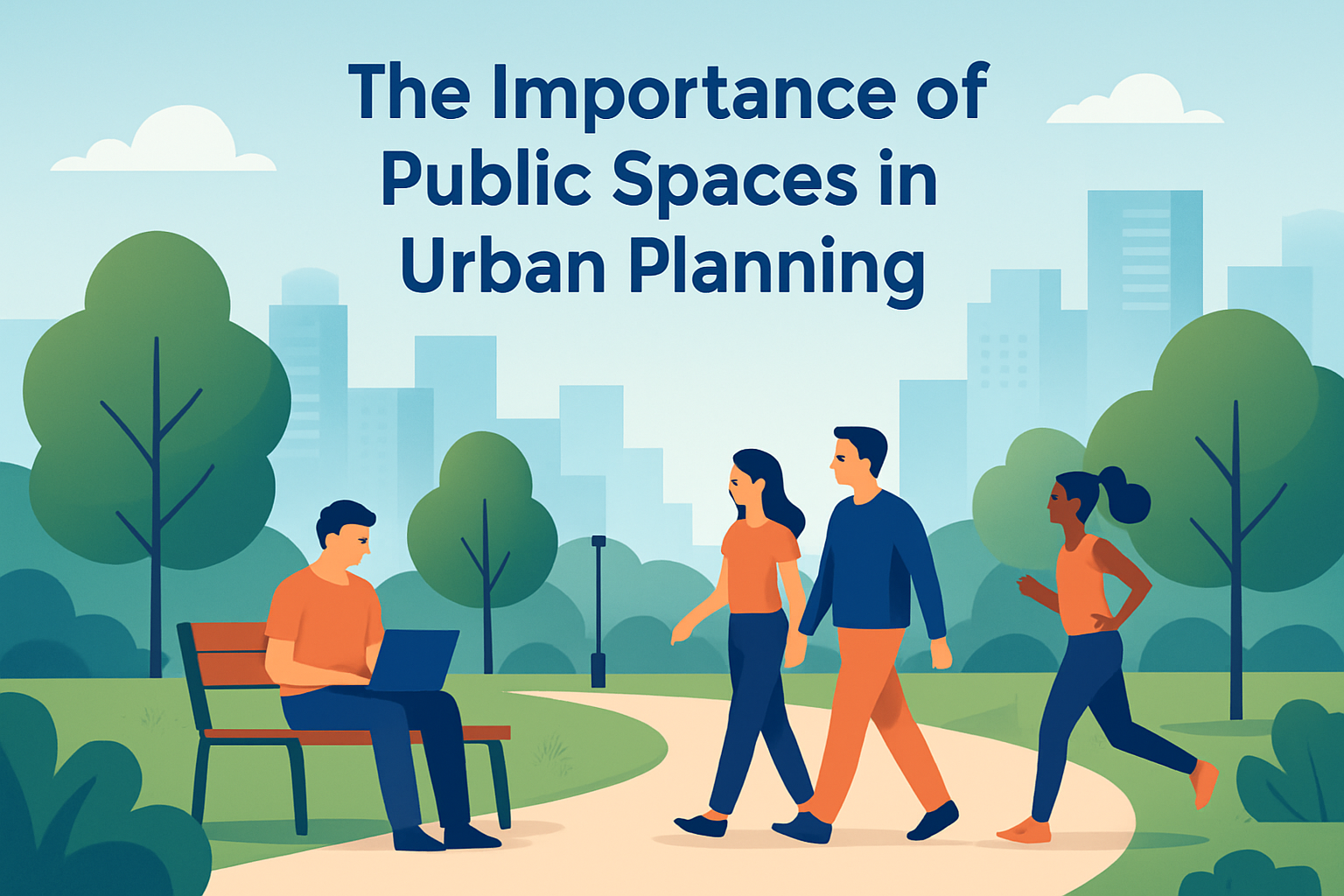
Public spaces are an integral part of urban landscapes and community life. They include parks, plazas, streetscapes, and other communal areas that are accessible to the public. In recent years, there has been growing awareness of the role that these spaces play in the economic ecosystem, particularly in supporting local businesses. The proximity of public spaces to retail areas and their ability to attract foot traffic makes them invaluable for small businesses striving to gain visibility and attract customers. This relationship is more crucial now than ever, as economic challenges mount and businesses look for ways to remain competitive and relevant.
“Local businesses” refers to self-owned enterprises serving residents and visitors in their immediate area, often characterized by personal service and unique offerings. Unlike large chain stores, local businesses benefit immensely from their connection to the community and physical presence, which is often facilitated by public spaces. As such, understanding the interplay between these communal areas and local businesses is essential. It highlights their mutual dependence and potential for fostering economic vibrancy and community engagement. Moreover, it reveals opportunities for municipal planning and policy-making to bolster local economies effectively.
Creating Foot Traffic and Visibility
One of the primary advantages of a well-designed public space is its ability to generate foot traffic. Foot traffic is crucial for local businesses, as it increases the likelihood of passersby noticing and engaging with nearby shops. Public spaces such as plazas, parks, and promenades attract people for leisure, socialization, and relaxation, which naturally increases the presence of potential customers around adjacent commercial areas.
For instance, Bryant Park in New York City has become a model for how revitalizing a public space can boost local businesses. Following its redesign in the 1990s, Bryant Park transformed from an underused area into a vibrant hub of activity. The increased foot traffic not only elevated the park’s own utility but also greatly benefited the surrounding businesses by bringing a steady stream of visitors who might shop, dine, or take part in other local activities.
Creating Opportunities for Events and Markets
Public spaces often play host to events such as farmers’ markets, art fairs, and cultural festivals. These events provide local businesses an opportunity to showcase their goods and services to a wider audience, tapping into new customer bases that might not otherwise enter their stores. Additionally, these events can serve as community focal points, drawing crowds from various neighborhoods, thereby supporting economic activity in the area.
An example can be seen in Seattle’s Pike Place Market, which functions not only as a hub for local merchants but as a public space featuring regular events and activities. Such initiatives transform the market into a cultural landmark that encourages repeat visitation and spending at surrounding businesses. The continuous flow of events ensures that there is always something new for visitors to experience, maintaining high levels of interest and engagement with the space and the businesses it supports.
Enhancing Community Engagement and Loyalty
Public spaces are not merely transactional areas but places of community gathering and interaction. This aspect fosters a sense of belonging and loyalty among local residents, translating into support for local businesses. When people feel connected to their community spaces, they are more inclined to support the businesses that populate their neighborhoods, reflecting their investment in community prosperity.
Take, for example, the city of Portland, Oregon, where community-led initiatives in improving public parks and streetscapes have directly correlated with an upswing in local business prosperity. Efforts to enhance urban public spaces have led to a community that appreciates and supports its local businesses, frequently choosing them over larger chains. This is not just about monetary benefit but about cultivating a community-centric ethos where businesses succeed alongside their urban environment.
Enabling Networking and Collaboration
Public spaces often serve as neutral grounds where businesses can network and collaborate. They offer a venue for businesses to cross-promote and support each other. Local business associations and chambers of commerce frequently utilize public spaces to organize networking events, workshops, and other collaborative activities.
For example, in Melbourne, the Federation Square acts as a central congregation point for various business networks in the area. It hosts numerous events that encourage collaboration among entrepreneurs, artisans, and professionals. Such initiatives expand business relationships and open new opportunities that might not arise in more competitive or isolated environments. Public spaces thereby help build a connected business community that is stronger together.
Supporting Diverse and Creative Economies
Diversity in businesses often leads to a richer and more resilient economy. Public spaces that accommodate a wide range of activities and people can support businesses of varying types and sizes. These areas provide a platform for niche markets and creative enterprises to gain visibility and thrive alongside more established businesses.
| Public Space | Local Business Impact |
|---|---|
| Union Square, San Francisco | Hosts cultural and retail events that support diverse businesses. |
| Grand Park, Los Angeles | Provides a venue for food trucks and creative market fairs. |
The support of diverse economies is exemplified by Union Square in San Francisco, where a variety of events are hosted year-round. These gatherings support multiple sectors by providing exposure to different business models and customer demographics. Grand Park in Los Angeles illustrates how public spaces can converge traditional and creative business activities, allowing for a more inclusive economic landscape. This diversity enriches the local community while making it more robust against economic shifts.
Overcoming Economic Challenges
In times of economic downturn or disparity, public spaces offer local businesses resilience and adaptive strategies. They serve as venues that require minimal investment for staging business activities, making them ideal for small businesses operating on limited budgets.
The COVID-19 pandemic revealed the critical importance of public spaces for survival in harsh economic conditions. Restaurants and cafes in many cities adapted by utilizing outdoor spaces for alfresco dining, abiding by public health guidelines while still serving customers. For example, the city of Paris erected ‘Outside Café’ initiatives, turning streets into extended café terraces, ensuring economic activity continued amid restrictions.
This story is a testament to the adaptability of public spaces and their role as economic lifelines. They provide flexibility that can help local businesses pivot and persevere despite challenging circumstances, ensuring community activities and productivity remain underway.
Conclusion: Leveraging Public Spaces for Economic Growth
Public spaces fulfill a significant role in the success and sustainability of local businesses. From generating foot traffic to enhancing community cohesion, enabling events, supporting creative enterprises, and providing economic resilience, they offer manifold benefits. The symbiotic relationship between public spaces and local businesses is crucial, creating environments where commerce and community flourish hand in hand. For urban planners and policymakers, these insights stress the importance of nurturing and optimizing public spaces to facilitate local economic development.
As the relationship between public spaces and local businesses becomes more evident, individuals and communities must advocate and engage in conversations directive towards shaping these areas to meet both community needs and economic growth. Future actions could involve participating in local government meetings, supporting community-led initiatives, or simply frequenting and supporting the businesses that benefit from these spaces. In doing so, we can all contribute to a thriving local economy that is both resilient and inclusive.
Frequently Asked Questions
1. How do public spaces directly benefit local businesses?
Public spaces are like magnets for people, drawing them in for a variety of reasons, whether it’s a stroll in the park, a visit to a plaza, or just passing through. When people frequent these areas, they naturally increase foot traffic to nearby businesses. Local eateries, shops, and services benefit enormously because these spaces act as free marketing channels. Imagine a vibrant park surrounded by cafés and boutiques – people don’t just enjoy the scenery; they are more likely to stop for a coffee or browse through a charming shop. In essence, public spaces create a lively atmosphere that encourages spending, interaction, and discovery. Moreover, businesses located near well-maintained public spaces often see an increase in property values, and renters are willing to pay a premium for these desirable locations, thus boosting the local economy.
2. What role do events in public spaces play in supporting local businesses?
Events are a powerhouse when it comes to energizing public spaces and benefiting local businesses. Think farmer’s markets, food festivals, art shows, and concerts – these gatherings transform a location into a bustling hub of activity. Such events draw crowds which, in turn, bring significant opportunities for local businesses to capitalize on. Imagine an art fair in a central plaza where local galleries, cafés, and bookshops showcase their products or host after-parties. These events not only generate immediate sales but also increase business visibility and attract repeat customers. Furthermore, collaboration with local businesses for sponsorships or event organization can strengthen community ties and create a more robust local economy. Events also encourage partnerships and support networks among businesses, providing them with platforms to promote their goods and services directly to potential customers.
3. Can public spaces contribute to a startup-friendly environment?
Absolutely! Public spaces are nurturing grounds for startups because they offer low-cost or free venues for new businesses to showcase their products and services. Startups often face financial constraints and lack visibility, and public spaces provide a platform where they can engage with the community at minimal cost. For instance, a new food truck business might set up shop at a busy park to capture hungry park-goers during lunch hours. By tapping into the steady flow of visitors, startups can test markets, receive feedback, and refine their offerings without the burden of high overhead costs associated with renting retail space. Moreover, incubating startups in a visible, accessible environment encourages innovation, creates jobs, and spurs economic growth within the community. Public spaces, thus, play a critical role in fostering an entrepreneurial spirit and providing emerging businesses the playground to thrive.
4. How do public spaces improve community engagement and why is that important for local businesses?
Community engagement is essential for local businesses, and public spaces are fertile grounds for cultivating it. They serve as neutral territories where people of all backgrounds gather, fostering interactions and relationships. A vibrant community fabric is woven through these shared experiences, whether it’s picnics in the park, yoga sessions at the amphitheater, or street performances. Local businesses benefit when the community thrives because engaged citizens are more likely to support local initiatives and choose local businesses over large chains. As businesses participate in or sponsor community events, they not only enhance their visibility but also build loyalty and trust with their audience. Strong community ties forged in public spaces lead to a more sustainable business environment where local ventures can prosper. Ultimately, these communal interactions help create a sense of pride and belonging among residents, encouraging them to invest back into their local economy.
5. In what ways do well-designed public spaces contribute to the identity of a local business community?
Well-designed public spaces do more than offer functional retreats; they are instrumental in defining and reflecting the character of a local business community. A thoughtfully crafted plaza or promenade becomes a canvas where local culture, history, and identity are painted. For businesses, this cultural richness can be an invaluable asset. Consider a street lined with businesses that reflect the area’s historical or artistic significance through architecture, signage, or themed events. Such cohesion creates a unique atmosphere that draws visitors who are eager to experience something different from the typical shopping mall experience. In turn, this distinct identity attracts both locals and tourists, providing a significant economic boost. Moreover, businesses can leverage this identity, crafting their brand stories around the unique elements of their locales, thereby positioning themselves as integral parts of the community narrative. Thus, well-designed public spaces do not just enhance aesthetic appeal but forge an indelible part of the business ecosystem’s identity.